
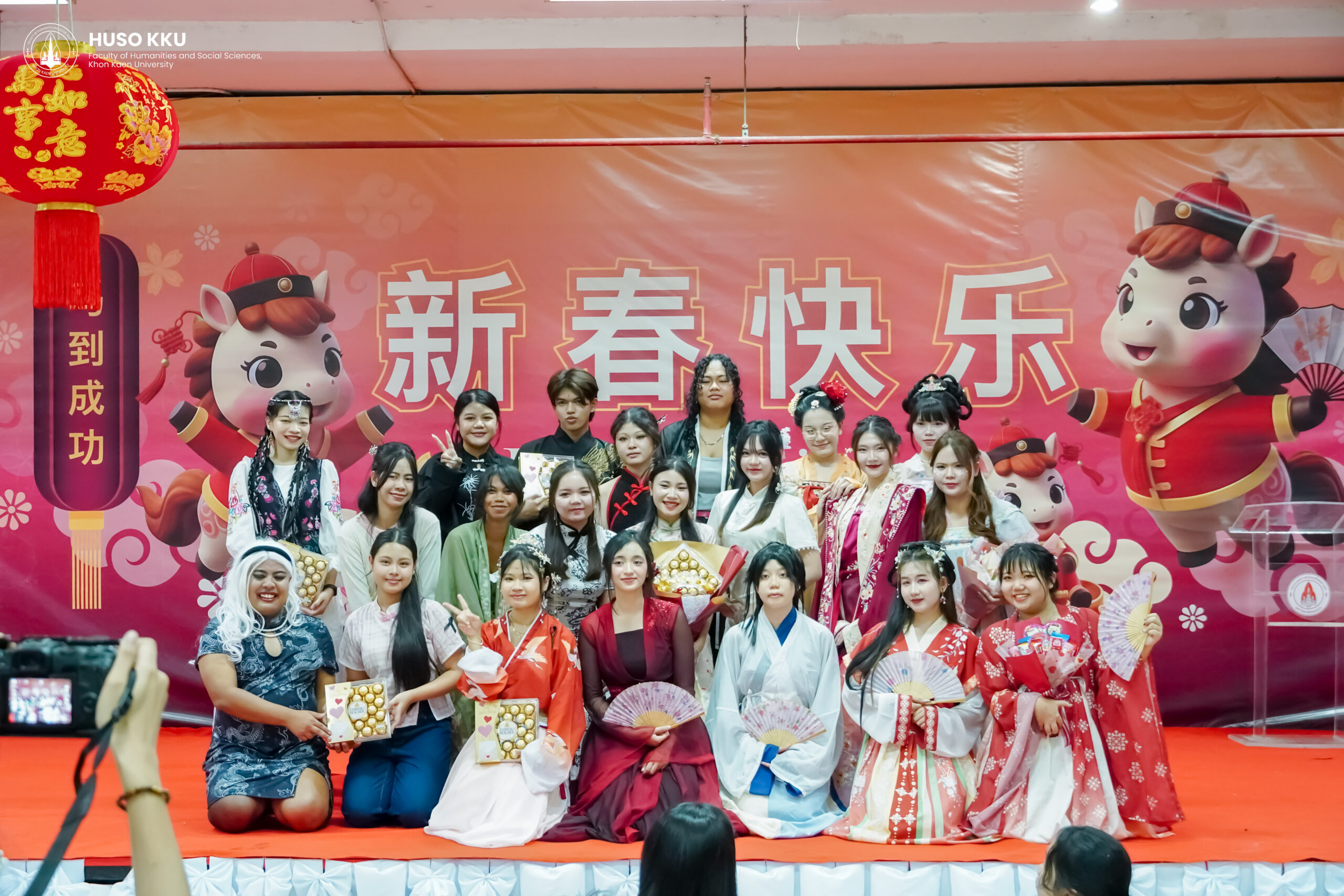
The Faculty of Humanities and Social Sciences (HUSO), Khon Kaen University (KKU), organised a full-day celebration of the Chinese New Year 2026 Festival on 11 February 2026. The event aimed to promote Chinese language and cultural learning while reinforcing the University’s internationalisation strategy through academic, artistic, and cultural engagement.
The festival was jointly organised by the International Affairs Group and the Chinese Language Major under the Department of Oriental Languages, Faculty of Humanities and Social Sciences, in collaboration with the KKU International Relations Division and the Library of Guangxi Zhuang Autonomous Region, People’s Republic of China.
Chinese New Year 2026: From Classroom to International Stage, Blending Arts, Culture, Language, and Global Collaboration
The Chinese New Year Festival serves not merely as a time for celebration but as a crucial ‘learning space’ for students at the Faculty of Humanities and Social Sciences.
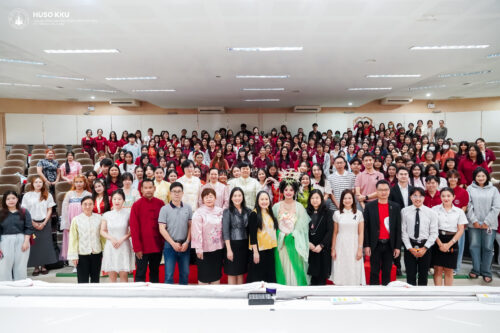
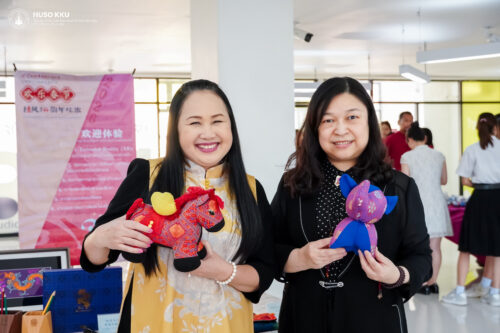
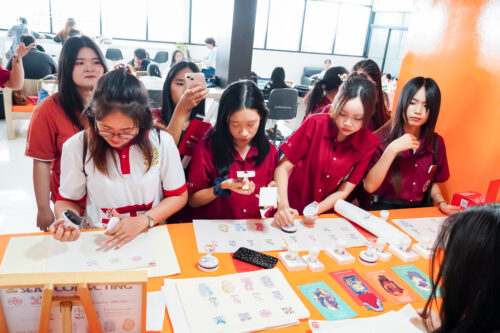
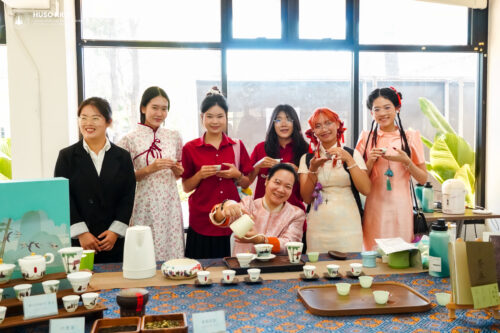
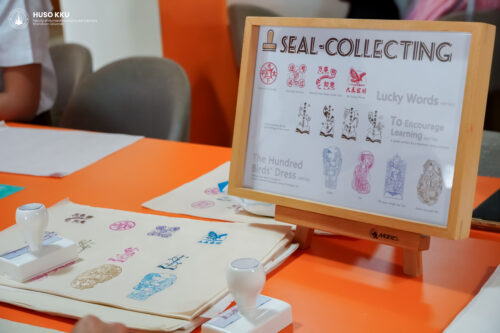
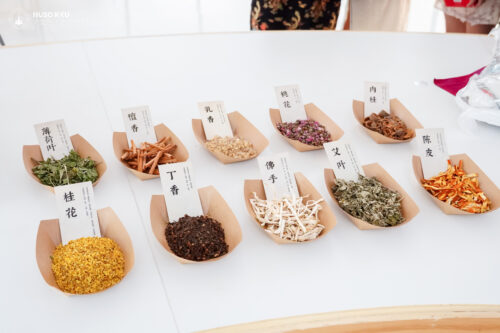
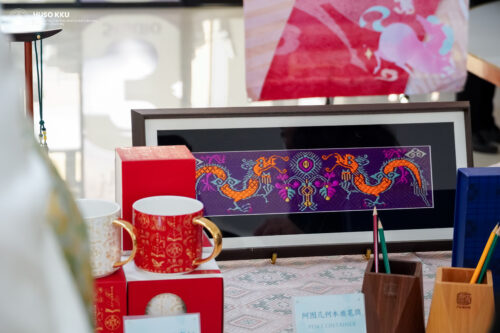
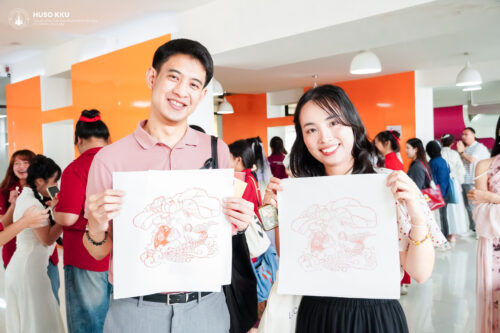
The afternoon session, titled “Happy Chinese New Year: Guangxi Flavors and Zhuang Charm,” took place at Meeting Room 3218, Learning Centre Building. It offered a vital platform for learning Chinese culture through exhibitions and experiential activities. These included an XR Experience of the Tang Dynasty Silk Road, Chinese tea tasting and demonstration, woodblock printing, and a showcase of cultural publications and products. Crucially, the event featured presentations on the distinct identity of Zhuang culture from the Guangxi region, broadening students’ global perspectives and enhancing their cross-cultural learning skills.
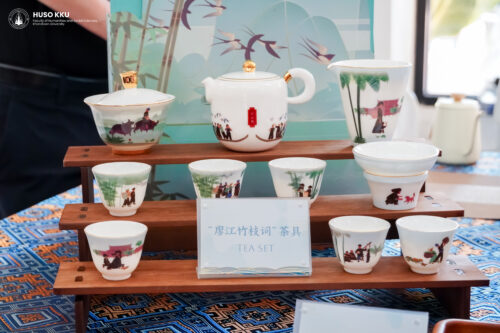
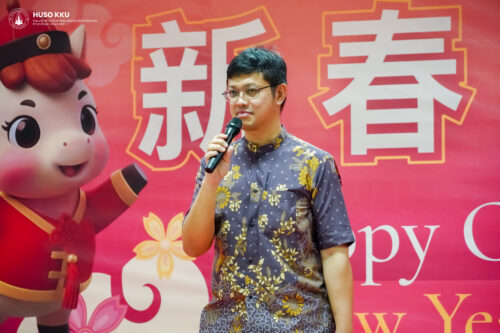
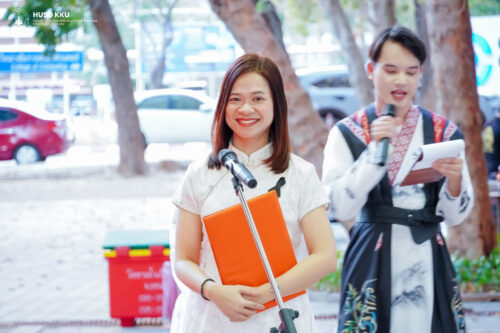
The event was officially opened by Assistant Professor Acharawan Topark-Ngarm, Ph.D., Assistant to the President for International Affairs, following a welcoming address by Associate Professor Orathai Piayura, Ph.D., Dean of the Faculty of Humanities and Social Sciences. Ms. Qin Xiaoyan, Director of the Library of Guangxi Zhuang Autonomous Region, delivered a speech detailing the objectives of the event.
Academic discussions were also conducted between university executives, lecturers from the Department of Information Science, and representatives from the Guangxi institution. The dialogue focused on enhancing Chinese language instruction, developing digital learning resources, integrating educational technology, and exploring future collaborations such as student and staff exchanges, joint academic activities, and international cultural initiatives.
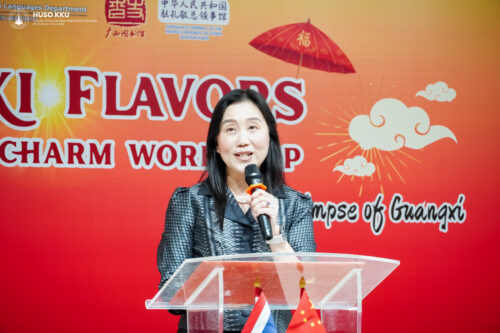
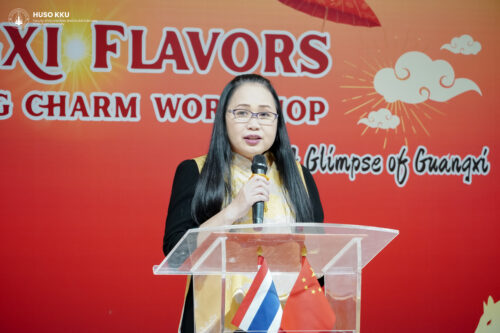
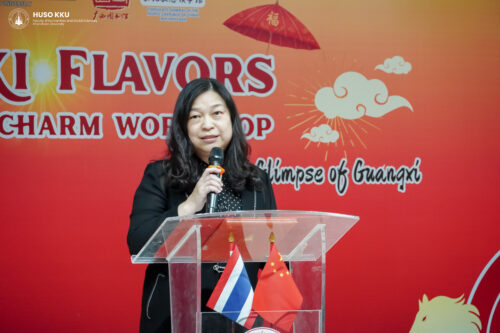
From Classroom to Cultural Performance: Celebrating the Chinese New Year
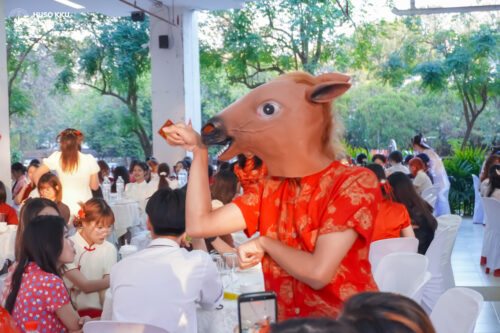
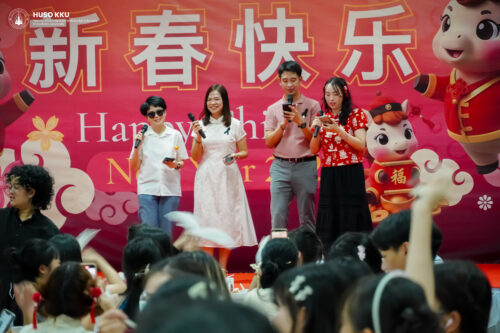
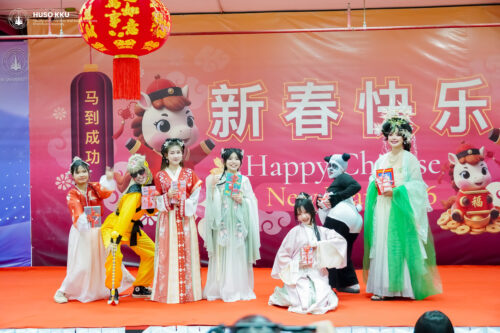
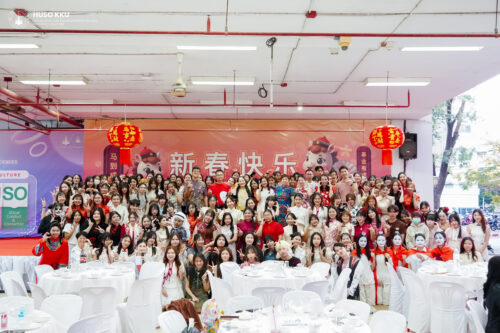
The evening activities provided an opportunity for students of the Chinese Language Major, Department of Oriental Languages, to celebrate the Chinese New Year 2026 Festival on the first floor of the Rattanapiya Building. Associate Professor Orathai Piayura, Ph.D., presided over the opening ceremony, while Assistant Professor Benyatip Supakalin, Ph.D., Head of the Department of Oriental Languages, delivered the event report.
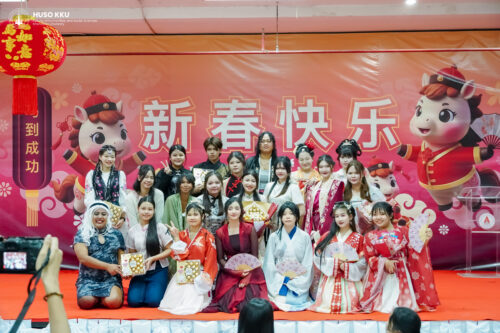
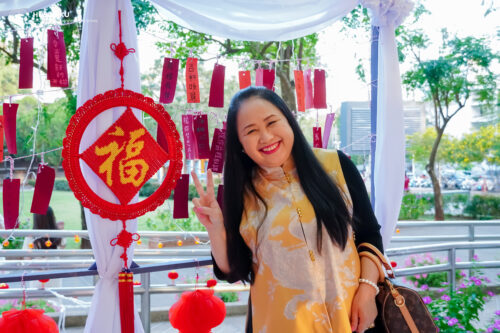
The celebration featured performances by students from all academic years, including Chinese songs, contemporary and classical Chinese dance performances, the ‘Best Chinese Traditional Costume 2026’ pageant, and the presentation of the Popular Vote award, determined by attendees’ votes. A special performance was also delivered by Assistant Professor Kantaphong Chitkla, Ph.D., Vice Dean for Education and Digital, along with lecturers from the Chinese Language Major, serving to inspire and impress the student body.
Chinese New Year and Student Identity
The Chinese New Year 2026 celebration reflects the Faculty’s strong academic identity in Chinese language and cultural studies within the Department of Oriental Languages. The programme aims to develop students who possess robust academic knowledge, refined cross-cultural communication skills, and an international outlook, ensuring readiness for professional engagement in the 21st century.