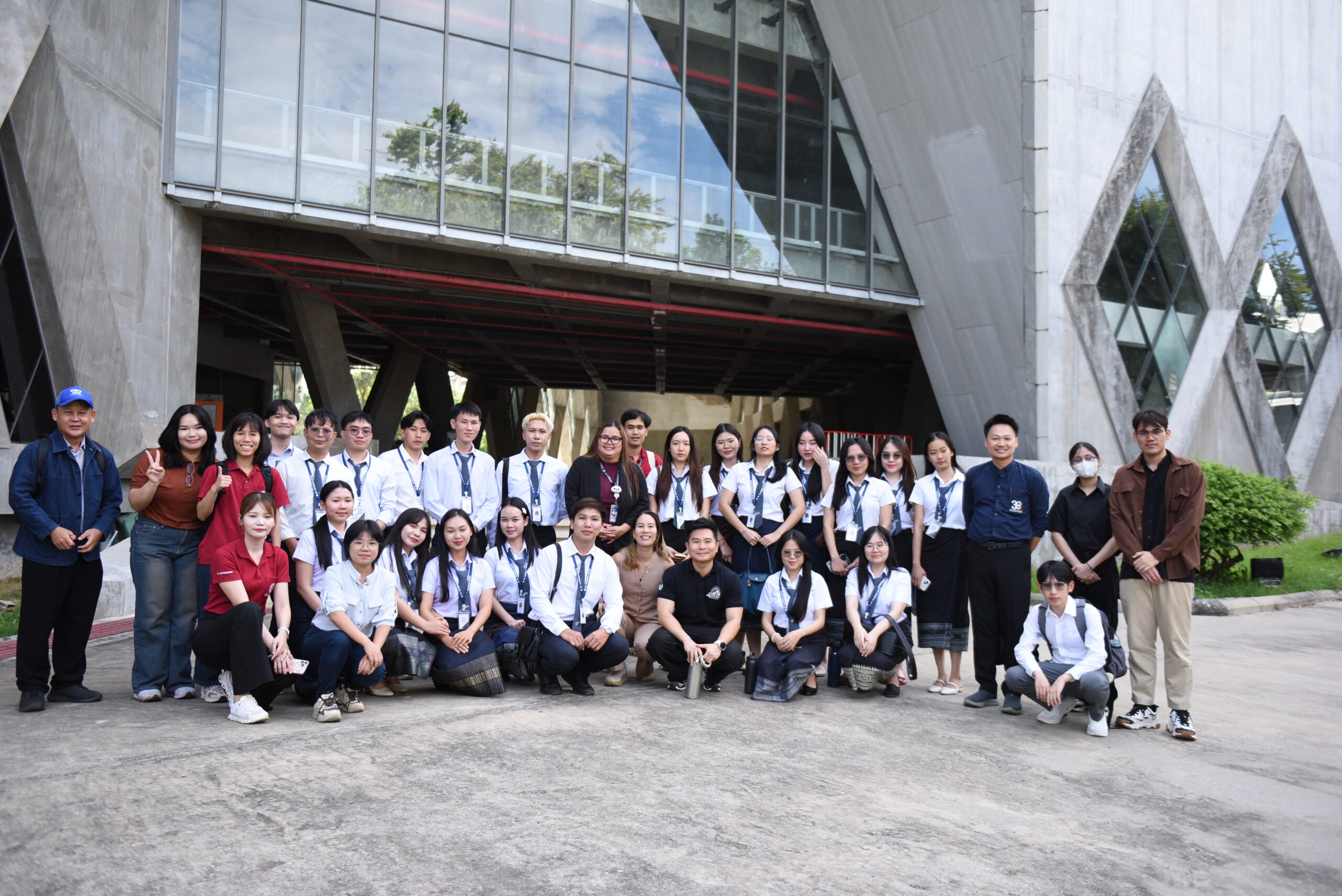

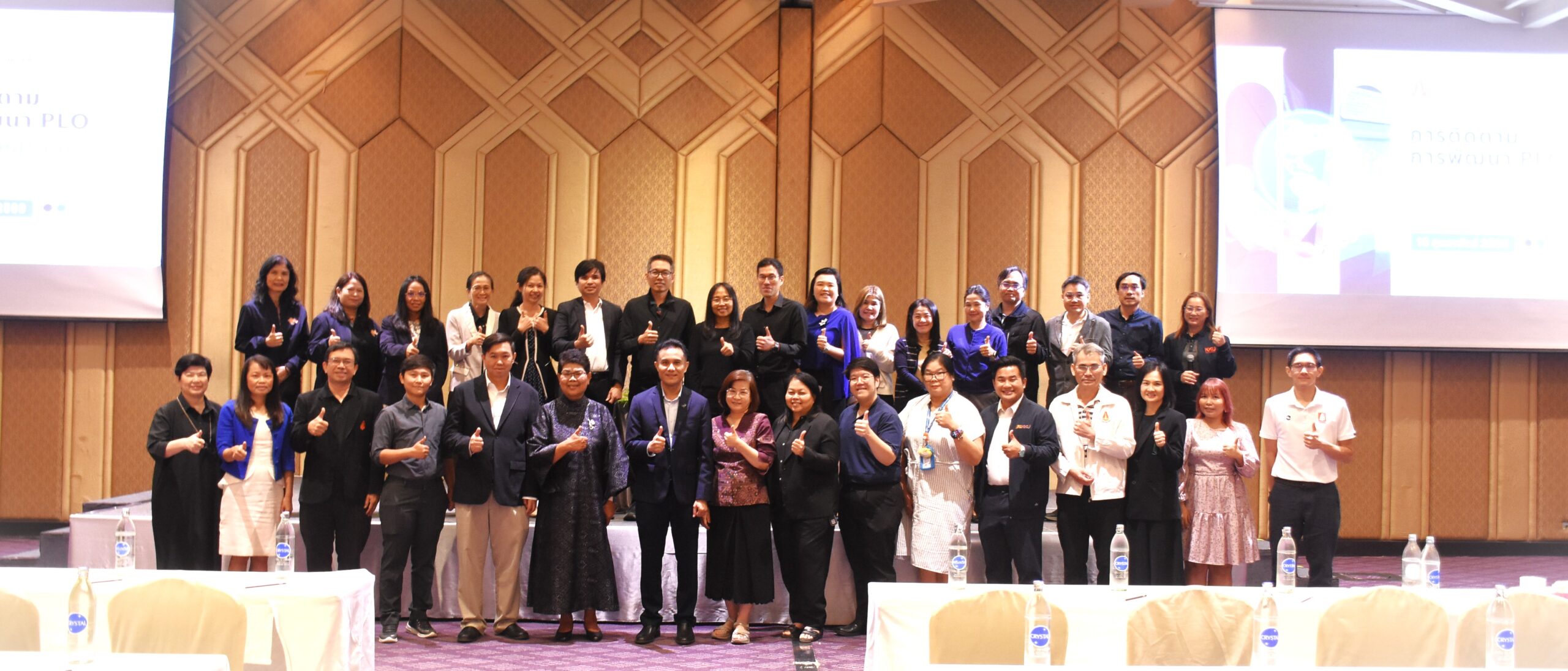
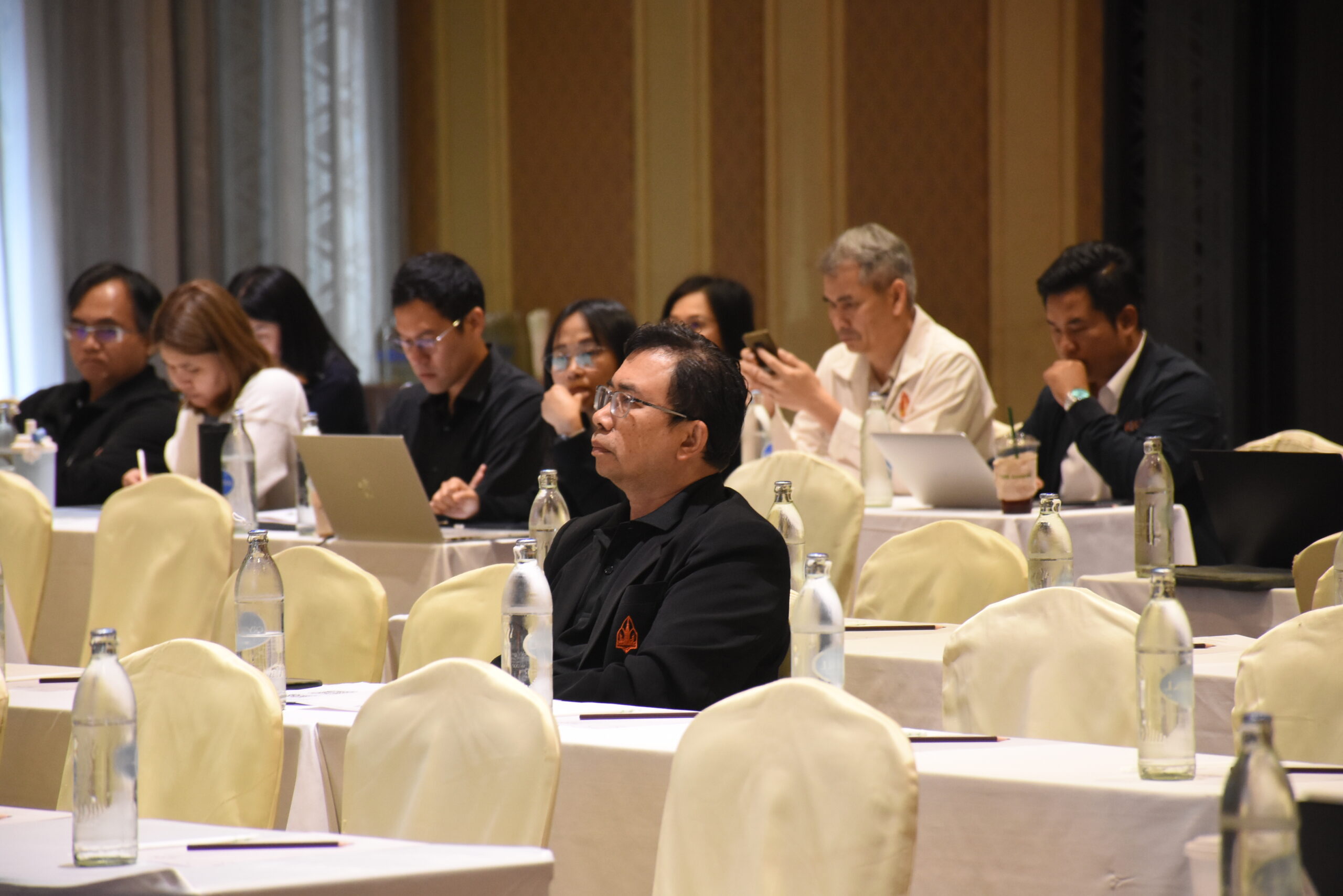
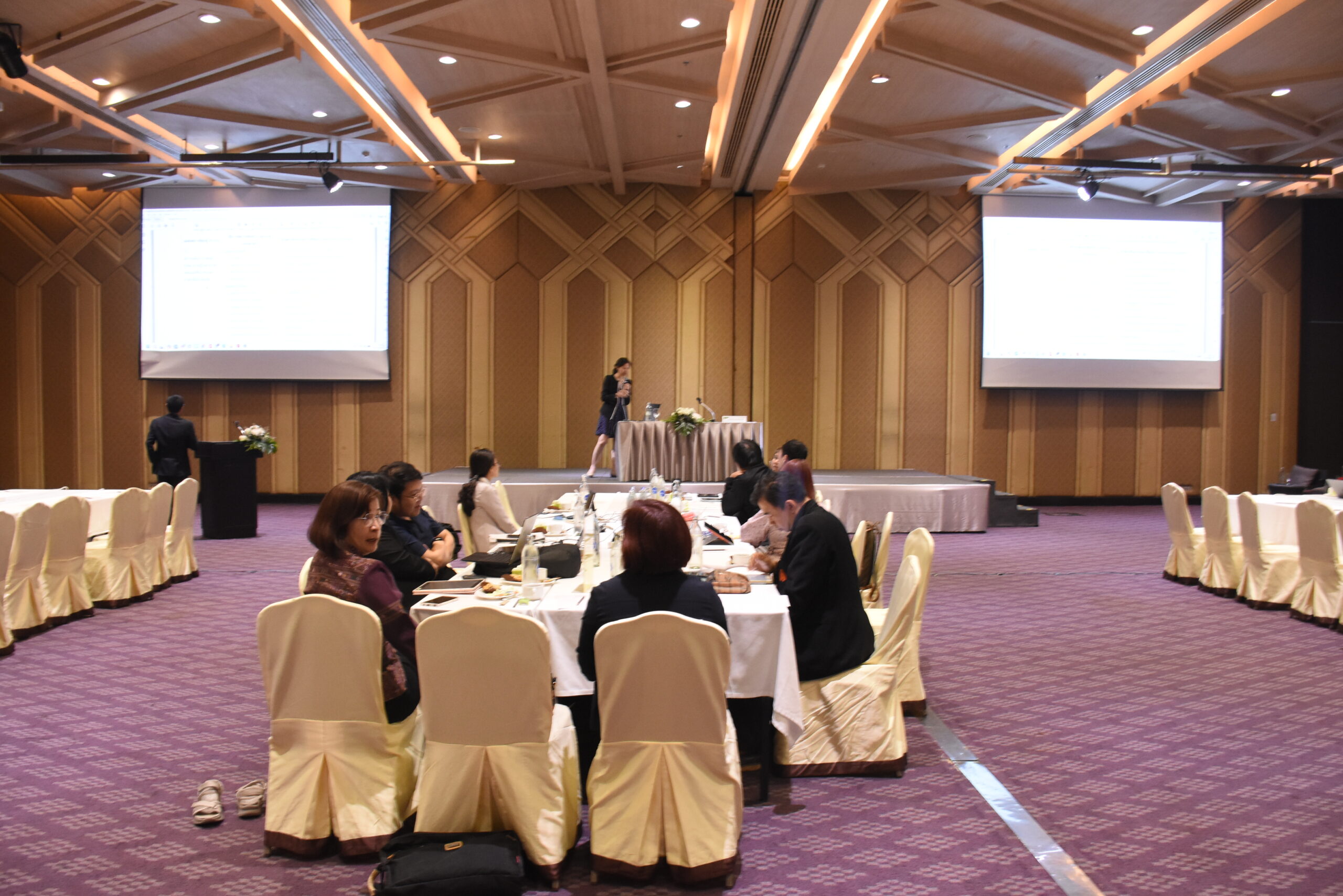
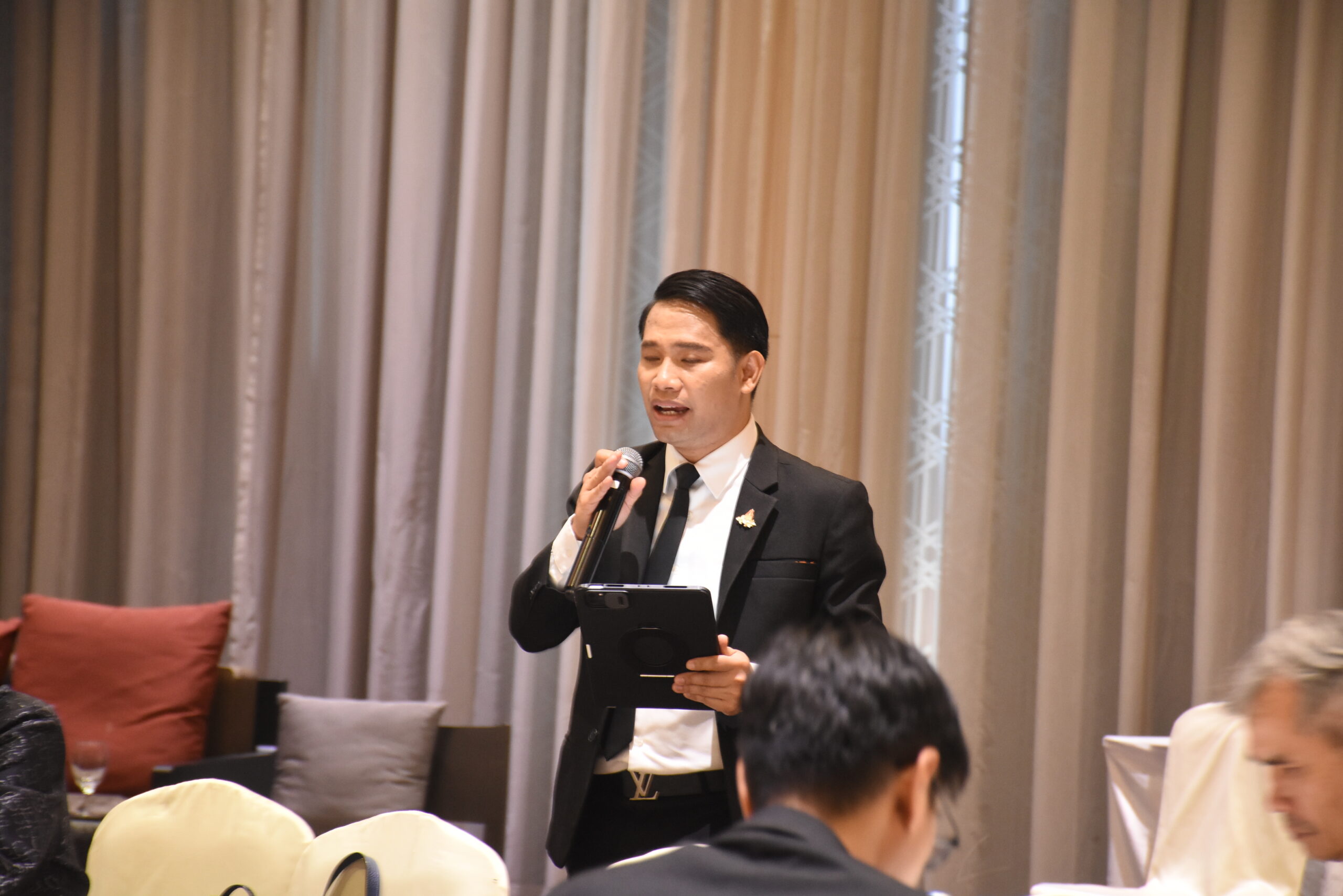
The Division of Education and Digital Technology, in collaboration with the Bureau of Academic Administration and Development at Khon Kaen University (KKU), organized a knowledge-sharing activity and workshop on curriculum development. The event aimed to elevate educational management based on the concepts of Outcome-Based Education (OBE) and Backward Design, aligning with international quality assurance standards such as AUN-QA and ABET. The event also launched the “Smart Curriculum Design” digital tool to assist lecturers in designing and verifying clear, measurable PLOs/CLOs, thereby reducing the frequency of returned curriculum documents for revision.
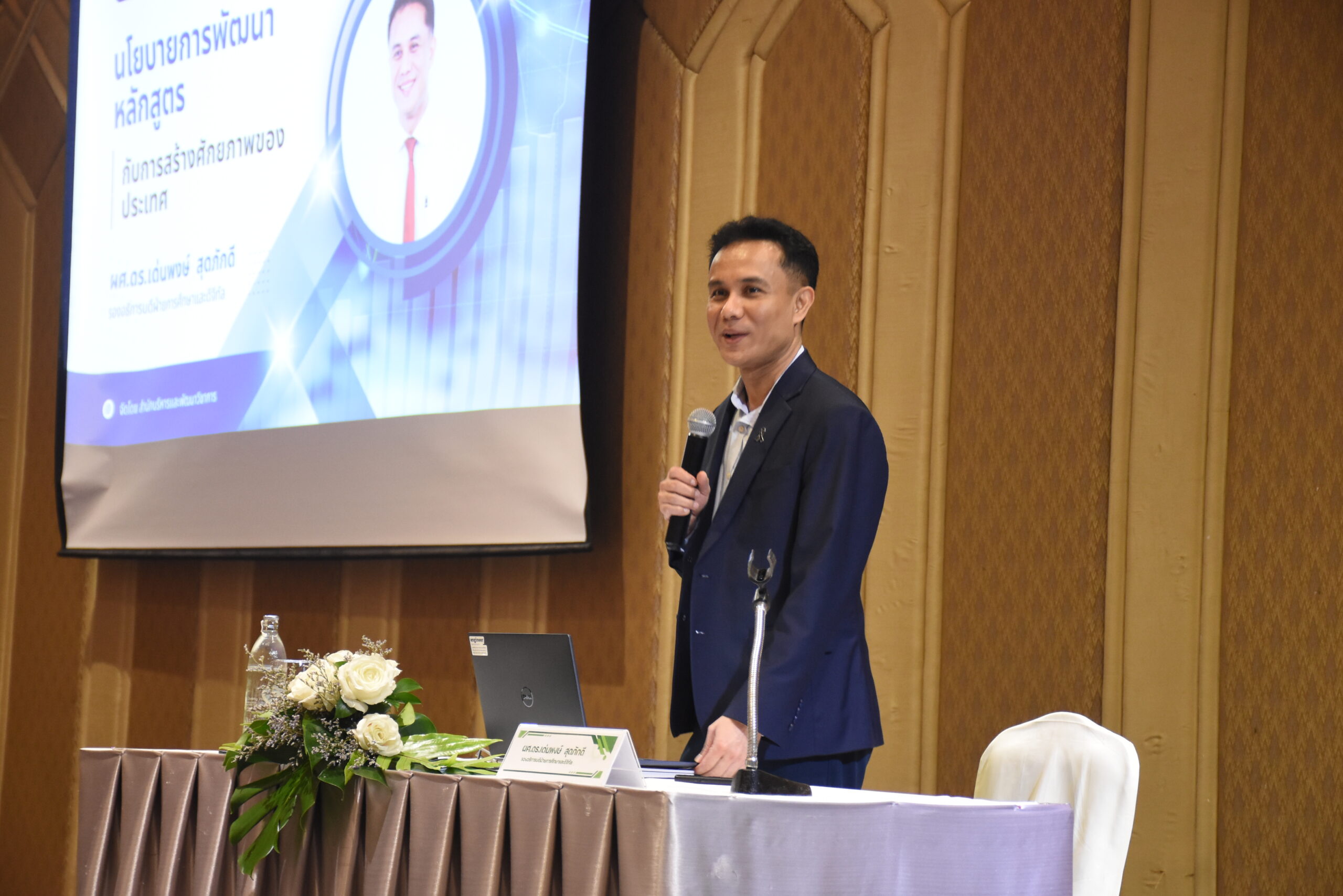
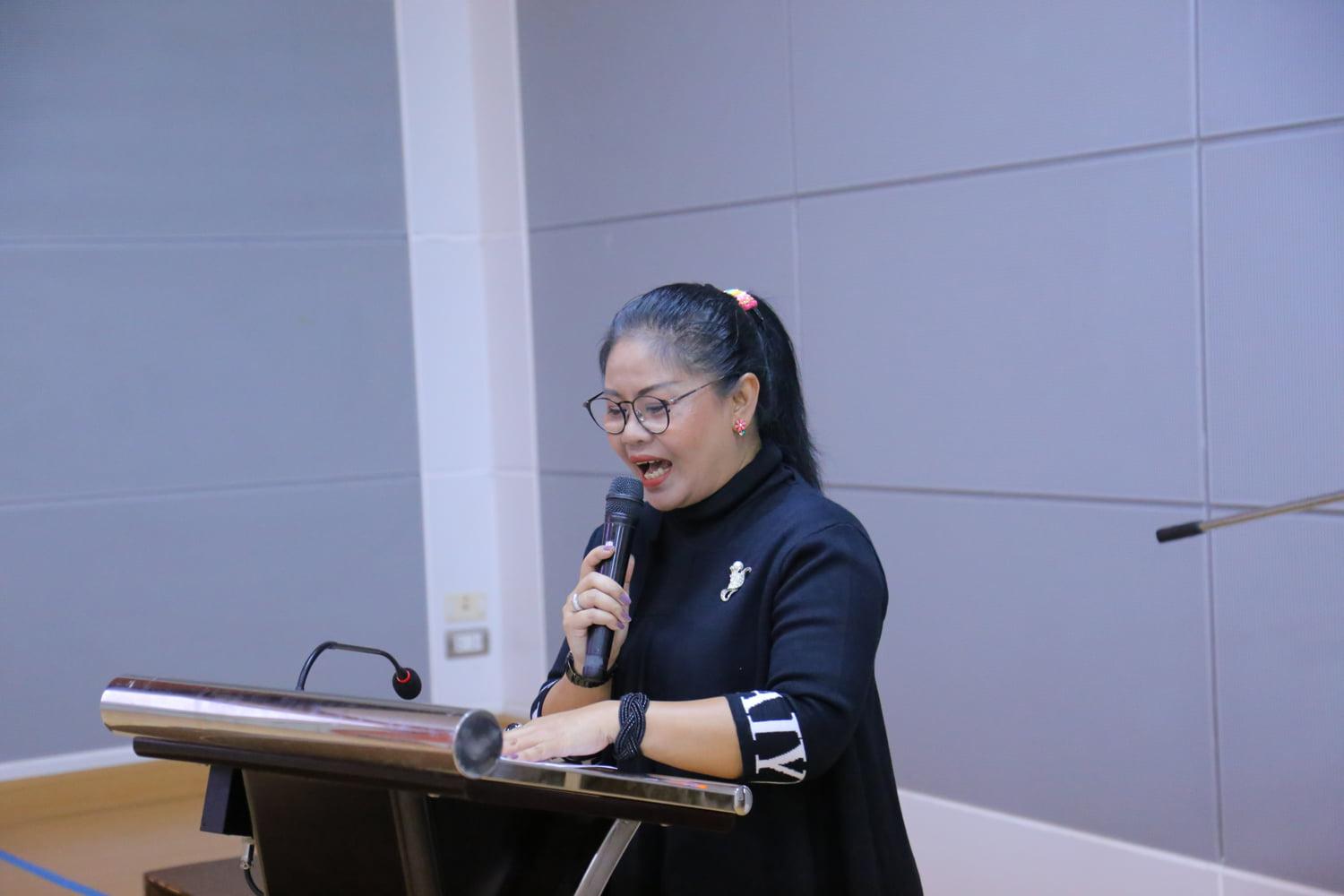
Asst. Prof. Denpong Soodphakdee, Ph.D., Vice President for Education and Digital, stated that a common problem found during curriculum screening is that documents are often returned for revision one to two times, causing delays in the approval process. The main cause stems from writing Program Learning Outcomes (PLOs) and Course Learning Outcomes (CLOs) that do not reflect actual learning outcomes or use verbs that cannot be measured. Therefore, the focus is on Backward Design, starting with clearly defining PLOs and then designing backwards to the individual courses. This approach ensures that the curriculum structure is systematic and compliant with international standards.
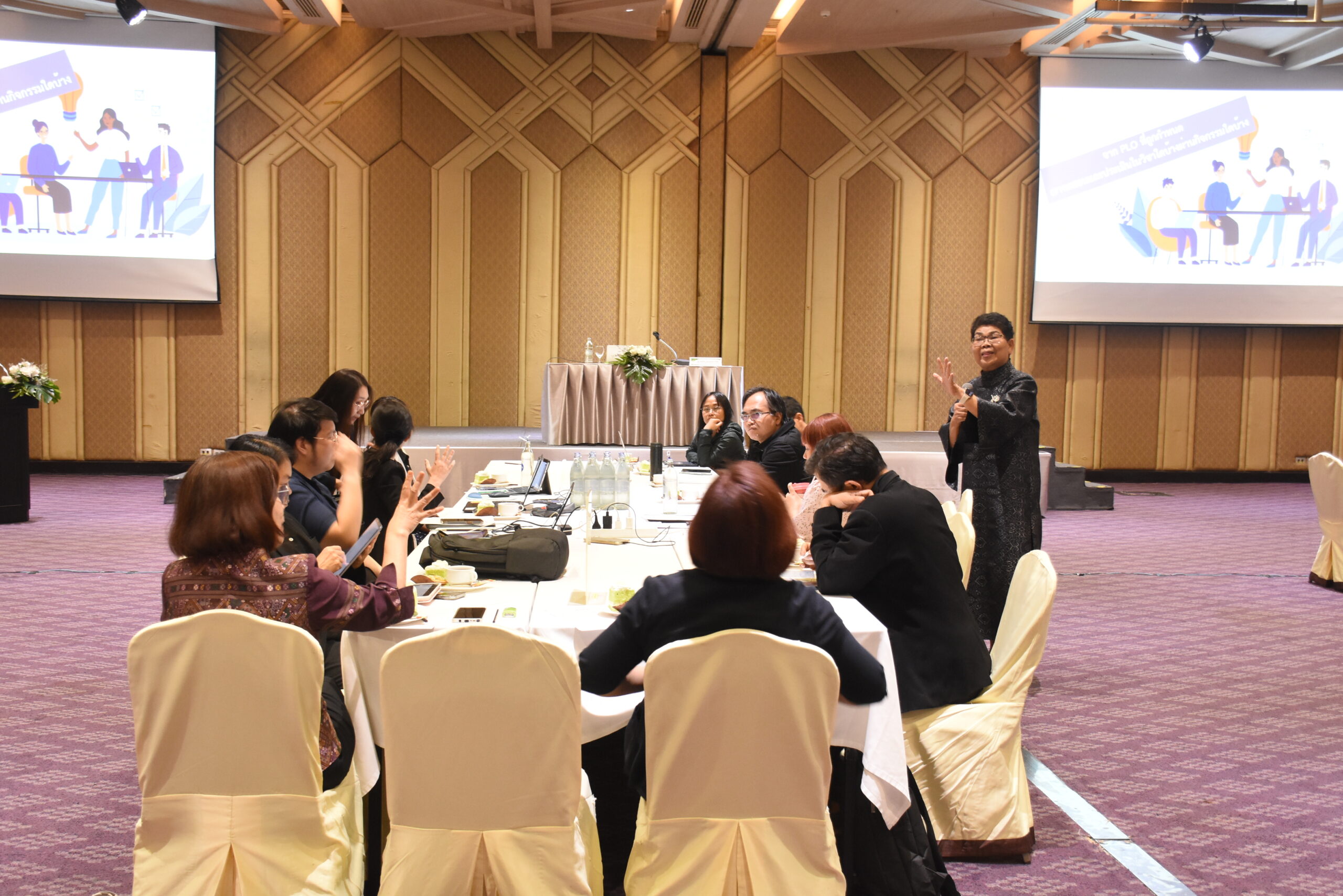
Assoc. Prof. Darunee Jothityangkoon, Ph.D., Dean of the Faculty of Agriculture, presented guidelines for improving curriculum according to OBE principles. This involves shifting from content-based teaching to defining learning outcomes that reflect graduate competencies. This aligns with the new criteria of the Ministry of Higher Education, Science, Research and Innovation (MHESI), which emphasises four domains: Knowledge, Skills, Ethics, and Character. She also highlighted the importance of both Formative and Summative assessment, alongside continuous curriculum development through the Continuous Quality Improvement (CQI) framework.
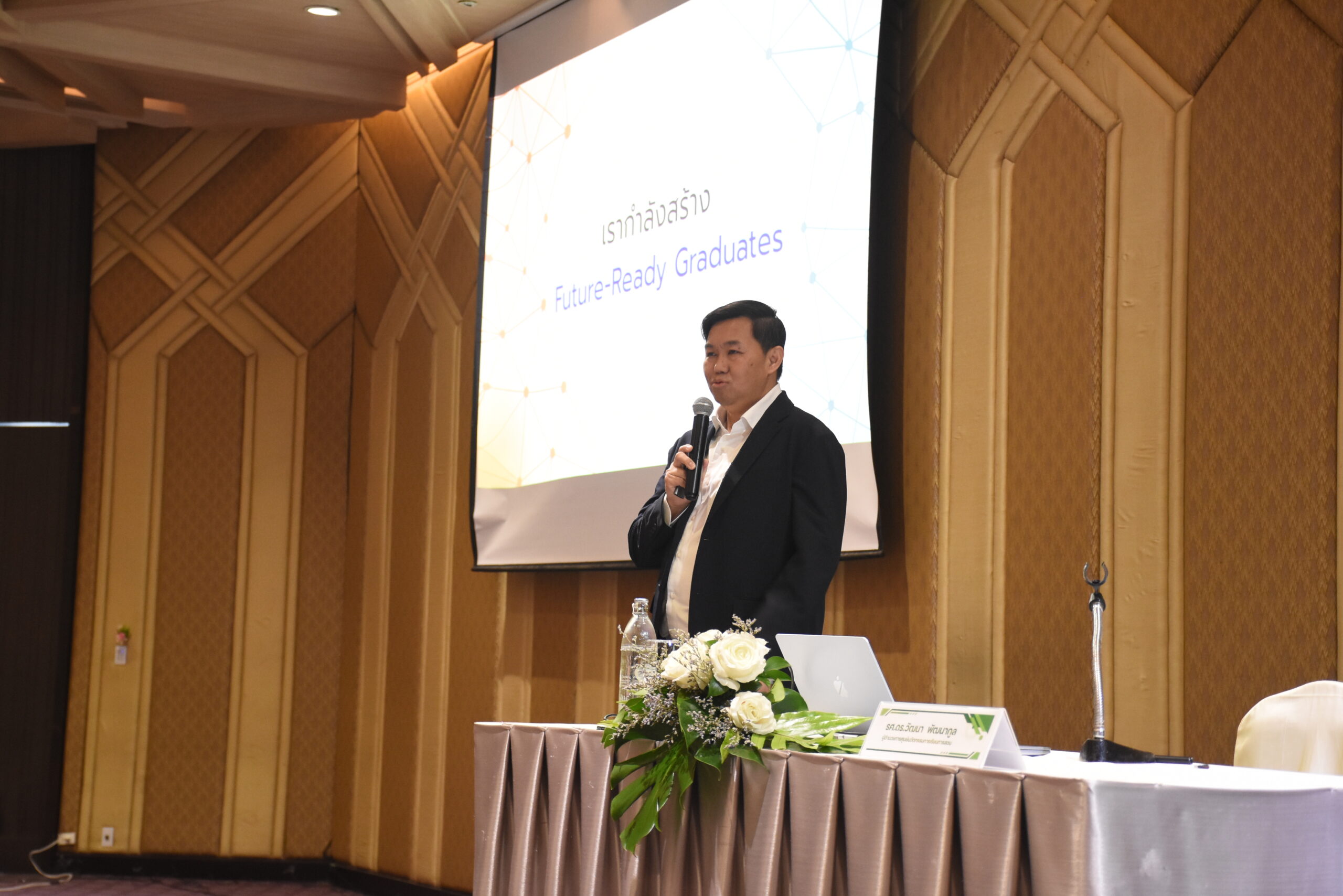
Assoc. Prof. Dr. Wattana Pattanakul, Director of the Center for Innovation in Learning and Teaching, explained that writing PLOs must reflect what graduates “can actually do.” This starts with analyzing both internal and external stakeholders, systematically collecting data on requirements, and writing clear, measurable learning outcomes based on SMART principles.
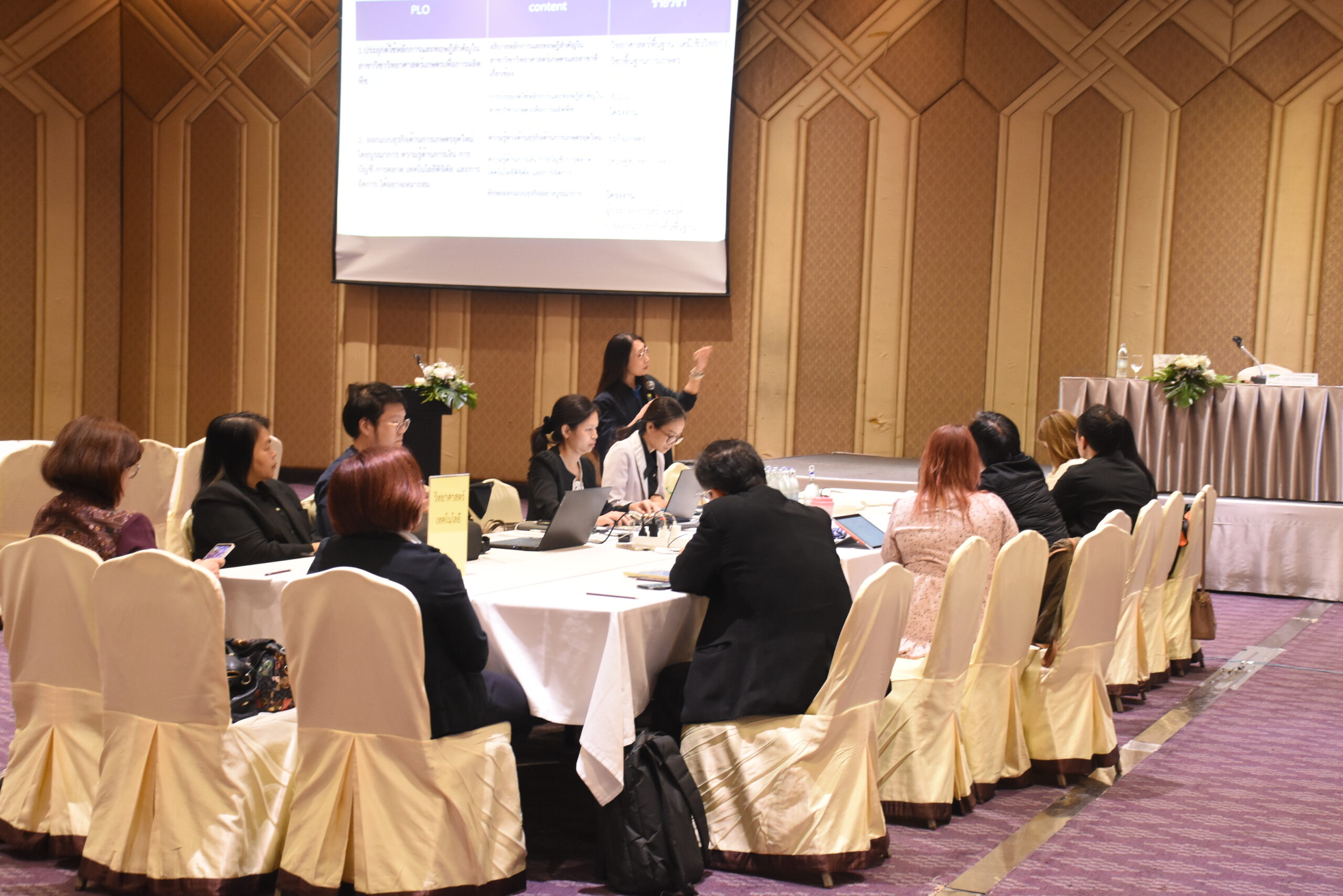
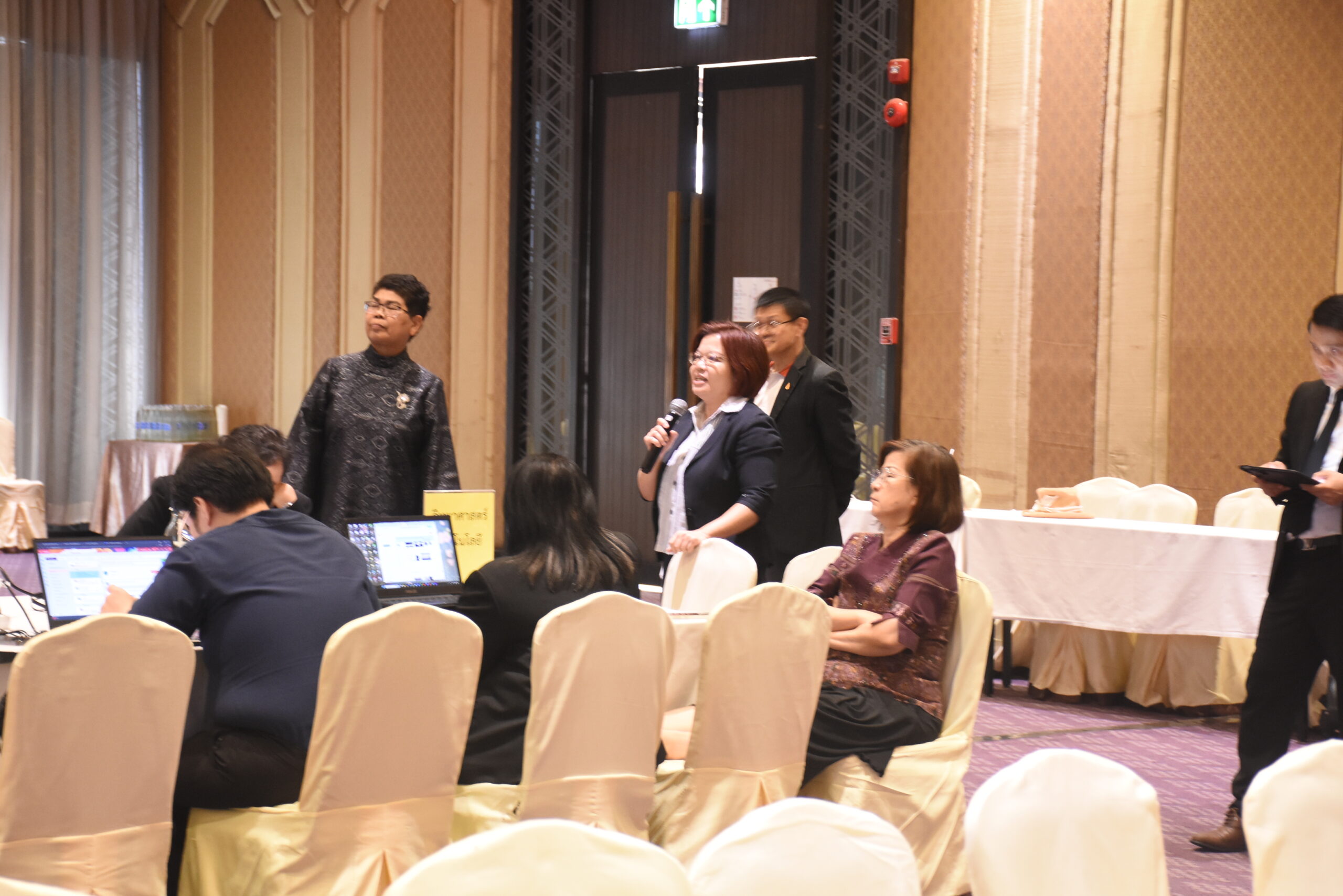
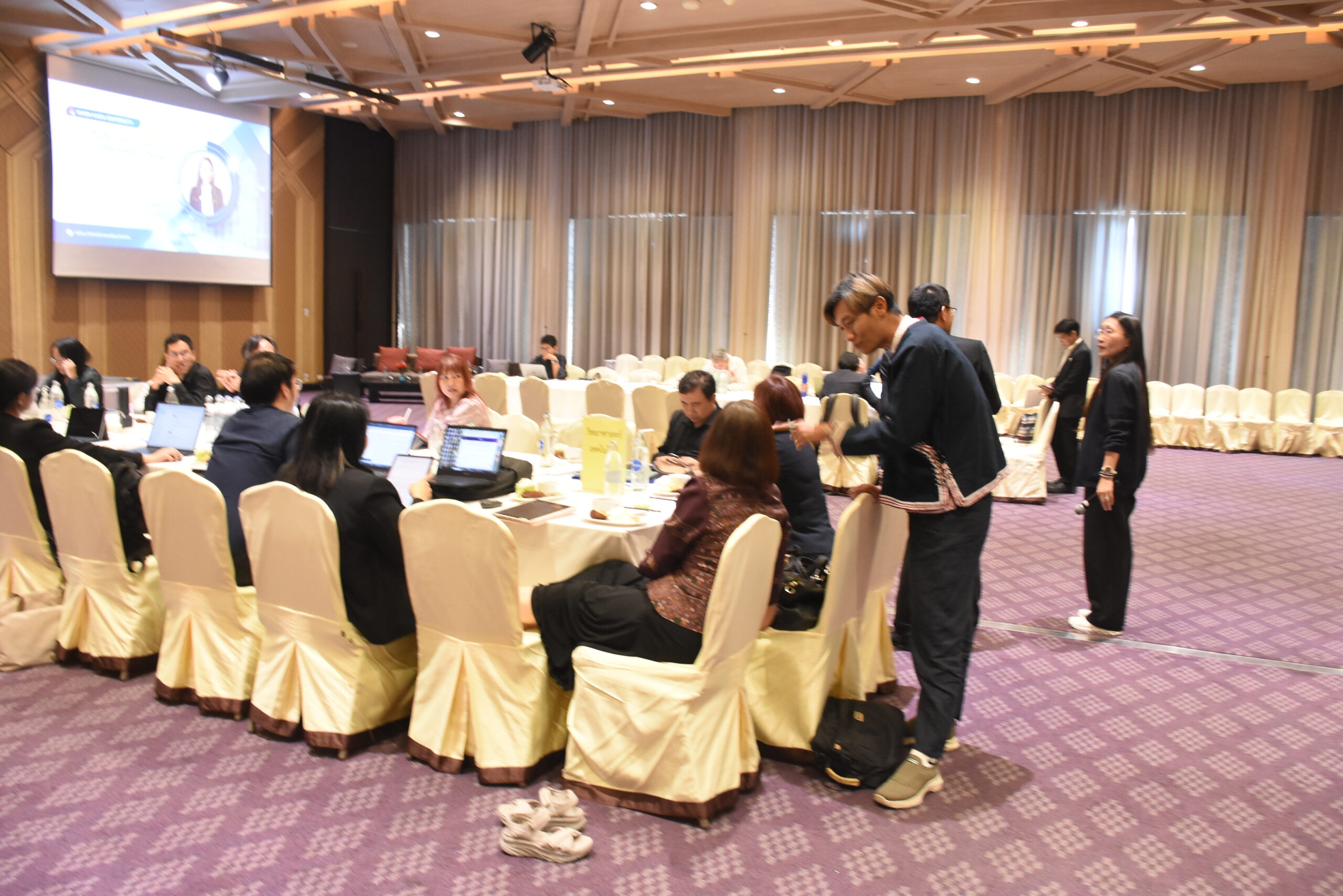
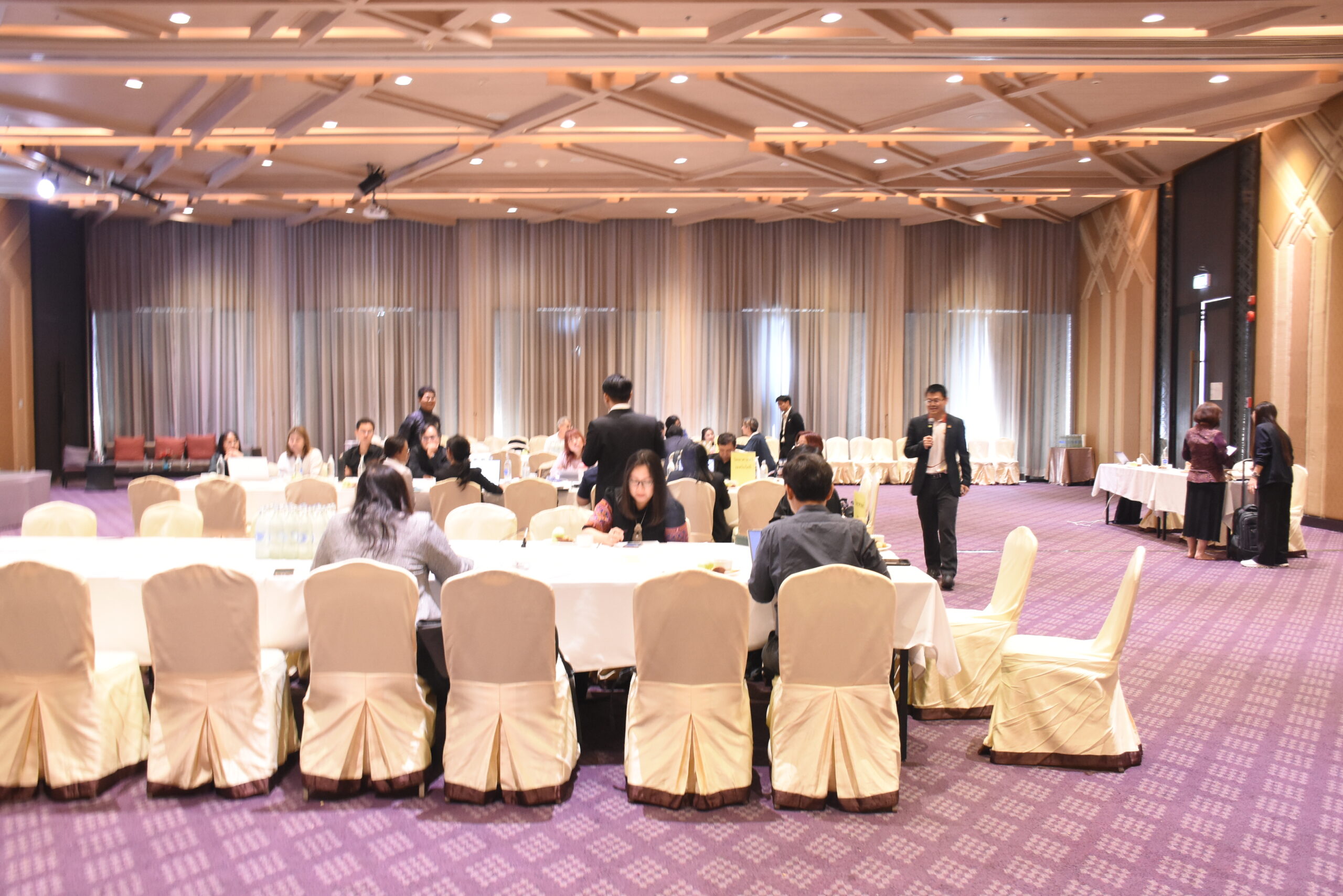
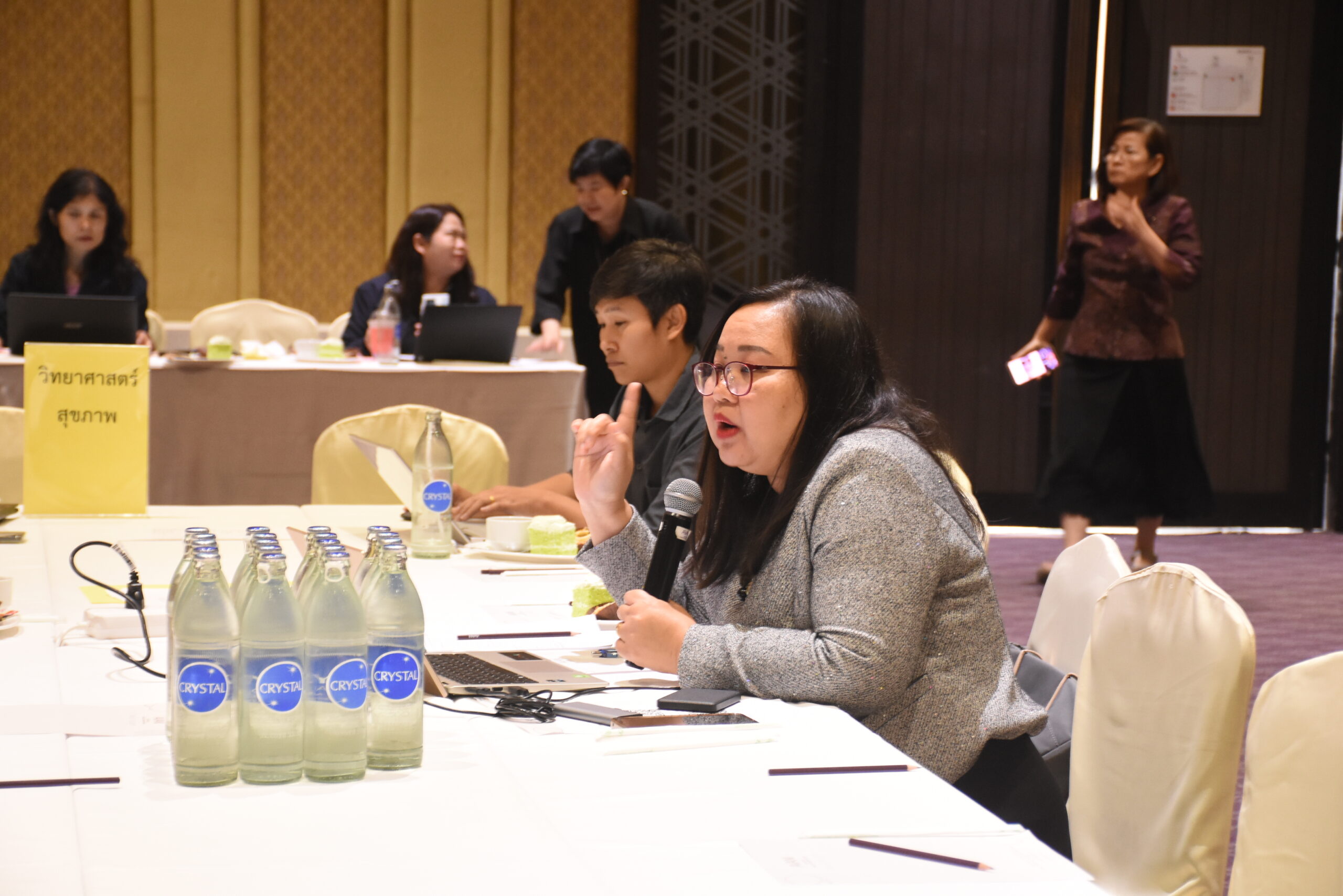
Assoc. Prof. Wanwipa Kaewpradit phonpinit, Deputy Director of the Bureau of Academic Administration and Development, noted that the afternoon session featured a workshop led by experts and the Curriculum Screening Committee. This included applying PLOs to curriculum development using Backward Design. The workshop was conducted by experts including Asst. Prof. Anucha Somabut, Assistant to the President for Education; Prof. Kiatichai Faksri, Ph.D., Dean of Graduate School; along with Curriculum Screening Committee members Assoc. Prof. Khemika Lomthaisong, Assoc. Prof. Wisapat Chaichuay, and Assoc. Prof. Thanatchaporn Kittikong. There were also presentations of curriculum PLOs in three clusters: Science and Technology, Health Sciences, and Humanities and Social Sciences. This session provided a valuable opportunity for peer feedback and the enhancement of curriculum documents in preparation for review and accreditation.
This activity reflects Khon Kaen University’s commitment to developing curricula that meet international standards, reducing redundant steps, increasing management efficiency, and producing graduates with competencies that meet the changing needs of society and the future labor market.

News/Photos: Natcha Khamsiri, Bureau of Academic Administration and Development
Verification/Editing: Benjamaporn Mamook