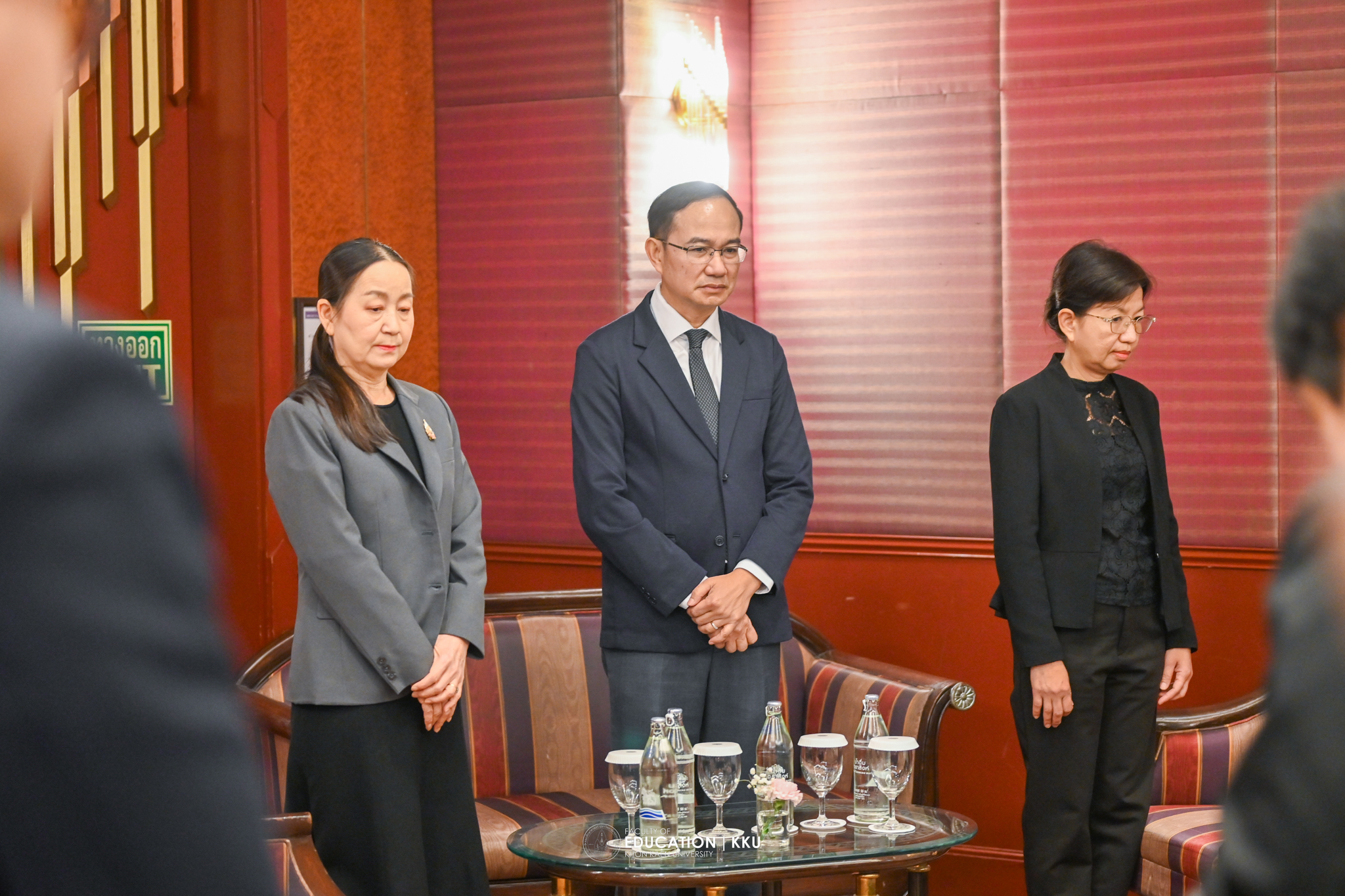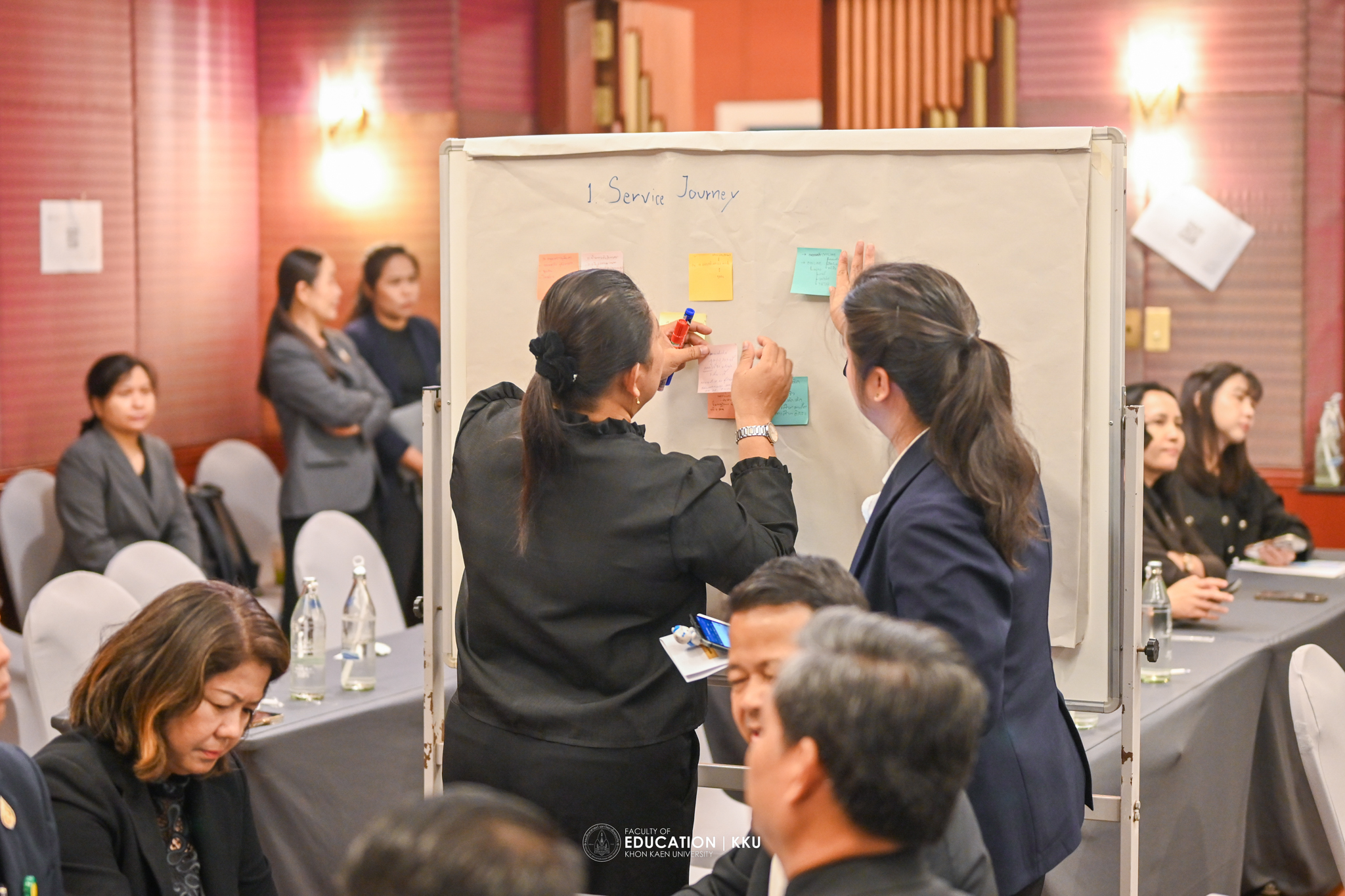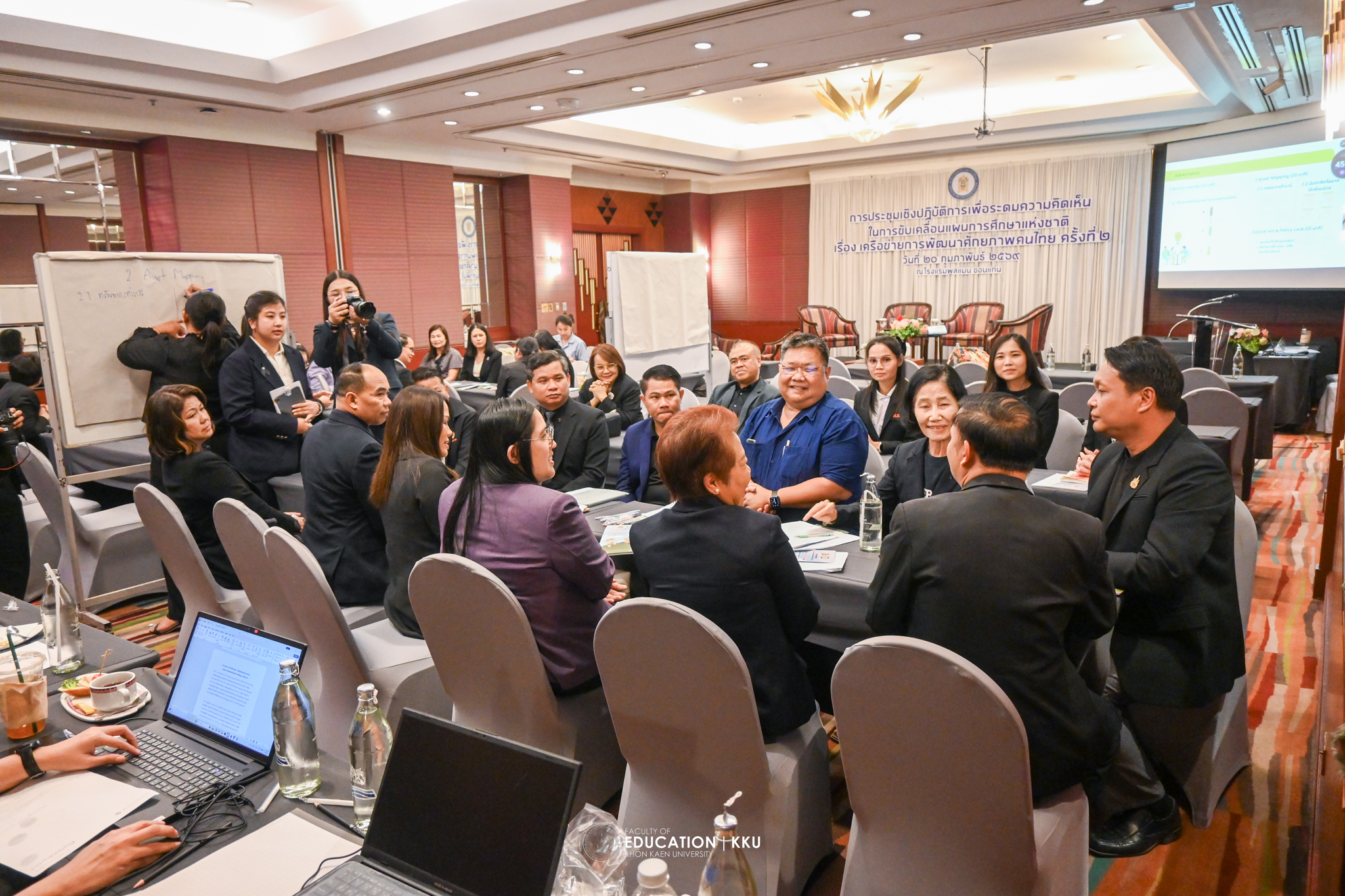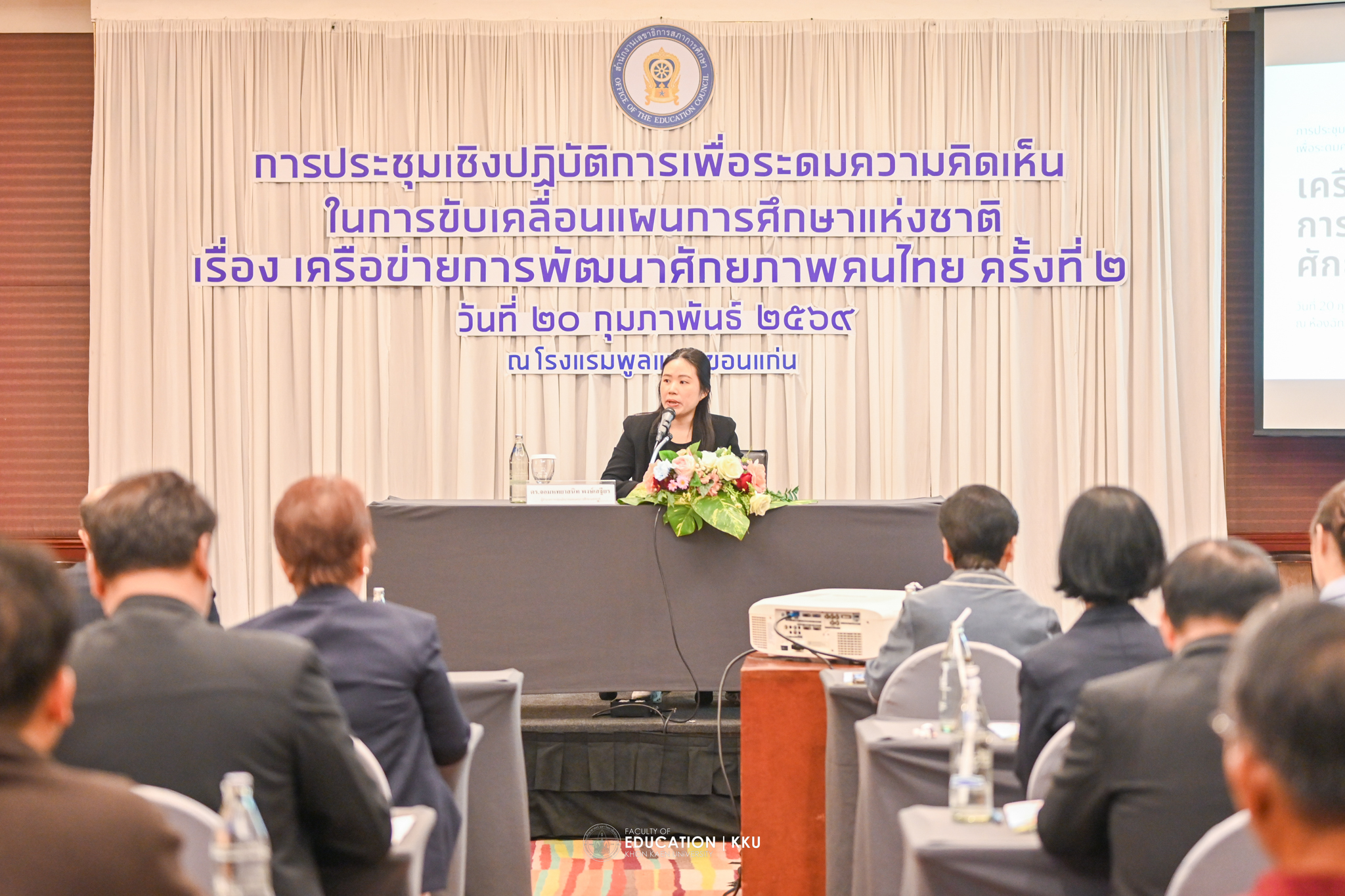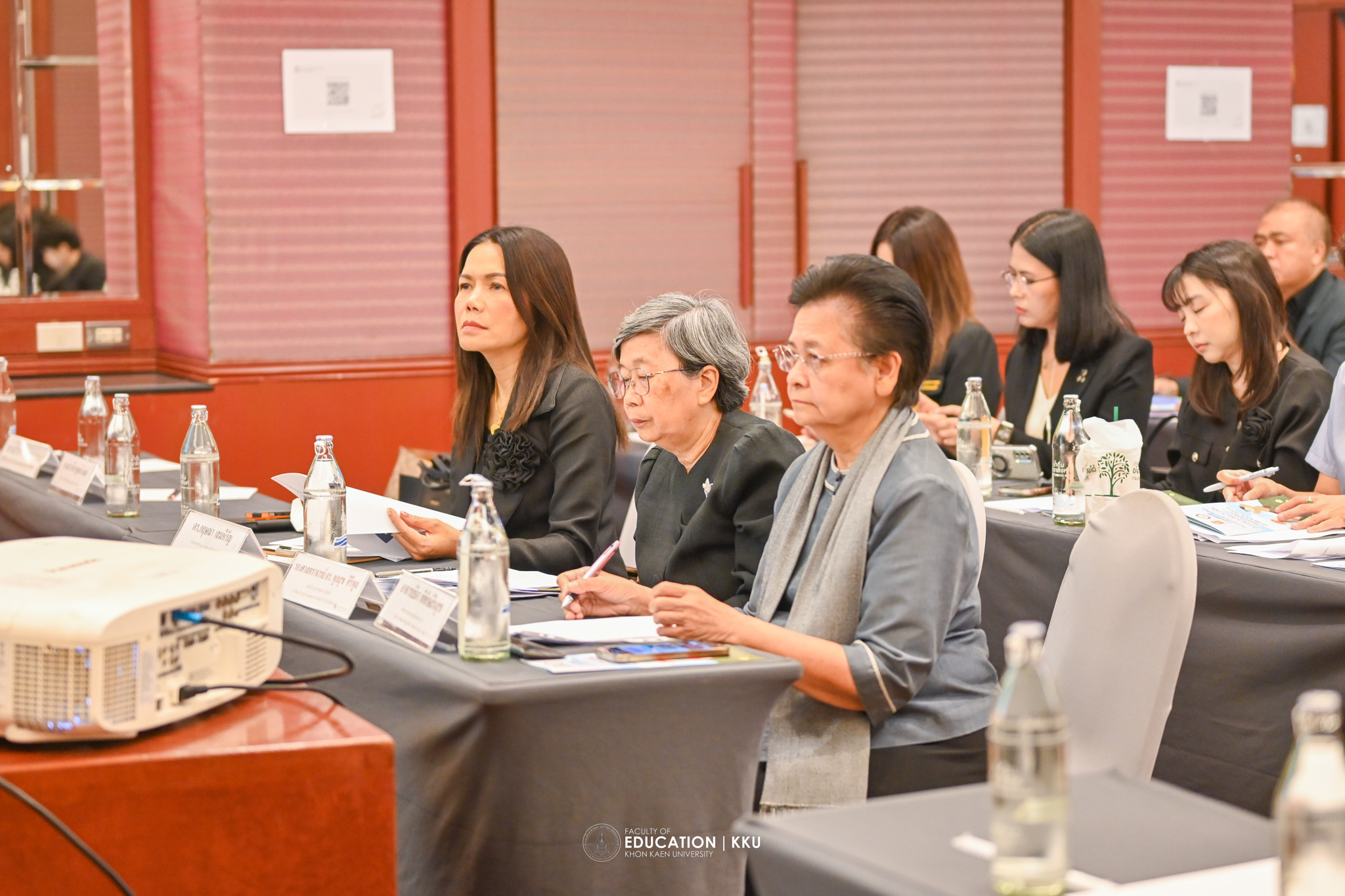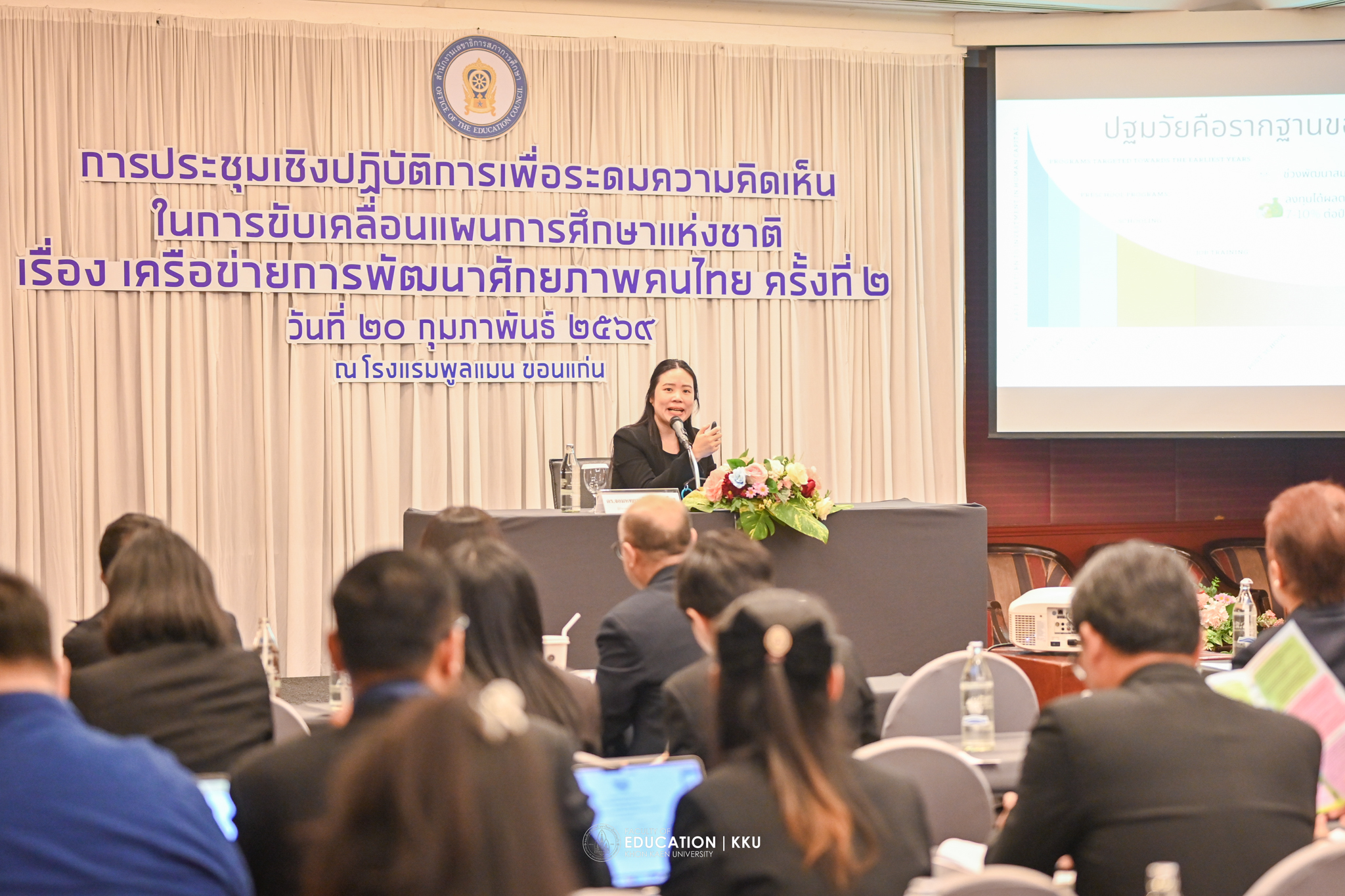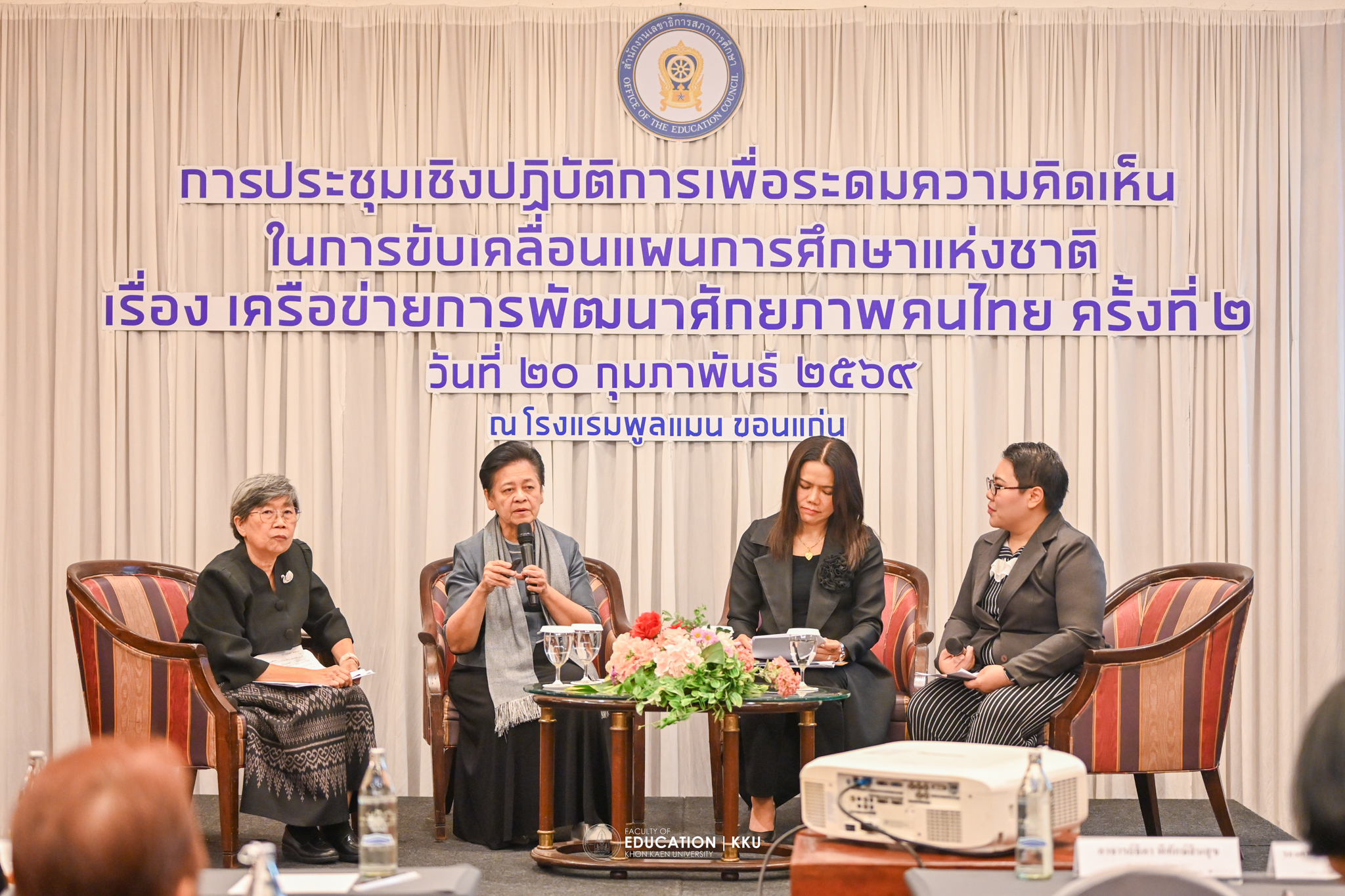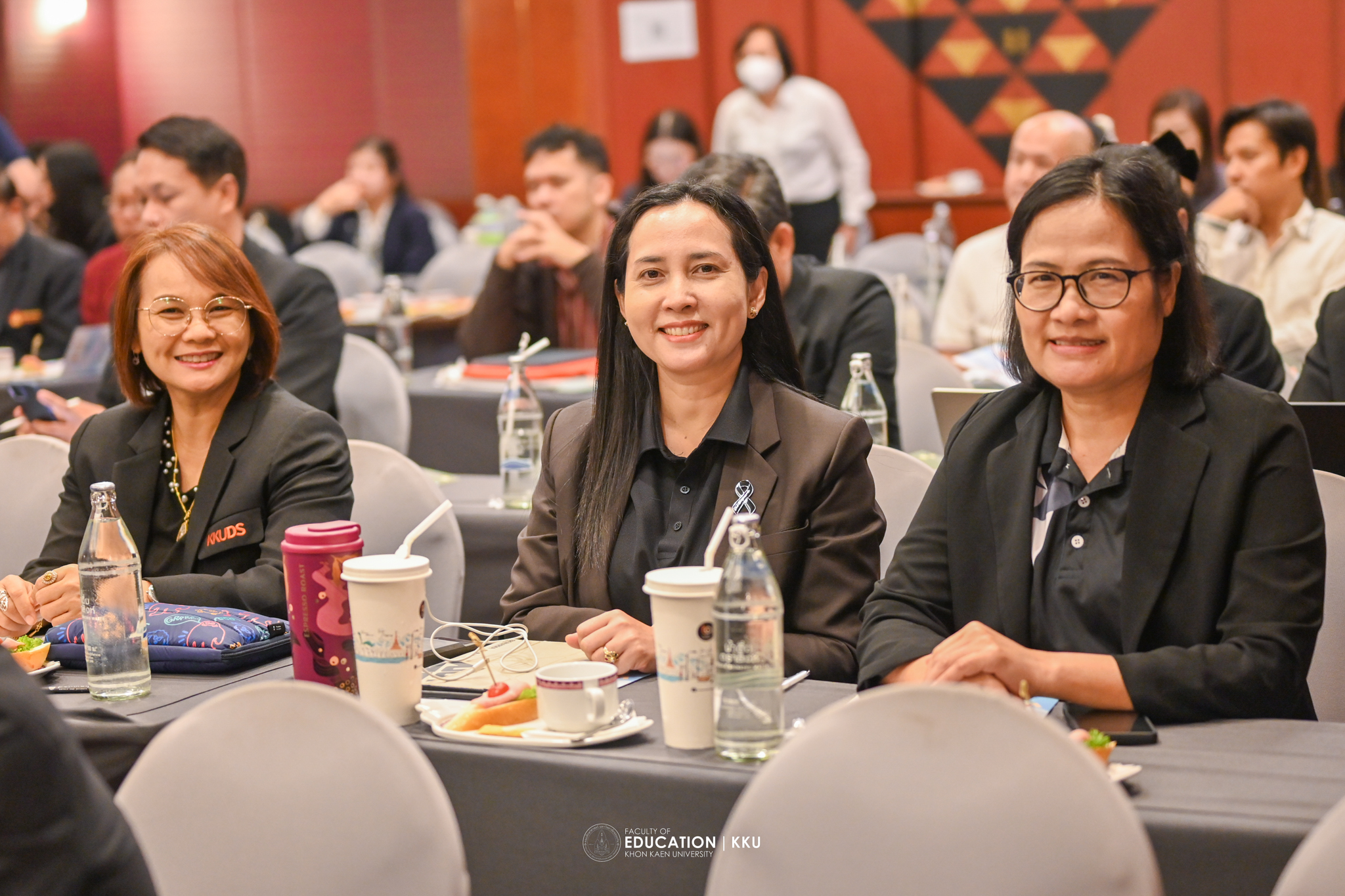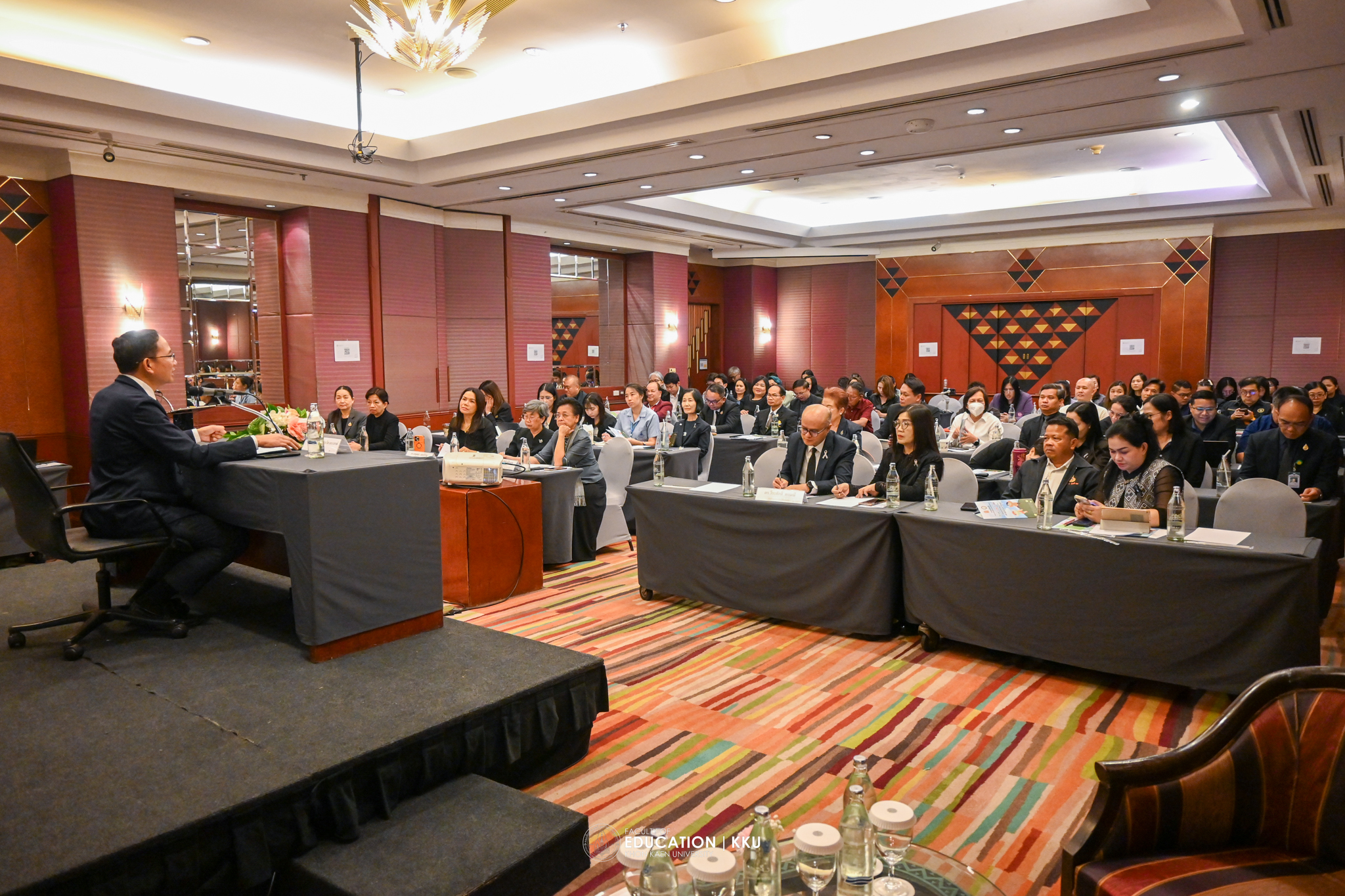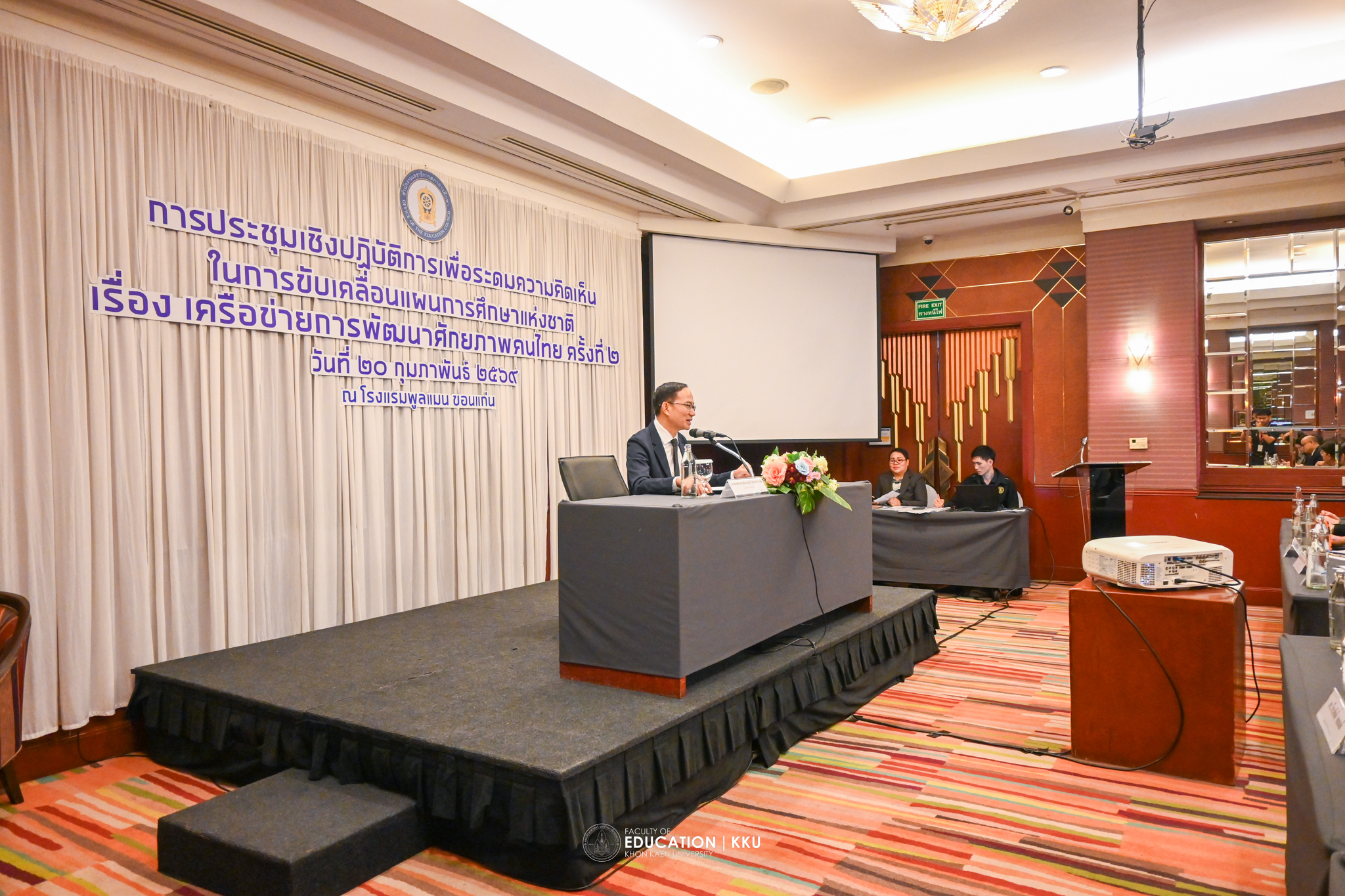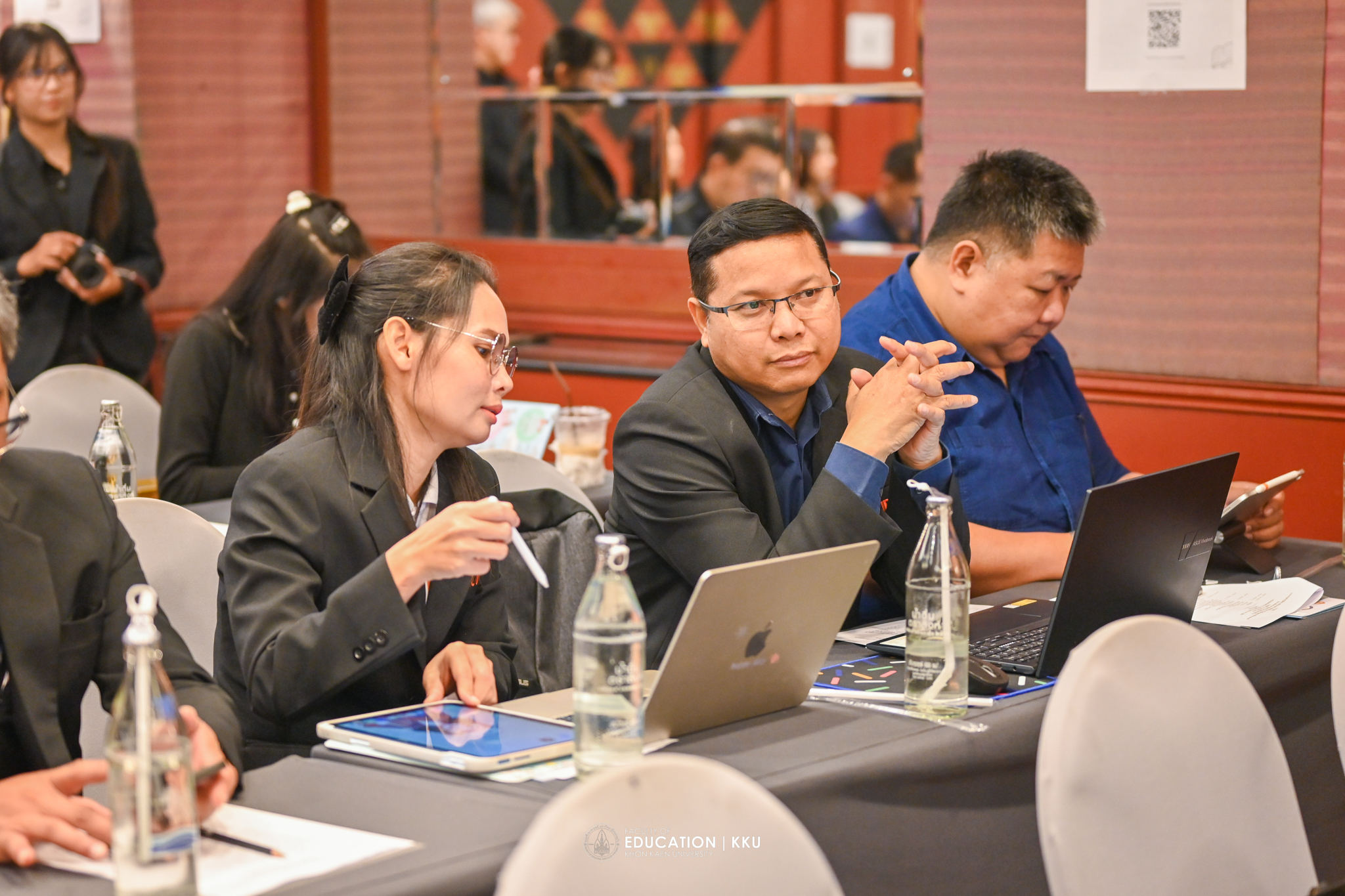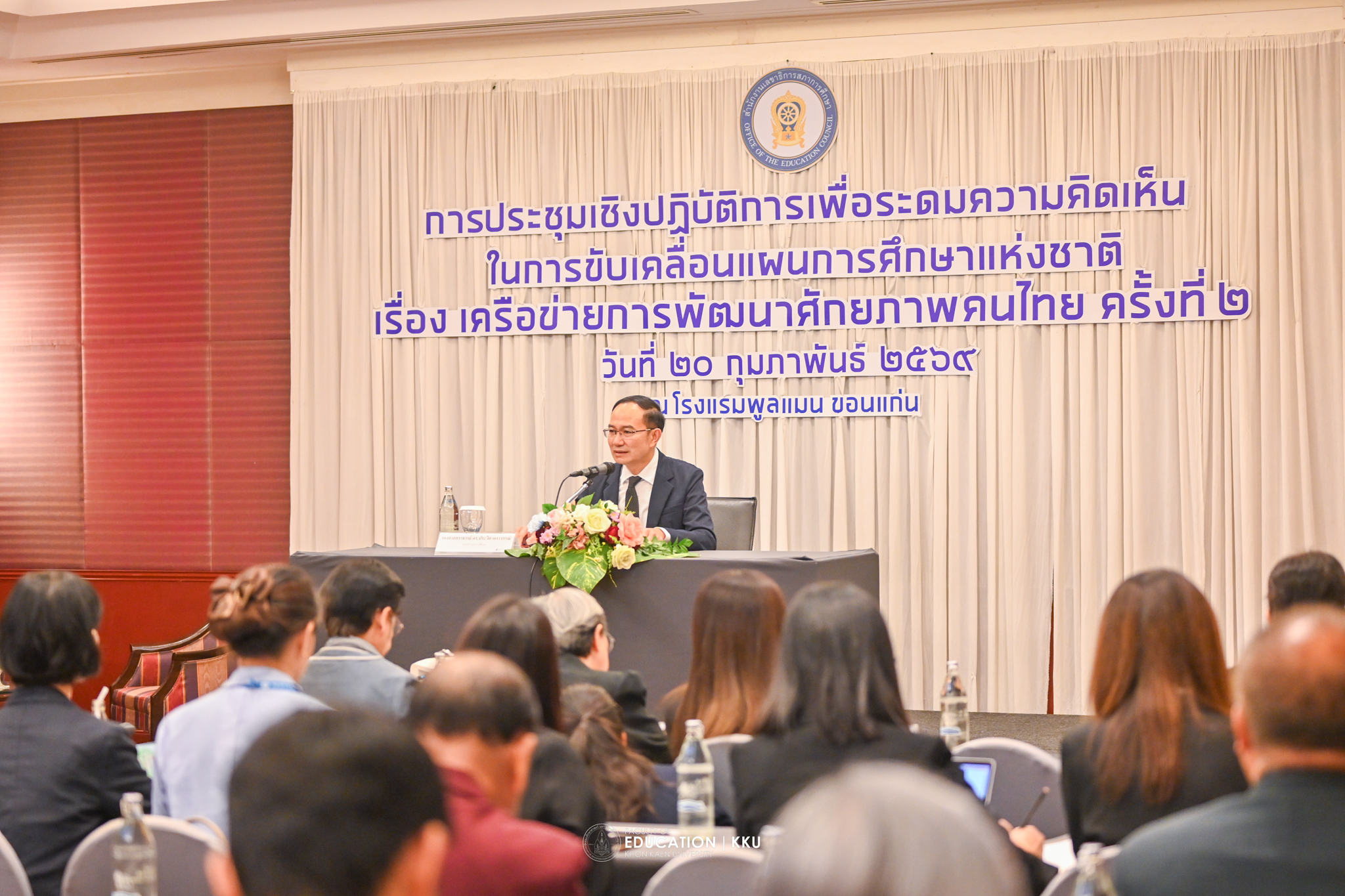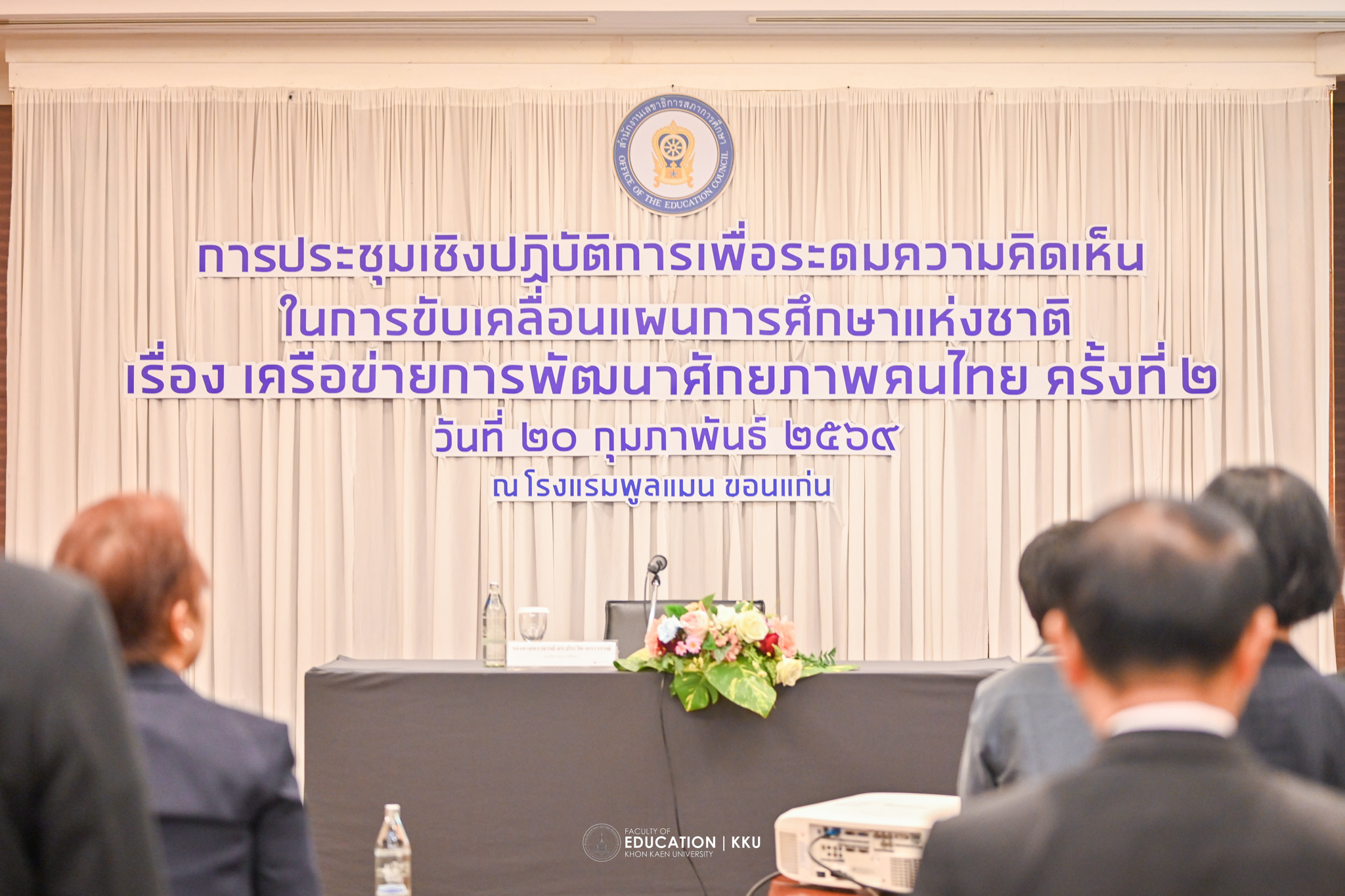

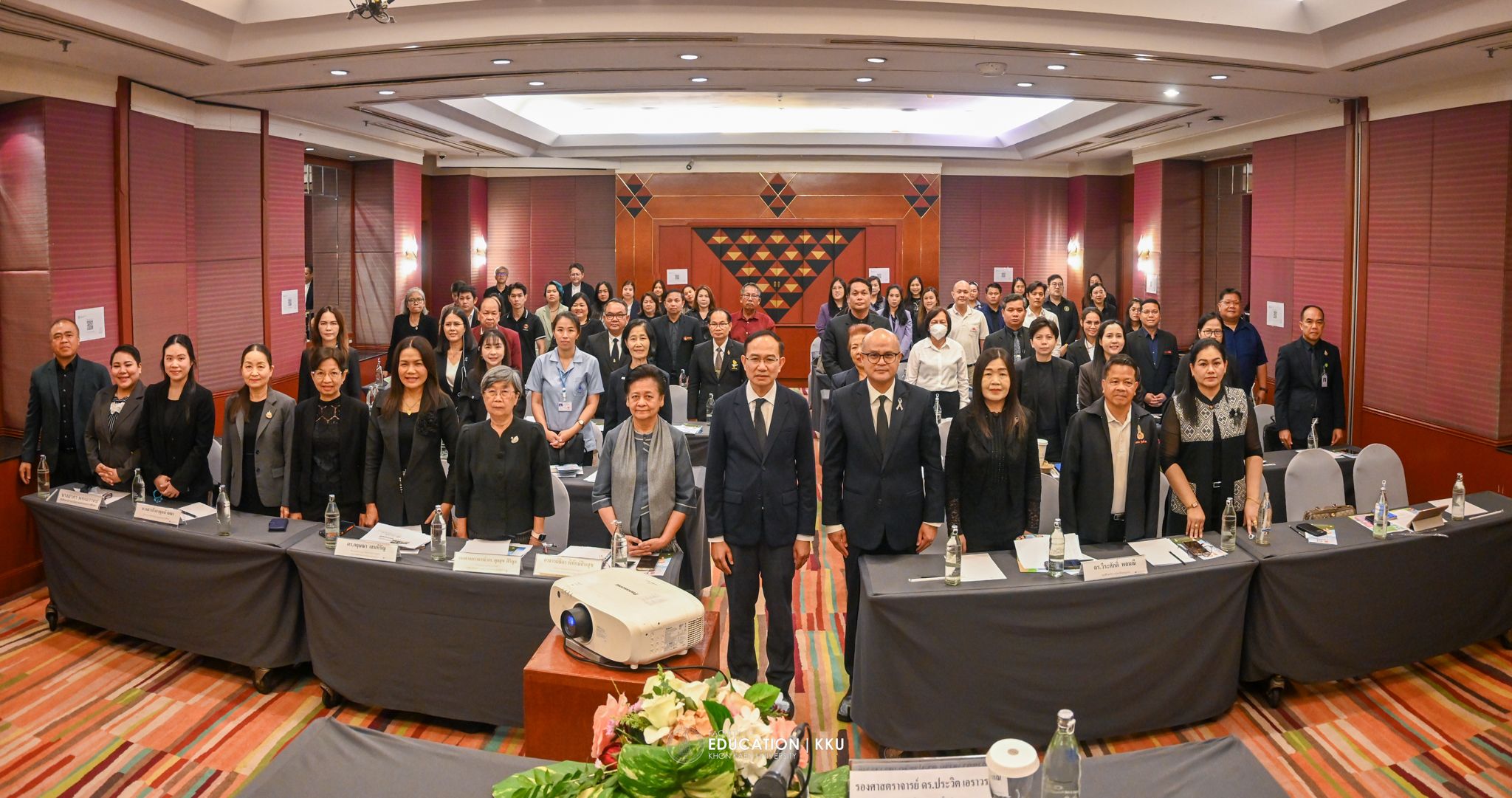
Khon Kaen, 20 February 2026 – The Faculty of Education, Khon Kaen University (KKU), participated in a strategic workshop to advance the National Education Plan under the theme “Network for Thai Human Capacity Development” (2nd Edition). The event was held at the Chatthan Room, G Floor, Pullman Khon Kaen Raja Orchid Hotel, Khon Kaen Province, and served as a platform to shape the future direction of Thailand’s education system.
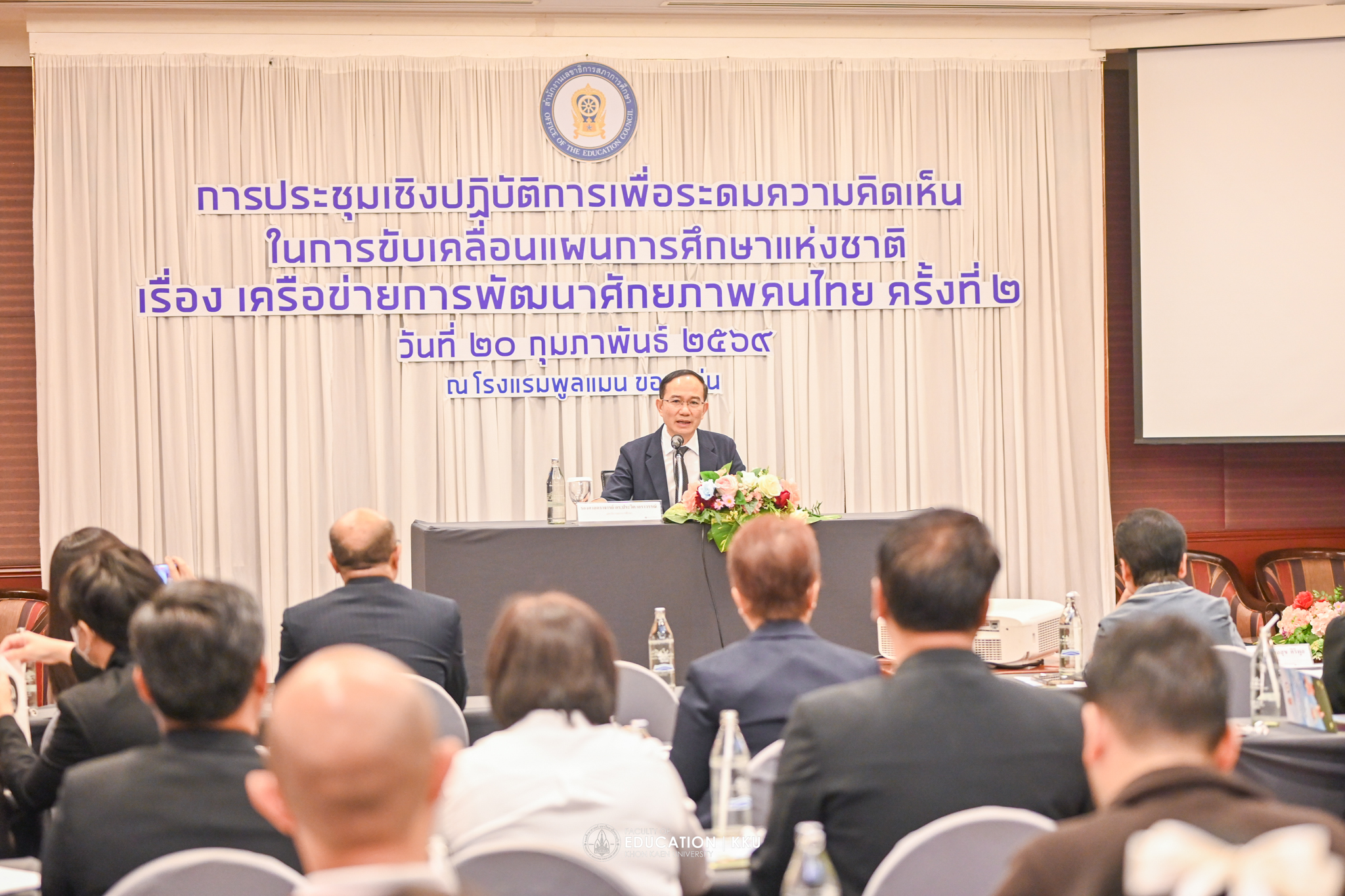
Associate Professor Dr. Pravit Erawan, Secretary-General of the Education Council, presided over the opening ceremony and delivered a keynote address on the strategic direction of Thai education. He emphasised the urgency of preparing the national education system to meet international standards and to support the assessment process for Thailand’s accession to the Organisation for Economic Co-operation and Development (OECD), which functions as a comprehensive “health check” for the country’s education system.
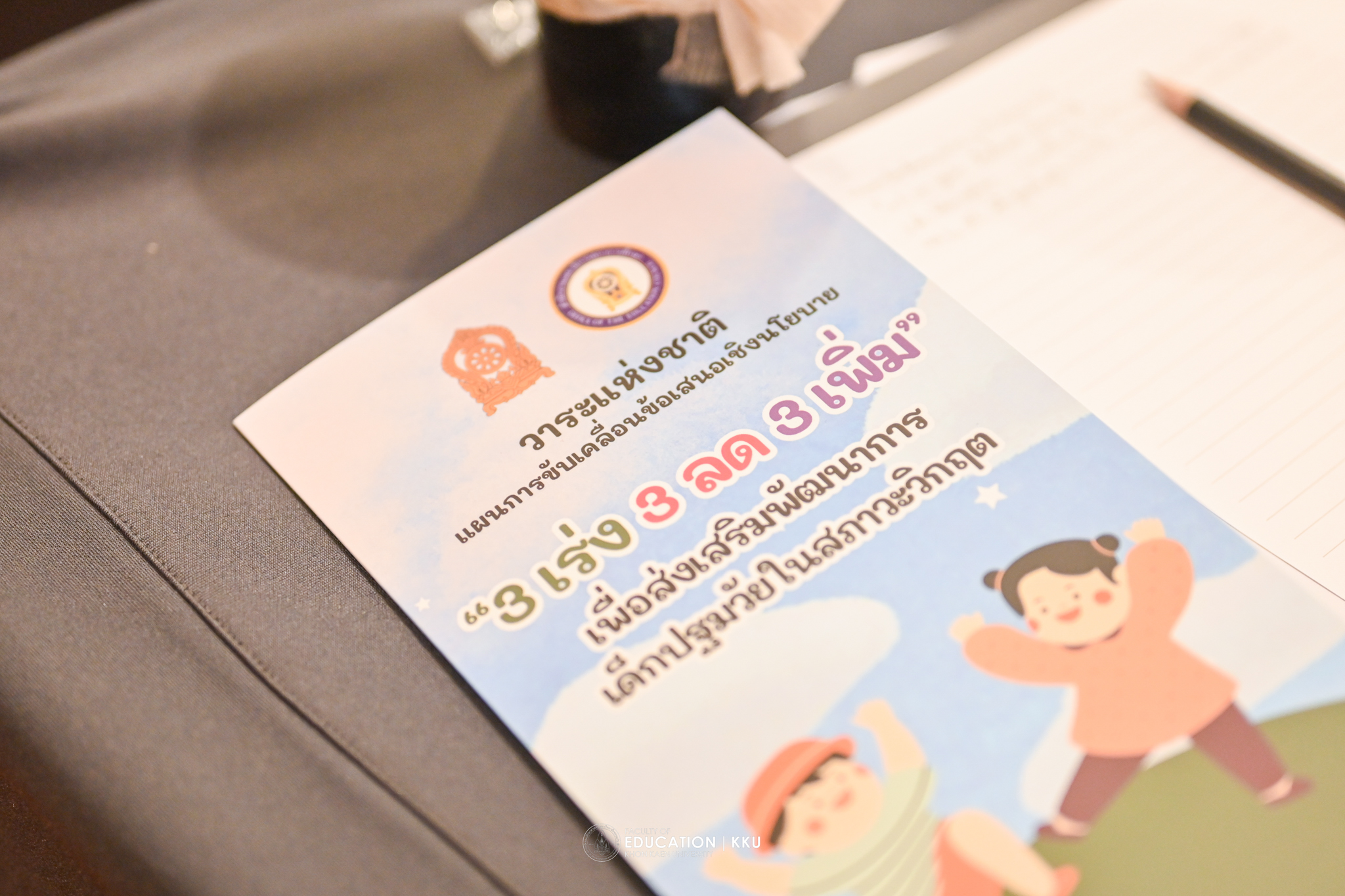
Empirical data on the global stage indicates that the most worthwhile and foundational investment for enhancing competitiveness is early childhood and vocational education, as evidenced by the successes of South Korea and Vietnam. Therefore, despite continuous improvements, Thailand must accelerate its development to keep pace with competitors. Additionally, the Office of the Education Council (OEC) is moving forward with a new draft of the National Education Act, designed to reduce redundancies and establish a practical system structure. The policy formulation will highly rely on evidence-based data gathered from the genuine voices of practitioners and local networks.

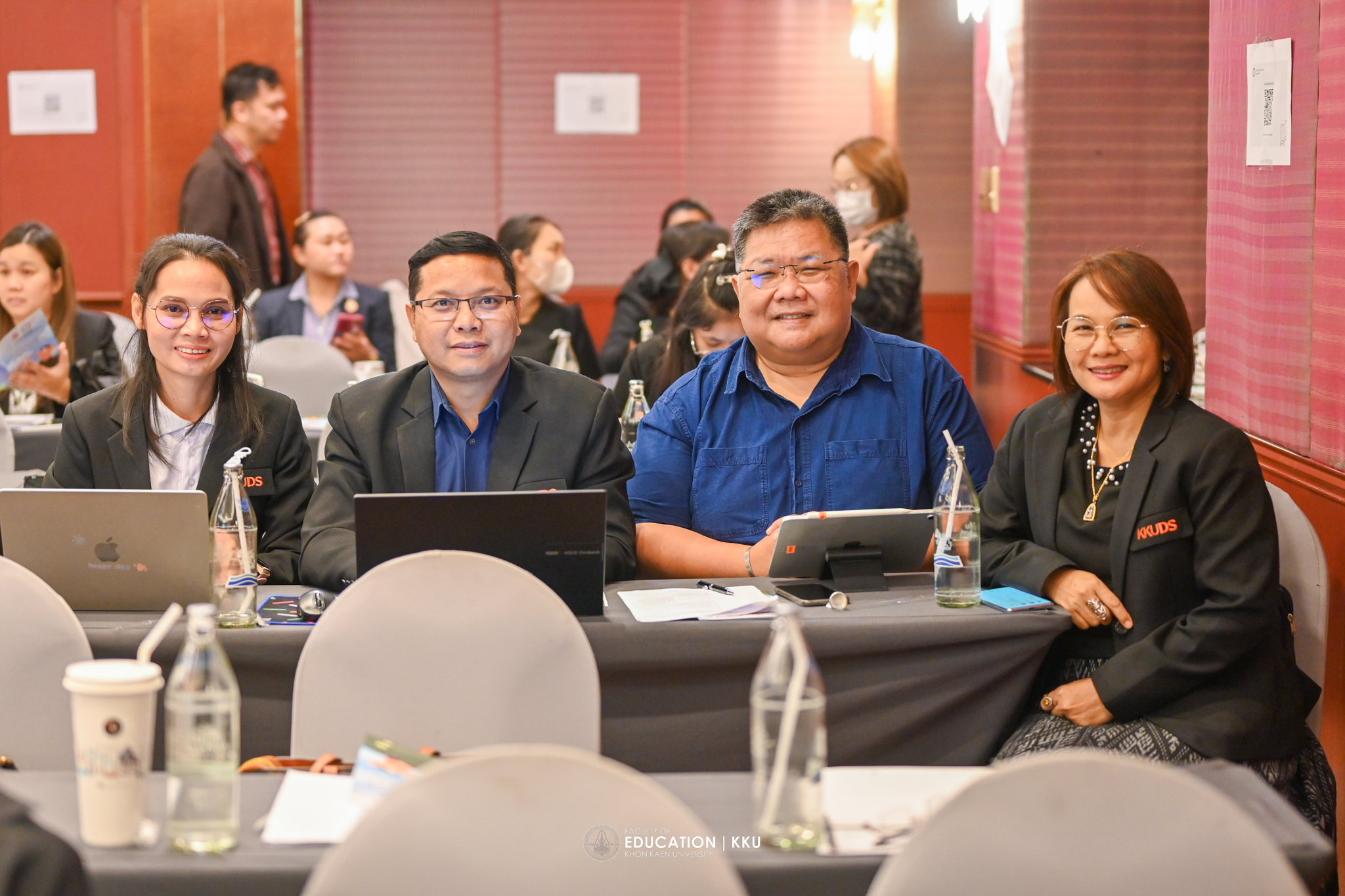
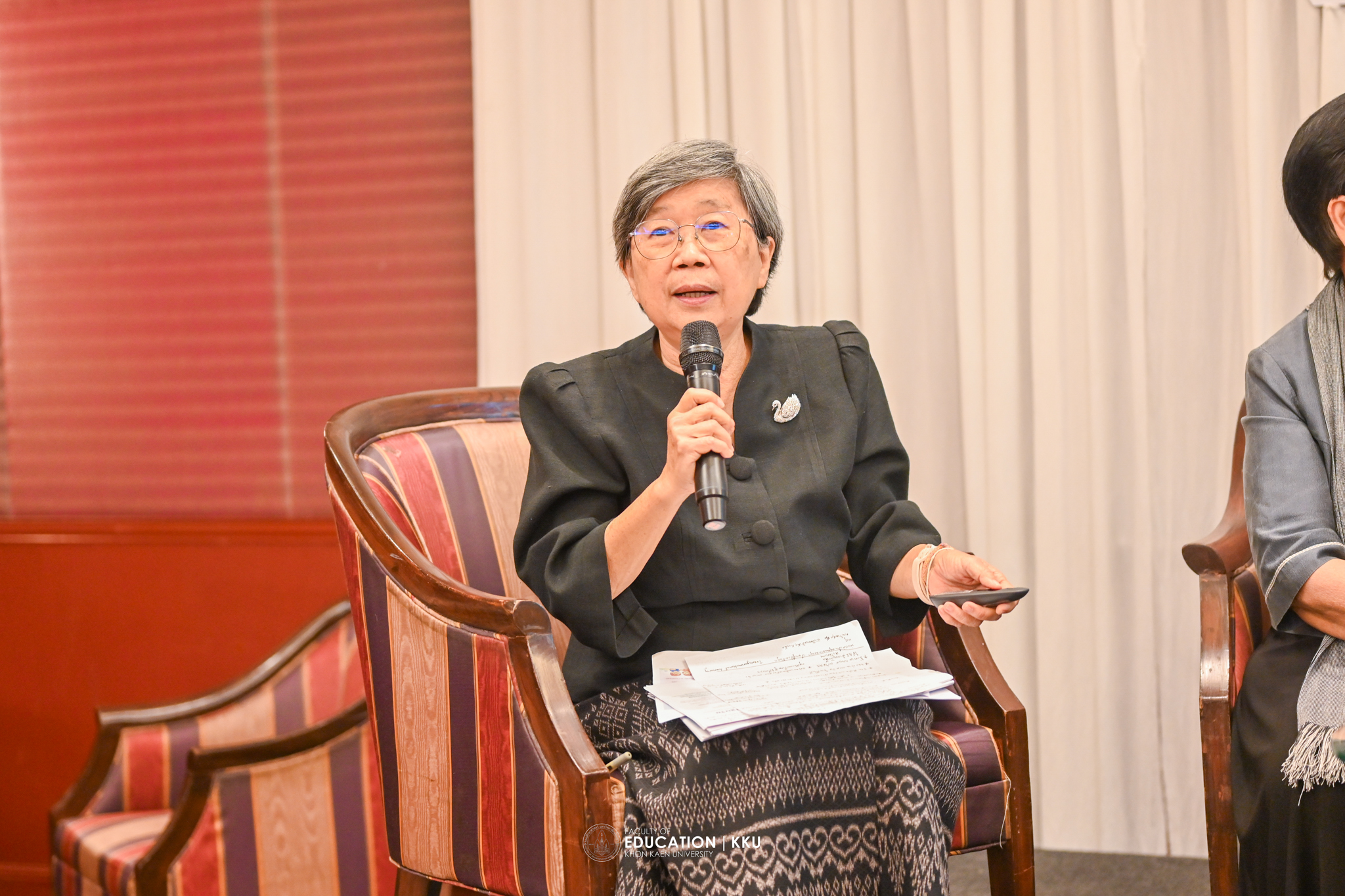
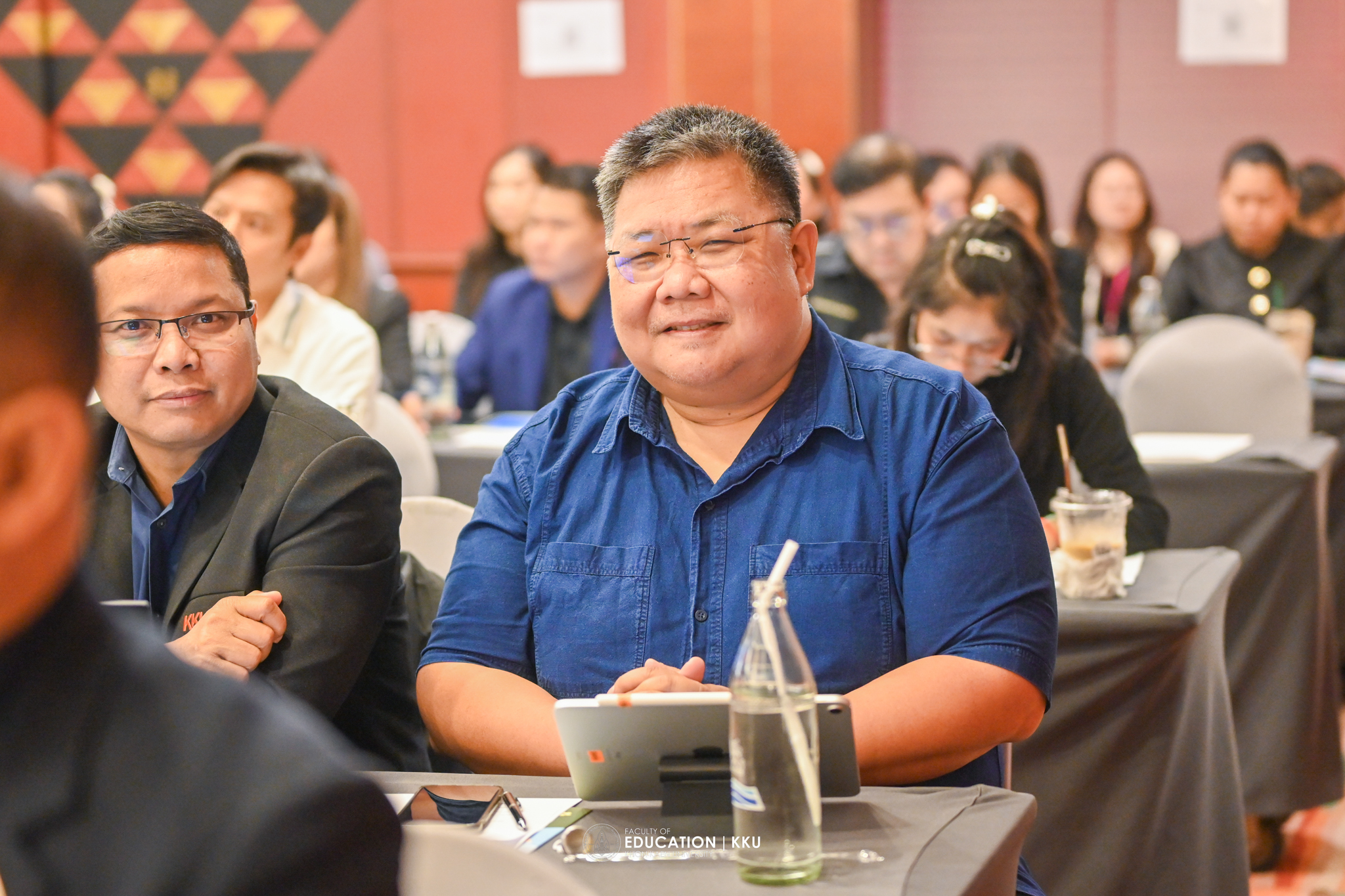
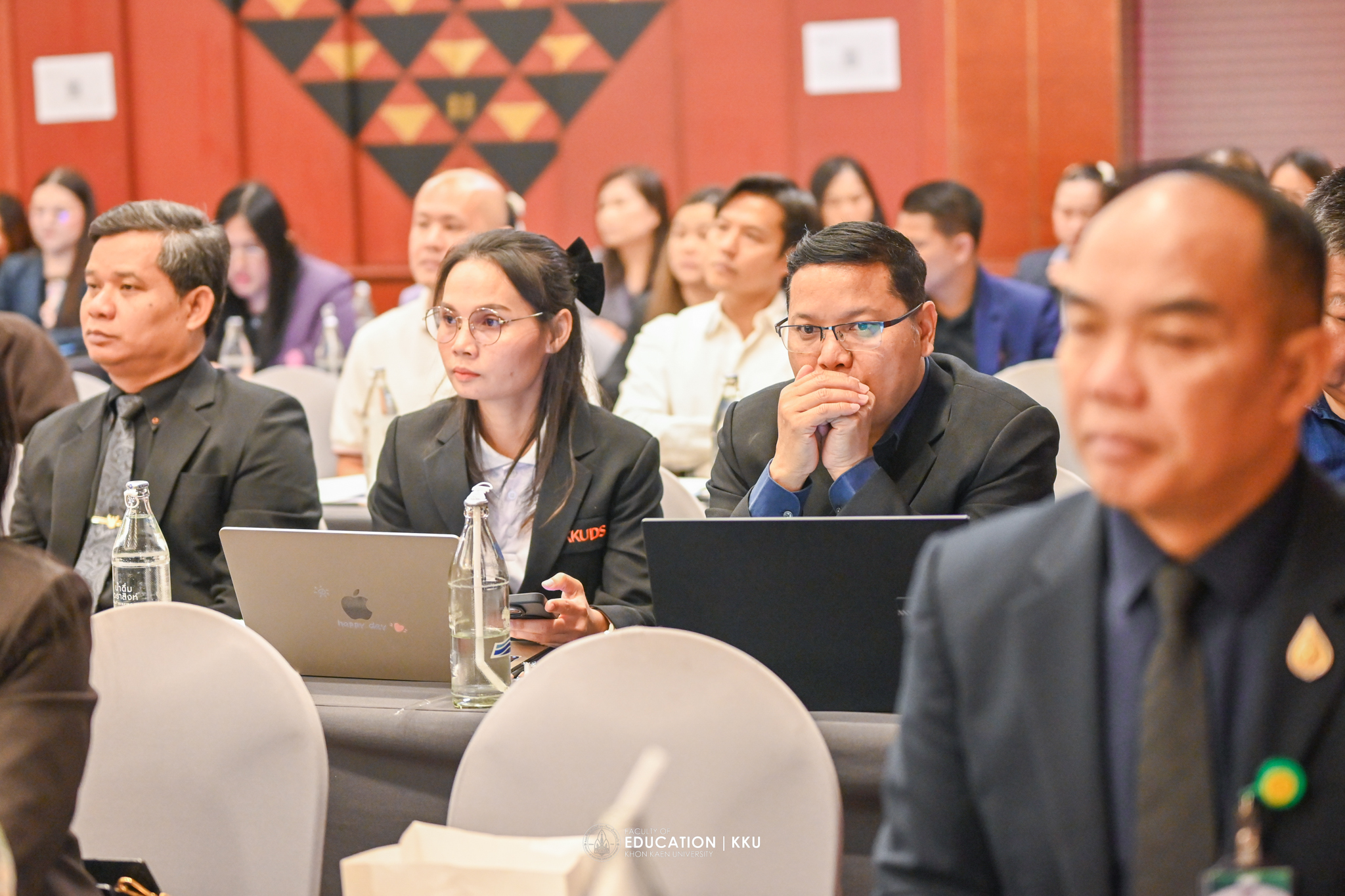
In alignment with this discussion forum, Assoc. Prof. Issara Kanjug, Ph.D., Dean of the Faculty of Education, assigned Asst. Prof. Siribhong Bhiasiri, Ph.D., Assistant Dean for Administration and Corporate Communication, as the faculty’s representative. He was joined by teachers from the Demonstration School of Khon Kaen University. During the session, Asst. Prof. Siribhong reflected on a critical structural issue: academics and university professors in regional areas still face limitations regarding their “voice,” which often does not carry the same weight or reach the policy level as effectively as those in the central region (Bangkok). Consequently, deep-rooted local issues and realities are often not adequately recognized or addressed at the national policy level.
This reflection from the KKU representatives contributed valuable empirical insights, aligning closely with the workshop’s central objective of incorporating perspectives from regional administrators, institutional representatives, and stakeholders. These contributions will play an important role in advancing the National Education Plan (B.E. 2560–2579) to reduce disparities, address diverse social contexts across Thailand, and support sustainable national development.