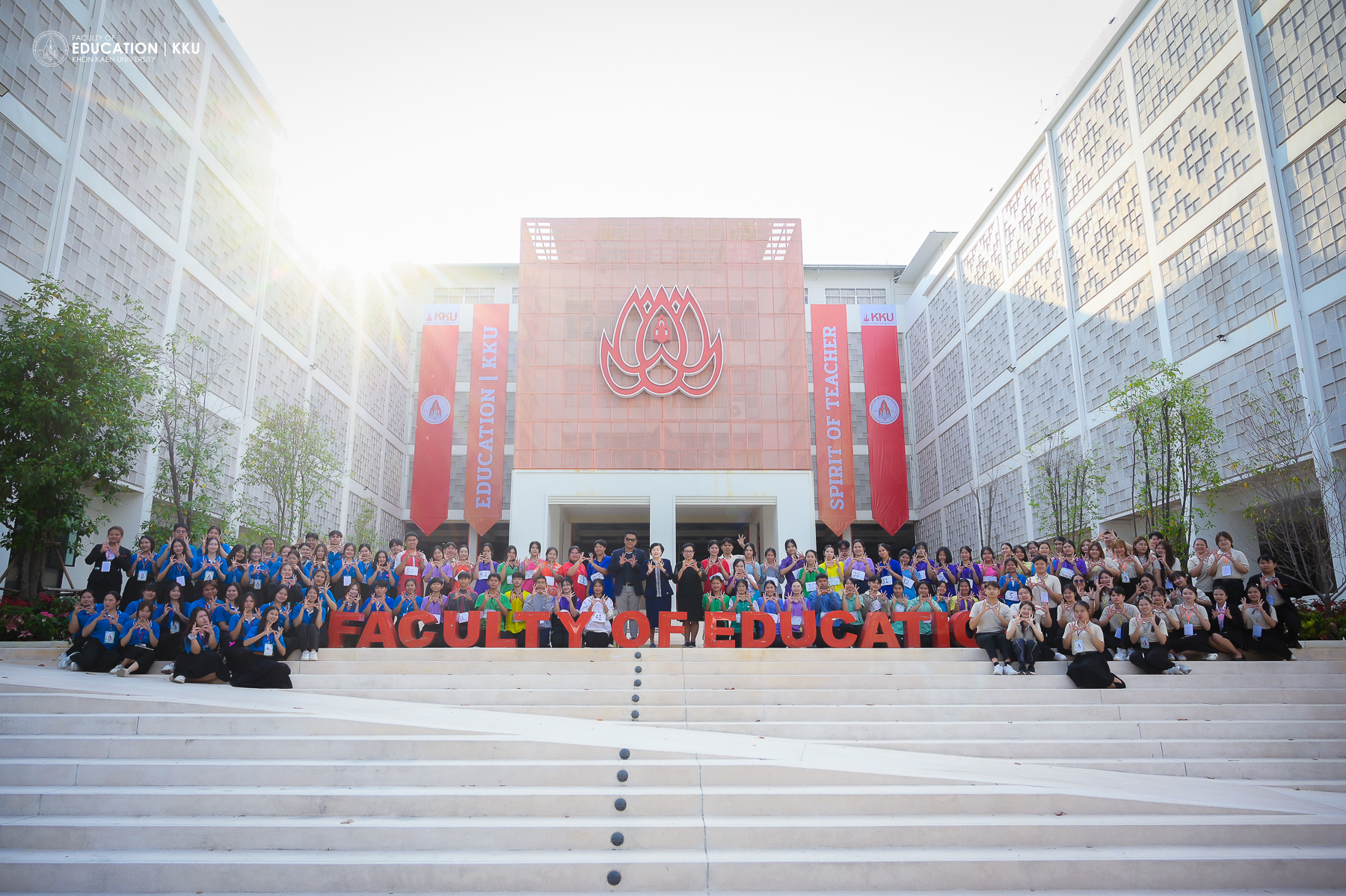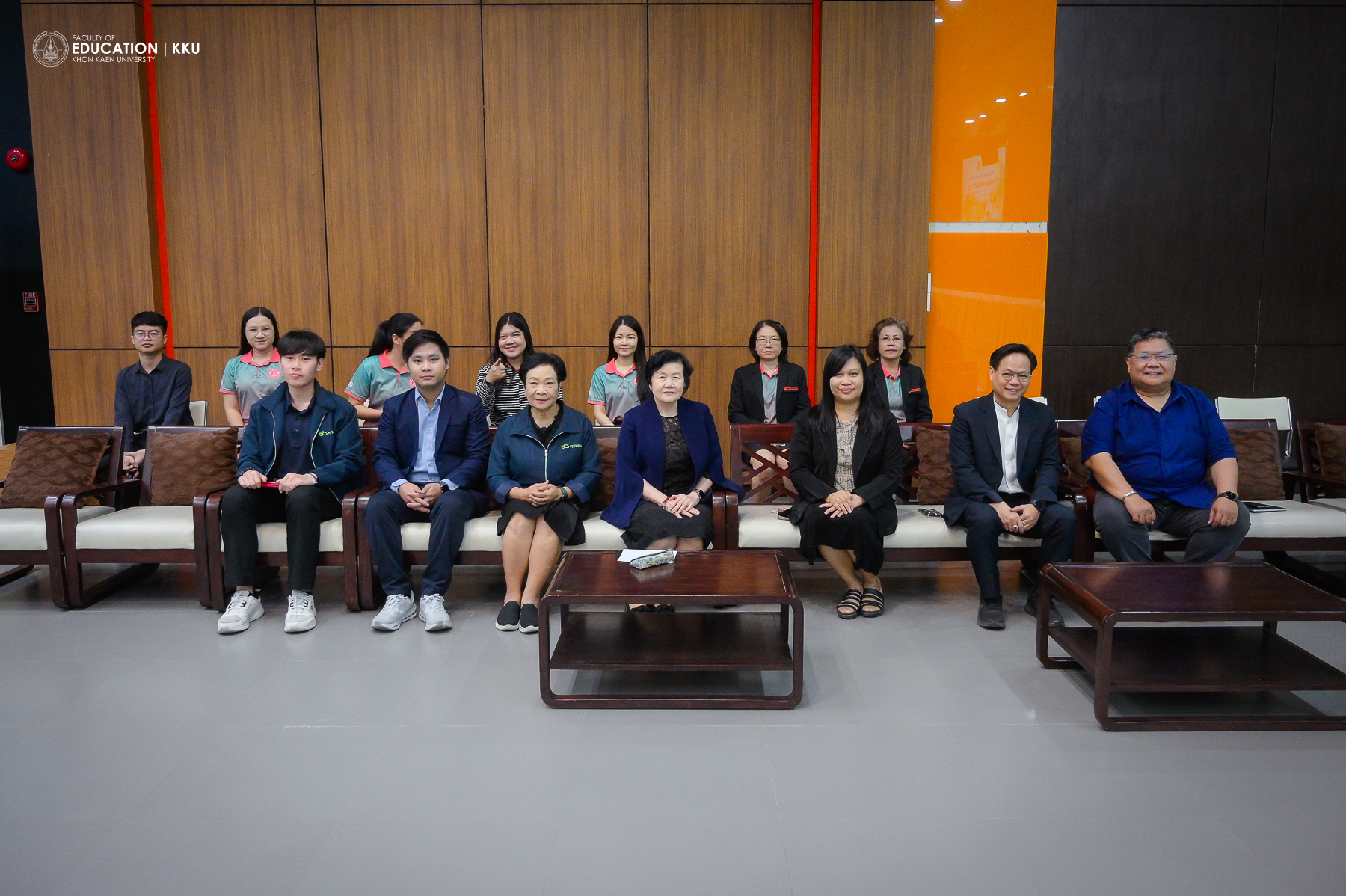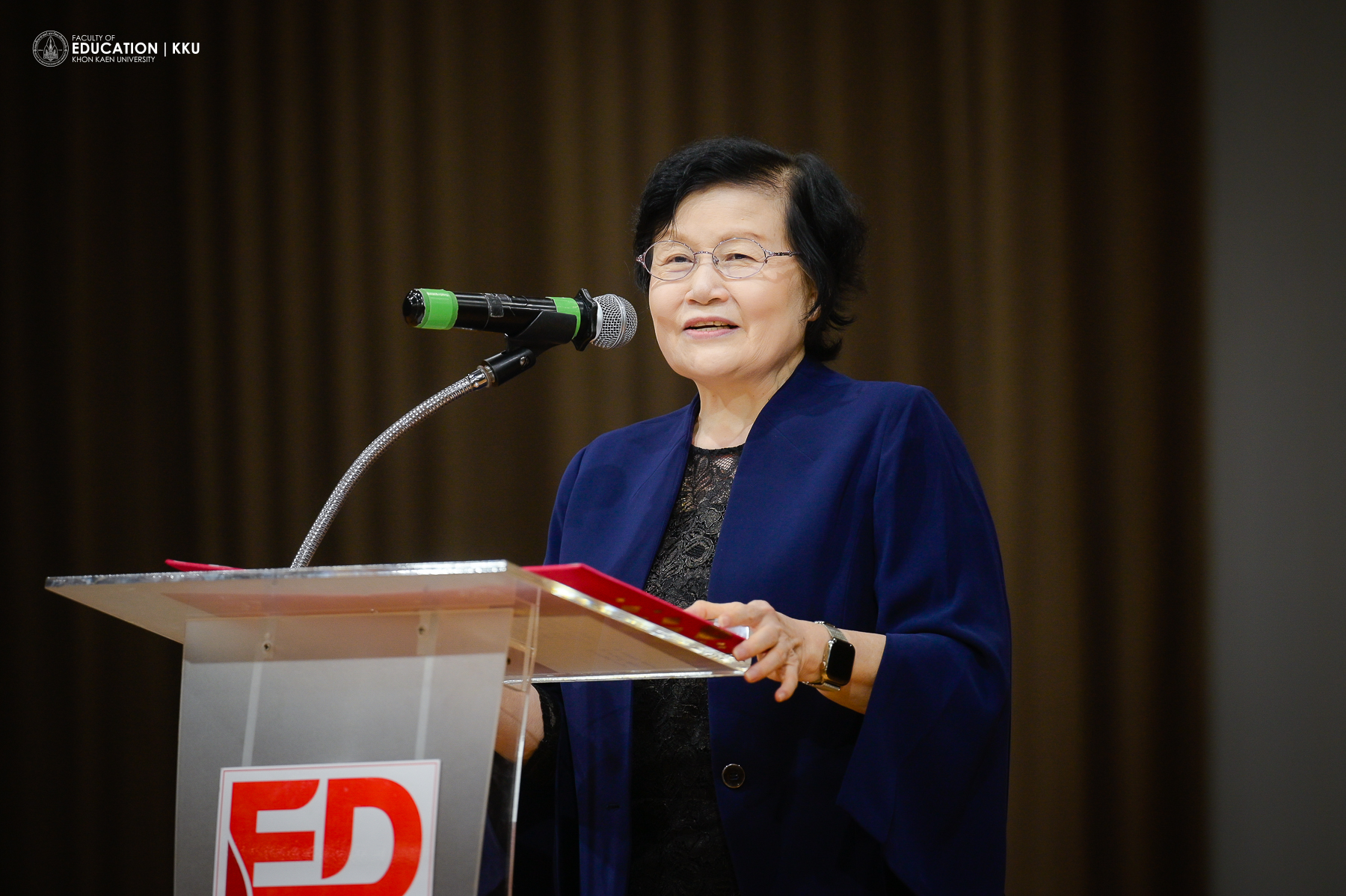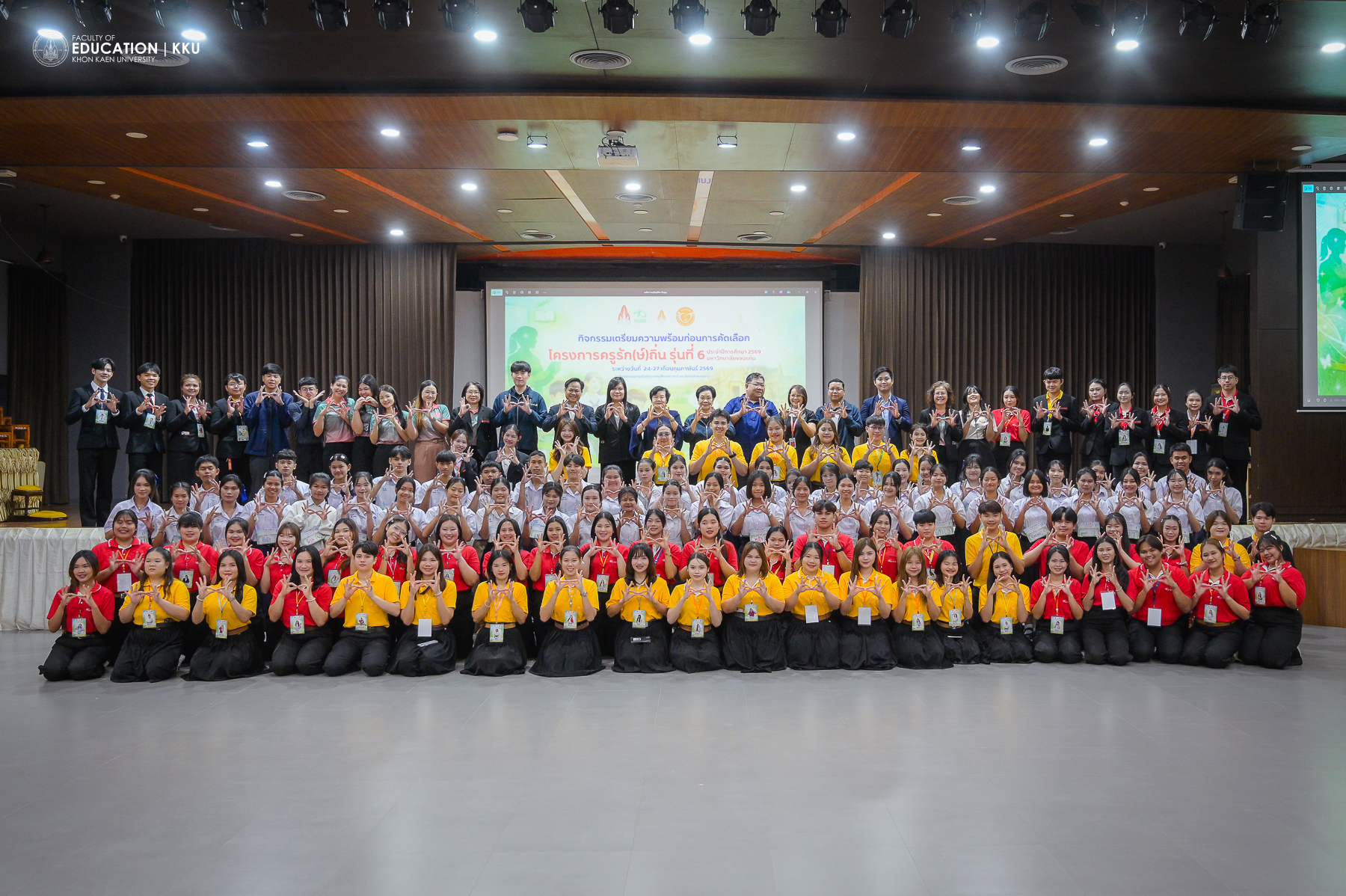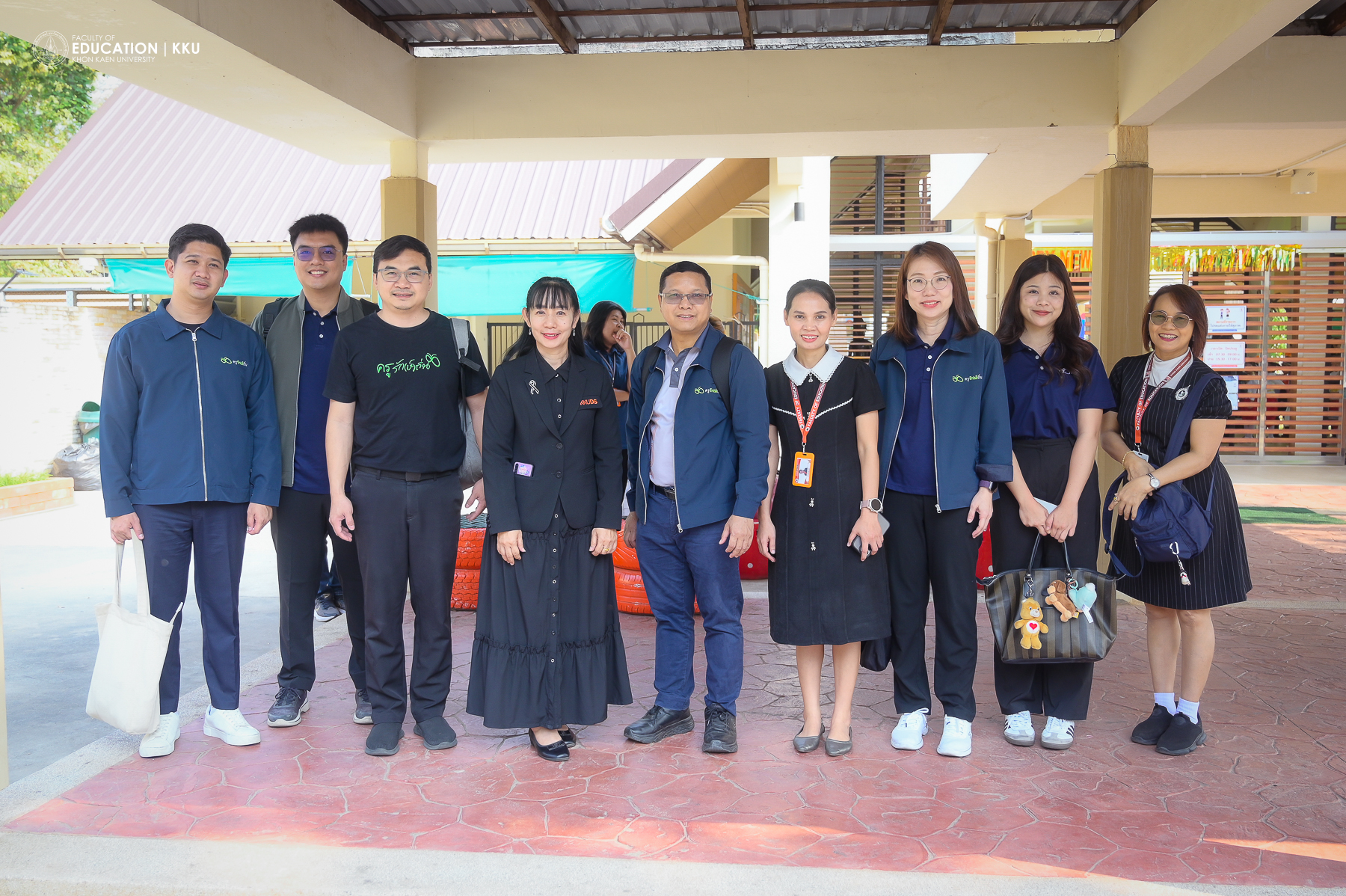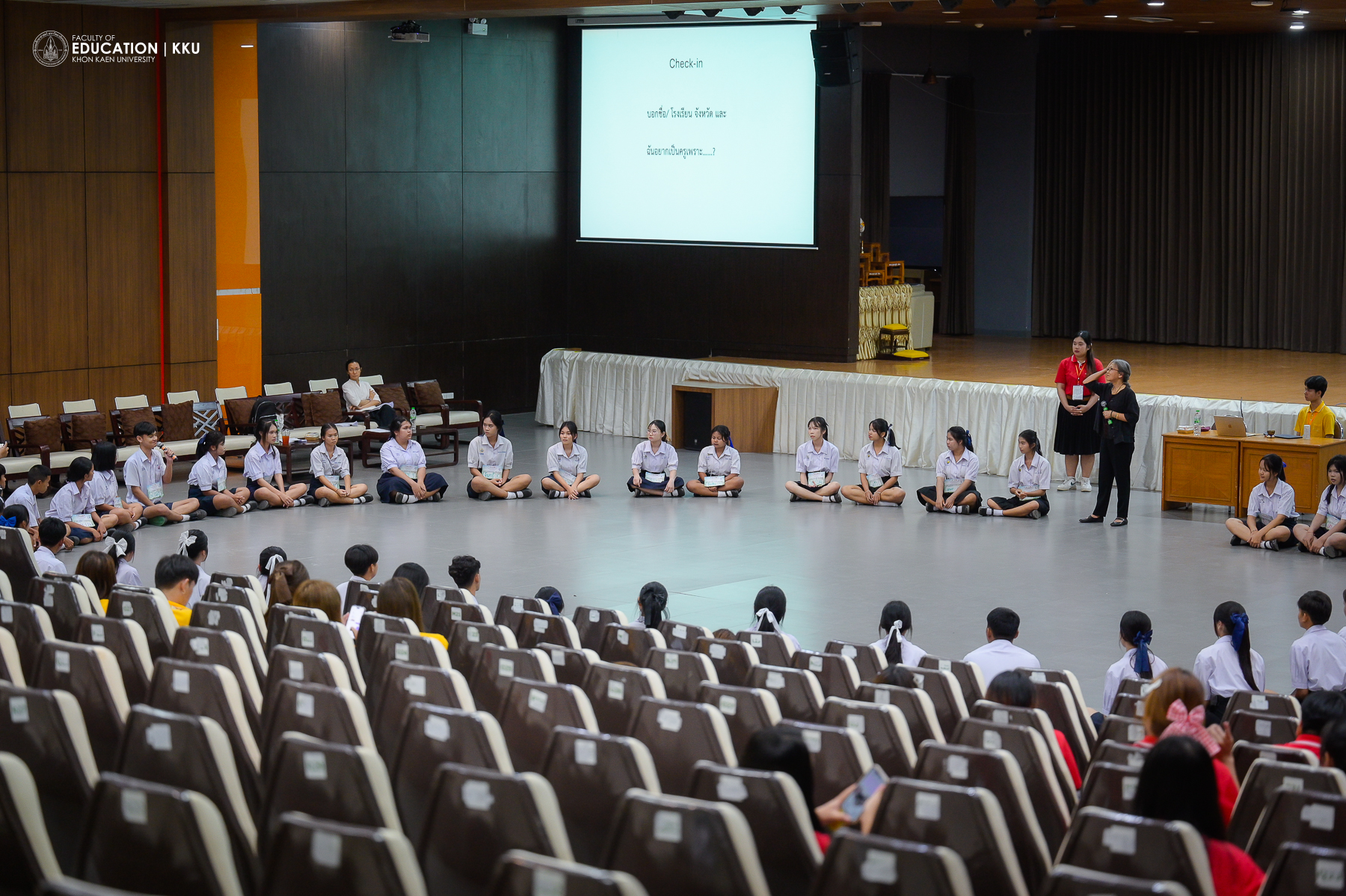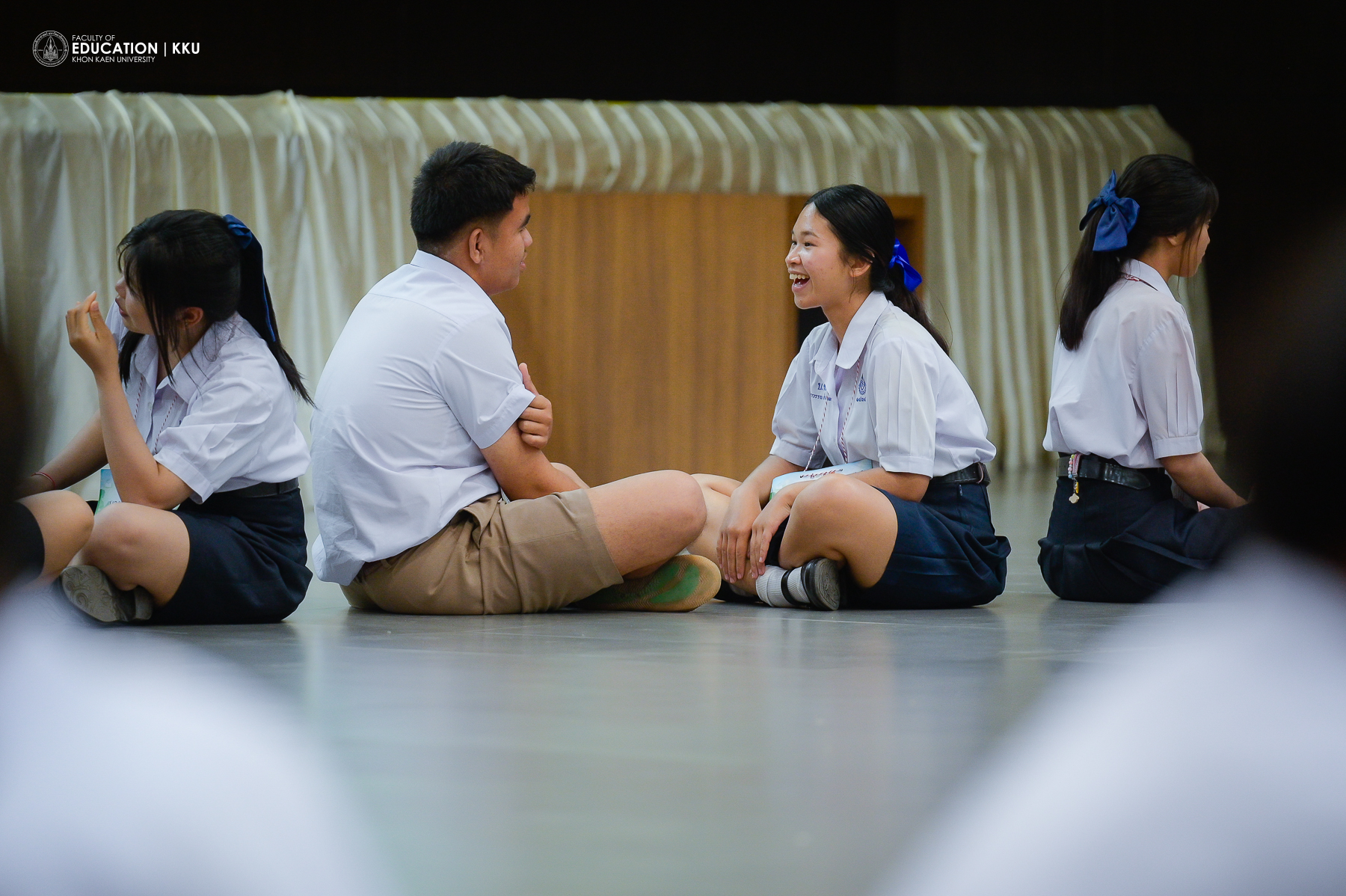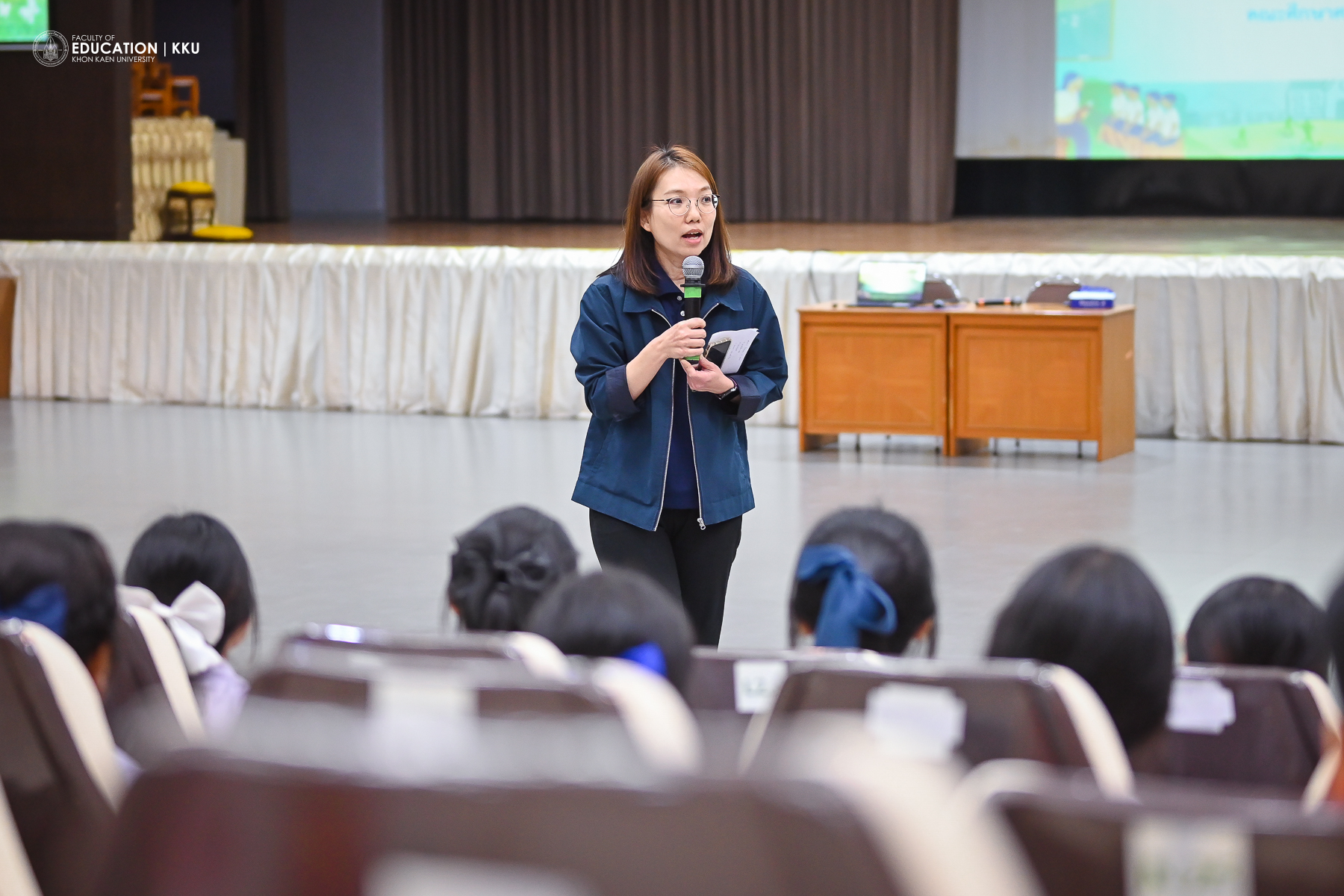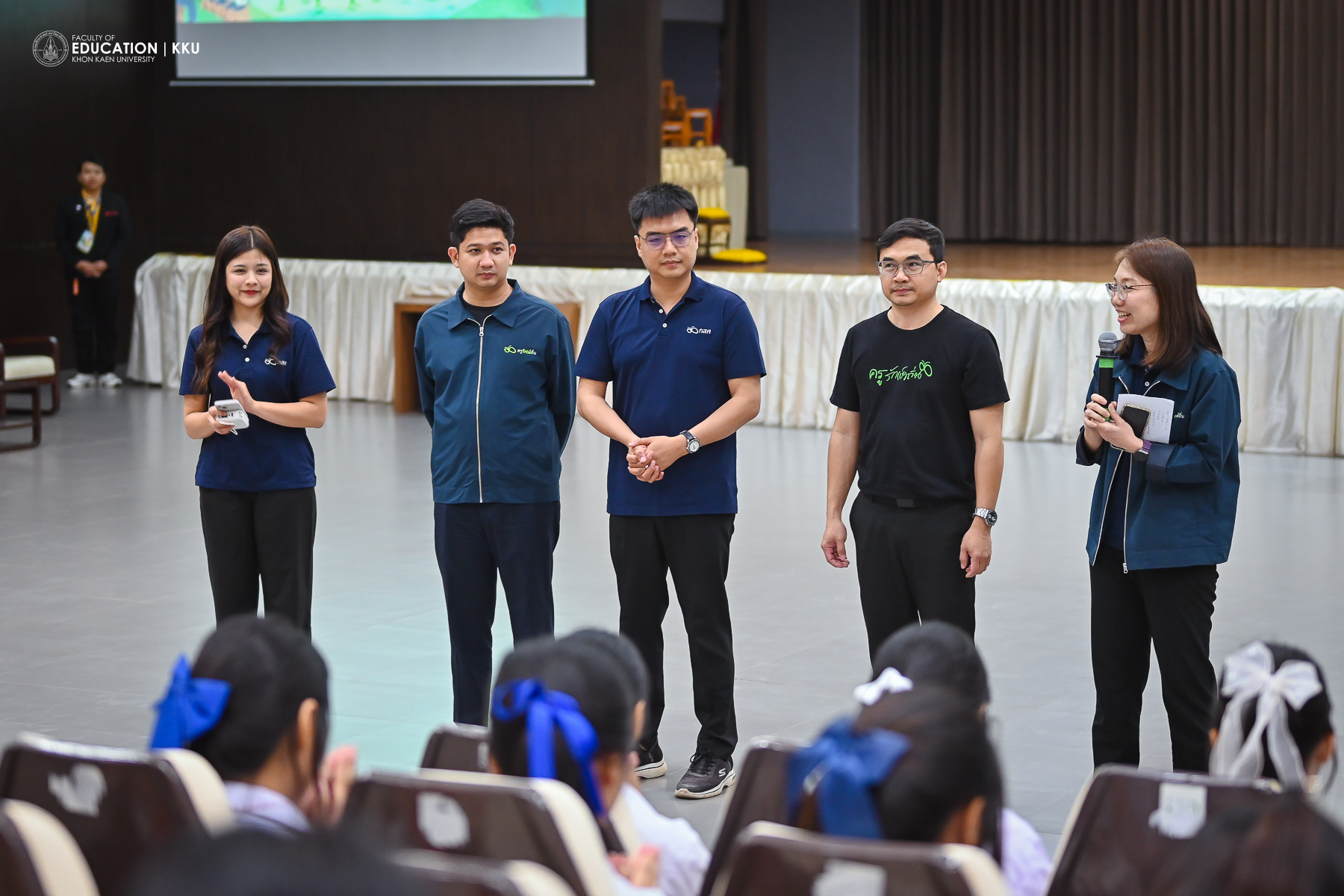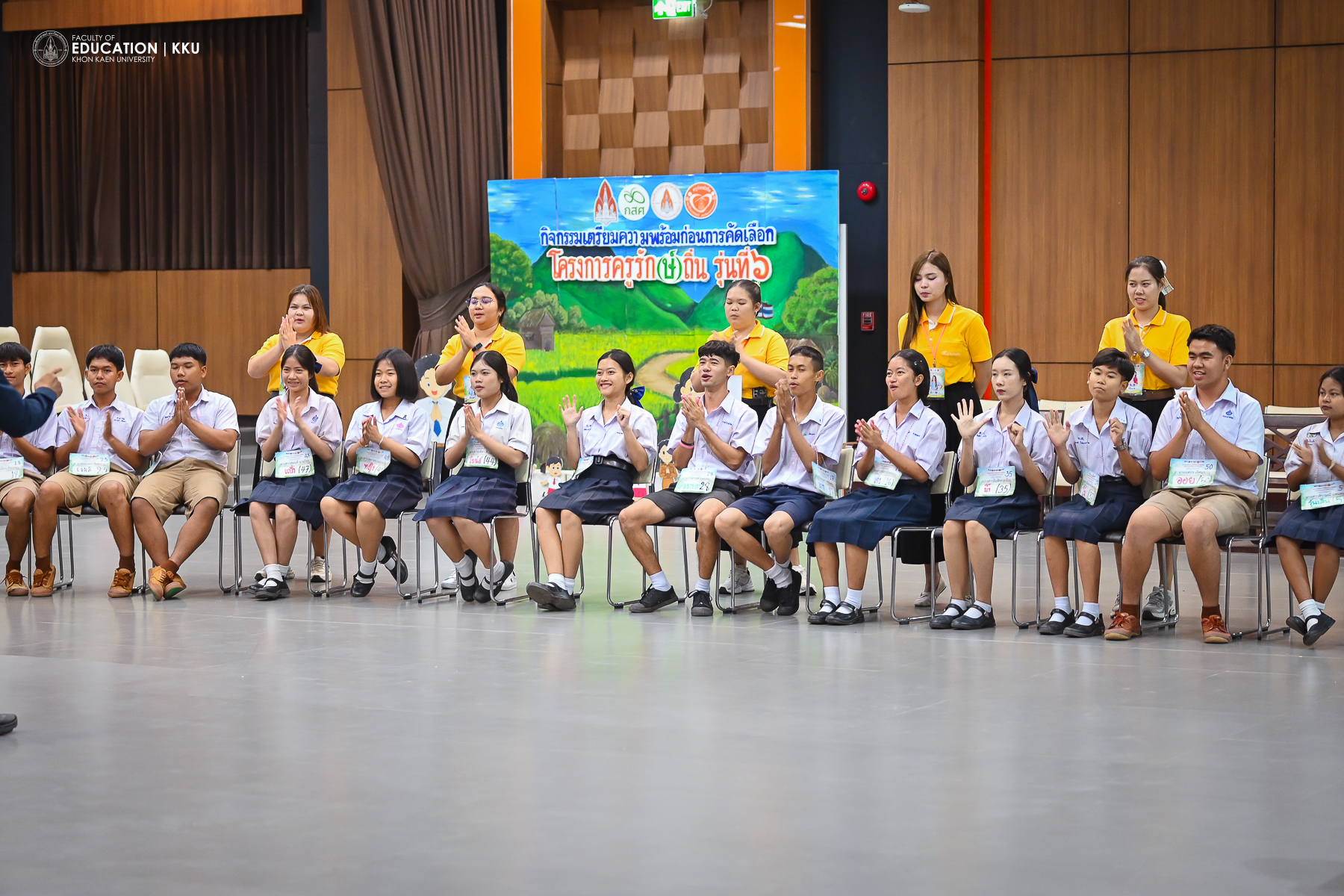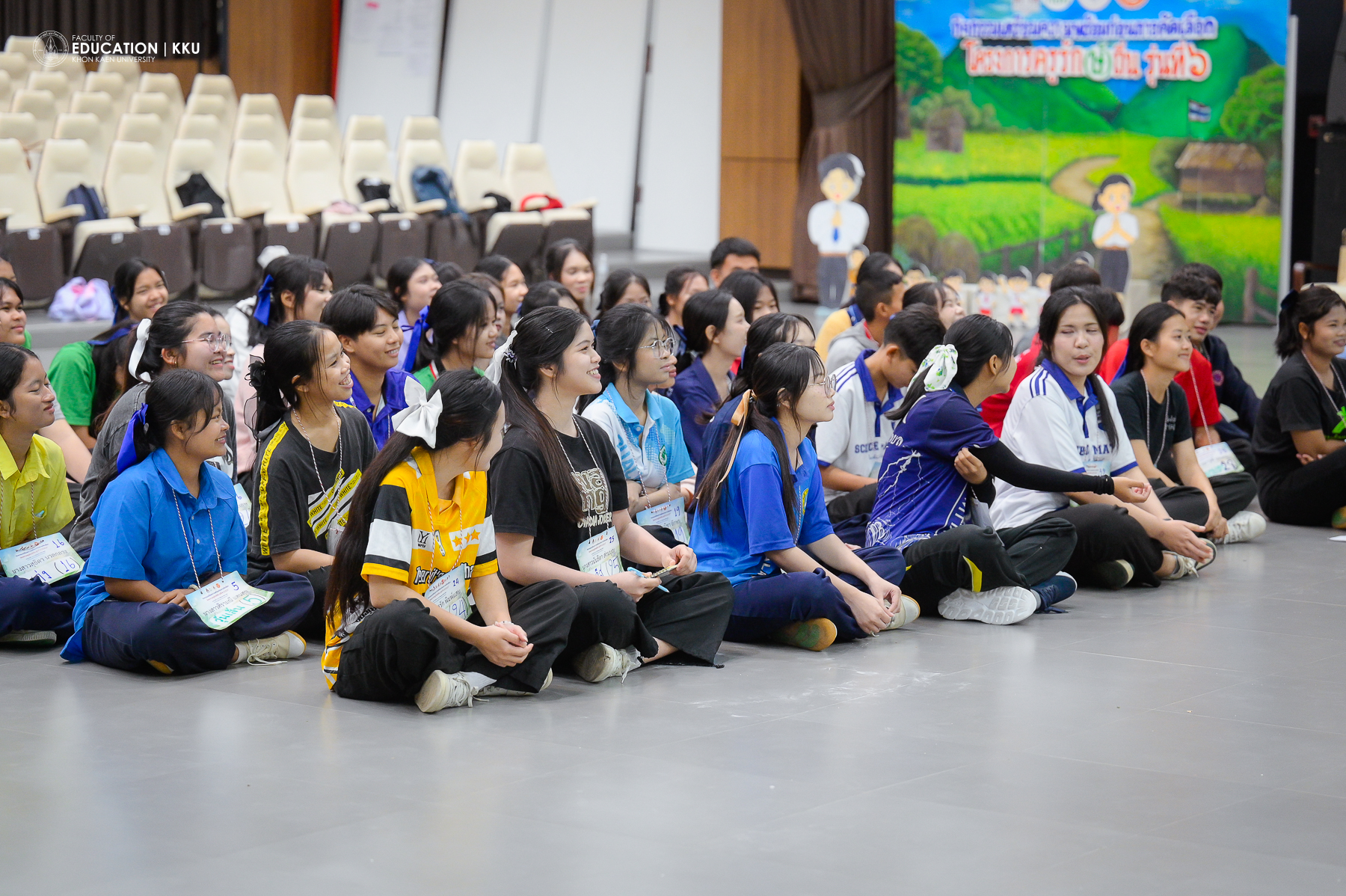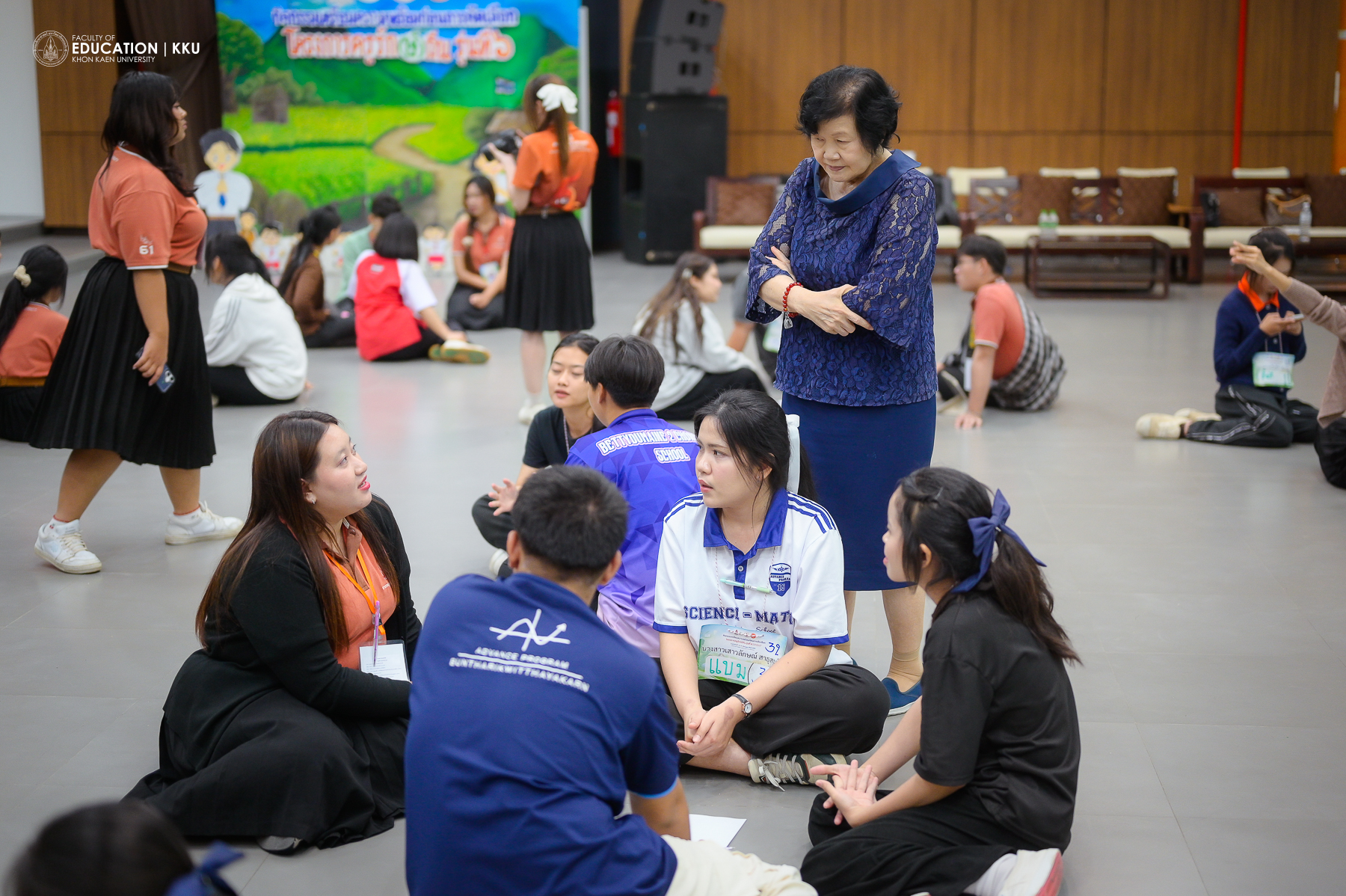

The Faculty of Education, Khon Kaen University (ED KKU), continues to enhance educational opportunities for students in remote areas by organizing the “Kru Rak Thin Batch 6 Preparation Camp” from February 24–27, 2026, at the Faculty of Education, Khon Kaen University. The opening ceremony was presided over by Prof. Dr. Sumalee Chaijaroen, Consultant to the Dean and Chairperson of the Program Administrative Committee, joined by the Faculty’s executive team. The event aimed to support and prepare target students from rural backgrounds who possess a strong passion for the teaching profession.
Prof. Dr. Sumalee Chaijaroen highlighted the significance of the project, stating that the “Kru Rak Thin” (Homegrown Teacher) program is a national collaboration involving the Equitable Education Fund (EEF). Its goal is to cultivate a new generation of teachers with a “teacher’s soul,” integrity, and the pedagogical skills necessary to develop schools in their hometowns. This camp focused on equipping students with essential skills in Early Childhood and Elementary Education while inspiring them to become “Developmental Teachers” who can tangibly reduce educational inequality and elevate the quality of education in Thailand.
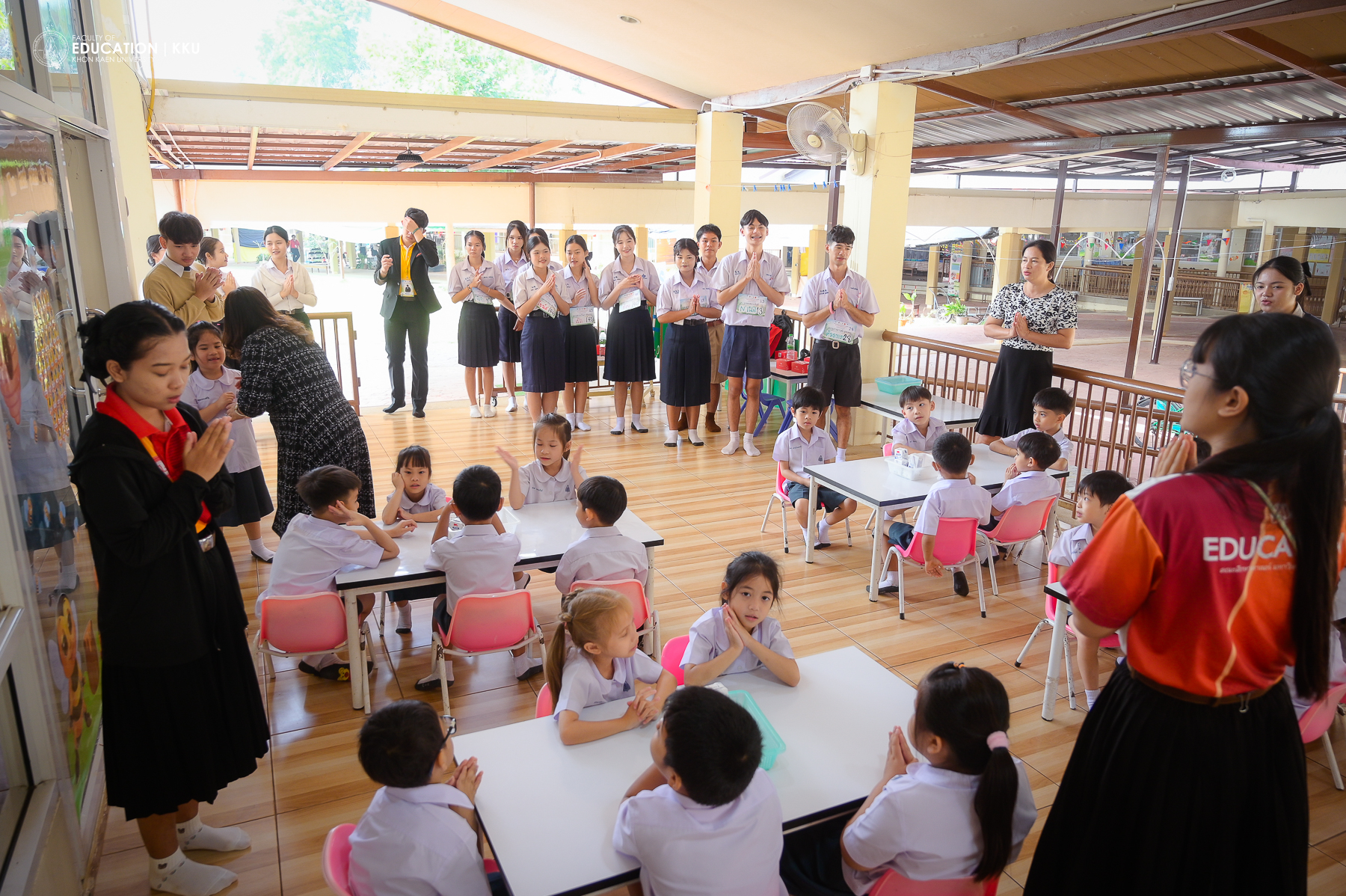
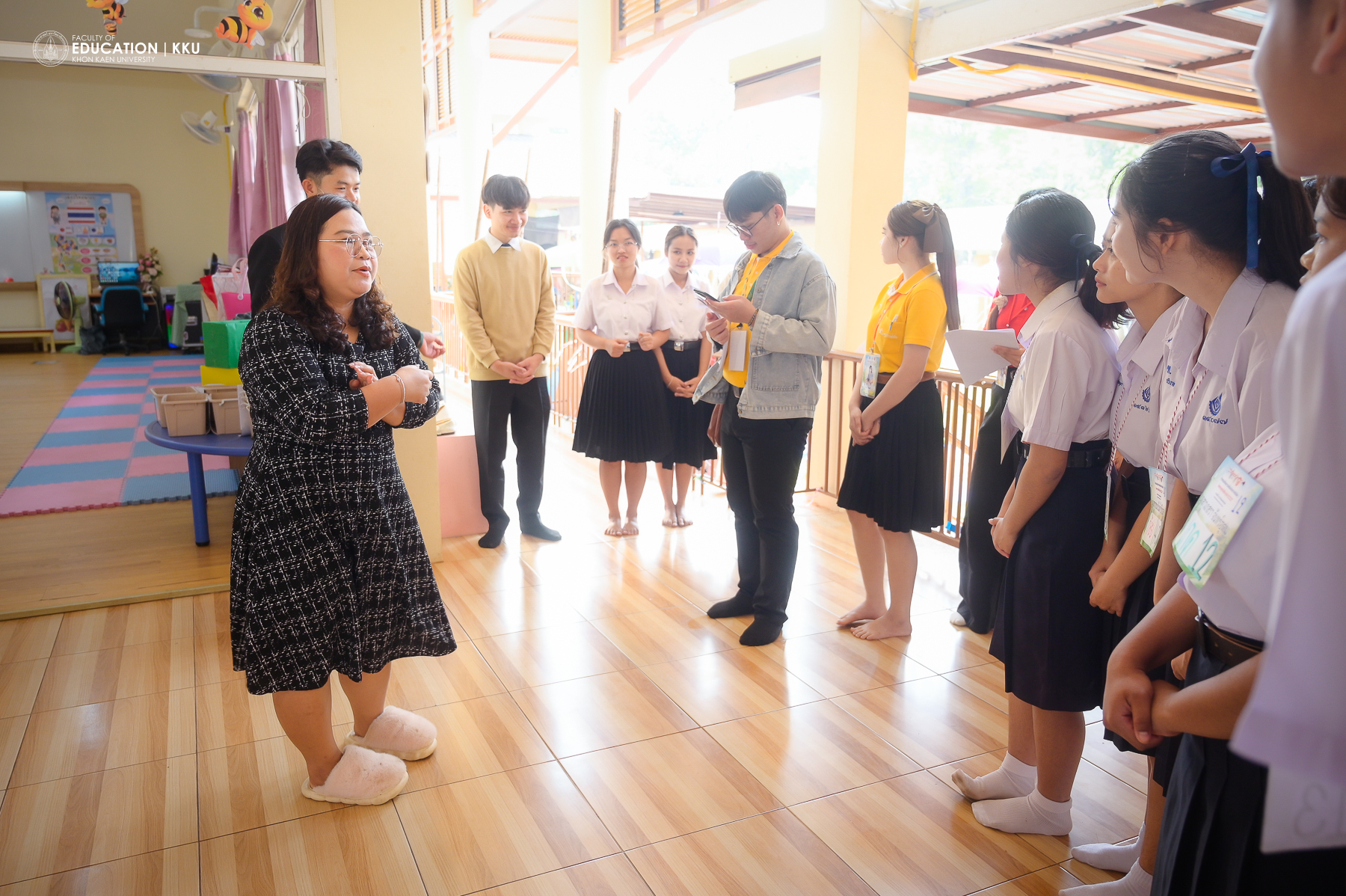
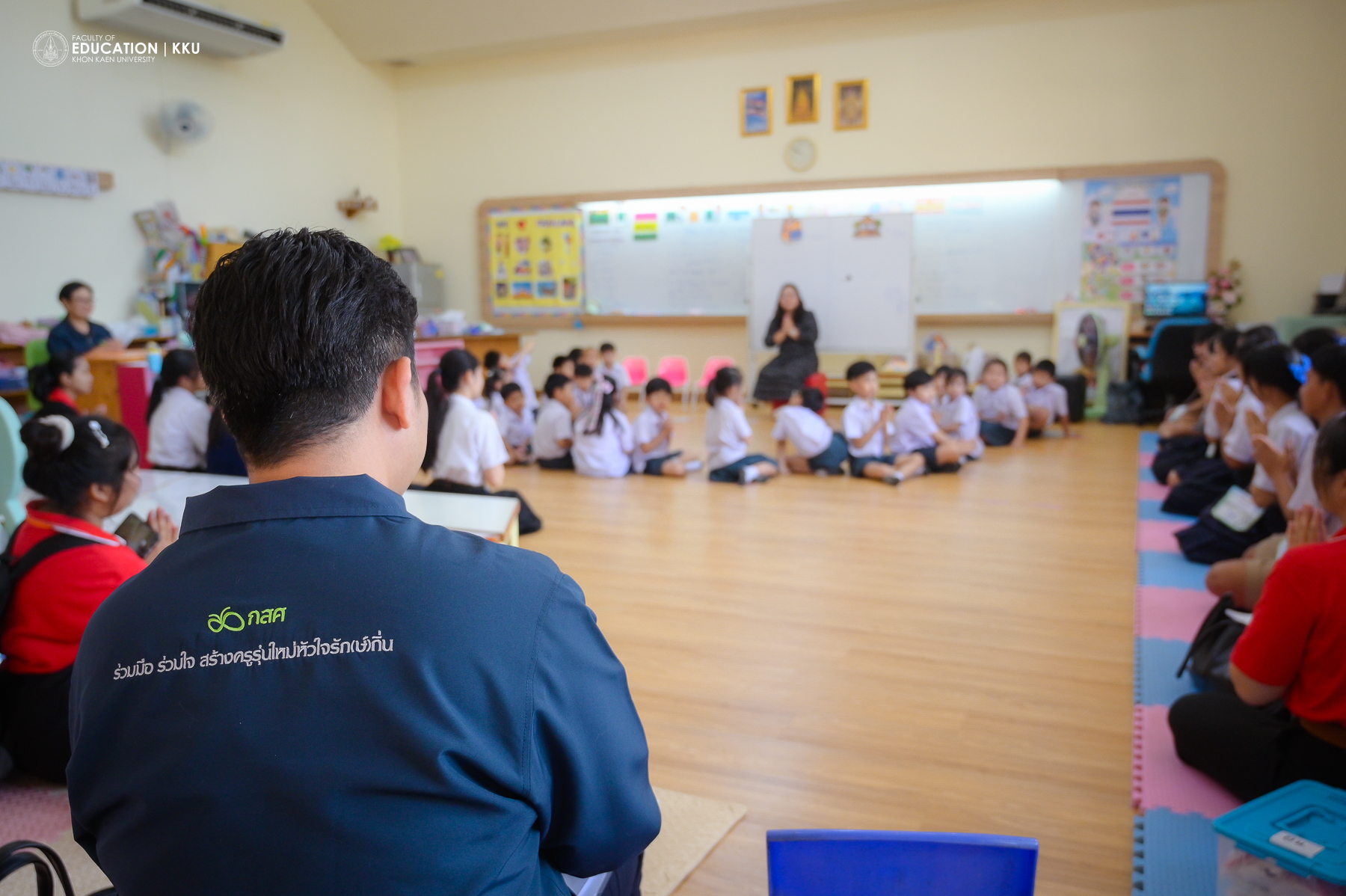
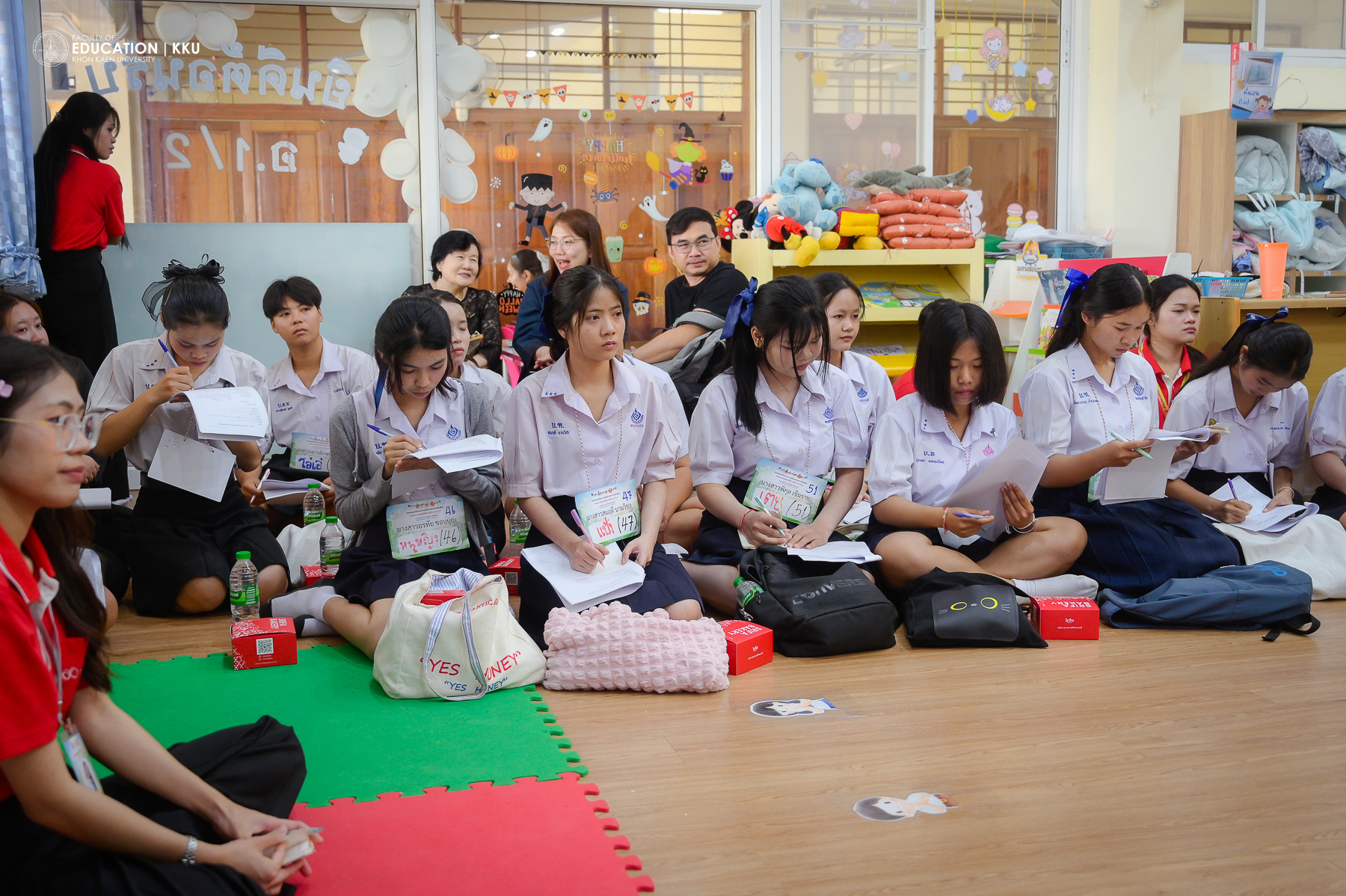
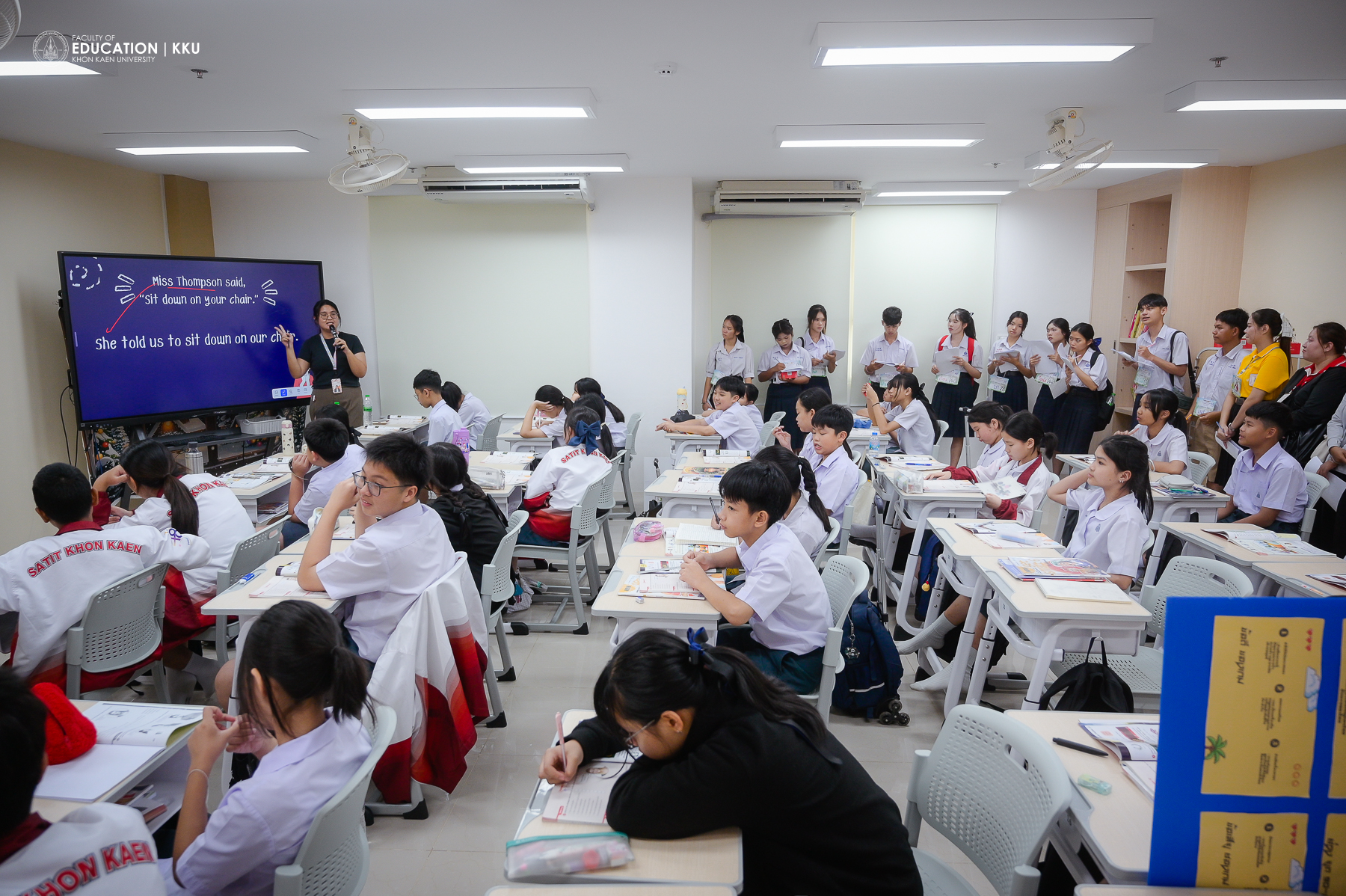
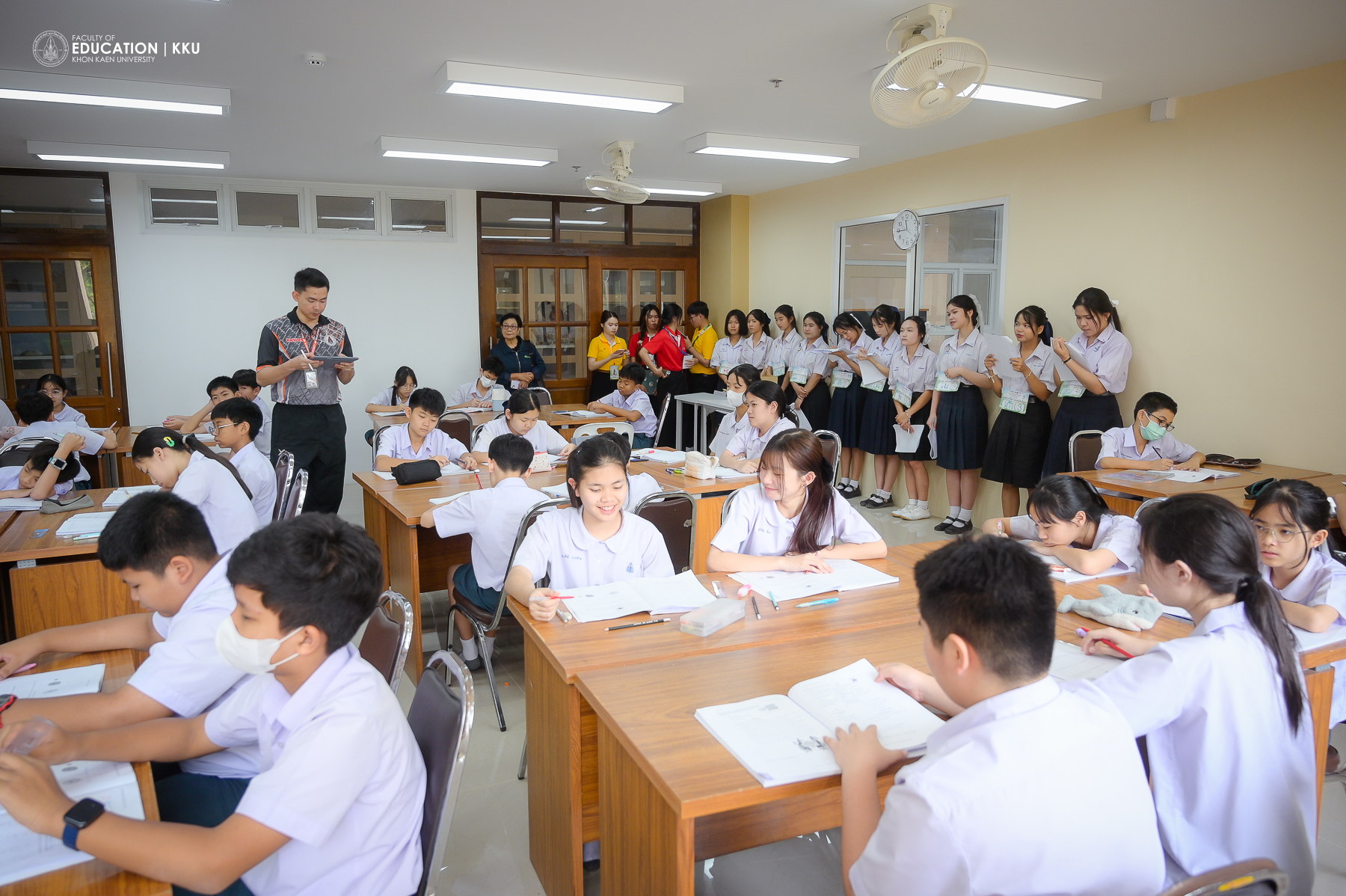
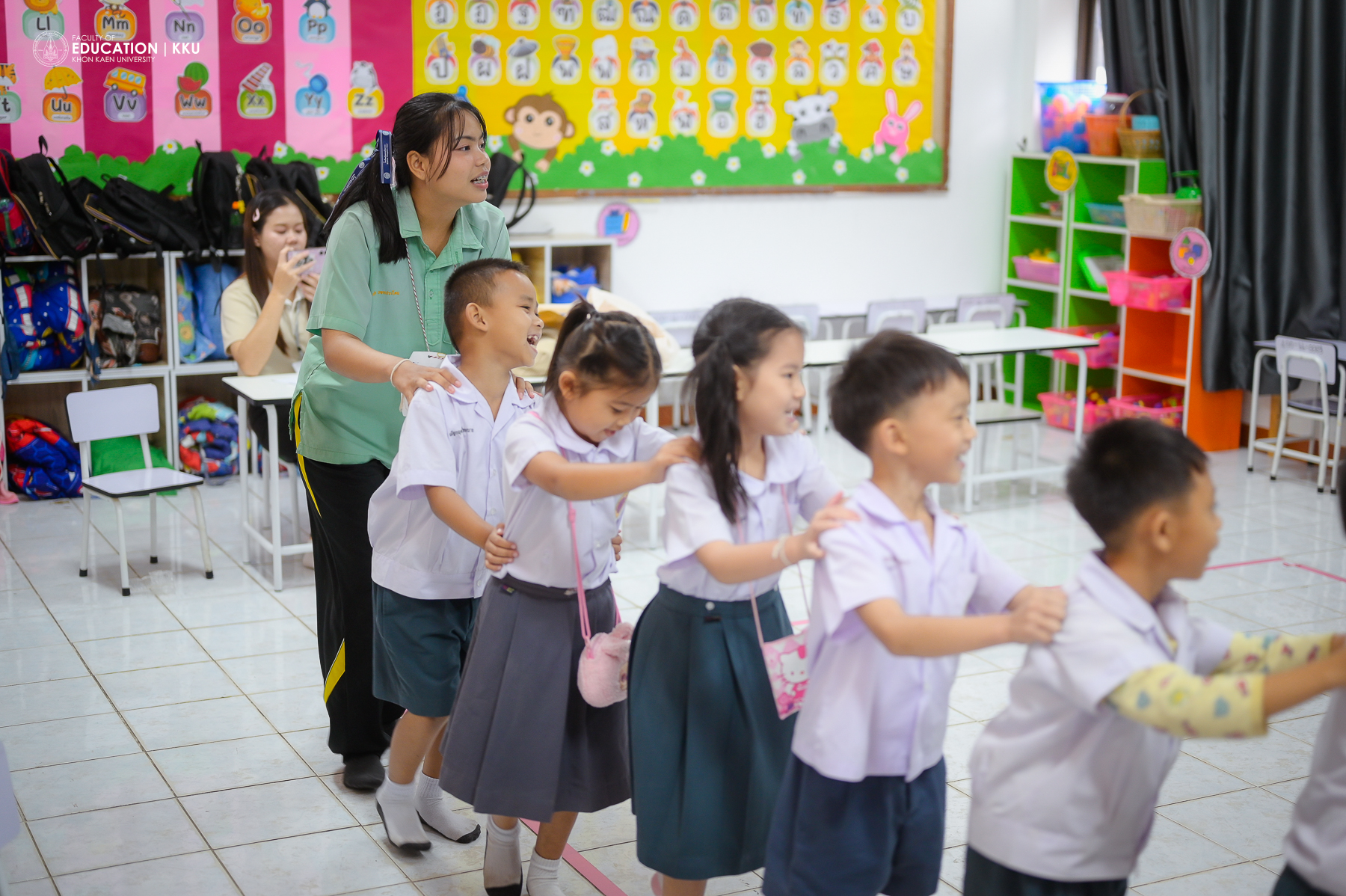
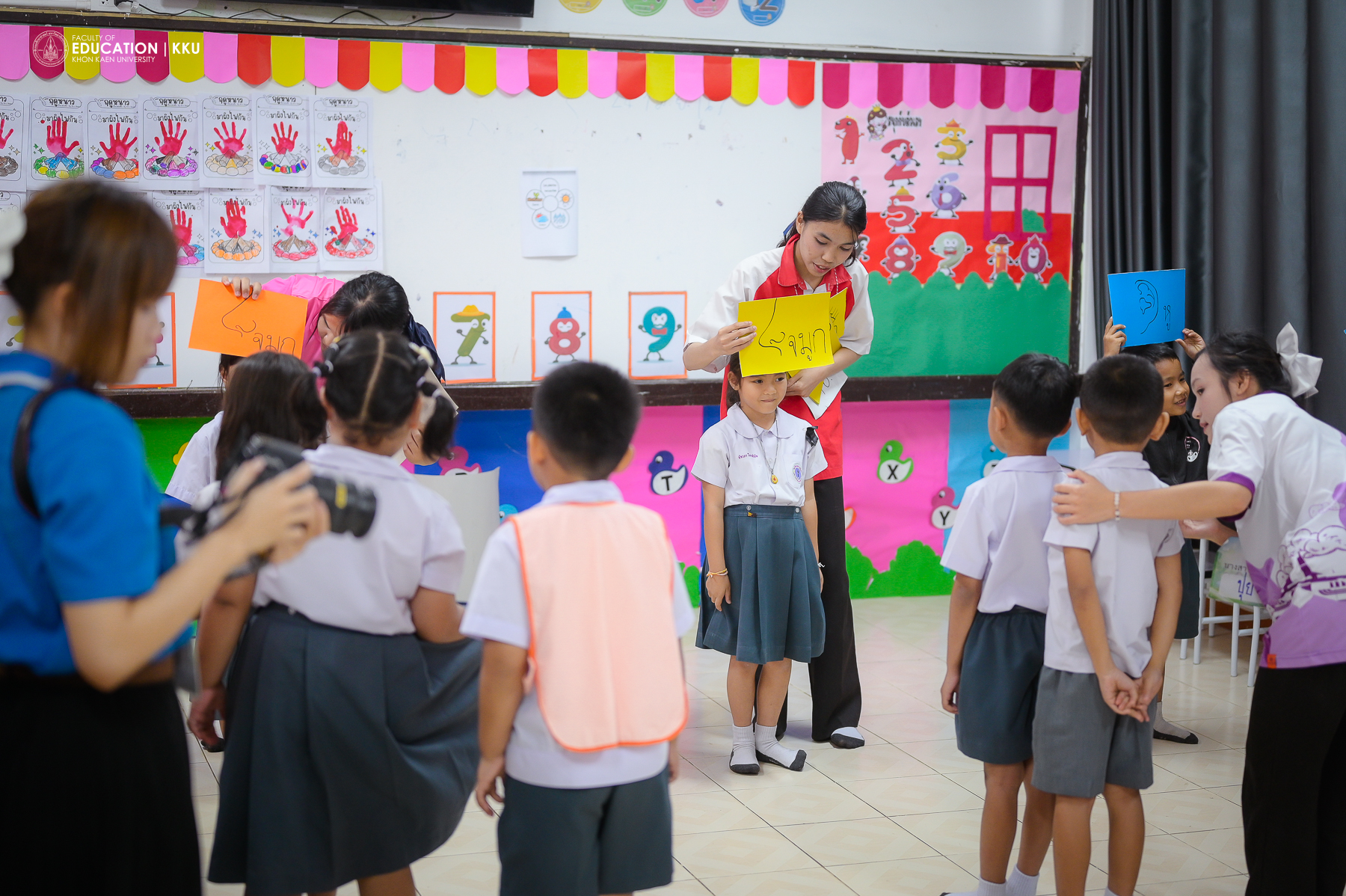
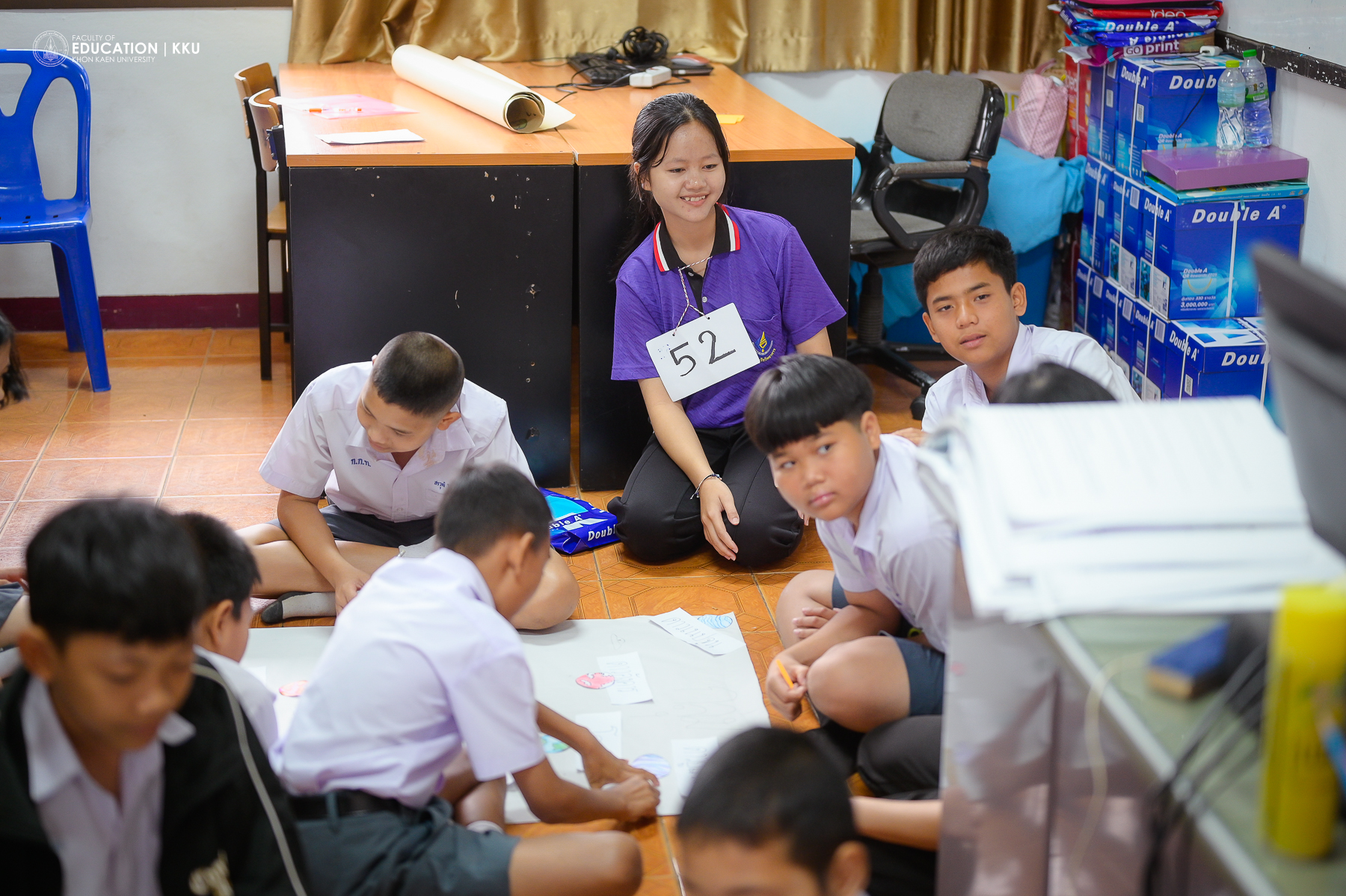
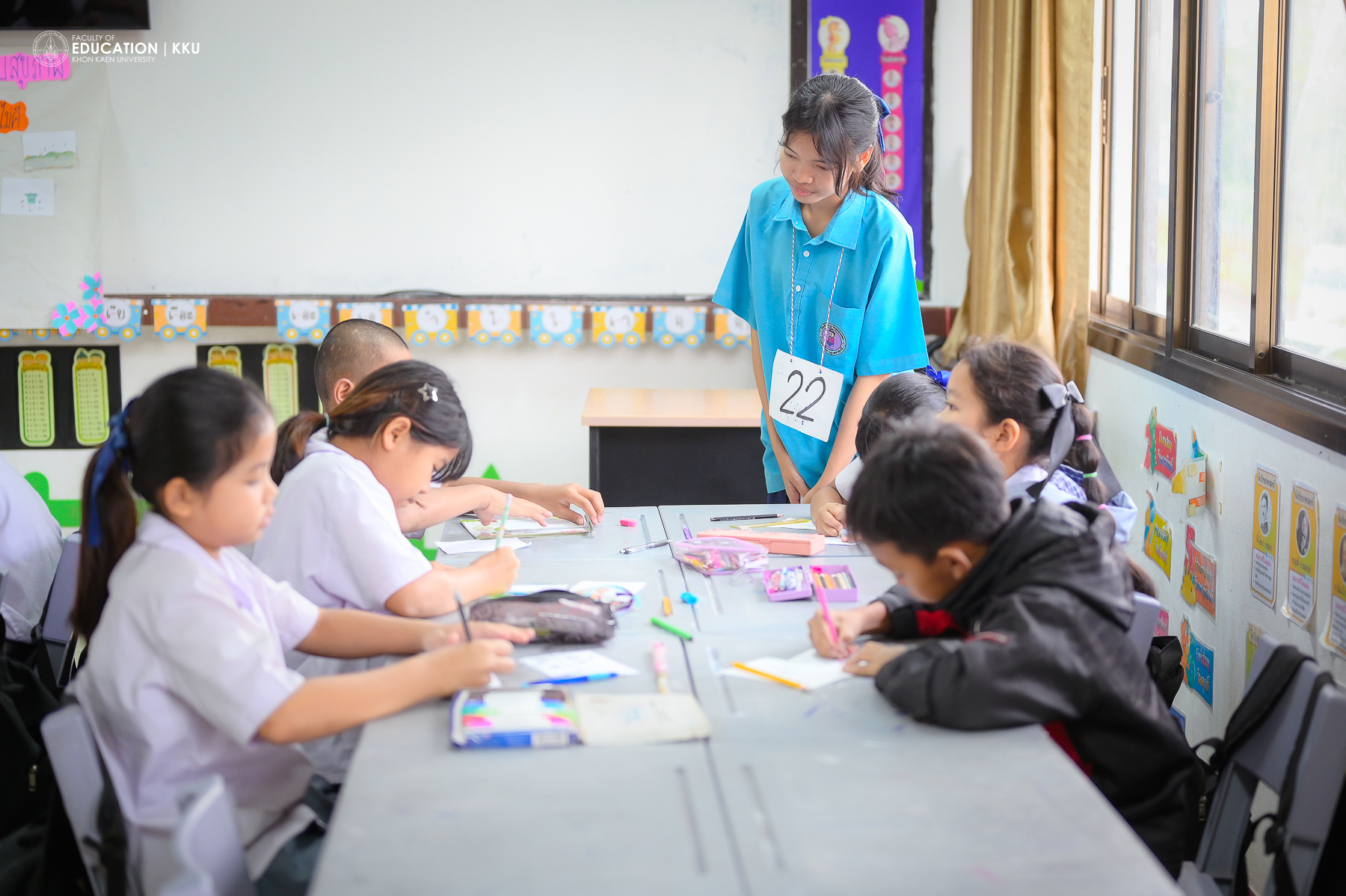
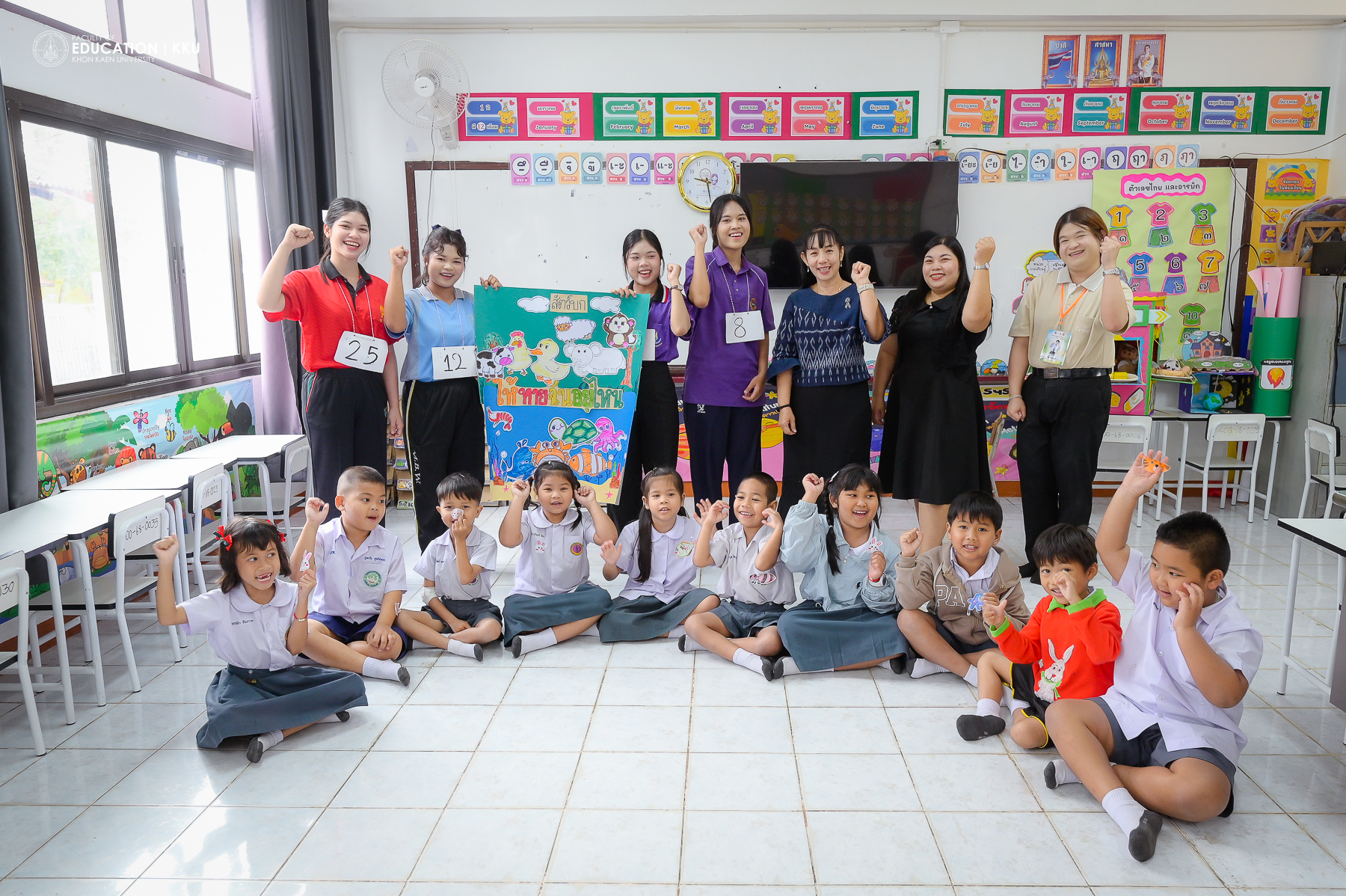
The camp prioritised experiential learning and practical training. Participants observed classroom teaching at the Khon Kaen University Demonstration School across Early Childhood, Elementary, and Special Education levels. They also engaged in skill-based workshops covering educational psychology, personality development, classroom communication, and instructional design. In addition, students undertook a supervised teaching practicum at the Sila Municipality Demonstration School to refine classroom management and real-world teaching skills before completing knowledge assessments and portfolio evaluations.
The program concluded with interviews to select the most qualified candidates for the Bachelor of Education scholarship. Nurturing these “Homegrown Teachers” is a vital gear in driving the Sustainable Development Goals (SDGs), specifically in providing quality education (SDG 4) and reducing inequalities (SDG 10). This ensures that remote schools will have high-quality teachers who deeply understand the local context, ready to serve as a beacon of learning for their communities sustainably.