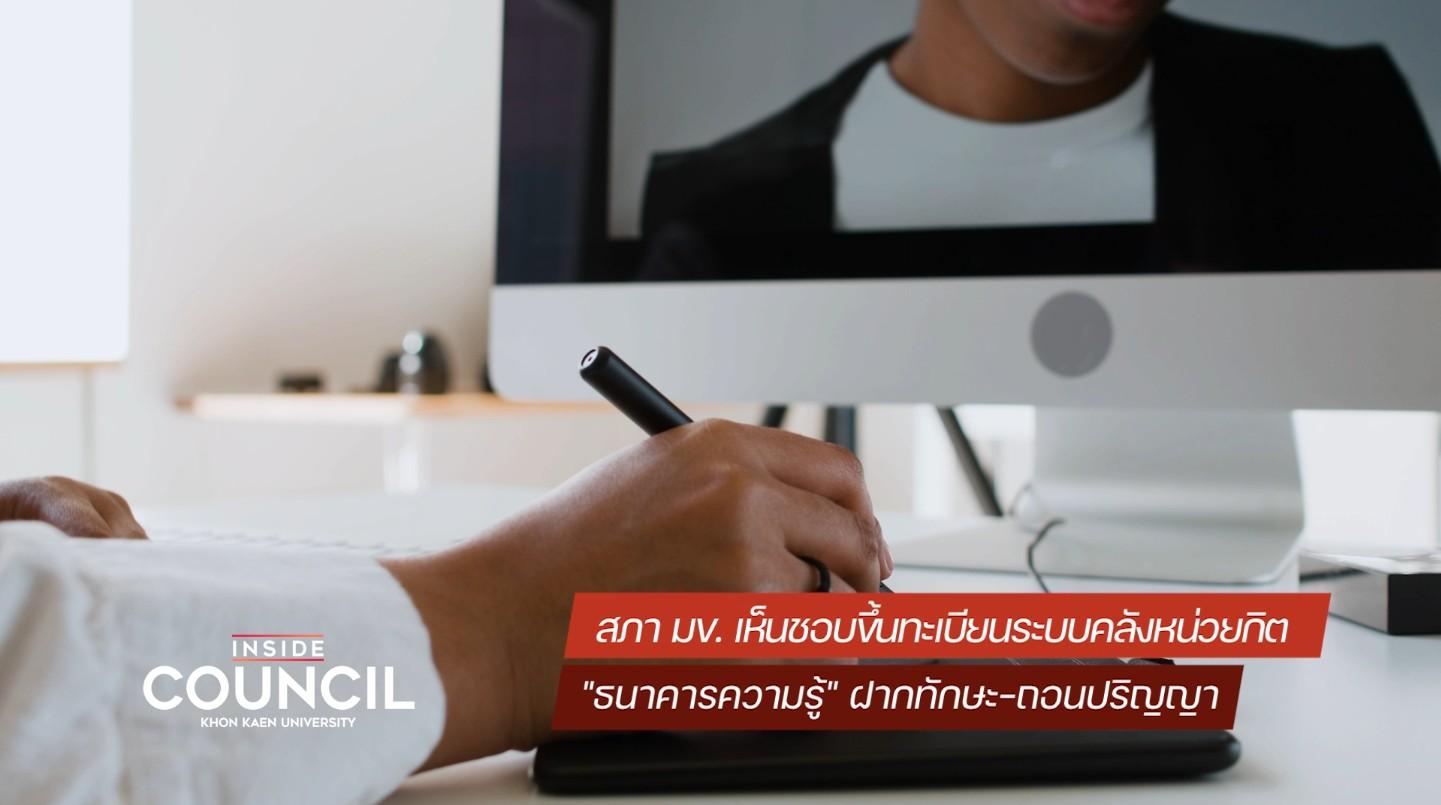
KKU University Council approves registration of the Credit Bank system, connecting all forms of learning to academic qualifications—allowing knowledge gained anywhere, anytime, to be accredited.

Khon Kaen University (KKU) is entering a new era of education following the University Council’s approval to register its Credit Bank system with the Office of the Permanent Secretary, Ministry of Higher Education, Science, Research and Innovation (OPS-MHESI). This pivotal decision opens opportunities for everyone to “deposit knowledge” from any learning source and convert it into academic value. The system is a vital mechanism for driving the lifelong learning policy, fundamentally transforming Thai education by dismantling the rigid divide between formal and non-formal pathways.
The “Credit Bank” Deposits Ability, Not Just Numbers
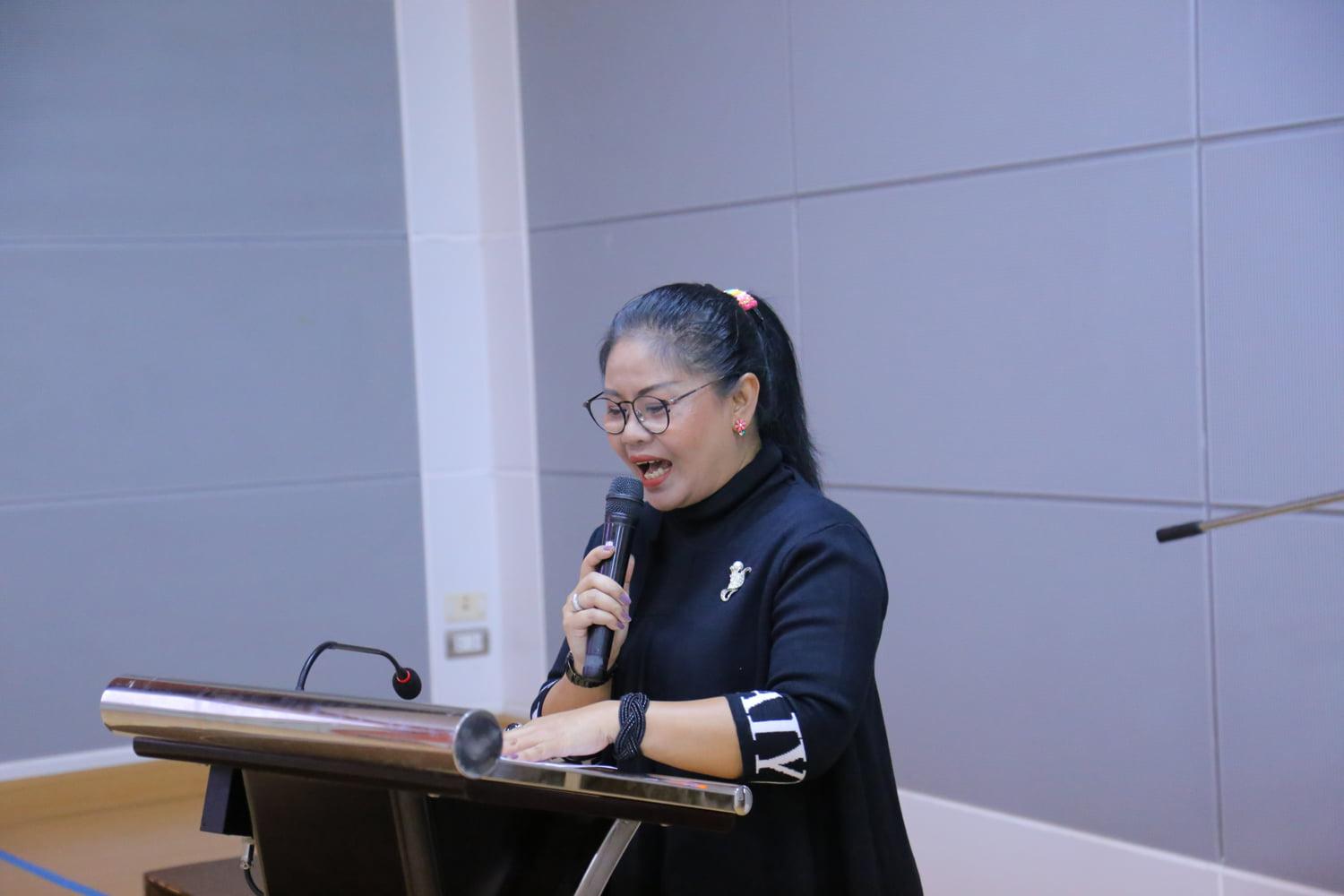
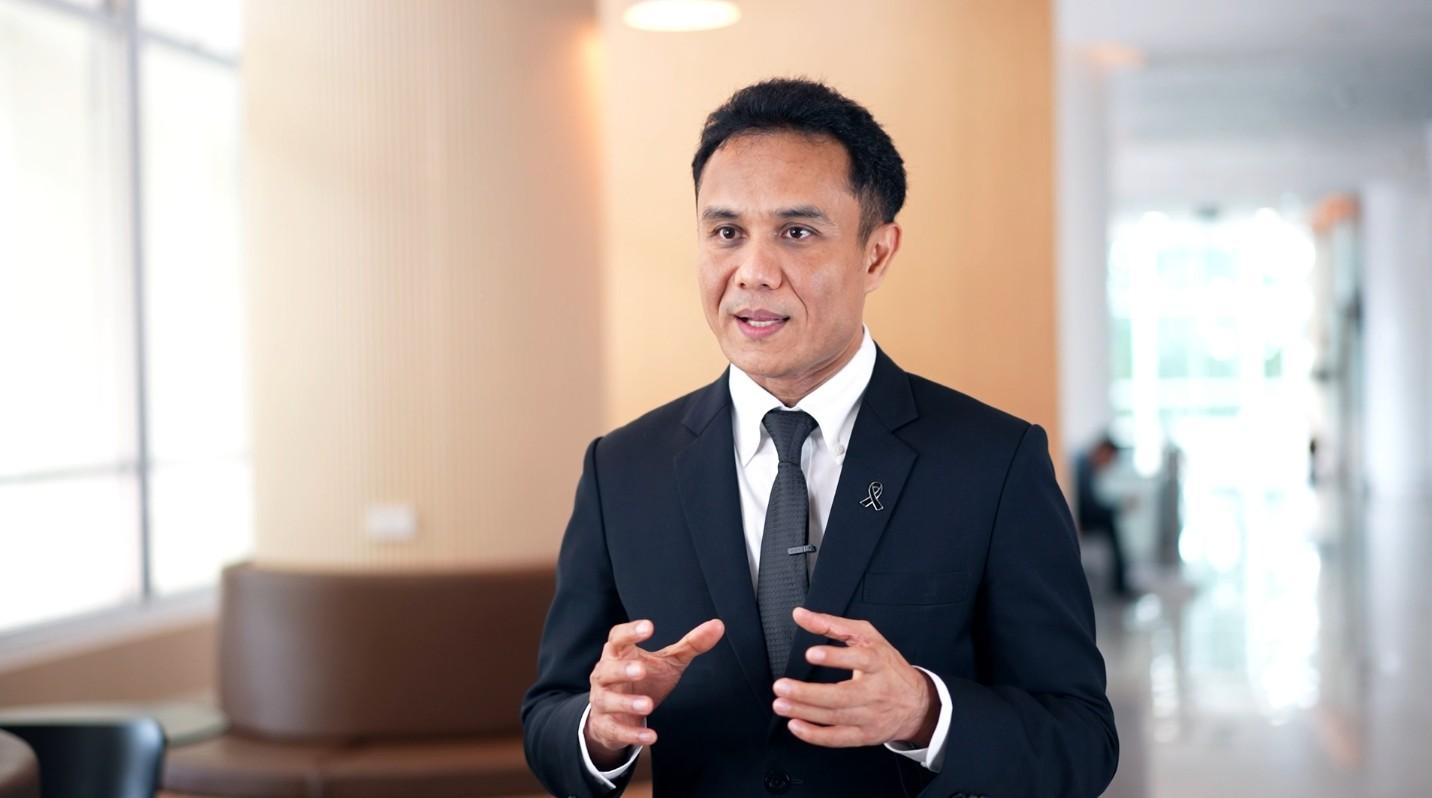
Asst. Prof. Denpong Soodphakdee, Ph.D. Vice President for Education and Digital and Assistant Secretary of the University Council, revealed during the KKU Inside Council programme that the Credit Bank system holds a meaning distinct from popular perception.
“The Credit Bank does not simply record 1, 2, or 3 credits. It is a repository for the knowledge and abilities gained through all forms of learning. It is analogous to a bank that accepts knowledge deposits, which can then be evaluated and assigned appropriate credit value by the applicant,” stated Assistant Professor Soodphakdee.
This operation strictly adheres to the OPS-MHESI announcement requiring all higher education institutions with a Credit Bank system to register within three years. KKU has operated this system for several years and is now elevating it to meet national standards.
Every Form of Learning Holds Value, Regardless of Where It Occurs
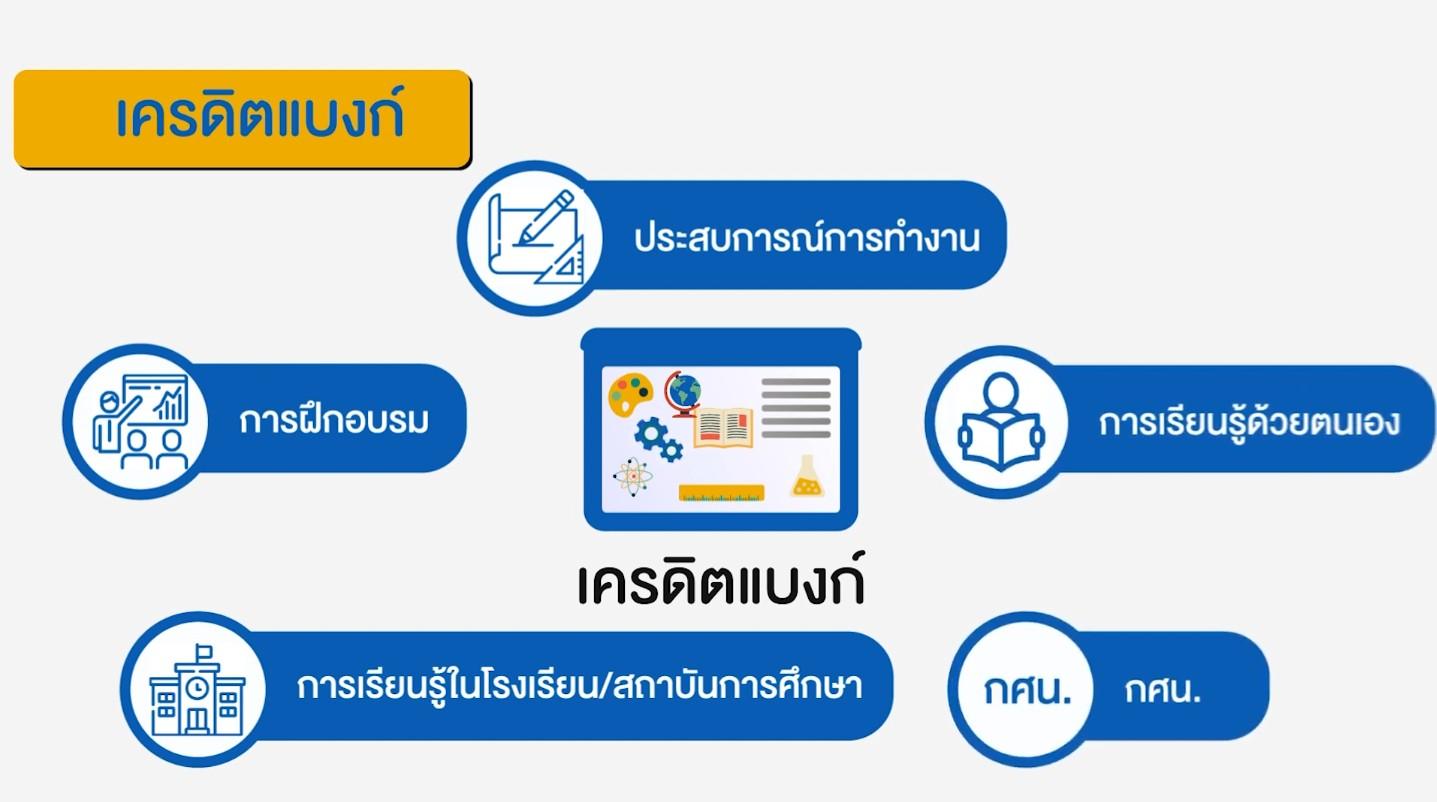
Asst. Prof. Denpong explained that KKU’s Credit Bank system supports all three primary types of learning:
- Formal Education: Traditional learning within educational institutions that results in degrees, diplomas, or certificates.
- Non-Formal Education: Learning from structured settings such as training programmes from various agencies, short courses offered by the university, or learning within private sector organisations.
- Informal Education: Self-directed learning, including gaining skills from platforms like YouTube, podcasts, AI tools, acquiring practical experience, and developing proficiency through real-world application.
“No matter where or how you learn, all knowledge can be deposited into our system,” he affirmed.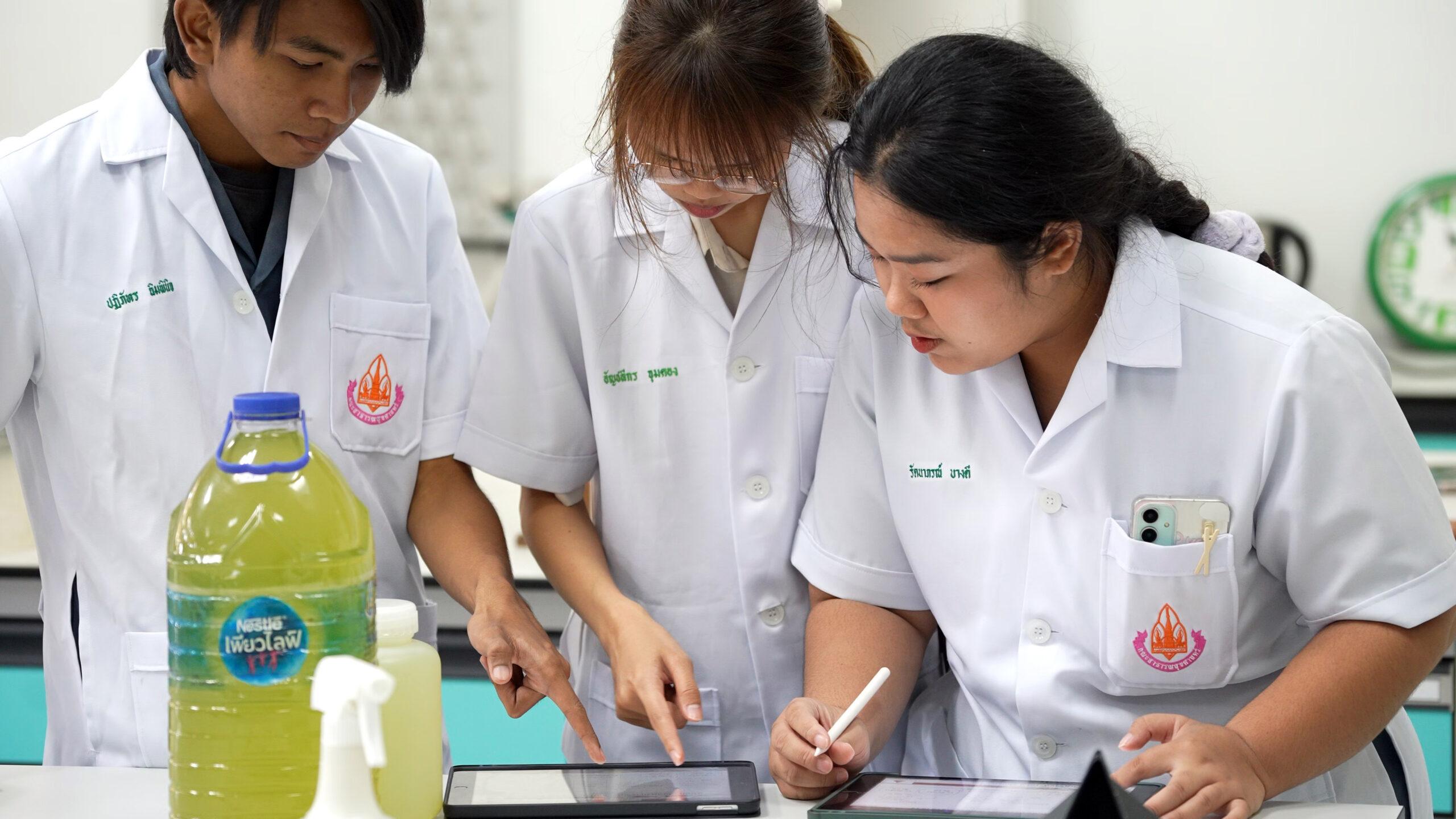
Practical Application: More Than Just a Record
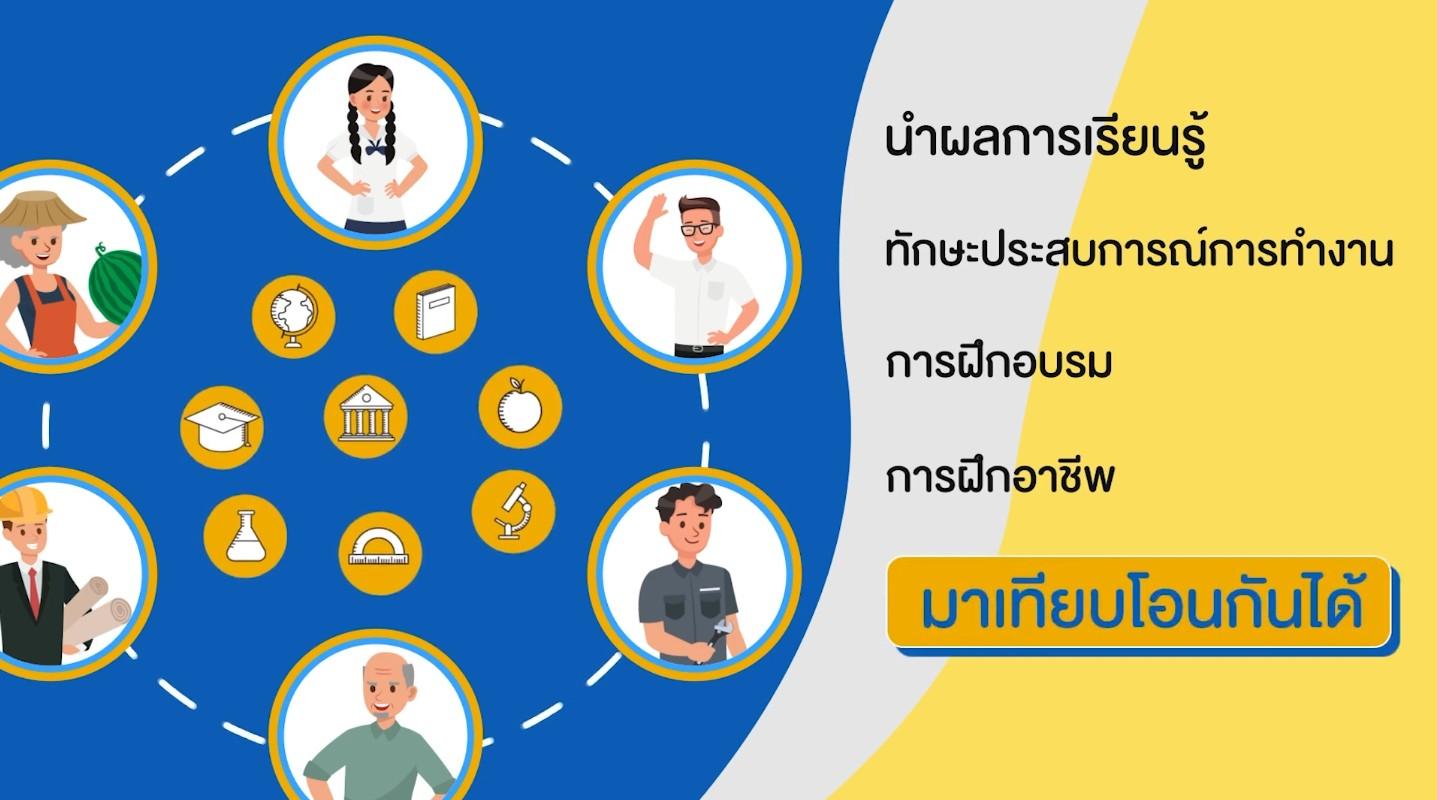
Asst. Prof. Denpong continued that deposited knowledge can be used in numerous ways. It can be transferred as credit, reducing the duration required to complete a degree programme; included in online profiles or résumés; used in job applications to demonstrate genuine competence; applied in competitions or for award considerations; and accumulated for future educational pursuits.
Experienced Professionals Can Earn Credit Without Attending Classes
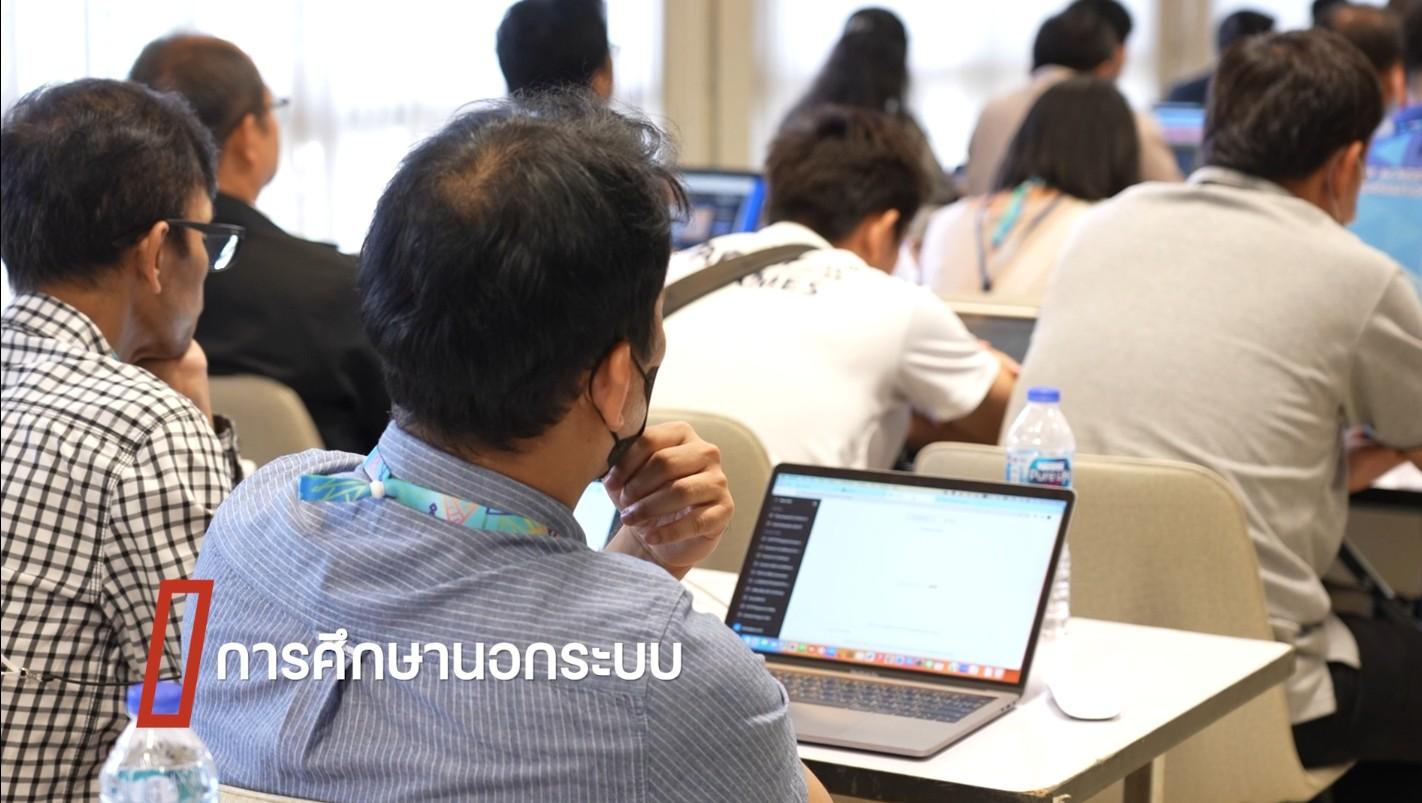
Asst. Prof. Denpong provided a compelling example: “Suppose we have someone who has worked in photography and videography for many years, possessing skills superior to those with formal degrees, but lacking a certificate. This group can request a knowledge assessment examination or submit their portfolio to be evaluated by our faculty. If they meet the criteria, they will immediately receive credit for the subject without needing to attend the class.”
This approach prioritises genuine competence over paper-based qualifications.

Quality Assurance: Standards for Credit Transfer
Utilising banked knowledge for credit transfer is not an automatic process but involves quality assurance steps:
- Application Submission: The applicant specifies the course they wish to equate.
- Faculty Review: The faculty considers the content, duration of learning, and assessment methods.
- Credit Calculation: The credit value assigned may be equal to or different from the original source.
- Supplementary Testing (if necessary): Required to confirm proficiency.
- Further Study: Required for subjects where sufficient credit has not yet been accrued.
“It is analogous to needing 40 credits to complete an MBA. If the student can transfer 15 credits, they must subsequently study the remaining 25 credits to fulfil the requirement,” Asst. Prof. Denpong clarified.
Accessible to All: From Students to Retirees
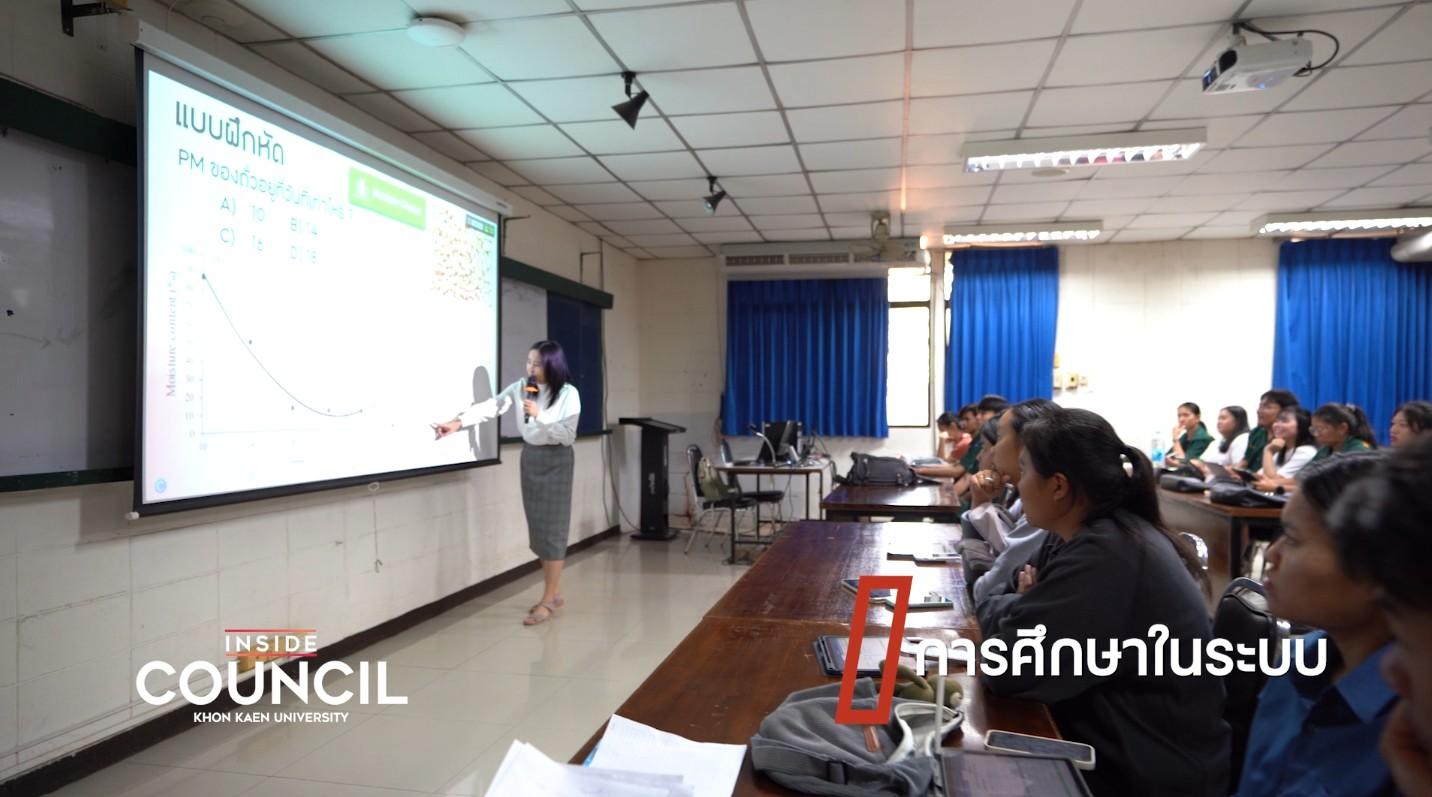
KKU’s Credit Bank system is available to all age groups, including primary and secondary school students, current university students, working professionals seeking to upskill or reskill, retired government officials, and general citizens committed to lifelong learning. The system is universally accessible, regardless of age or status.
KKU as a ‘Commercial Bank’ Connecting to the National ‘Central Bank’
Once registered with OPS-MHESI, KKU’s system will connect to the national central database. “KKU acts like a commercial bank accepting knowledge deposits, while OPS-MHESI functions as the central bank connecting information across institutions,” he explained.
This allows learners to study at one university and transfer credits to another, building a centralised, portable learning record.
Responding to Labour Market Demands and Industry Needs
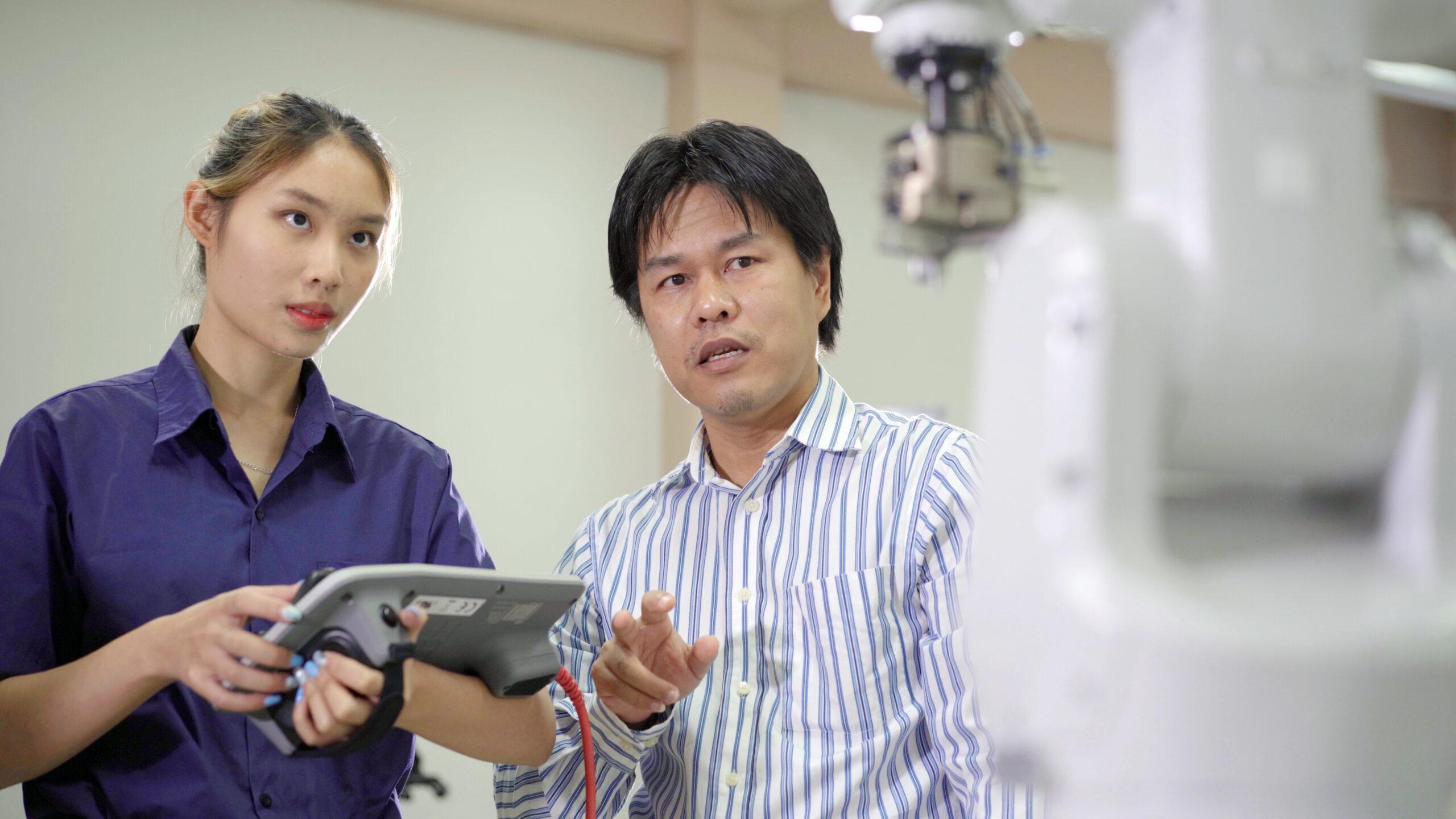
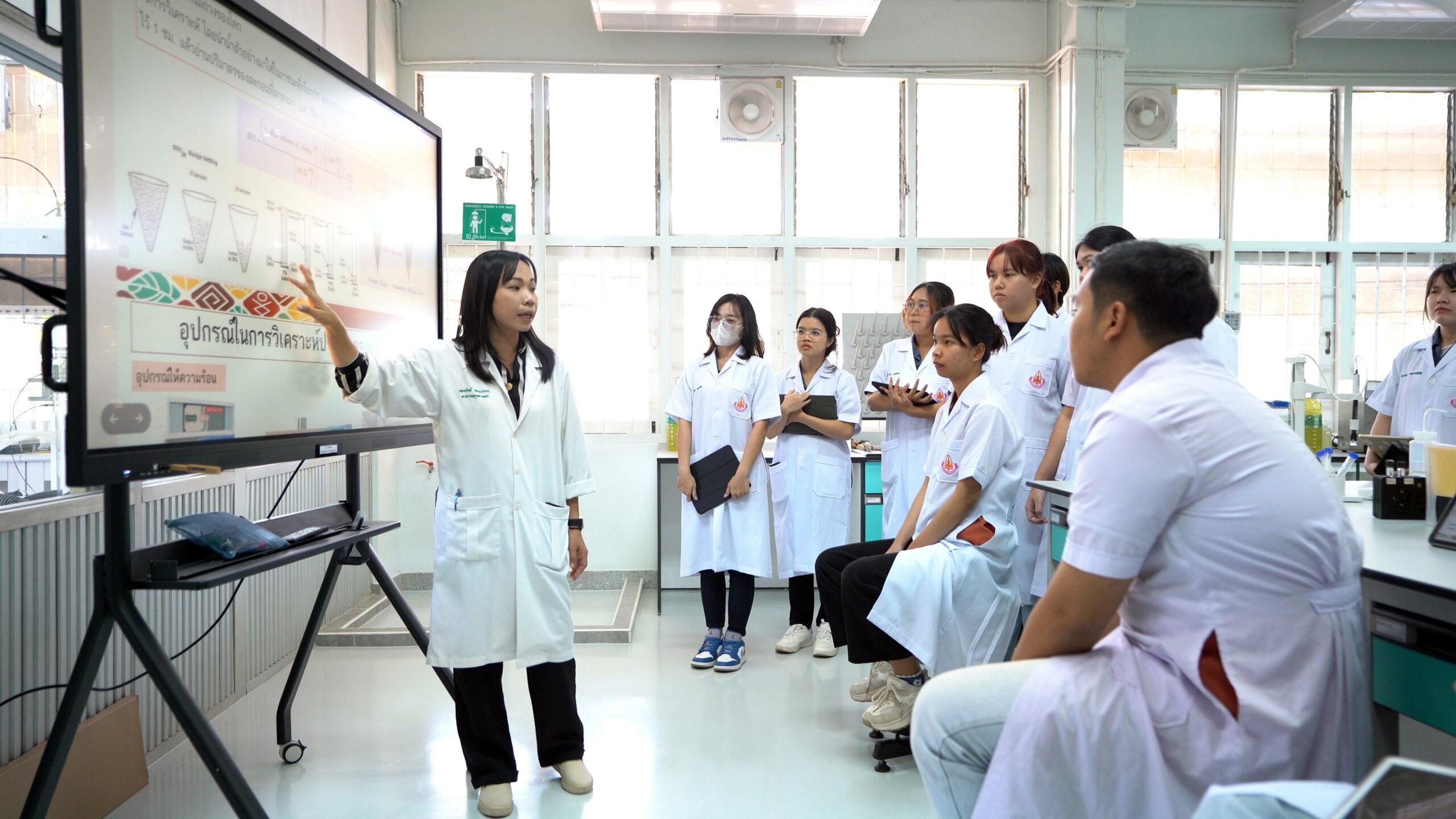
Khon Kaen University also plans to collaborate closely with the private sector, the Chamber of Commerce, and the Federation of Thai Industries to survey market skill demands, develop curricula that meet real-world needs, and, crucially, produce immediately employable graduates.
“We do not want the knowledge deposited in the bank to go unused. Therefore, we must ensure we produce knowledge that the market requires,” he stressed.
The University has assigned two key units to drive this system: the Office of Academic Service, responsible for organising training courses and skill development; and the Registrar’s Office, responsible for data retention and quality verification.

A Significant Step Towards a Learning Society
The Credit Bank system represents an educational innovation designed to break down barriers by integrating formal and non-formal education, introducing flexibility in learning (allowing study anywhere, anytime), and acknowledging diversity, as every learning experience holds inherent value. Furthermore, it crucially mitigates educational inequality by making higher education accessible to everyone.
“This is a significant step towards creating a lifelong learning society where everyone has the opportunity for continuous self-development, regardless of their stage in life,” concluded Asst. Prof. Denpong
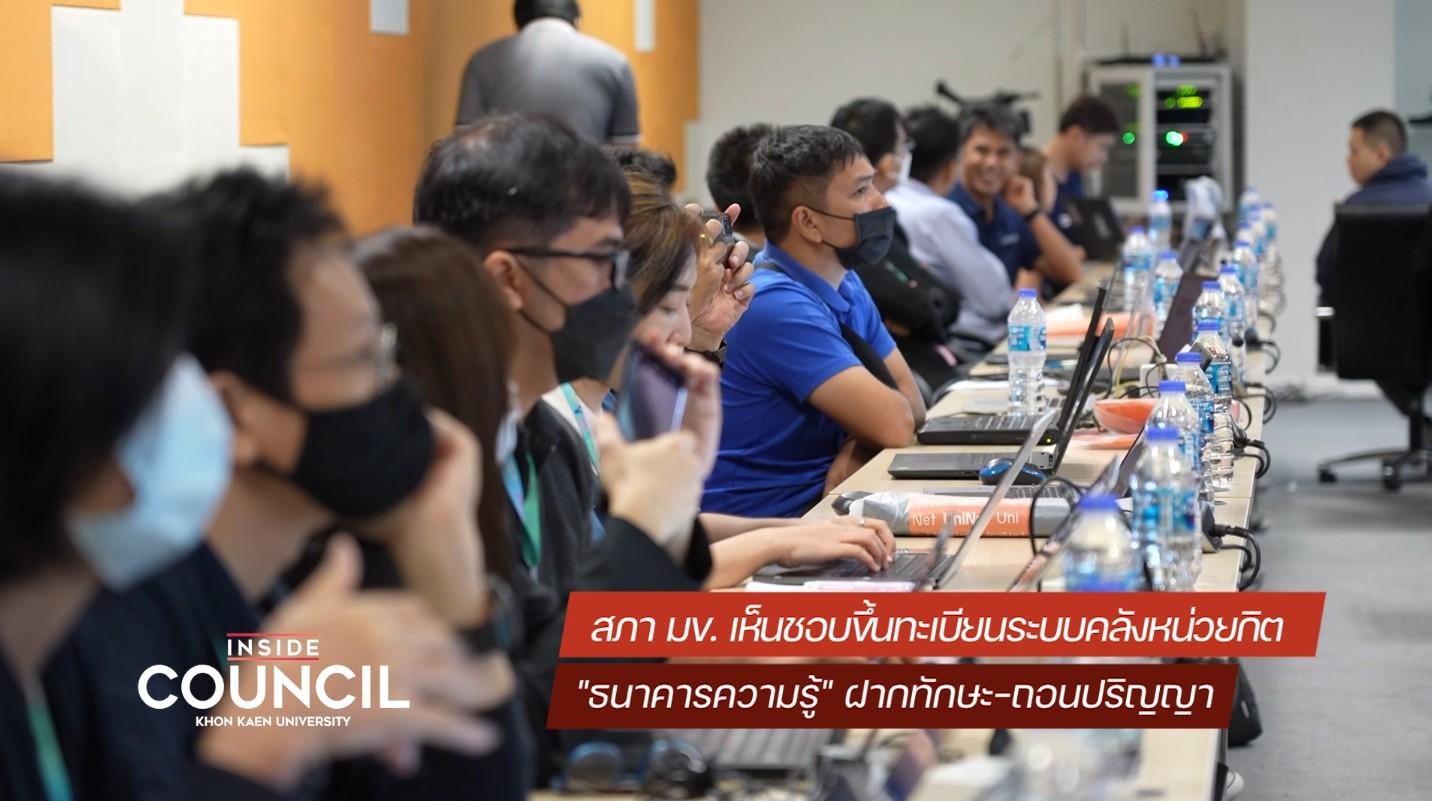
He reiterated that KKU’s Credit Bank system is currently operational. The registration with OPS-MHESI will elevate it to a standard system linked to other institutions nationwide. All knowledge is valuable, regardless of its origin, every skill can be leveraged, and everyone has the right to lifelong self-improvement—a new educational vision that Khon Kaen University is actively bringing to reality.

News by Benjamaporn Mamook
Photos by Atthapon Hampong / Chaicharn Lada / Nattapong Chamnanuua