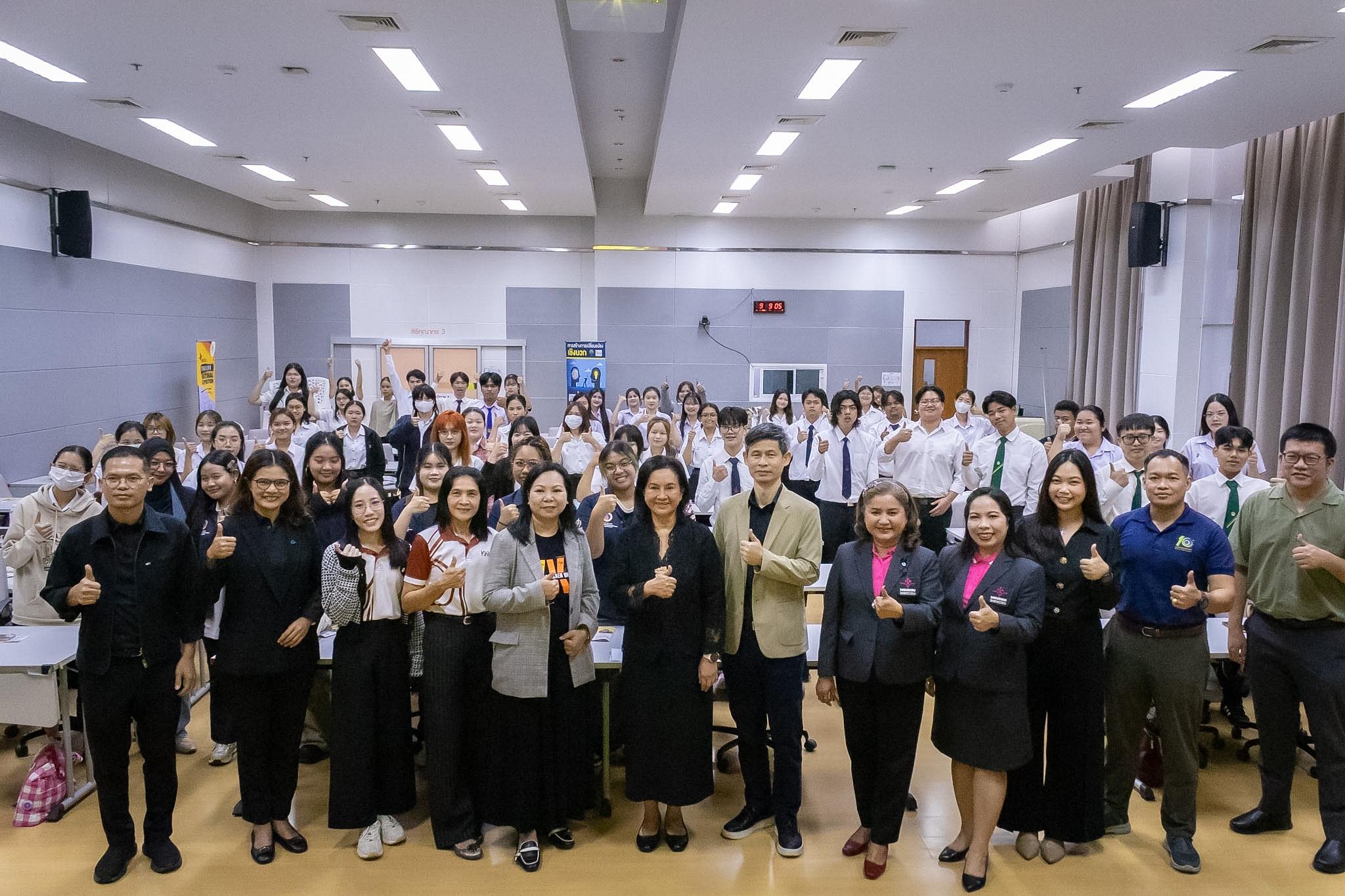
Khon Kaen University and the National Innovation Agency Collaborate to Establish KMID as an ASEAN Medical Innovation Hub, Prioritising Real-World Product Testing.
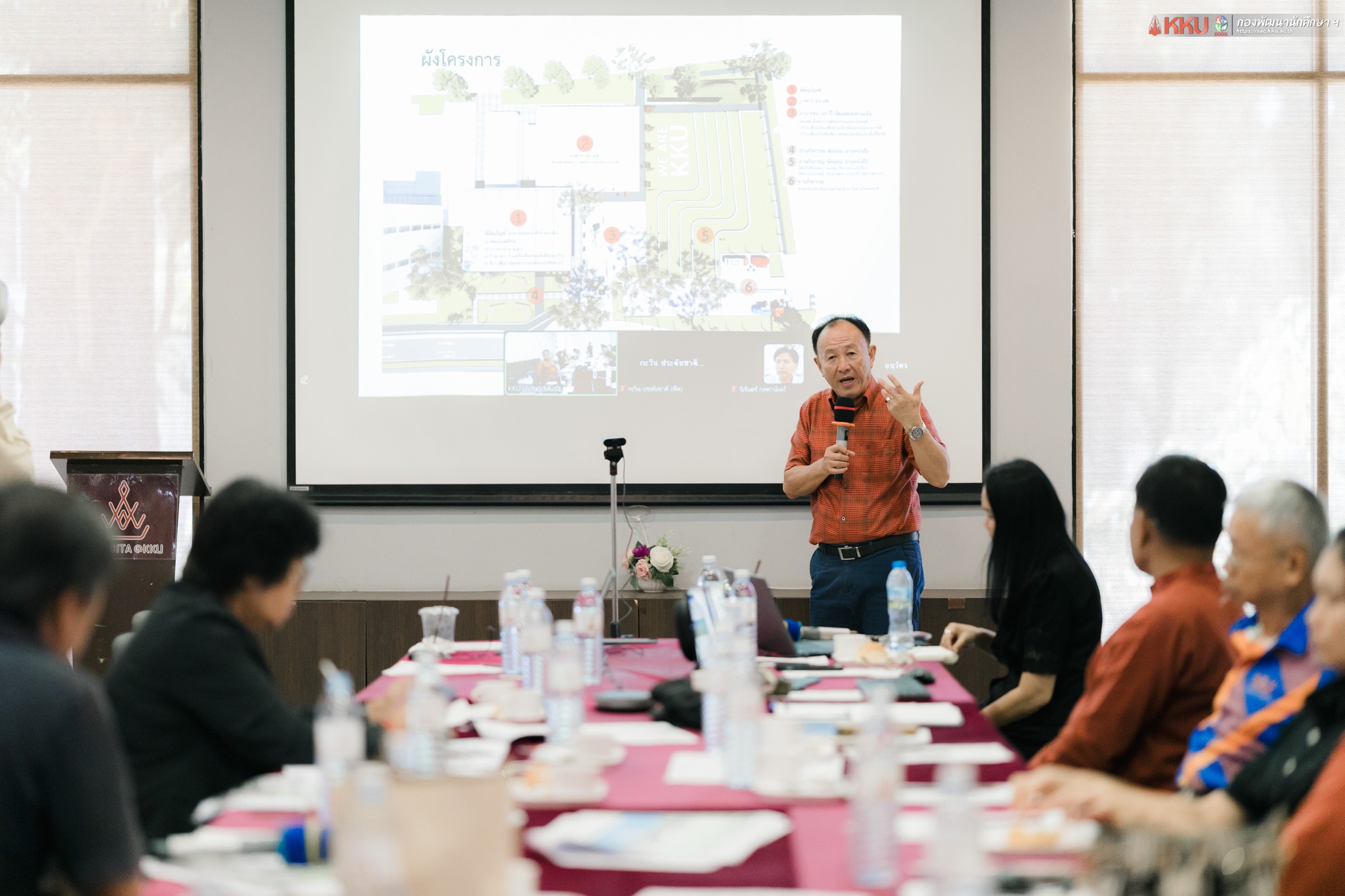
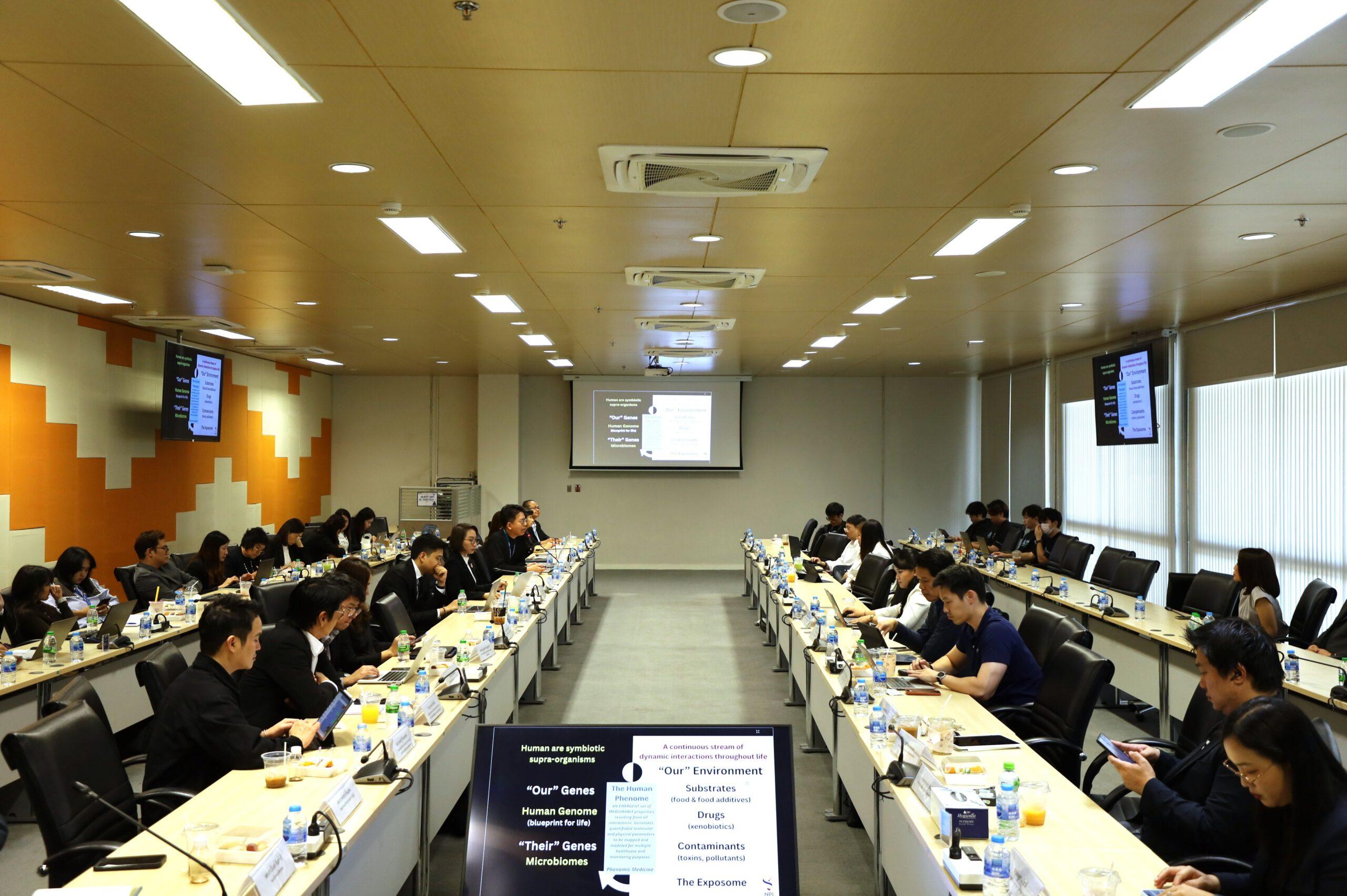
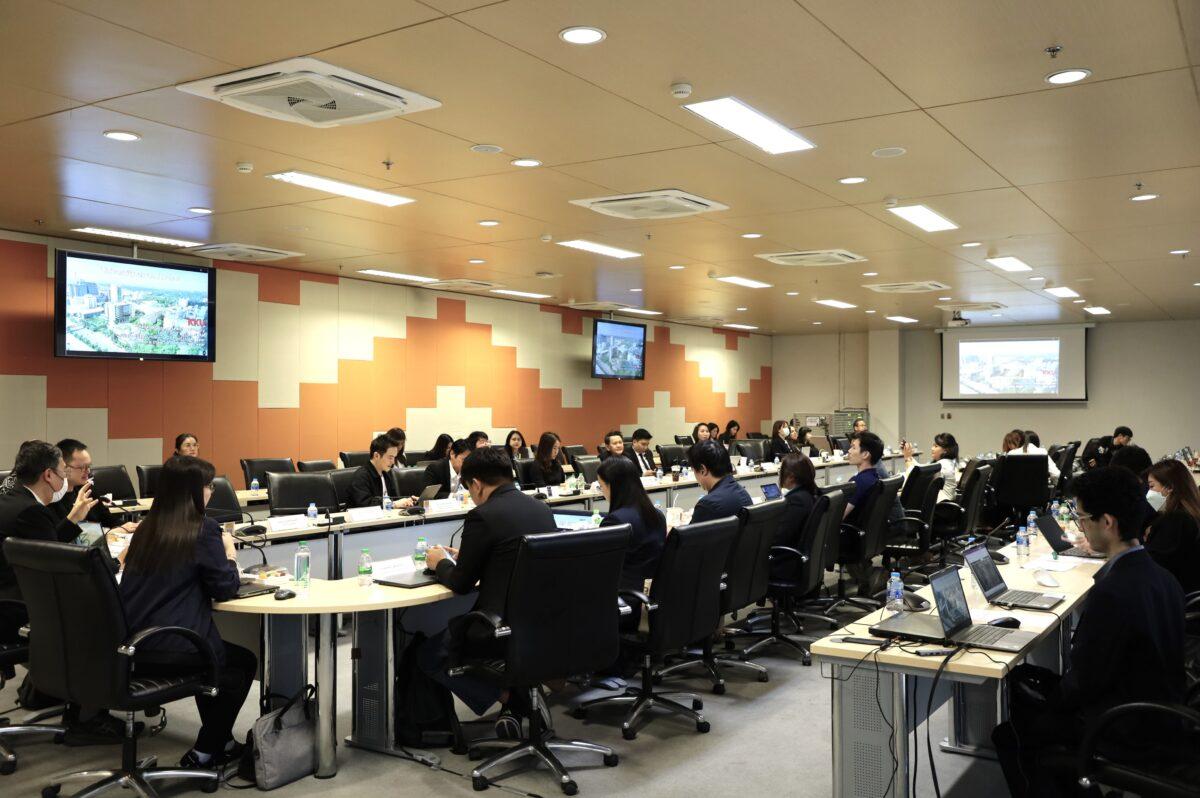
On 3 December 2025, the Wellness Administration and Innovation District Center (WAIDC), Khon Kaen University (KKU), hosted a meeting addressing “Cooperation for the Development of the Kangsadan Medical Innovation District (KMID).”
The meeting was chaired by Associate Professor Cholatip Pongskul, M.D., Director of the WAIDC, Khon Kaen University, and attended by Montha Kaihirun, Director of the Startup Promotion Department, National Innovation Agency (NIA), along with representatives from the Thai HealthTech Trade Association, executives of the Khon Kaen University Science Park (KKU SP), and medical innovation entrepreneurs. The assembly gathered to discuss collaborative strategies at the Boardroom on the 3rd floor of the Administration Building, Northeastern Region Science Park 1, Khon Kaen University.
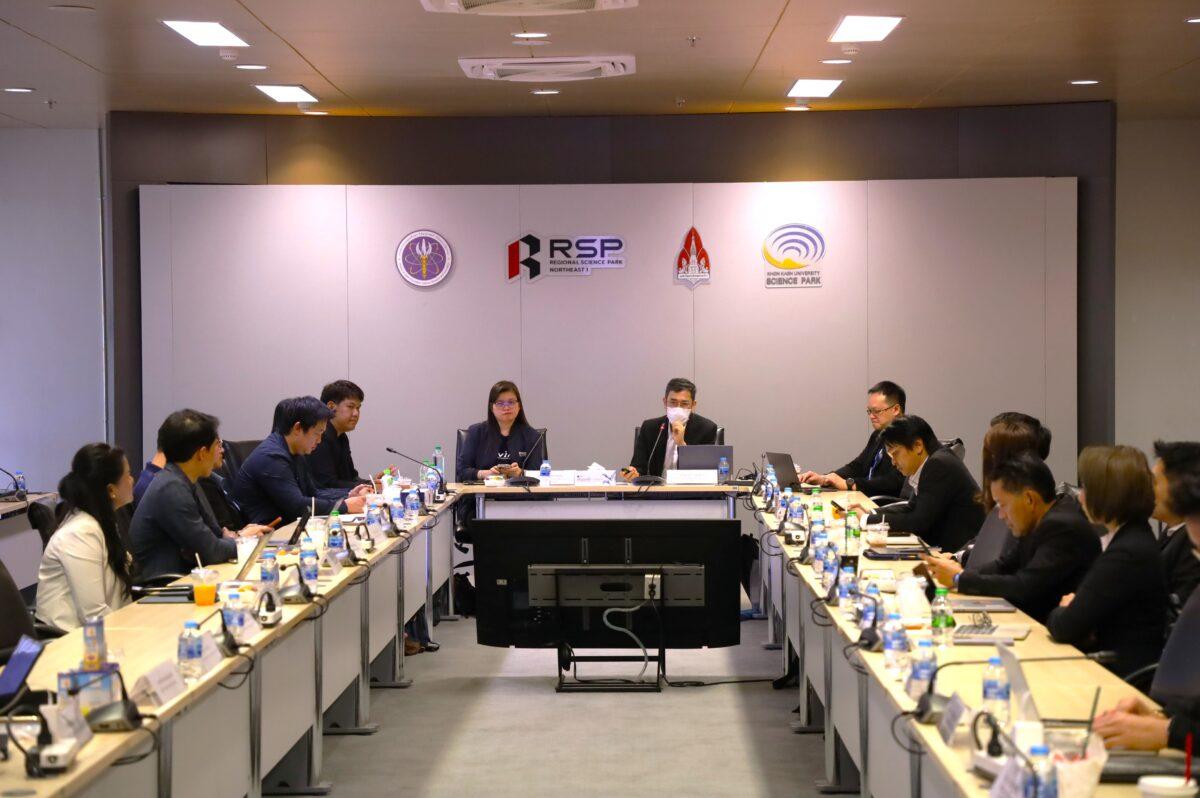
This meeting was organised to strengthen cooperation in developing the Kangsadan Medical Innovation District (KMID) with the ambition of establishing it as the regional centre for medical innovation within ASEAN. The KMID aims to connect educational institutions, hospitals, private sectors, and health technology startups to create a genuine area for real-world medical innovation testing (Sandbox) and to accelerate the deployment of Thai medical technology into the commercial market.
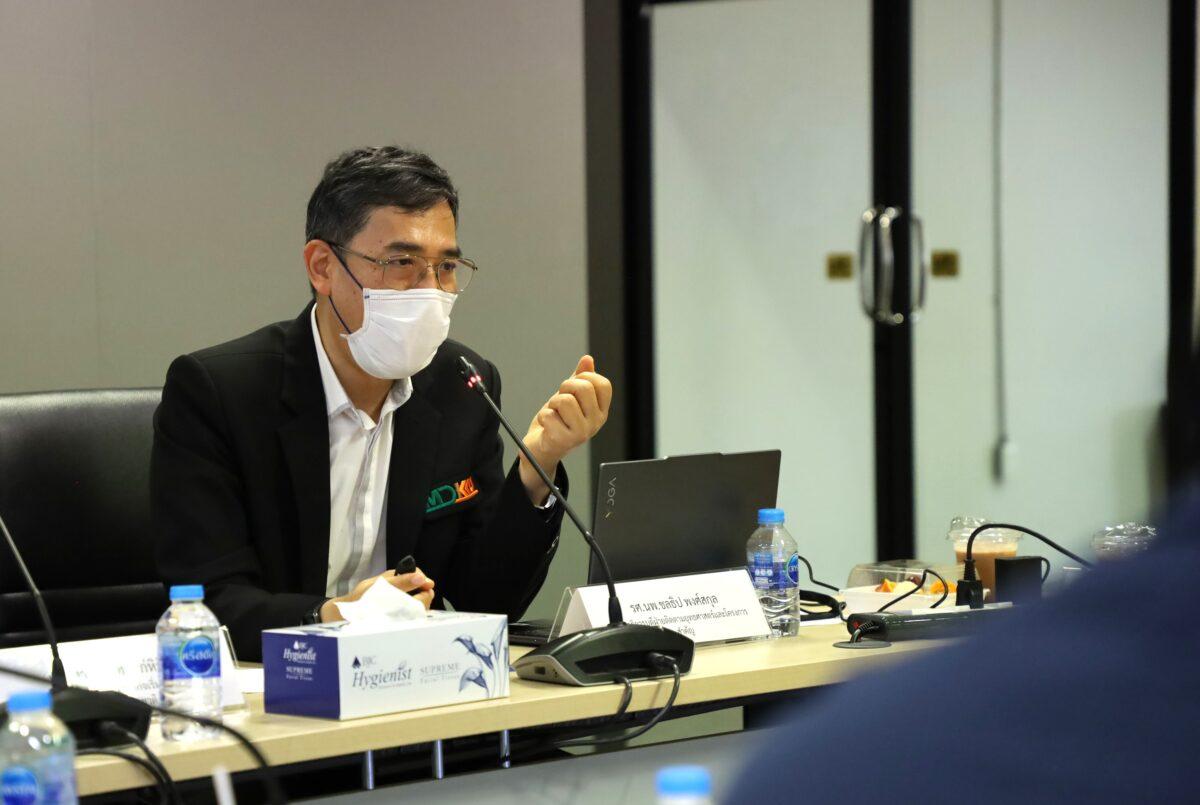
Associate Professor Cholatip stated that the Kangsadan Medical Innovation District possesses specific and rare regional potential. It is an area with high population density, anchored by Srinagarind Hospital, a major facility treating more than 10,000 outpatients and 5,000 inpatients daily. Furthermore, the district is closely surrounded by the Kangsadan community and features over 10,000 developed residential units nearby. Crucially, the district benefits from the robust research network provided by Khon Kaen University.
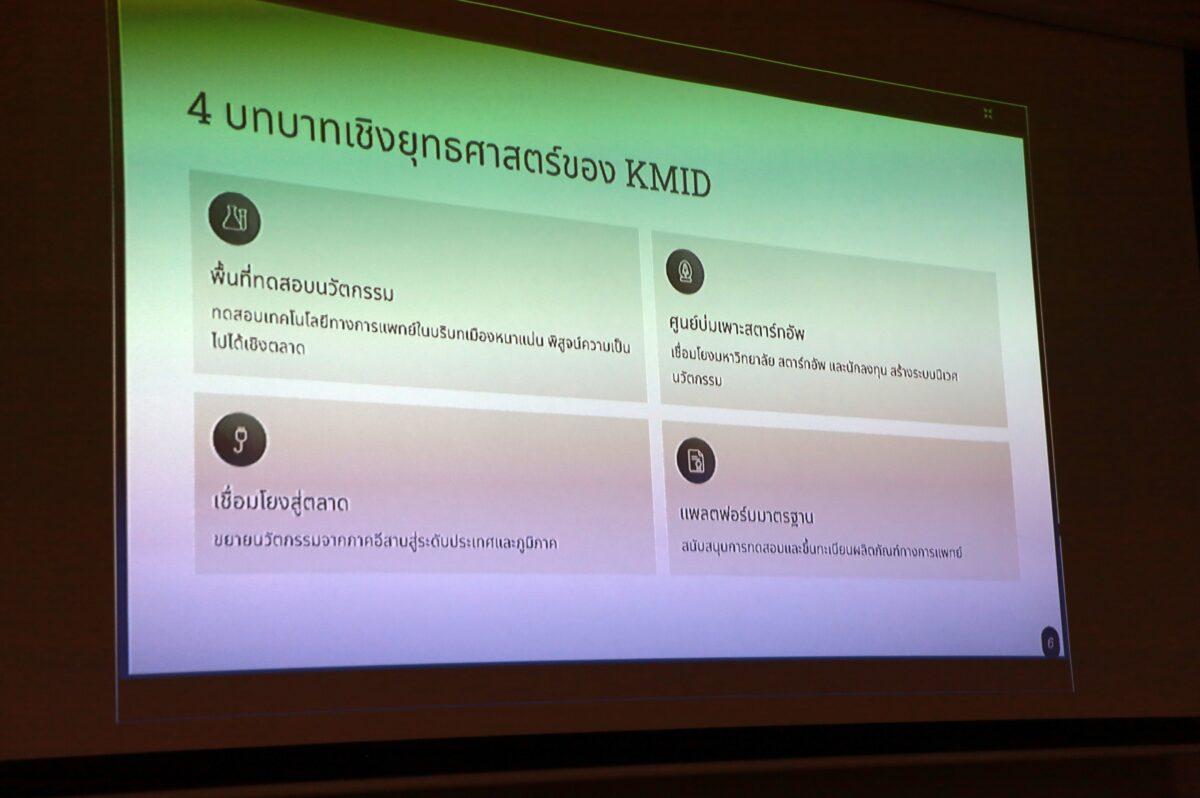
“Our goal is to integrate Khon Kaen’s existing assets and turn the district into a centre of coordination and a real-world testing area for innovations,” he explained. “Khon Kaen is a densely populated city, making it ideal for validating market feasibility. Therefore, we are linking university research with new health startups and striving to connect them to the regional market. Focusing only on Khon Kaen or Thailand will not be enough, so we ‘start small, but think global’.“
Associate Professor Cholatip further elaborated that the district will be driven by five core strategies: healthy communities, medical innovation, health business and tourism, organic agriculture, and sustainable environment. The initiative will focus on four key technologies: Multi-Omics (Genomics and Phenomics), AI technologies, Cell Therapy, and Regenerative Medicine. Additionally, the plan involves developing a Wellness Centre and a Central Laboratory (Central Lab) to provide services for entrepreneurs and researchers, reducing the need for them to invest in costly equipment individually.

Montha Kaihirun, Director of the Startup Promotion Department at NIA, emphasised the agency’s strong focus on the Thailand Innovation Hub: Medical & Health Tech project, which aims to ensure medical innovations successfully reach the market. She highlighted two main plans for the current year: the Incubation plan, targeting companies with existing products seeking development for market growth, and the Sandbox plan, intended for those with ready products who require real-world testing to fully refine their innovations before commercial release.
“We believe Thai people have high capabilities but often lack opportunities to pilot their innovations in a real setting. If universities and hospitals opened doors for these innovations to be tested in live environments,Thai technology could grow faster, generate higher revenue, boost local usage, and reduce reliance on imports,” said Ms. Kaihirun. She also noted that currently, 10 startups have joined the Incubation Programme, and 16 have joined the Sandbox Programme, many of which are Khon Kaen-based entrepreneurs.
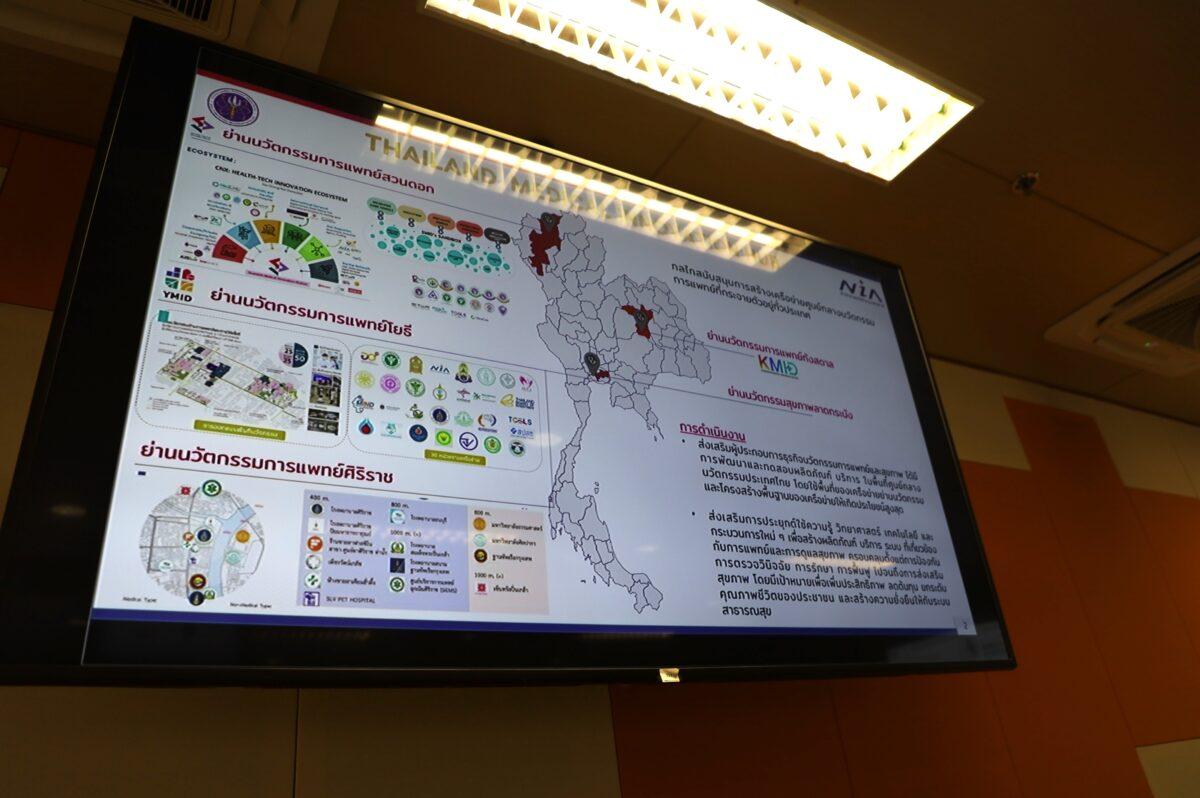
Ms. Kaihirun added that the NIA is ready to coordinate with the Food and Drug Administration (FDA) to expedite the registration process for innovative medical products, promote real-world testing through the Sandbox mechanism, and develop a standardised national platform. This platform is designed to help researchers and startups efficiently market their products at higher value, aligning with the government’s policies to push Soft Power and develop the medical industry as one of the six target industries.
Key participants in the meeting included Dr. Apirachai Wongsriworaphon, Director of Khon Kaen University Science Park; Assistant Professor Wiyada Punjaruk, M.D., Ph.D., Director of the KKU Cell Therapy Center; and Assistant Professor Jutarop Phetcharaburanin, Ph.D., Director of the National Phenome Institute – Thailand. Representatives from the Thai HealthTech Trade Association and medical innovation entrepreneurs, such as Everyday Doctor Co., Ltd. and Lilly Pharma Co., Ltd., were also present.
Following the meeting, the delegation visited the National Phenome Institute – Thailand at Khon Kaen University. Subsequently, on 4 December 2025, the group visited Srinagarind Hospital, Faculty of Medicine, Khon Kaen University, to further study the feasibility of piloting medical innovations within a clinical environment.