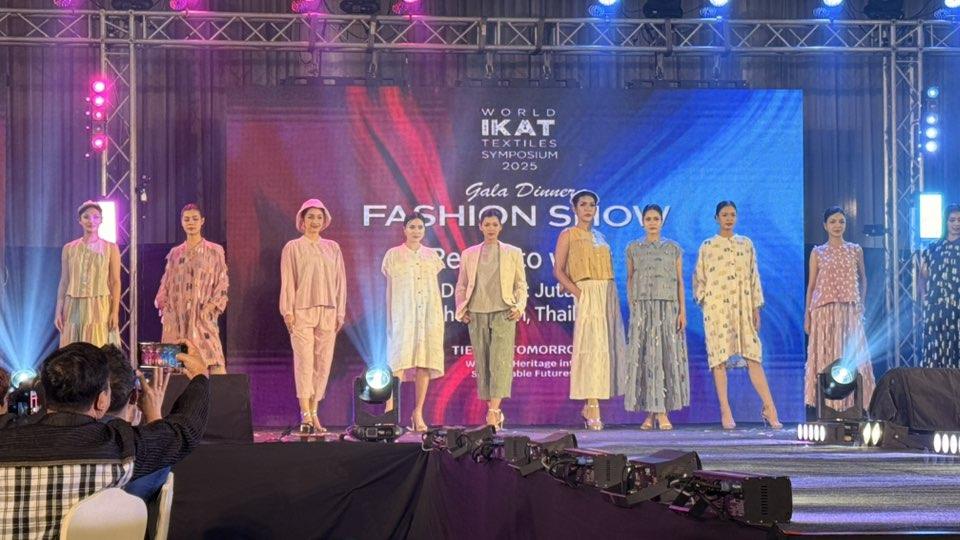
Khon Kaen University (KKU), in collaboration with international networks and MICE and cultural organisations, successfully spearheaded the World Ikat Textiles Symposium 2025 (WITS 2025). The event highlighted the Center of Excellence in MICE and Business Event Industry (CEMBEI) as a systematic mechanism for the World Craft City and expanded the roles of the MICE Center under the Faculty of Business Administration and Accountancy (KKBS) and the Faculty of Architecture as influential bodies in MICE, textiles, and Creative Exhibitions in the region.
The World Ikat Textiles Symposium 2025 (WITS 2025), which took place from 3 to 5 December 2025 at the Avani Convention Hall 3, Avani Hotel in Chonnabot District, alongside the Khon Kaen International Silk Festival, was not merely a cultural showcase. Rather, it functioned as an academic and operational platform, demonstrating Khon Kaen University’s readiness to systematically develop a knowledge ecosystem around Mudmee (Ikat) textiles, creative industries, and MICE (Meetings, Incentives, Conventions, and Exhibitions) in northeastern Thailand. Furthermore, it served as a significant example of the university’s role in driving the Cultural-based Creative Economy by systematically leveraging knowledge, research, and international networks to elevate local wisdom onto the global stage.

WITS 2025: A Mechanism for International Elevation of Ikat Knowledge
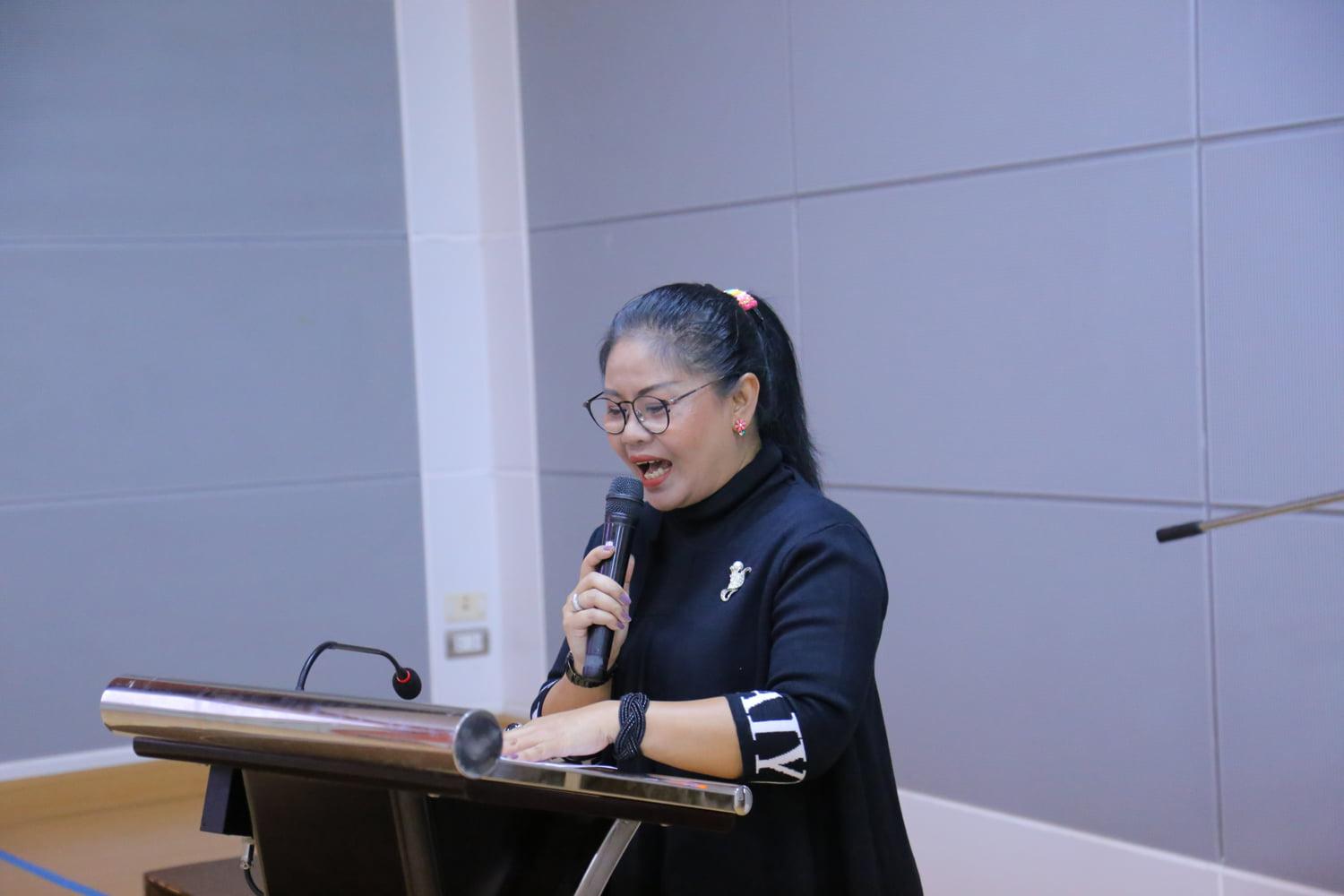
Assistant Professor Donruetai Kovathanakul,Ph.D., Director of CEMBEI, who founded the research centre instrumental in Khon Kaen’s successful application to become a World Craft City for Ikat-Mudmee and who has championed the Ikat and MICE industry policies since 2018, provided insightful observations.
She explained that while Khon Kaen Province’s certification as a “World Craft City for Ikat – Mudmee” since 2018 is a powerful cultural asset, sustaining and advancing this status requires a robust and continuously evolving knowledge system, rather than reliance on exhibitions or cultural tourism alone. WITS 2025 therefore functioned as a critical knowledge platform, bringing together textile scholars, designers, weavers, and industry practitioners to decode “Isan Ikat” across dimensions of art, history, culture, technology, and contemporary creative and commercial application.

CEMBEI: The Academic Ecosystem for a World Craft City and MICE Industry
Assistant Professor Donruetai further explained that CEMBEI, which stands for the Center of Excellence in MICE and Business Event Industry, is a unit under the Khon Kaen Business School (KKBS), Faculty of Business Administration and Accountancy, Khon Kaen University.
Its core mission is to generate research, develop knowledge, and build national and international networks to strengthen the MICE industry in the Northeast, particularly by connecting local industries, such as Thai silk, to the global market.
The role of CEMBEI extends beyond merely organising international events; it focuses on developing the essential Knowledge Infrastructure required to transform Khon Kaen into a MICE City whose cultural identity is a pivotal selling point.

CEMBEI performs multi-dimensional roles, including:
- Connecting Ikat textiles with the World Crafts Council (WCC), the Thailand Convention and Exhibition Bureau (TCEB), the Creative Economy Agency (CEA), and global academic networks.
- Expanding the dimension of ‘research utilisation’ in policy, culture, and business.
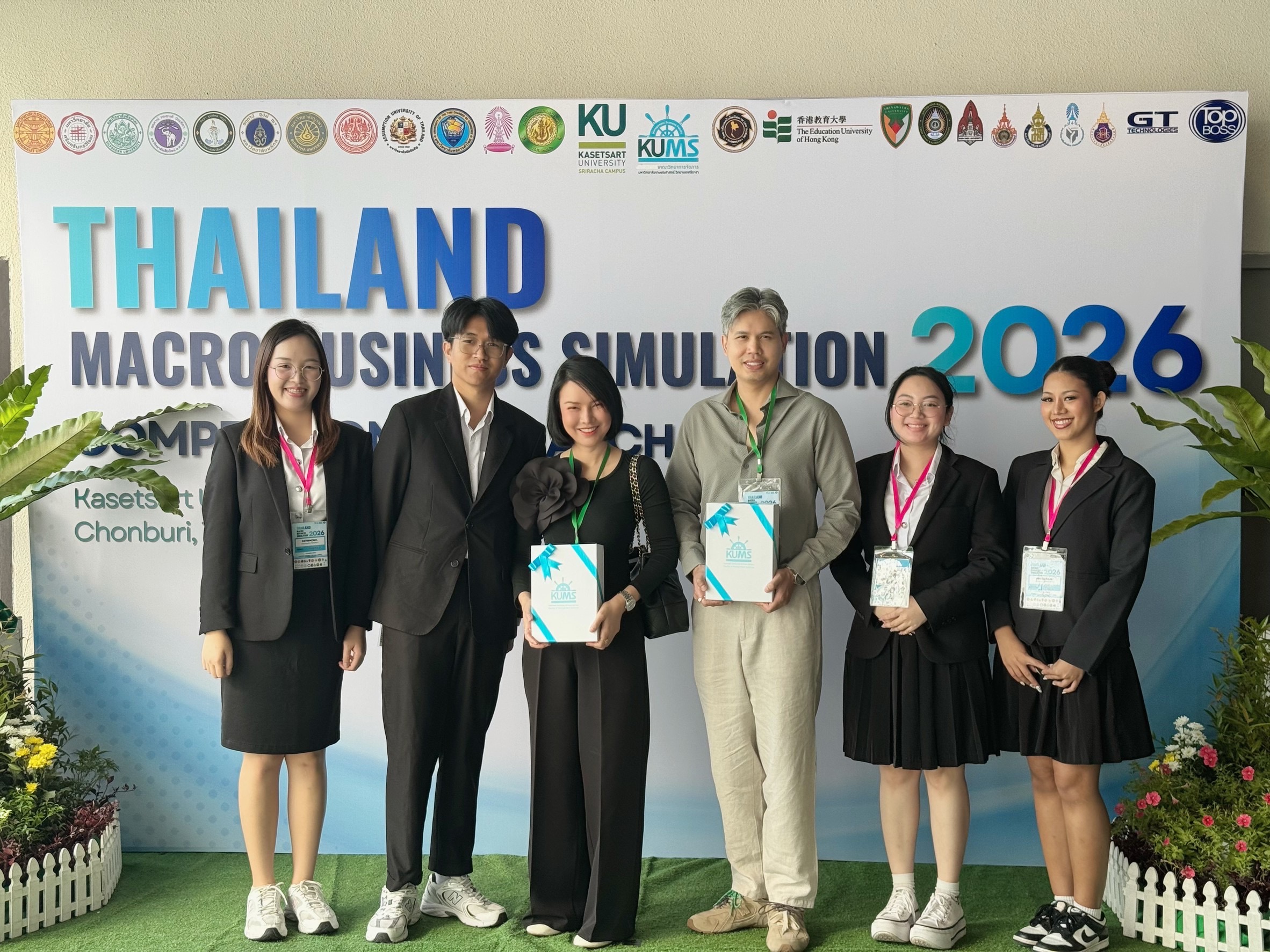
- Creating a real-world learning space for MICE students through direct involvement in international events.
- Establishing an ecosystem for the Mudmee–Design–MICE micro-cluster.
These actions reflect the role of a modern university that produces academic work not only for publication but also to create economic, social, and identity impact (Societal Impact-Driven University).
Faculty of Architecture: The Creative Exhibition Hub of Isan
In WITS 2025, the Faculty of Architecture served as a Co-host and the leader in Creative Exhibition through the display titled “DECODE: The Aesthetic Codes of Isan Ikat.” This exhibition was academically significant in several aspects:
- Creating a “contemporary design language” for Ikat textiles.
- Systematically visualising data and curating the design.
- Providing a space for dialogue among weavers, designers, and academics.
- Proposing new hypotheses regarding the beauty and aesthetic codes of Isan textiles.
This approach ensured that Ikat textiles were perceived not just as handicrafts but as a body of knowledge that could be reinterpreted for the fashion, design, and contemporary art industries.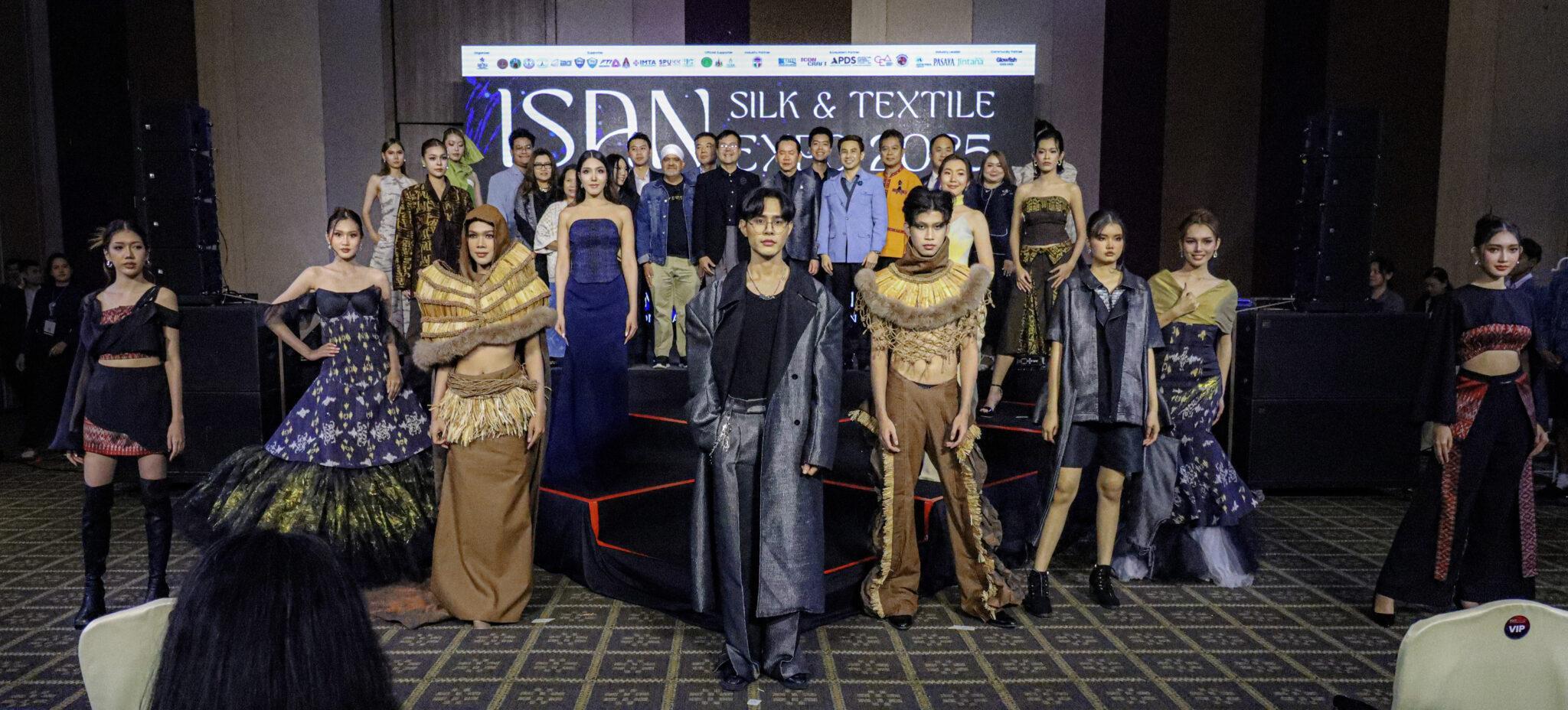
The core concept of this year’s event was “Weaving Heritage into Sustainable Futures,” positioning Ikat textiles as a symbol of connection between indigenous wisdom and the future, particularly focusing on:
- Sustainability of raw materials and the environment.
- Security of the weavers’ indigenous knowledge.
- Establishing fair business models for weavers and communities.
- Fostering innovation in textiles and design.
This framework aligns strongly with several Sustainable Development Goals (SDGs), notably SDG 11 (Sustainable Cities and Communities), SDG 12 (Responsible Consumption and Production), and SDG 17 (Partnerships for the Goals).
KKBS Students: Professional MICE Practitioners
Academically, WITS 2025 represented a true model of Experiential Learning. Students undertook various operational roles, including Speaker Assistant, Protocol Officer, Registration Staff, and Exhibition Booth Information Provider. This hands-on experience honed skills essential for the modern MICE industry, such as MICE Operation, Protocol and Communication, International Coordination, Exhibition Management, and Research-informed MICE.
This approach is crucial for producing graduates with both theoretical knowledge and practical experience—a highly sought-after combination in the ASEAN MICE market.

Khon Kaen’s Rise as a Regional Creative–MICE Hub
Assistant Professor Donruetai analysed that, regionally, the success of WITS 2025 indicates that Khon Kaen Province is shifting from merely being a “MICE City” to becoming a “Knowledge and Creative Economy City,” with the university serving as the core ecosystem driver.
The cooperation between CEMBEI, the Faculty of Architecture, government agencies, the private sector, and international organisations represents a comprehensive city development model that integrates culture, research, design, and MICE.
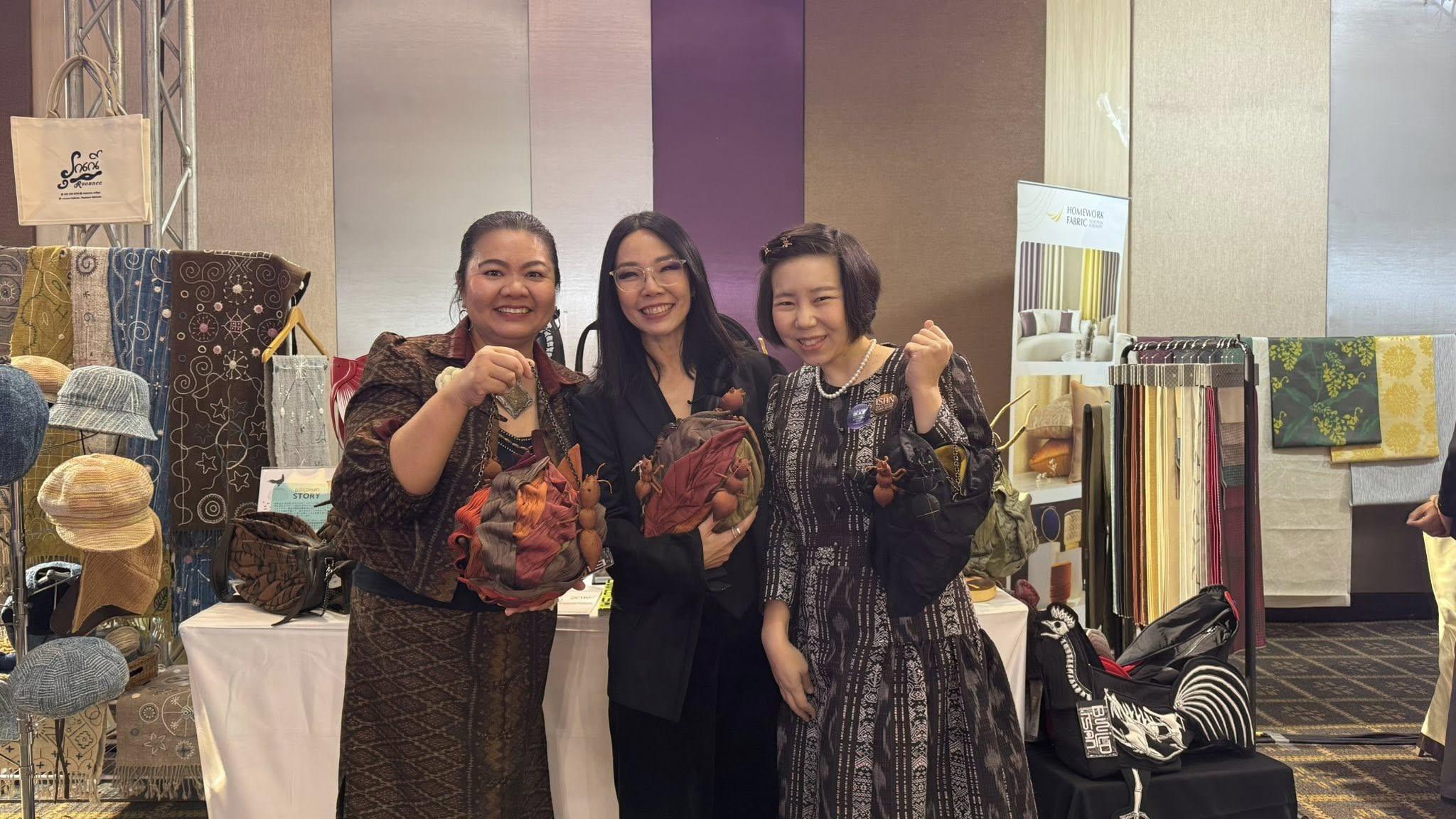
In conclusion, WITS 2025 was more than a conference; it was a ‘laboratory for the future’ that connected knowledge, wisdom, technology, and the creative industries. Khon Kaen University acted as more than an educational institution; it was a key institution fostering the ecosystem for cultural and economic resilience in the region through the MICE industry, thereby positioning Khon Kaen on the global stage as a centre for Ikat textiles, design, and MICE, stated Assistant Professor Donruetai.


News: Benjamaporn Mamook
Images: Assistant Professor Donruetai Kovathanakul,Ph.D., Director of CEMBEI / Faculty of Architecture, KKU