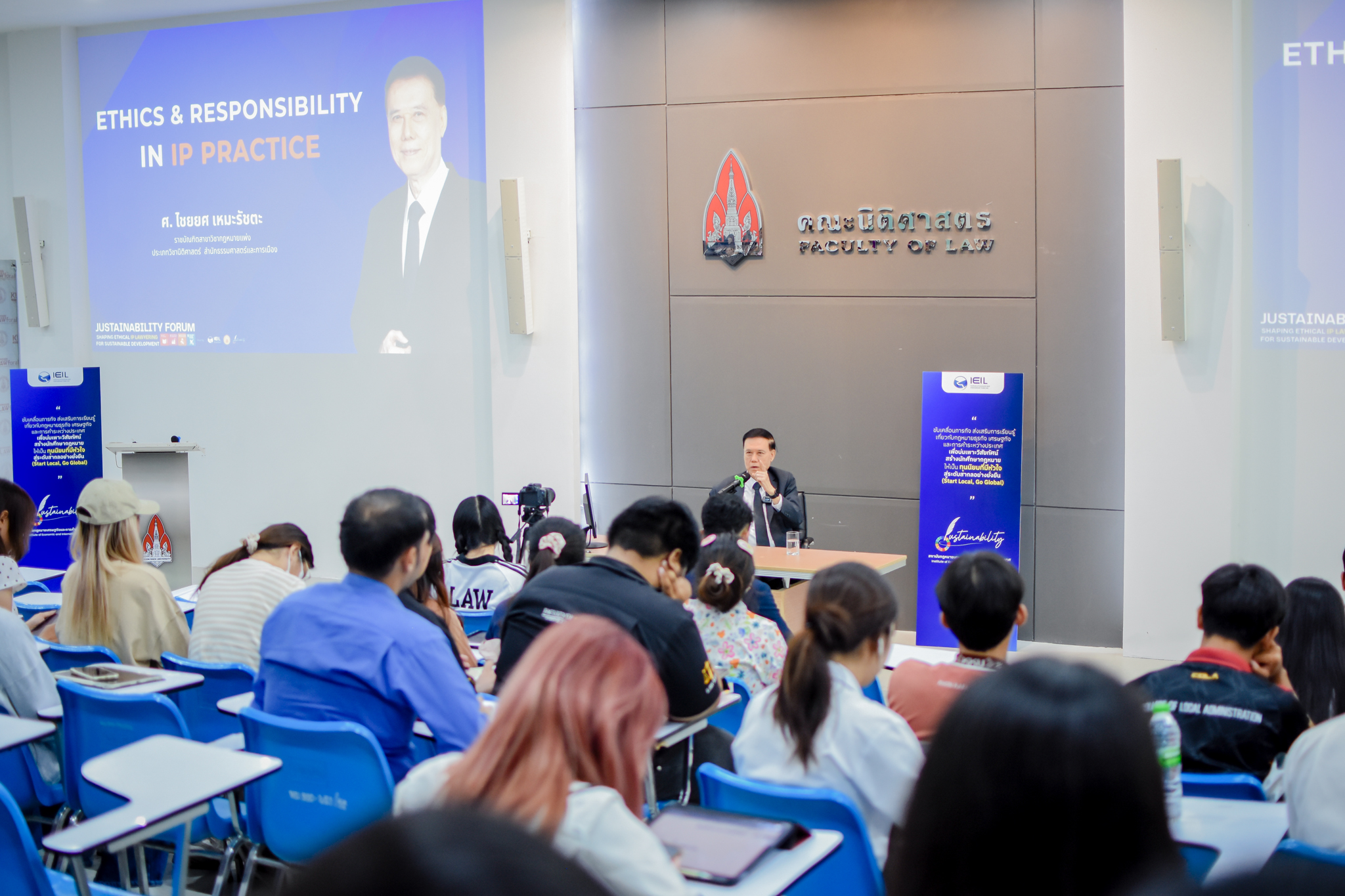

On 23 January 2026, the Ministry of Agriculture and Cooperatives, in collaboration with Khon Kaen University (KKU) and sectoral partners, officially inaugurated the “Northeastern Agriculture Fair 2026” in a grand ceremony. Ms. Ing-orn Panyaki, Chief Inspector General of the Ministry of Agriculture and Cooperatives, presided over the opening. Associate Professor Darunee Jothityangkoon, Ph.D., Dean of the Faculty of Agriculture, Khon Kaen University, delivered the welcoming address and presented the event report. The event saw strong attendance from leaders of government sectors, executives from public and private organisations, farmers, researchers, and interested members of the public at the Chaturamuk Exhibition Building, Agricultural Technology Park, Khon Kaen University.

The 34th Northeastern Agriculture Fair is held under the concept, “Market Leadership, Innovation Enhancement, Income Generation, Environmental Care,” running from 23 January to 1 February 2026. The primary objectives are to exchange academic findings and agricultural research, disseminate and transfer agricultural technology knowledge to communities, provide vocational training for farmers and interested parties, and promote the expansion of agribusinesses and small and medium-sized agro-industries. This event is regarded as a crucial regional platform that unites all sectors to drive sustainable agricultural development, and it is projected to generate economic circulation of approximately 600 million baht.

Associate Professor Darunee Jothityangkoon, Ph.D., Dean of the Faculty of Agriculture, Khon Kaen University, explained that the Northeastern Agriculture Fair is an annual collaborative effort between the Faculty of Agriculture, Khon Kaen University, the Ministry of Agriculture and Cooperatives, and agencies related to agricultural products. The theme this year, “Market Leadership, Innovation Enhancement, Income Generation, Environmental Care,” reflects the current direction of agricultural development, which mandates considering the market before production. She noted that in the past, farmers often produced first and then sought a market, frequently leading to oversupply issues.

“Today, however, the market is more complex, and consumer demands are diverse, encompassing high-quality products, safe products, and varied sales channels, including general markets and online ordering. It is therefore vital for producers to clearly study the market before commencing production,” Associate Professor Darunee stated.
“Once the market is understood, the next step is utilising innovation and technology to enhance production efficiency to meet market demands. This includes using drones for spraying, employing precision agriculture for optimal use of inputs, and integrating Artificial Intelligence (AI) and digital technology into every stage—from developing new plant varieties and plot management to online marketing. Although many farmers are older and may view these technologies as a challenge, the presentations at this event will demonstrate how technology can increase the value of agricultural products. The ultimate goal is to ensure better incomes for those in the agricultural sector, moving beyond the long-standing perception that farming equates to poverty.”

Associate Professor Darunee continued that increasing income alone is insufficient without considering environmental sustainability. This is the origin of the additional dimension, “Environmental Care,” in this year’s theme. The agricultural sector is both a contributor to climate change through greenhouse gas emissions and the sector most severely impacted by environmental shifts. Current production practices must therefore consider the health of both consumers and the environment, particularly addressing the PM 2.5 dust crisis caused by burning straw and sugarcane fields. Various agencies are working together to find solutions so that farmers can produce without harming the environment. If environmental standards are overlooked, certain products may also face restrictions in export markets.
“This event is therefore not merely a place to taste food, buy souvenirs, or take photos. It is a vital platform where people from all regions can update their knowledge of new agricultural practices, which aligns with Khon Kaen University’s commitment to being a university dedicated to society. While positioning ourselves as a world-class research institution, our roots remain firmly grounded in the community. Last year, the event attracted over one million visitors and generated approximately 600 million baht in circulation, demonstrating its significant role in driving the economy.”

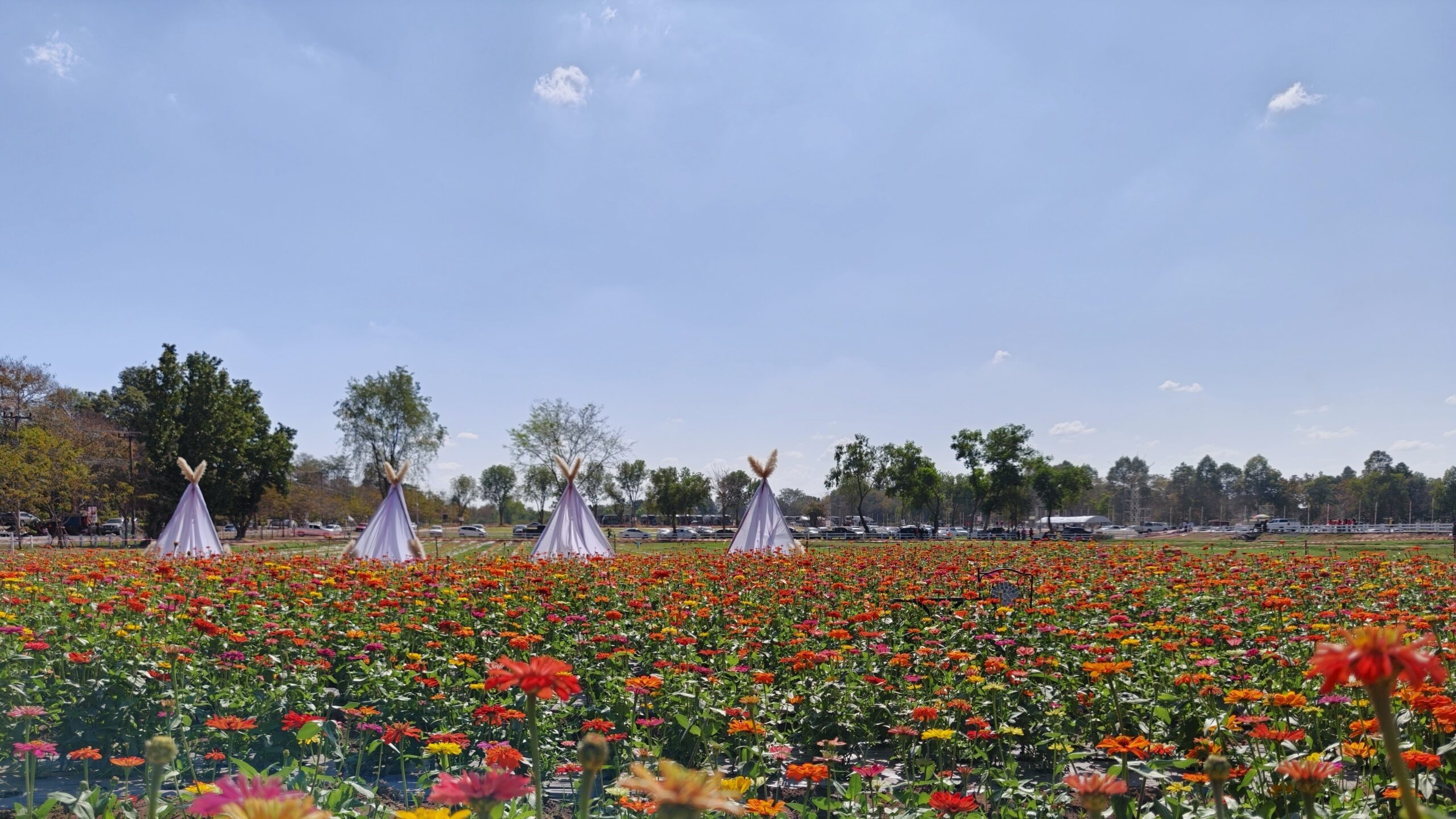
“In addition to academic service, the Faculty of Agriculture also plays a crucial role in cultivating a new generation of agricultural workers, as most current farmers are elderly. It is essential to attract youth into the sector by adjusting curricula to emphasise entrepreneurship skills, business design, and the application of technology. This aims to transform the image of the agricultural sector to be more appealing and modern, linking it with tourism and other industries. This will encourage young people to inherit and develop farming careers with new knowledge. A prime example is the KKU Smart Flower Farm project, which students initiated during the COVID-19 pandemic and which has become Khon Kaen province’s first cold-climate flower garden. This demonstrates that the agricultural sector sells more than just food; it can create value from aesthetics and agro-tourism experiences,” concluded Associate Professor Darunee.

Ms. Ing-orn Panyaki, Chief Inspector General of the Ministry of Agriculture and Cooperatives, commended the sustained collaboration among KKU affiliated units, Khon Kaen provincial government offices, agencies under the Ministry of Agriculture and Cooperatives, and private sector organisations. She praised all parties for recognising the importance of the Northeastern Agriculture Fair and co-organising it for the 34th consecutive year, stating that this extensive collaboration exemplifies excellent operational integration across all sectors.

“Elevating the agricultural sector through market focus not only strengthens food security and community sustainability but also drives comprehensive agricultural development. We promote creativity in the production process, increase the value of products, and create new items that meet market demand. Furthermore, incorporating local culture and traditions into agricultural development strengthens local communities and farmers. Simultaneously, using technology and innovation enhances the efficiency and quality of yields. This fair therefore represents a critical opportunity for knowledge exchange and innovation to support the sustainable advancement of the agricultural sector.”

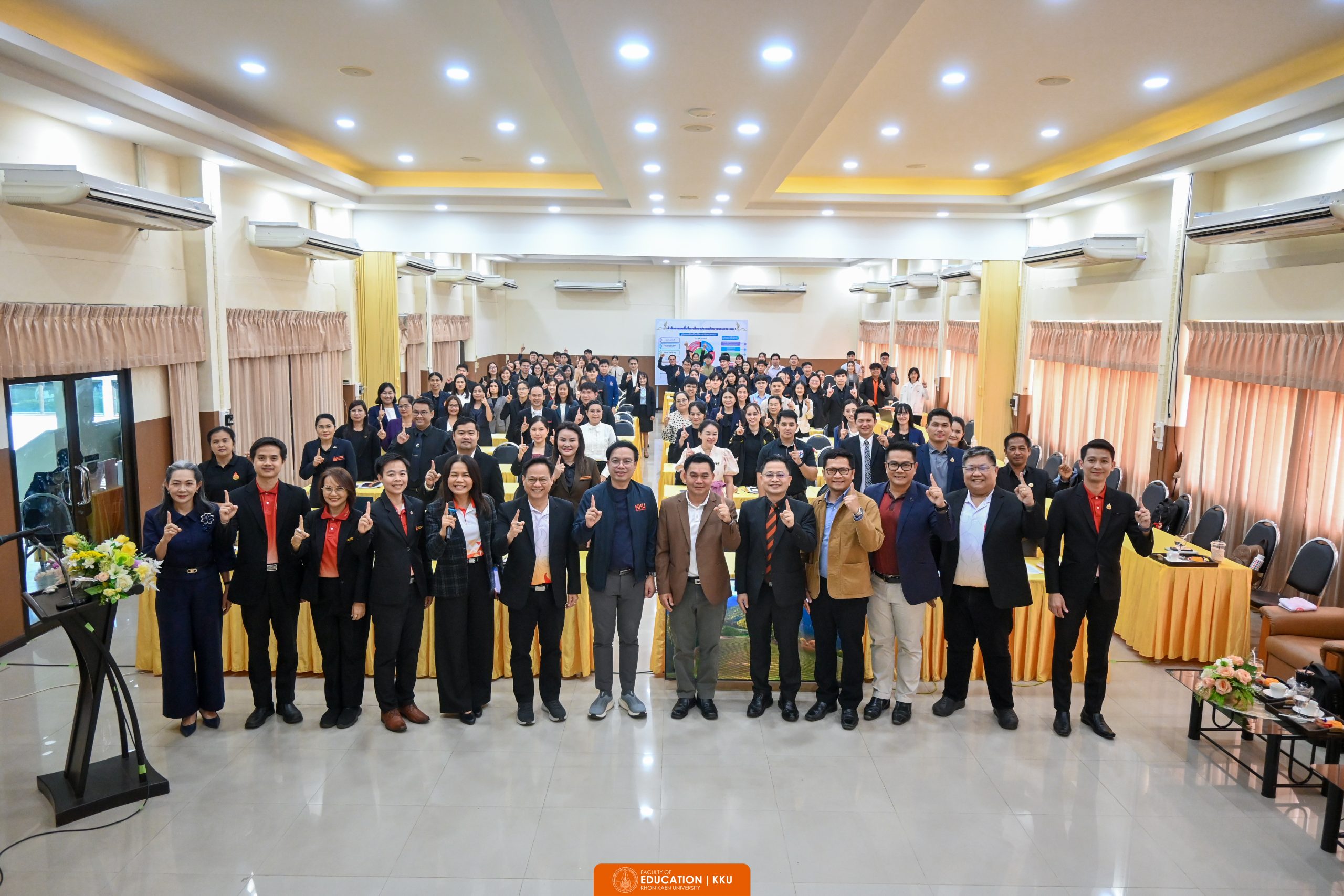
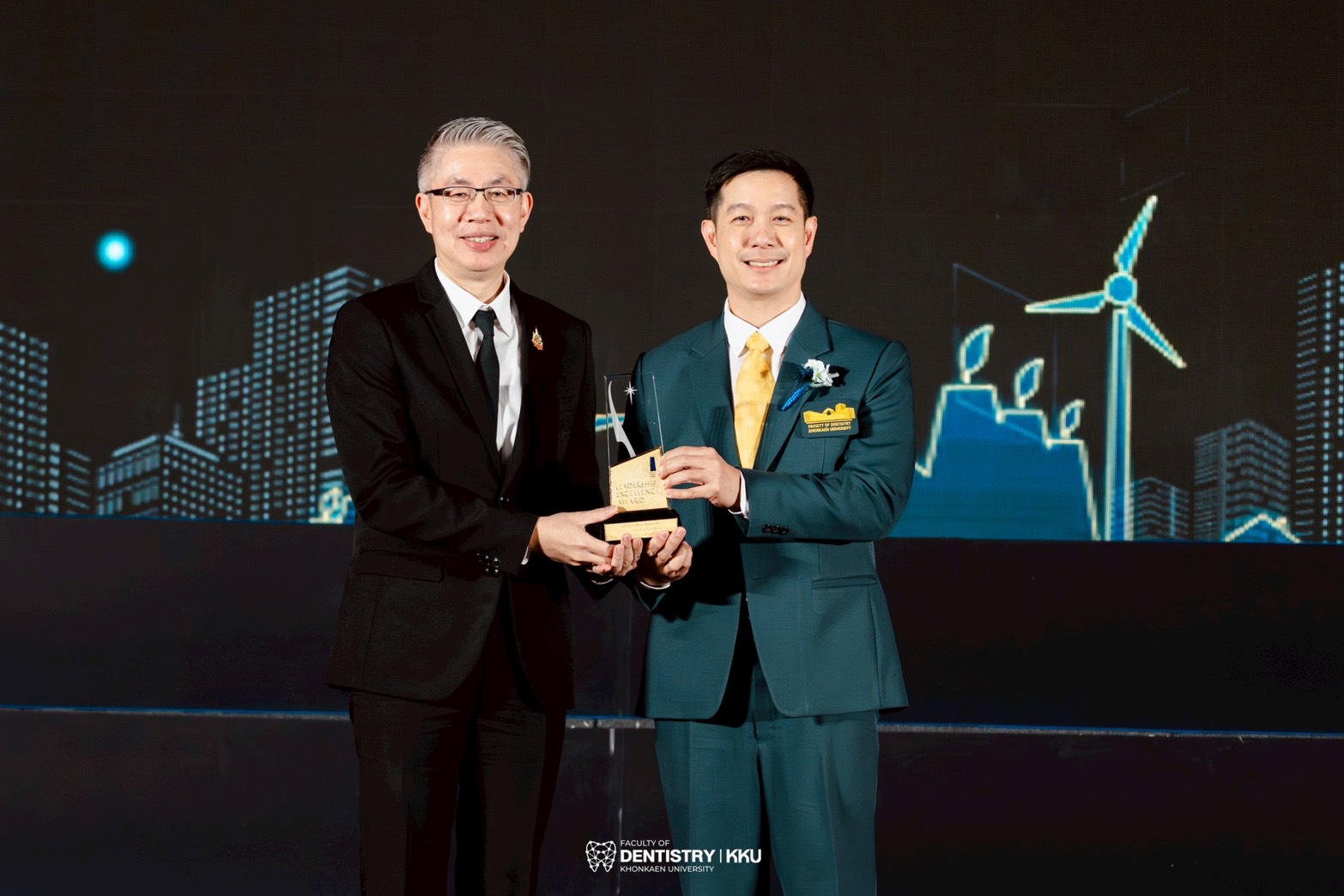
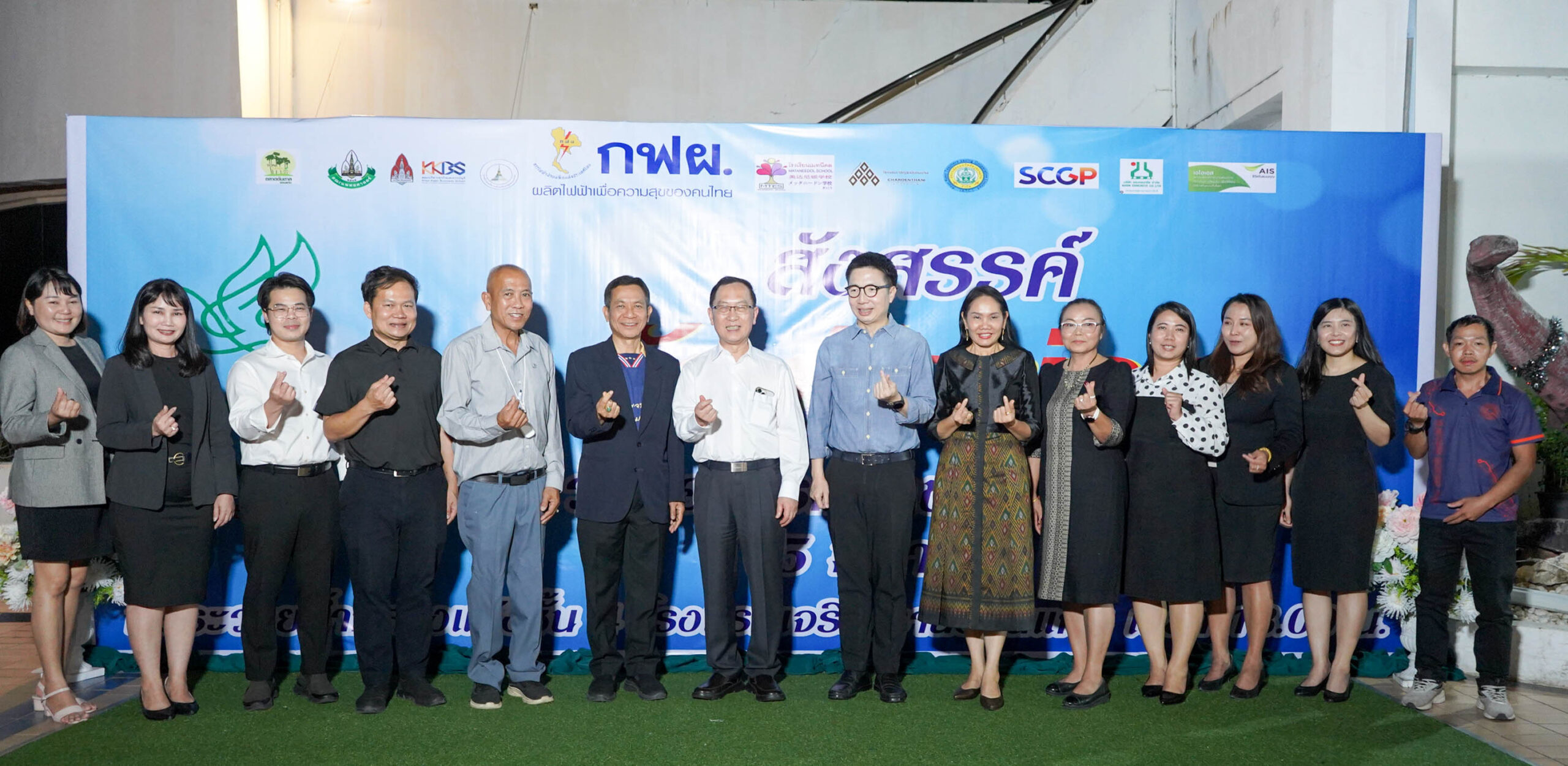
The official opening ceremony featured performances by prominent Isaan artists, including Mr. Por Chaladnoi Songserm, National Artist in Performing Arts (Mor Lam), and Mor Lam Puangphet Kalaphan, Isaan Heritage Artist in Performing Arts (Mor Lam Khlon), alongside performances by the Faculty of Fine and Applied Arts, Khon Kaen University. The President and attendees then paused in silence to mourn Her Majesty Queen Sirikit The Queen Mother. Following this, plaques were presented to ten benefactors who supported the event. A group photo was taken with departmental heads, consuls, university executives, and relevant personnel, before the presiding chair and various departmental heads toured the exhibitions inside the Chaturamuk Exhibition Building and surrounding areas.

Highlights of the fair include five key zones organised by the Department of Agriculture, featuring: a display of plant varieties and technology for safe food production; a zone on crop production and environmental conservation; a zone dedicated to raising standards for GAP, organic farming, and GI products; a market and export zone; and an academic seminar zone.

The Department of Agricultural Extension showcased the development of high-quality plant varieties, high-value agricultural careers, and Young Smart Farmers, covering production, processing, technology demonstration, and market creation for Isaan farmers.
The Department of Land Development presented knowledge on sustainable soil management and rehabilitation, including e-Service soil testing, soil and water conservation, and the use of soil amendments to reduce costs and increase yields. Concurrently, the Rice Department displayed new and recommended rice varieties along with modern rice production technology, such as low-carbon rice cultivation, and the use of eco-engineering and drones to increase the efficiency and sustainable value of Thai rice. Furthermore, the Department of Livestock Development showcased and held a competition for the rare “Dwarf Buffalo,” a native breed that attracted significant interest from attendees.
The Northeastern Agriculture Fair 2026 is open for free admission from 23 January to 1 February 2026, at the Khon Kaen University Agricultural Technology Park.
For more details, please visit the Northeastern Agriculture Fair Facebook งานวันเกษตรภาคอีสาน