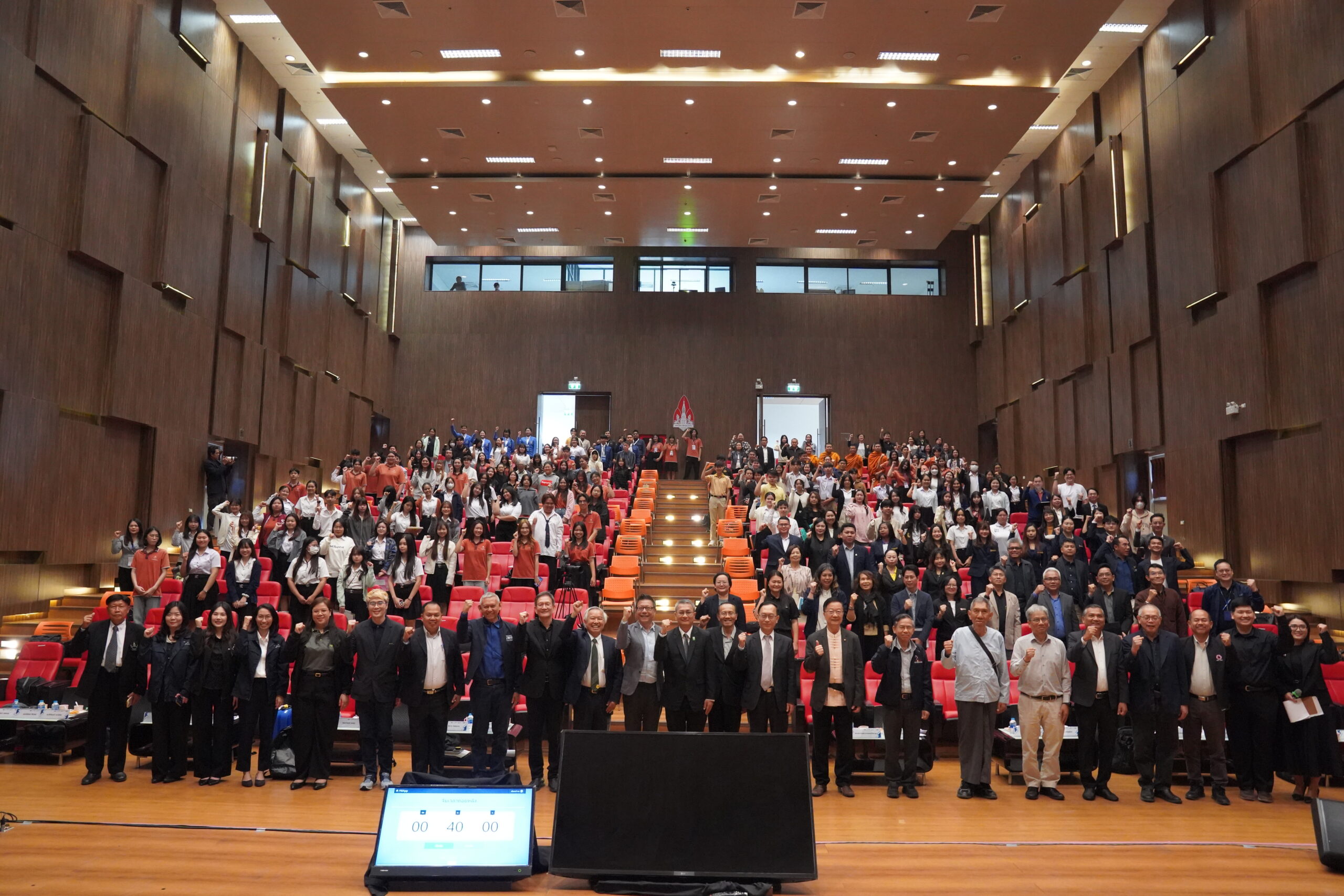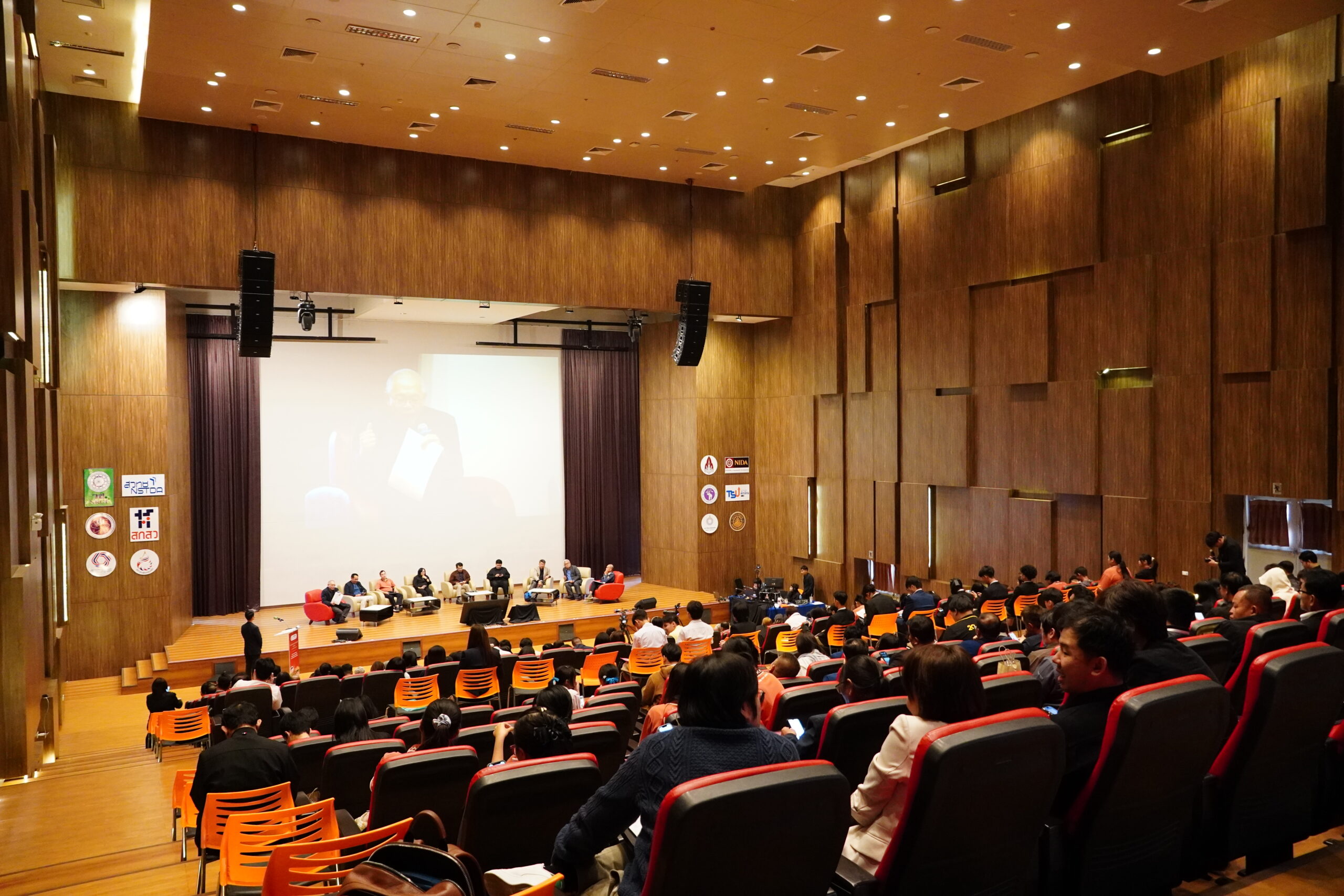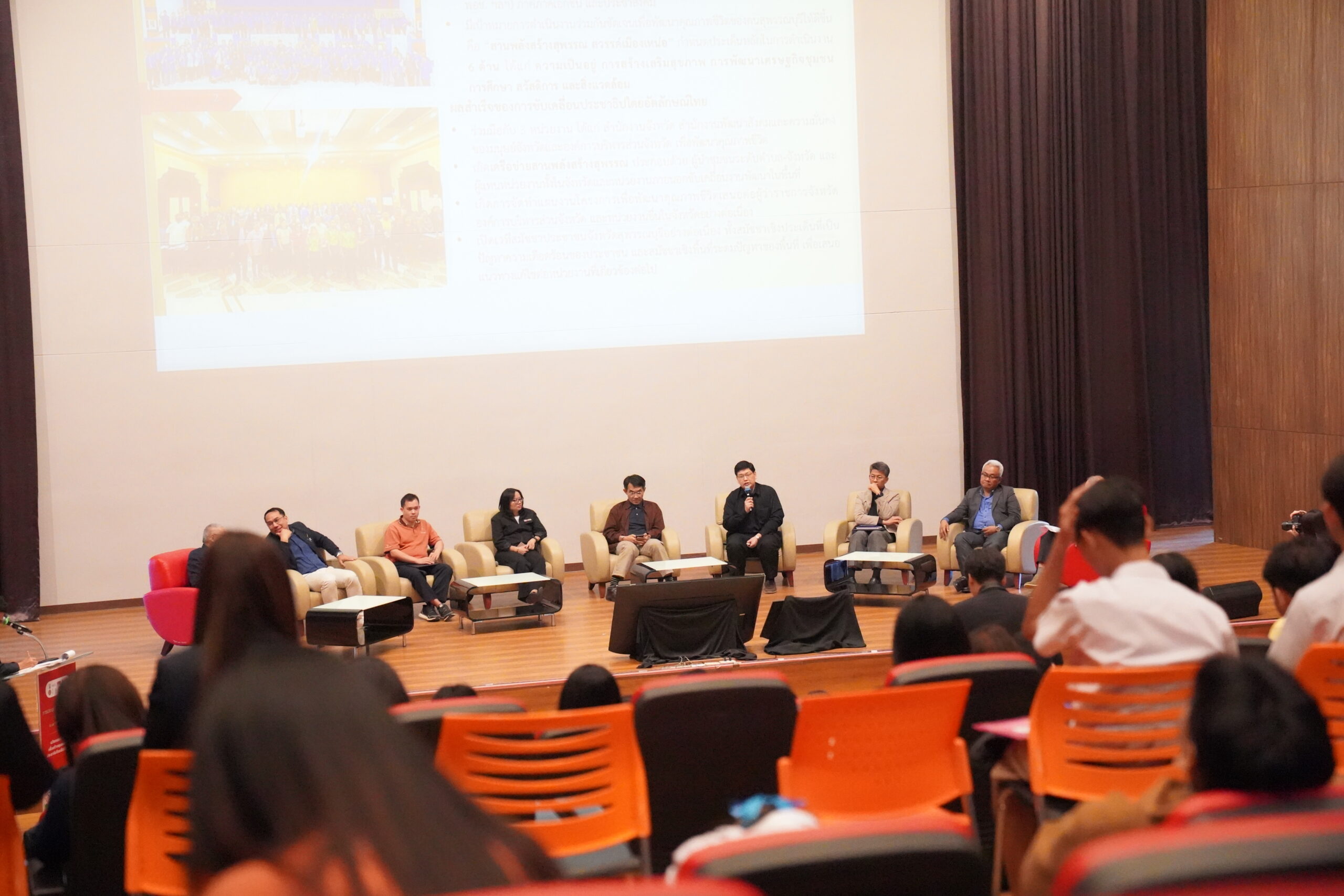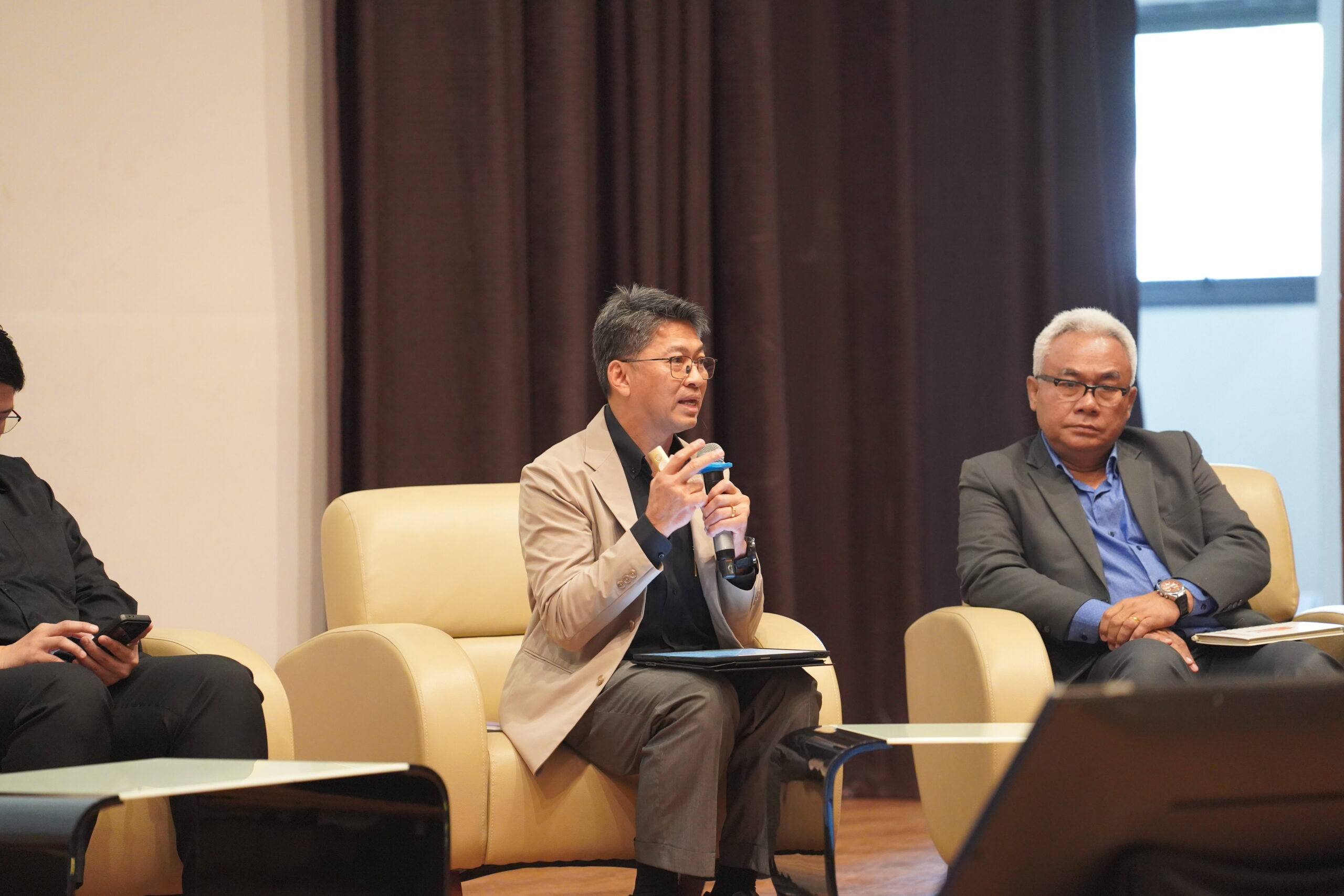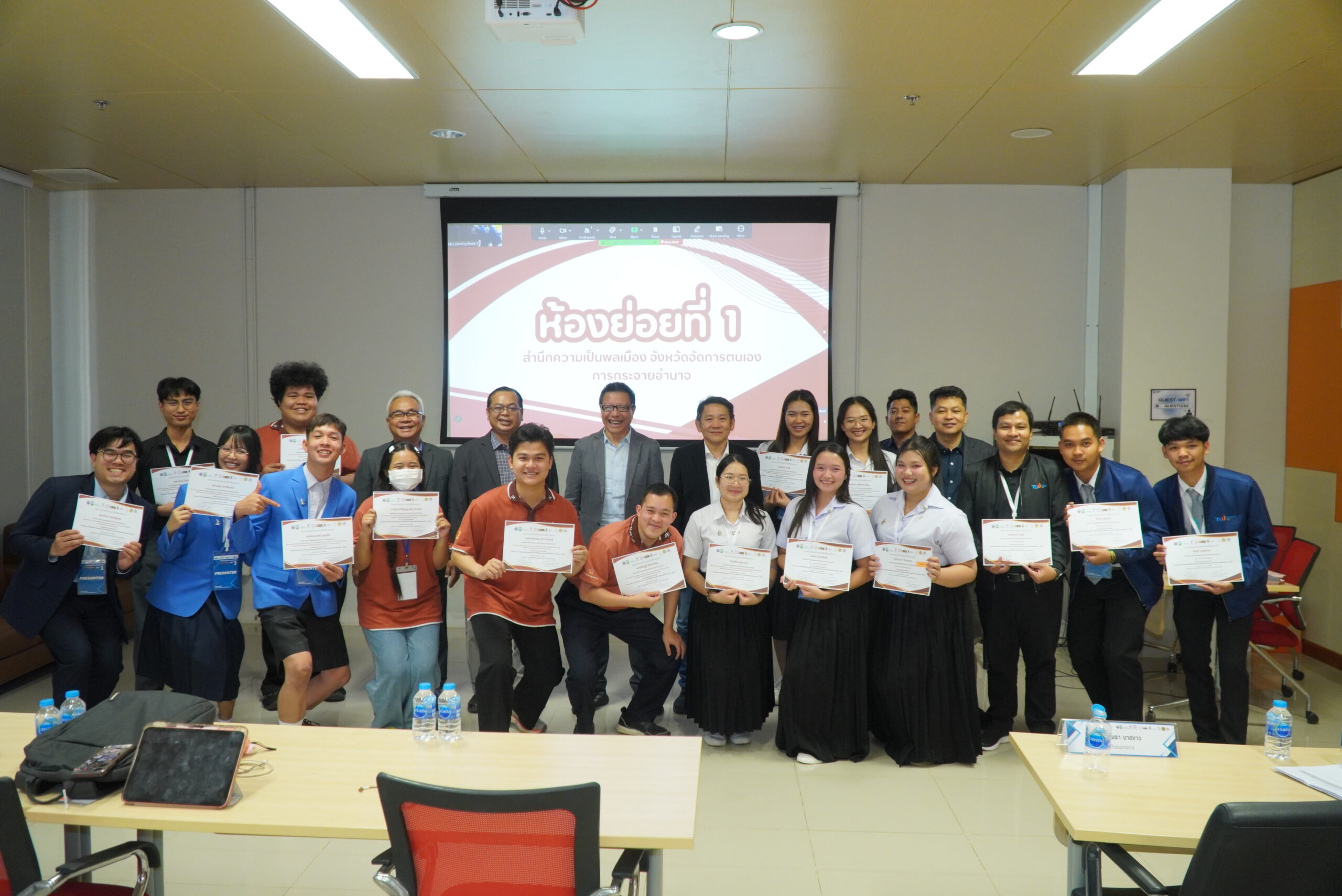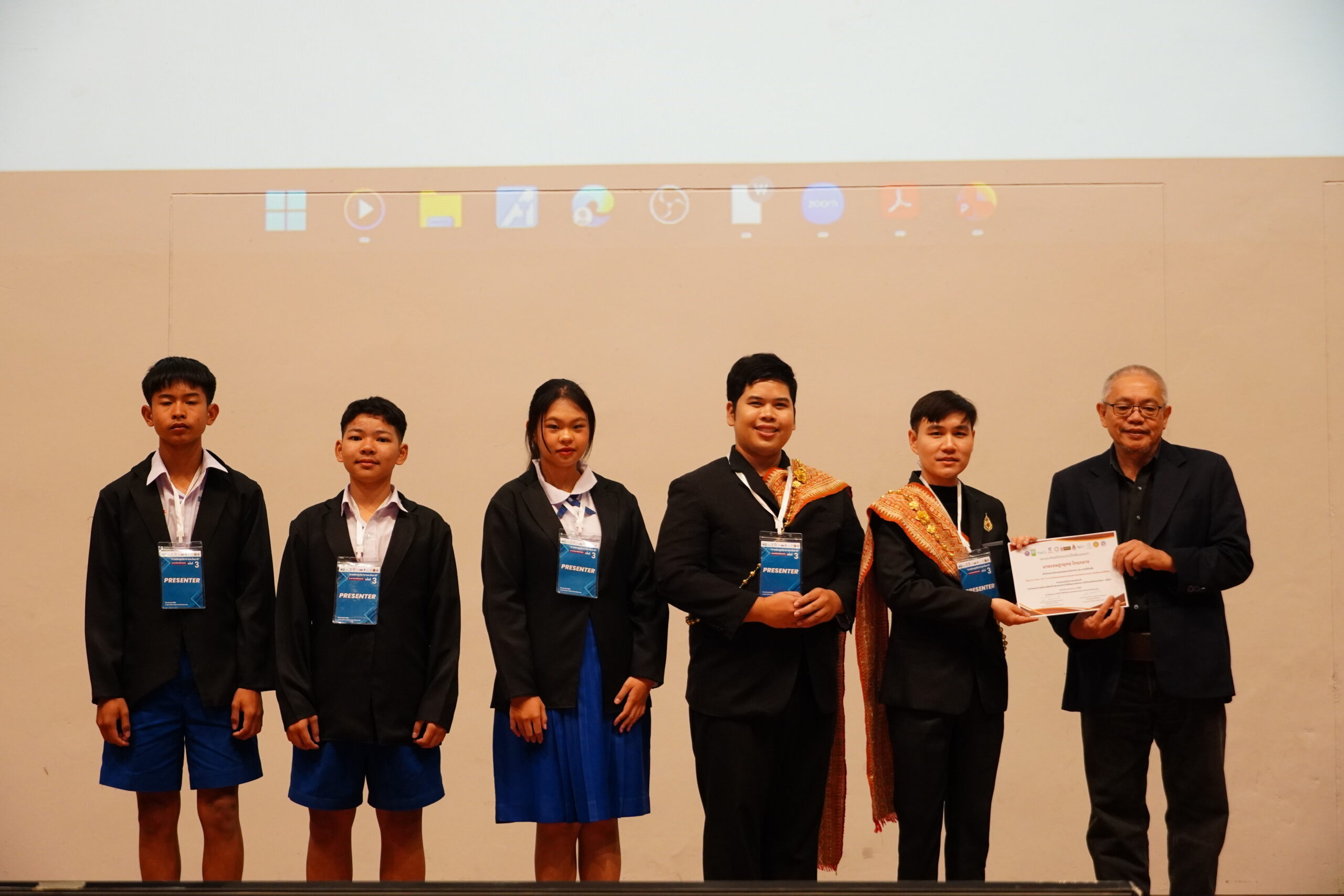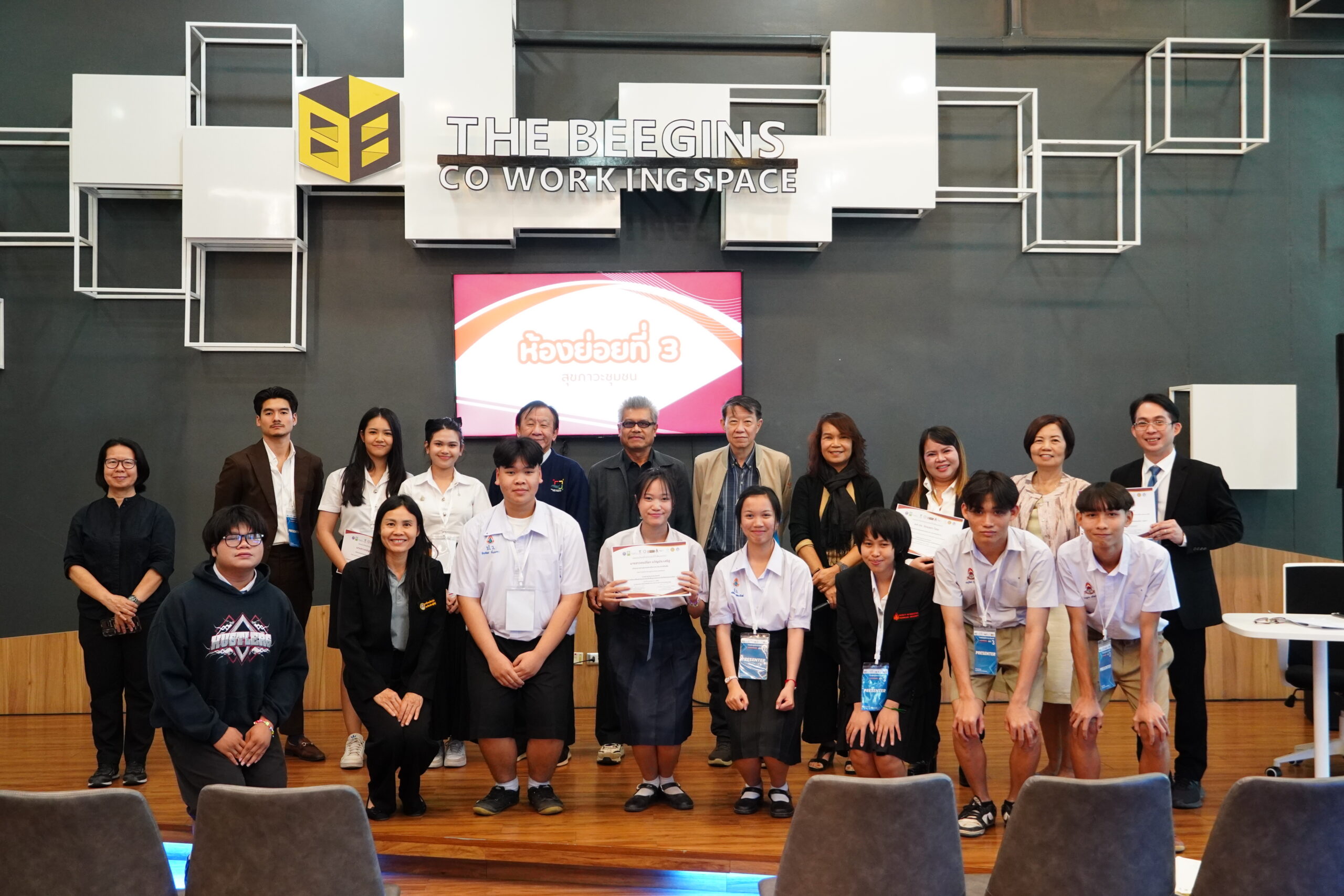
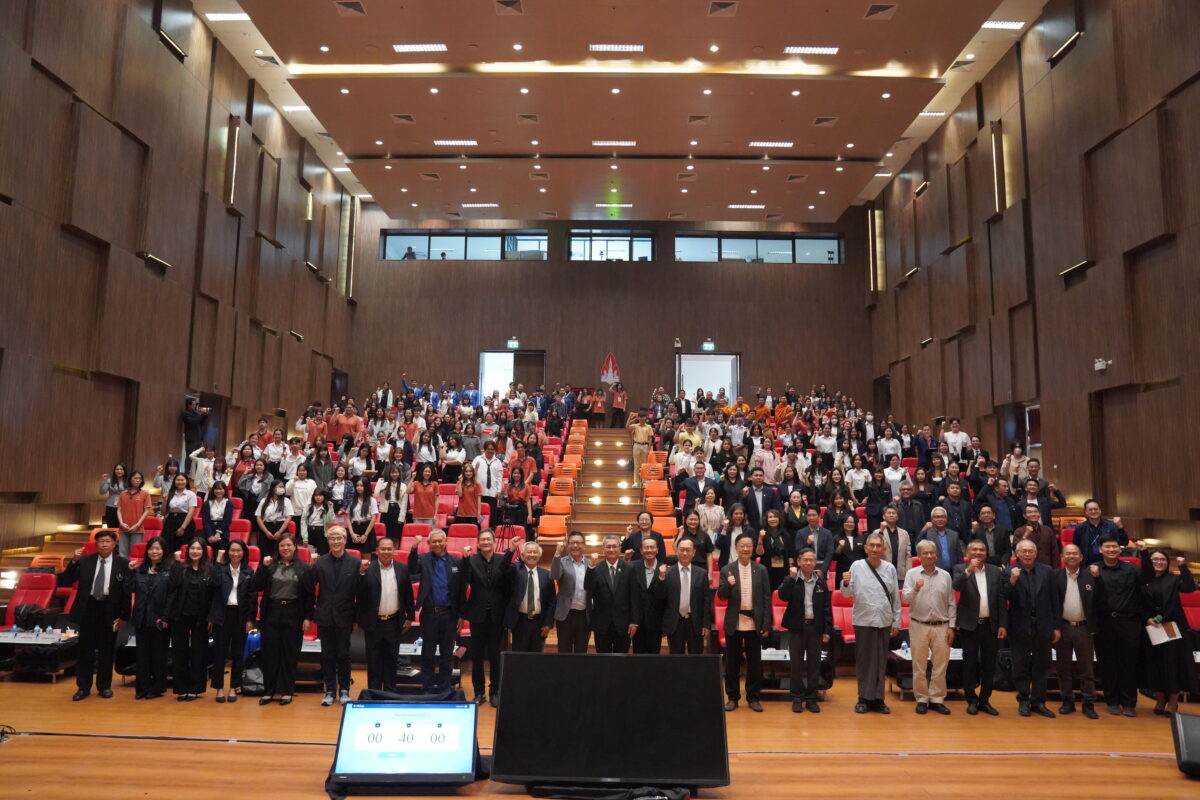
On 30 January 2026, Khon Kaen University (KKU), in collaboration with the National Institute of Development Administration (NIDA) and a network of governmental, private, and civil society partners, successfully organised the 3rd National Academic Conference under the theme “Social Innovation for Building Strong Communities: The Foundation of Thai Democratic Identity.”
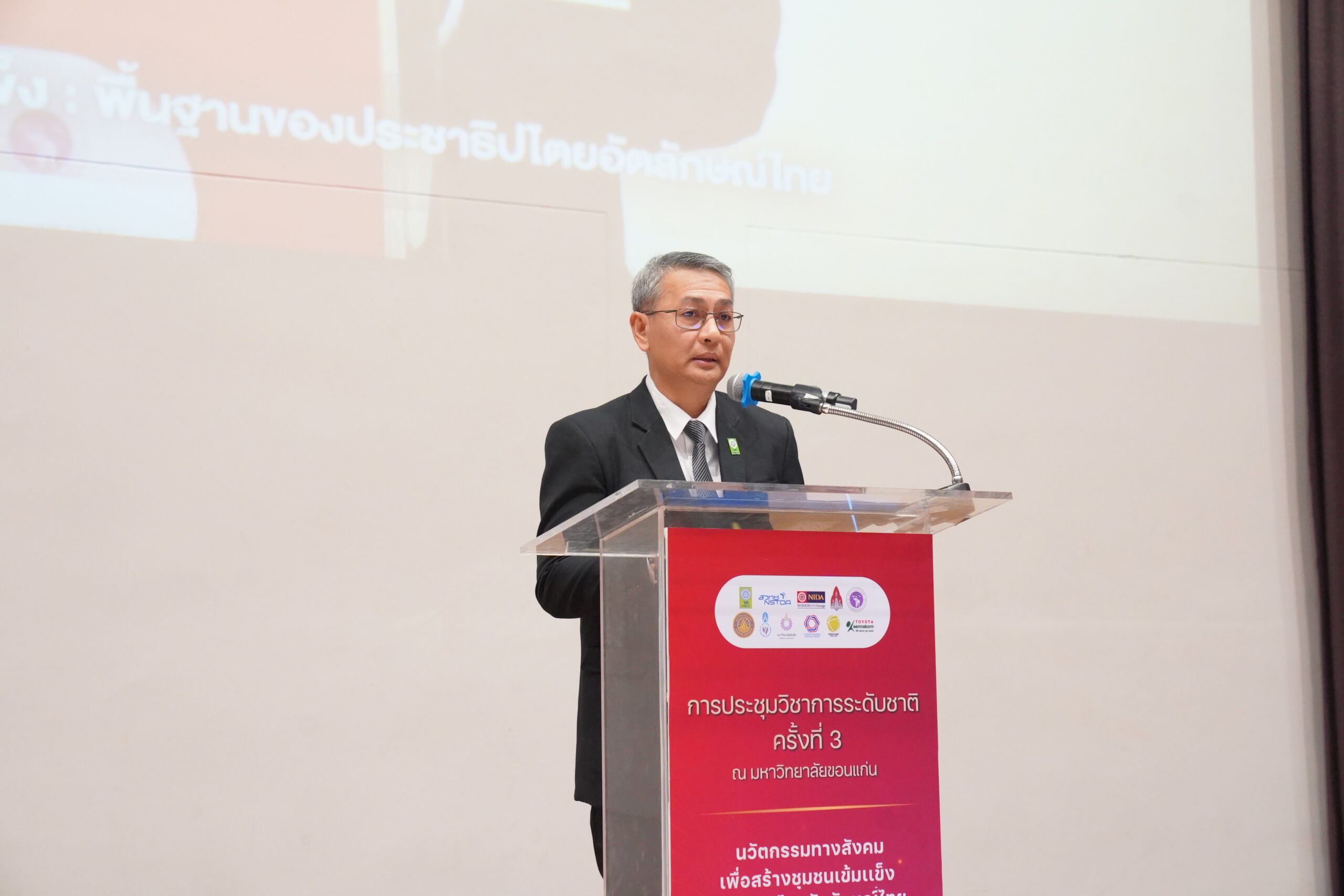
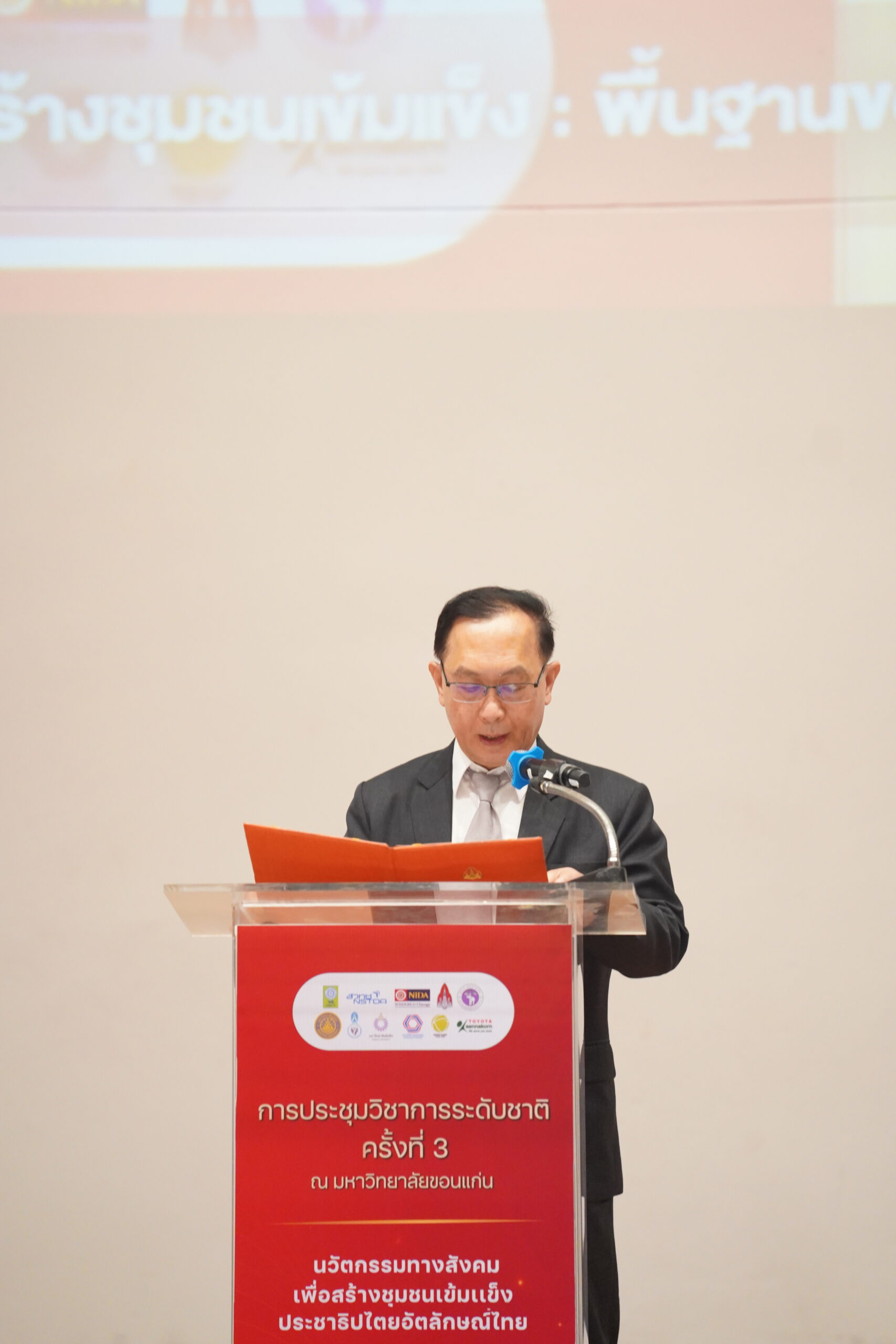
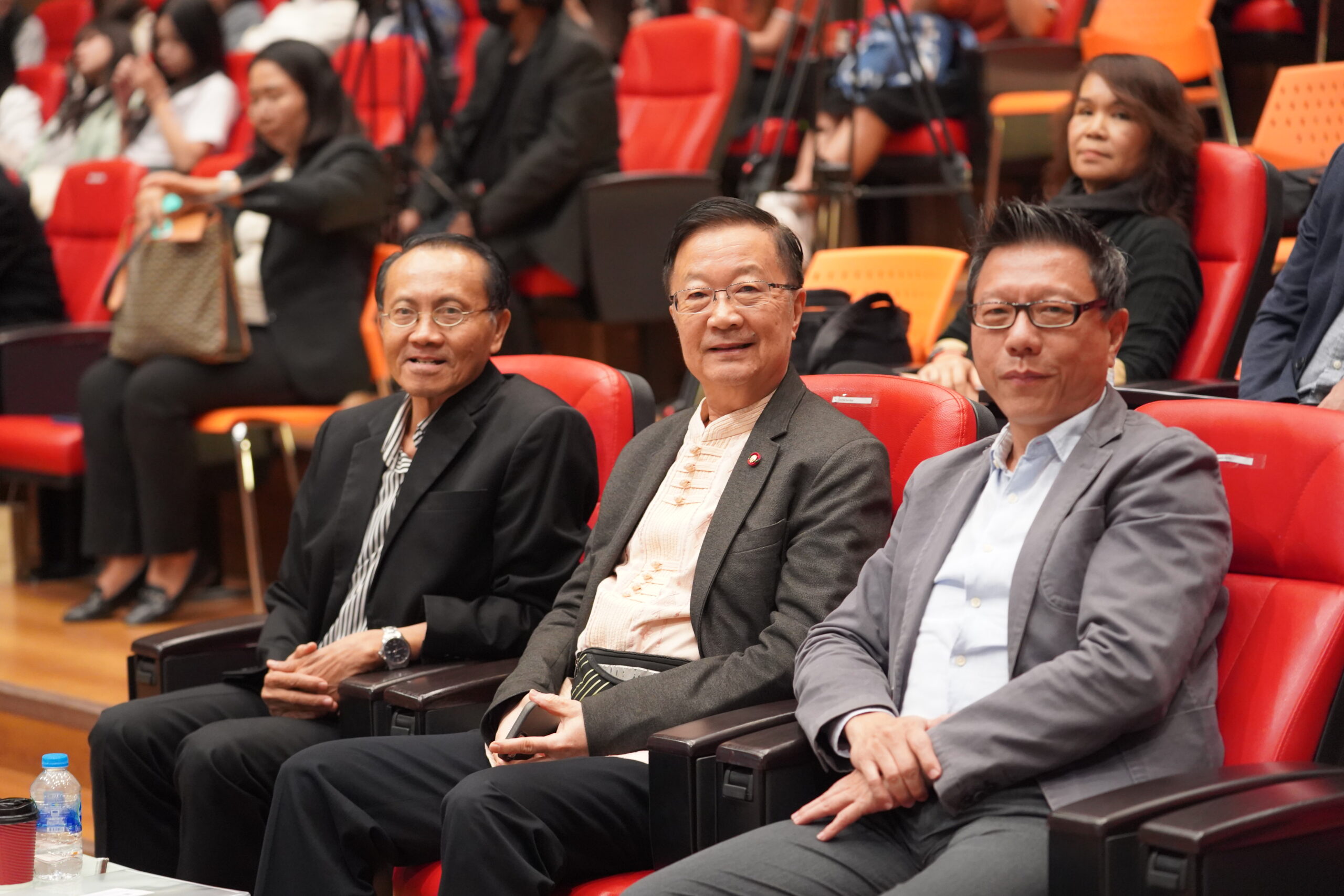
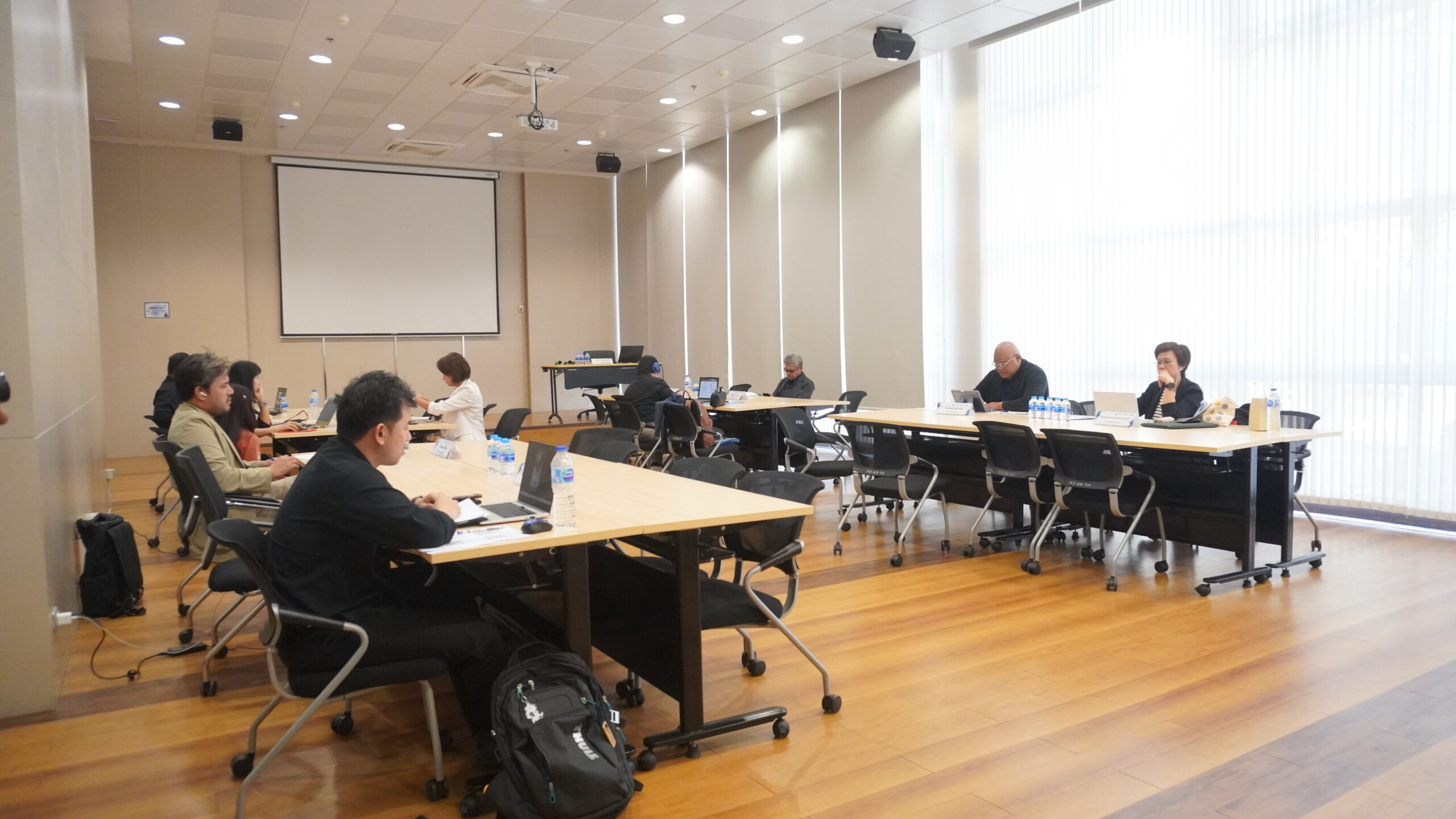
The conference was officially opened by Mr. Ekapong Musikacharoen, Director of Science, Research and Innovation Promotion and Utilization Division (TTC – Office of the Permanent Secretary for Higher Education, Science, Research and Innovation). He was joined by key participants, including Associate Professor Charnchai Panthongviriyakul, M.D., President of Khon Kaen University; Dr. Ampon Jindawattana, Secretary of the Committee on Public Health Affairs; Associate Professor Dr. Prapart Pintobtang, Senator; Professor Dr. Banjerd Singkaneti, Head of the Research Project; and representatives from academic institutions and network organisations across the country. The event saw a robust turnout at the Auditorium, Khon Kaen University Science Park.
The conference was organised as part of a research project funded by the National Research Council of Thailand (NRCT). The initiative seeks to strengthen community development through participatory research, fostering collaboration among the public sector, private sector, and academic networks. Its overarching goal is to reduce social inequality and develop administrative mechanisms responsive to citizens’ needs.
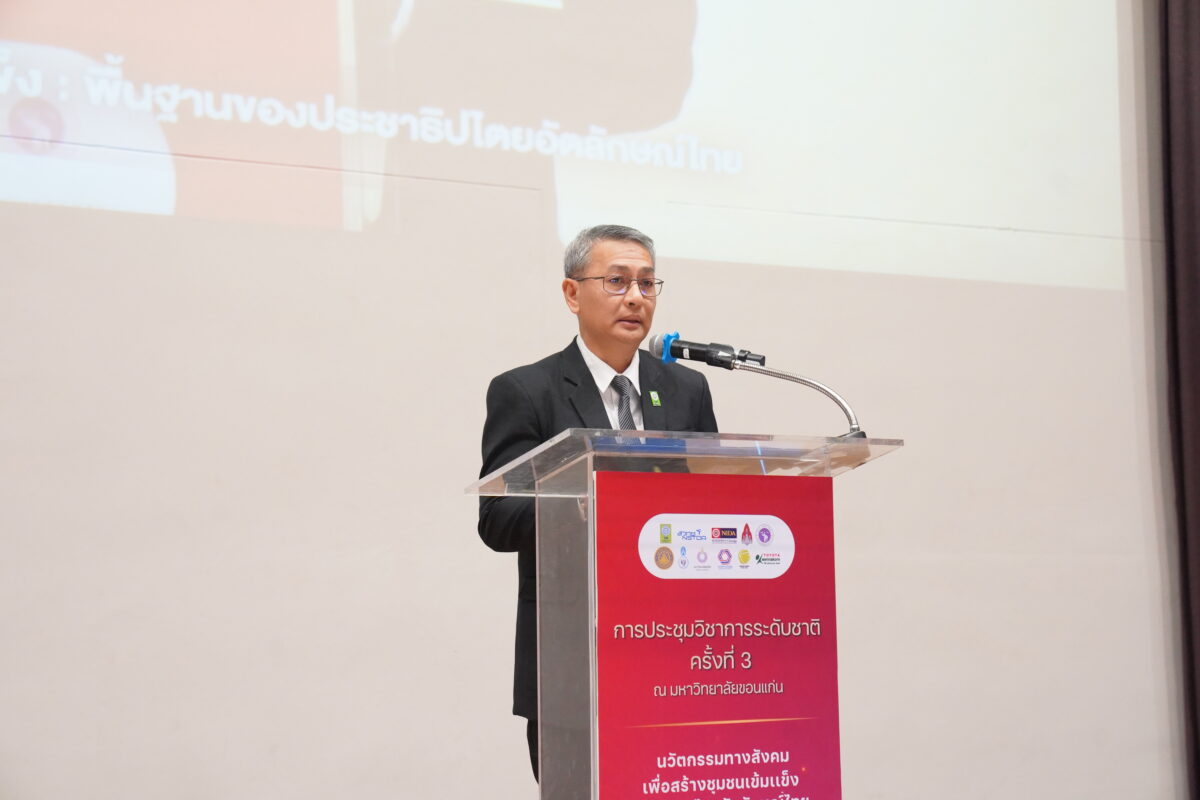
Mr. Ekapong Musikacharoen, Director of Science, Research and Innovation Promotion and Utilization Division, stated that this research project received High-Potential Research Group funding for the 2023 fiscal year from the NRCT, managed in cooperation with the National Science and Technology Development Agency (NSTDA). The project pursues four primary objectives: promoting and enhancing the capacity of Thai researchers to form strong research groups; generating and integrating knowledge to achieve tangible impacts nationwide; creating opportunities for research and its utilisation across academic, economic, social, and policy dimensions; and building national and international research networks.
“The research project, ‘Social Innovation for Building Strong Communities: The Foundation of Thai Democratic Identity,’ is a social science project supported for a three-year period. It has initiated network mobilisation in 10 pilot provinces: Khon Kaen, Suphan Buri, Chon Buri, Phatthalung, Chiang Rai, Nakhon Si Thammarat, Phetchaburi, Trat, Nakhon Sawan, and Amnat Charoen. This year, the project is expanding into five new areas: Bangkok, Pathum Thani, Maha Sarakham, Pattani, and Phayao. Since each area possesses distinct strengths and contextual mechanisms, the project prioritises collaborative work with local partners to develop appropriate approaches and to scale up solutions that can concretely propel nationwide advancement,” Mr. Musikacharoen remarked.
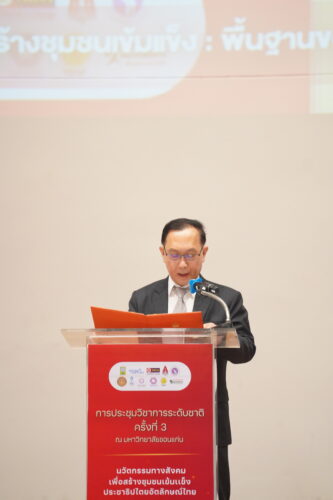
Associate Professor Charnchai Panthongviriyakul, M.D., President of Khon Kaen University, explained that the academic seminar aligns with the KKU Strategic Plan for 2026–2029, which focuses on contributing meaningful societal value and promoting sustainable development through cooperation.
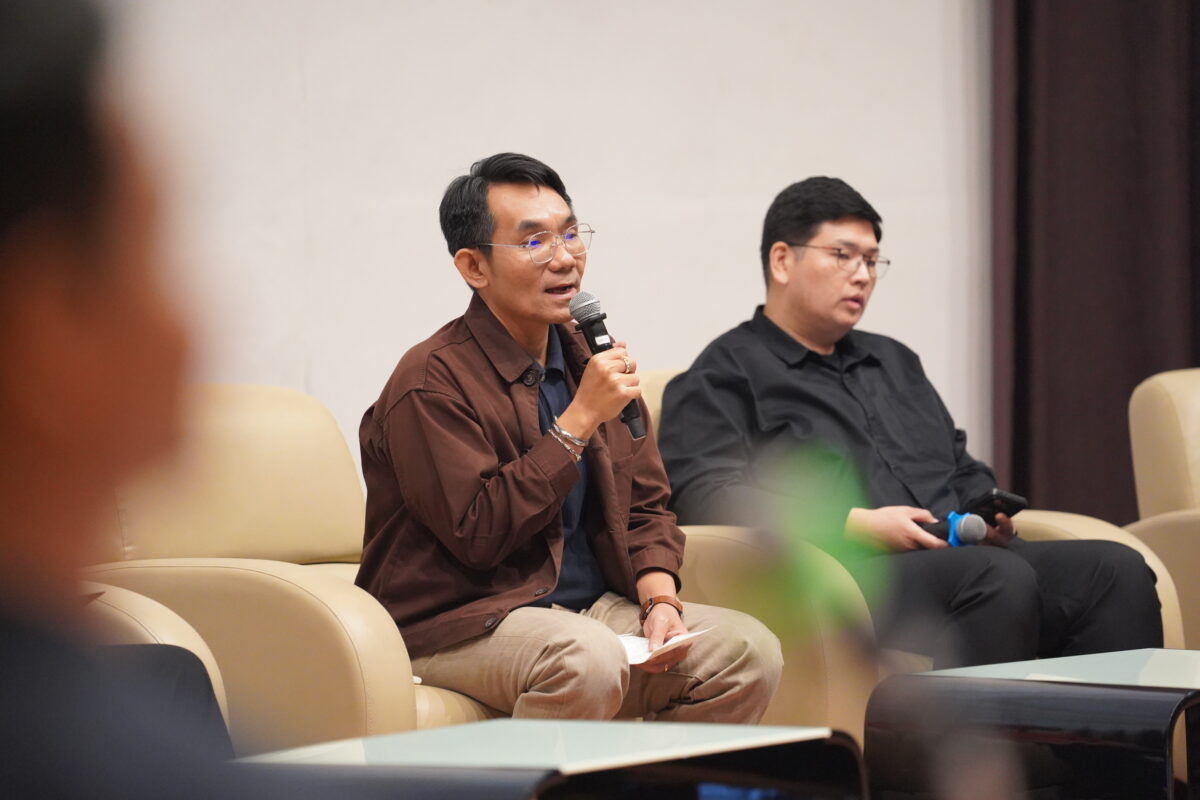
“This conference serves as a crucial platform to unite several sectors, including the Community Organizations Development Institute (CODI), the National Health Commission Office, the Thai Health Promotion Foundation (ThaiHealth), the Office of the National Economic and Social Development Council (NESDC), the Ministry of Interior, and King Prajadhipok’s Institute (KPI). We also have representatives from leading universities across the country, such as NIDA, Chiang Mai University (CMU), Burapha University (BUU), Rangsit University (RSU), and Thaksin University (TSU), along with civil society organisations from all regions. They have gathered to exchange knowledge, experiences, and successful social innovations implemented in various locales. This powerful collaboration is essential for driving concrete change. We aim not only to create a space for academics and practitioners to learn from each other but also to lay the foundation for sustainable community development by integrating academic knowledge with local wisdom, thereby establishing genuine citizen participation mechanisms and advancing grassroots democracy for long-term national development,” said Professor Charnchai.
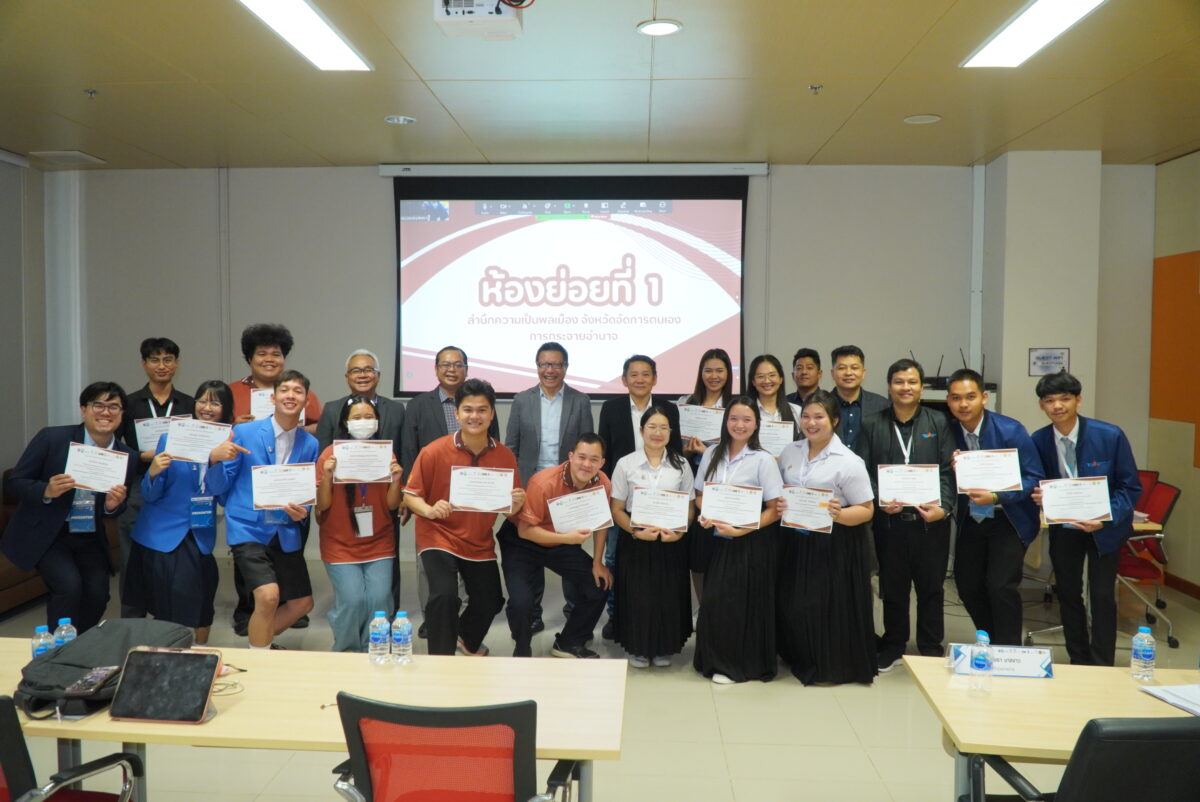
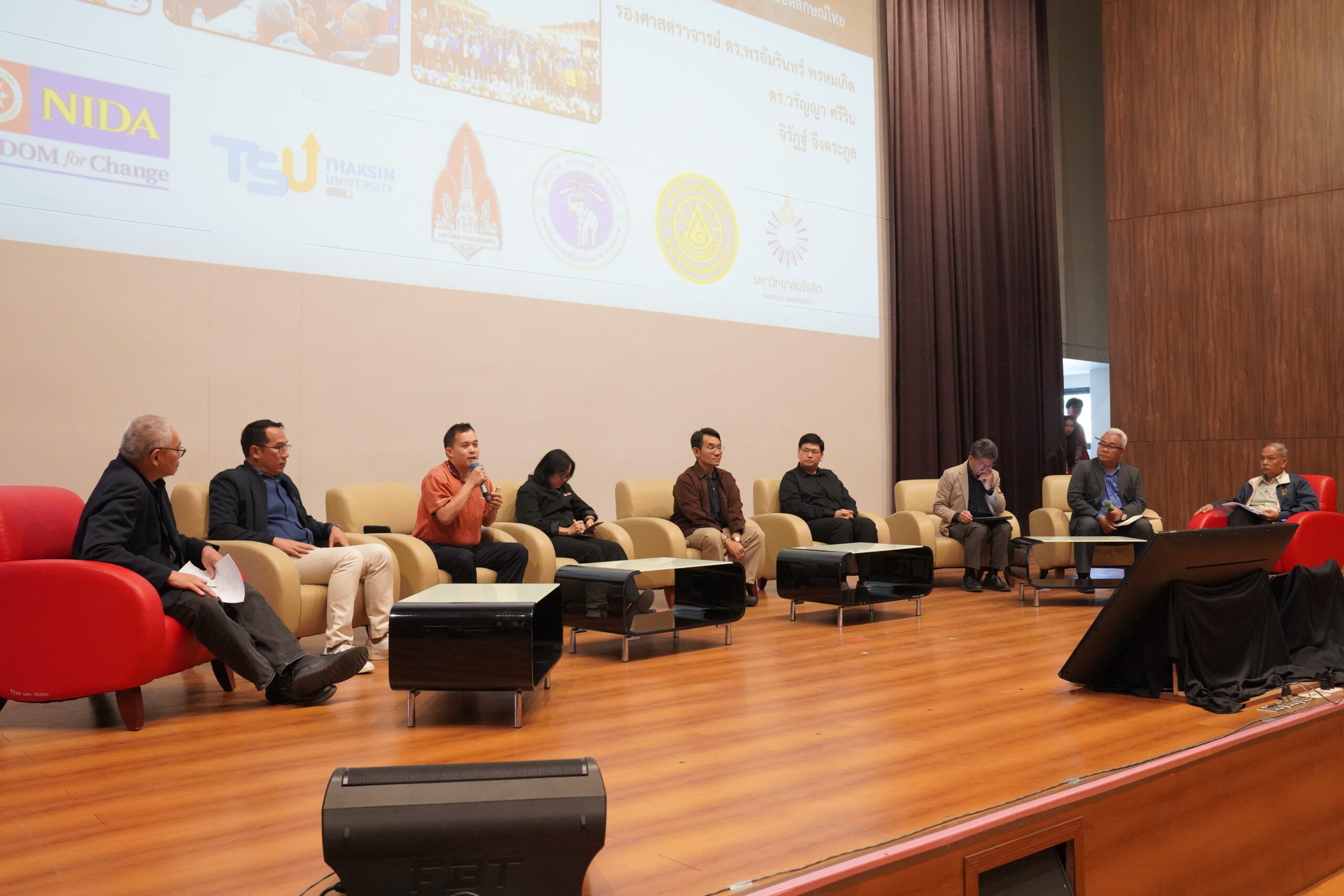
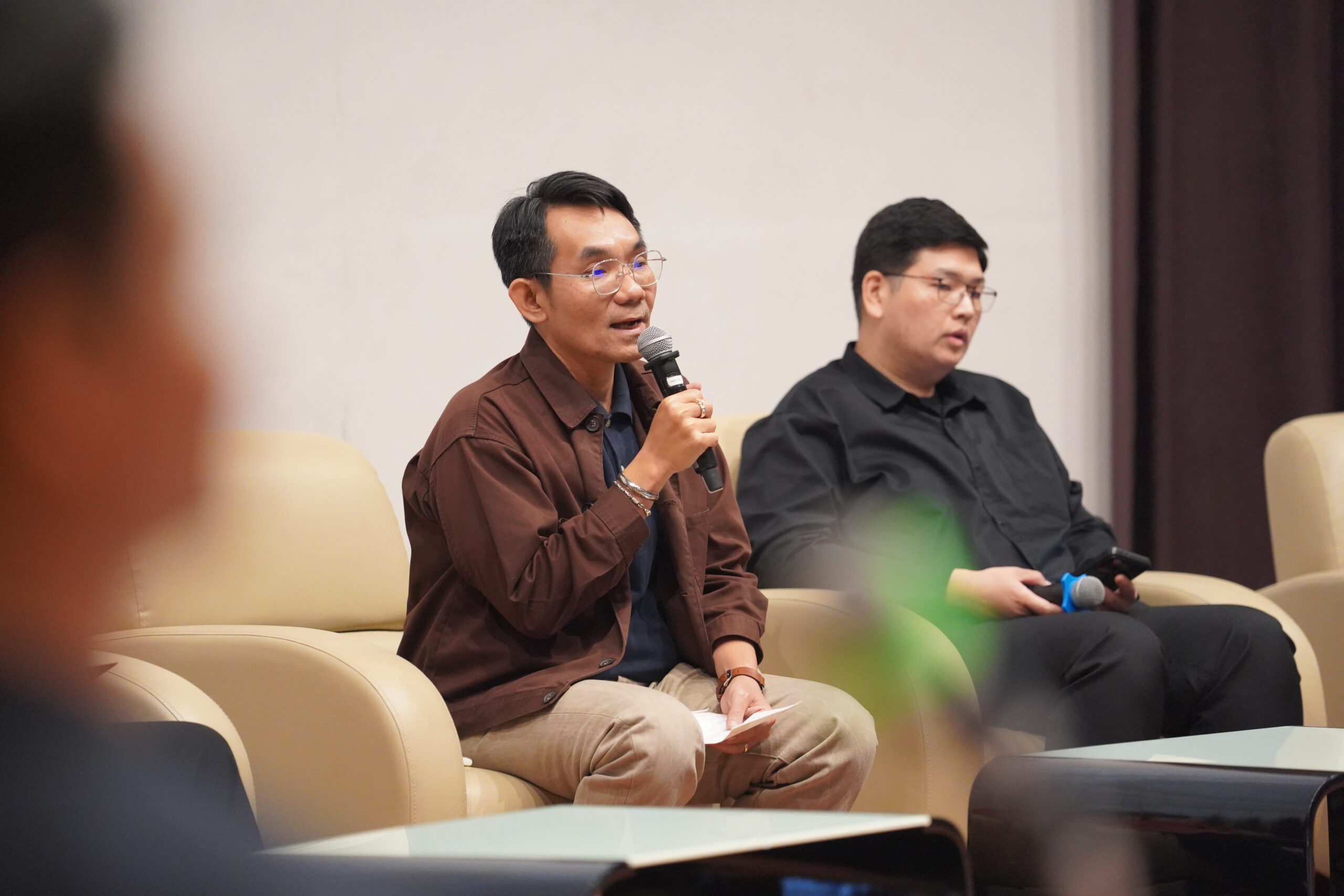
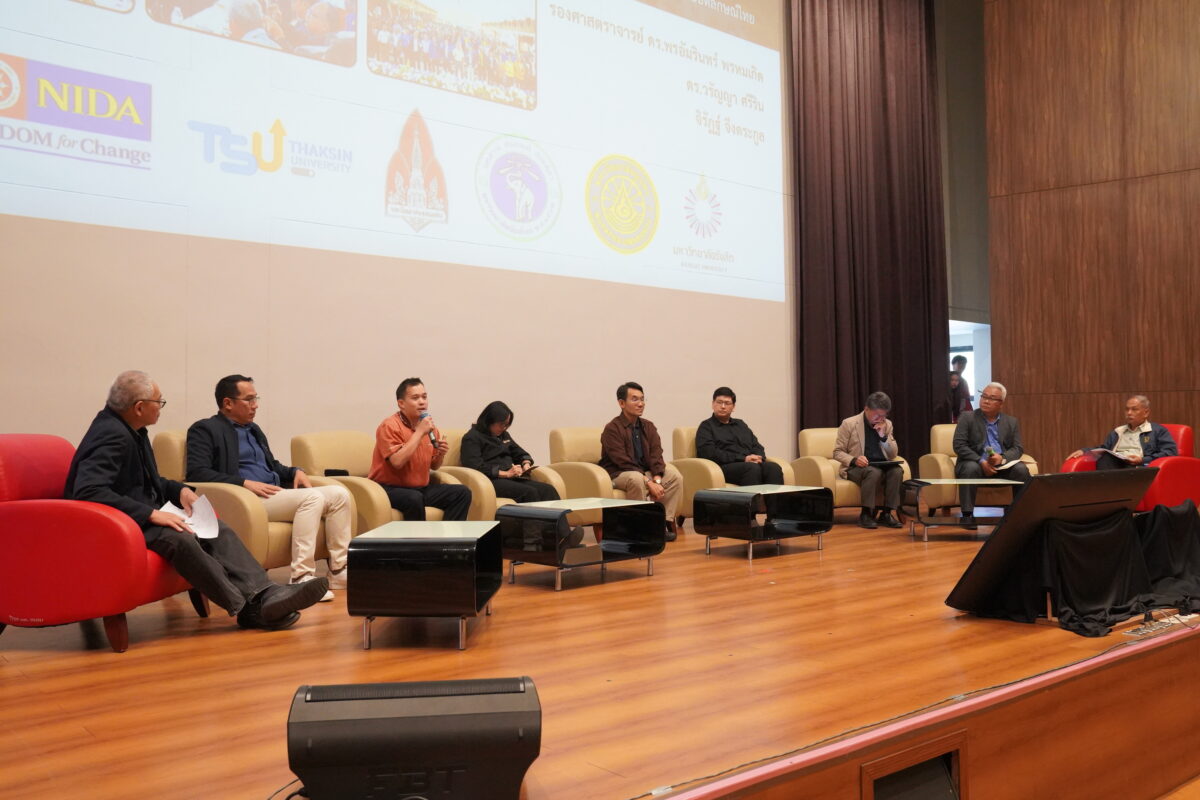
The academic conference featured a diverse programme, beginning with a special keynote lecture by Prof. Wanchai Wattanasap, M.D., titled “Grassroots Democracy: The Foundation for Building a Strong, Sustainable Thai Society and Community.” This was followed by presentations detailing social innovation case studies from five regional representatives across the country and an academic panel discussion on “Directions for Building Strong Communities: Towards Decentralisation and Self-Governing Provinces,” delivered by distinguished experts.
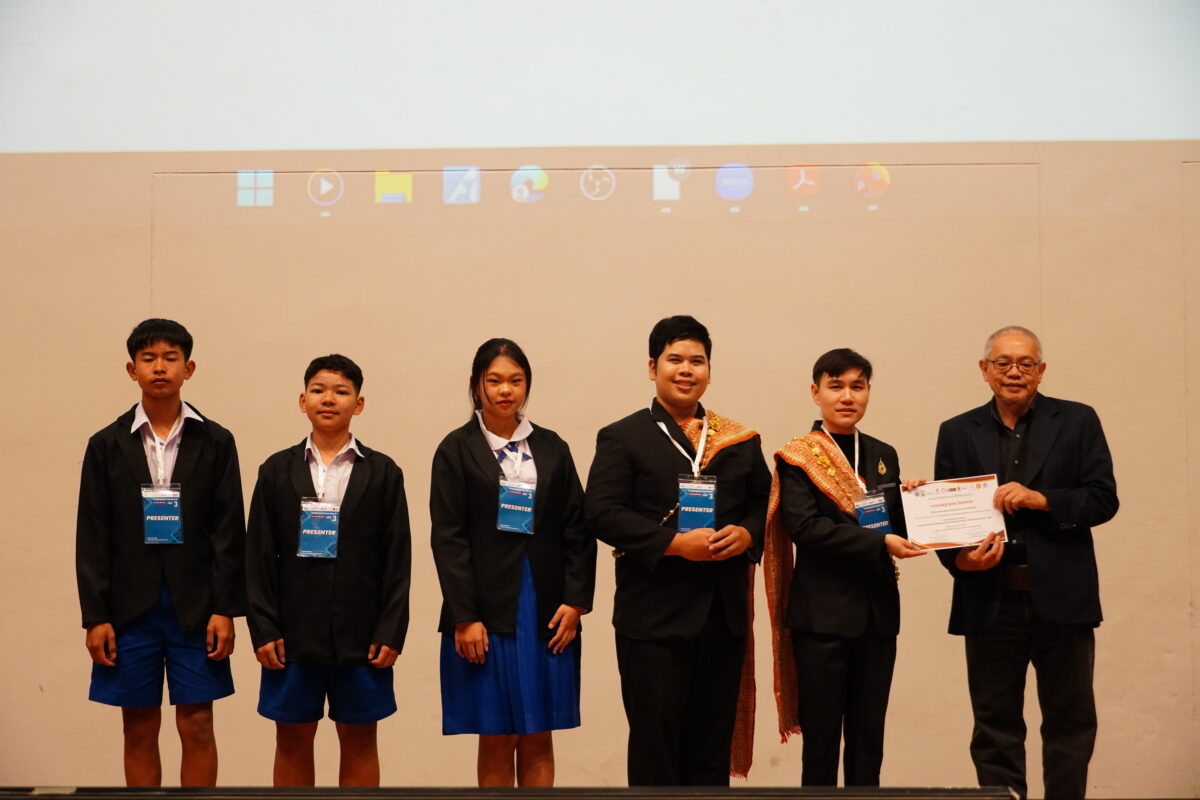
The afternoon featured parallel sessions in five thematic rooms, covering: (1) Strong Provinces, Self-Governing Provinces, and Decentralisation; (2) Youth in Building Strong Societies, Communities, and Thai Democratic Identity Development; (3) Digital-Age Youth in Driving Change and Strong Local Communities; (4) Active Citizenship, Civil Society, and Community-Level Democracy; and (5) Law and Decentralisation, Public Policy for Local Communities, Management of Natural Resources and the Environment, and Community Health. The event concluded with a summary of the conference findings and an awards ceremony for outstanding research papers.
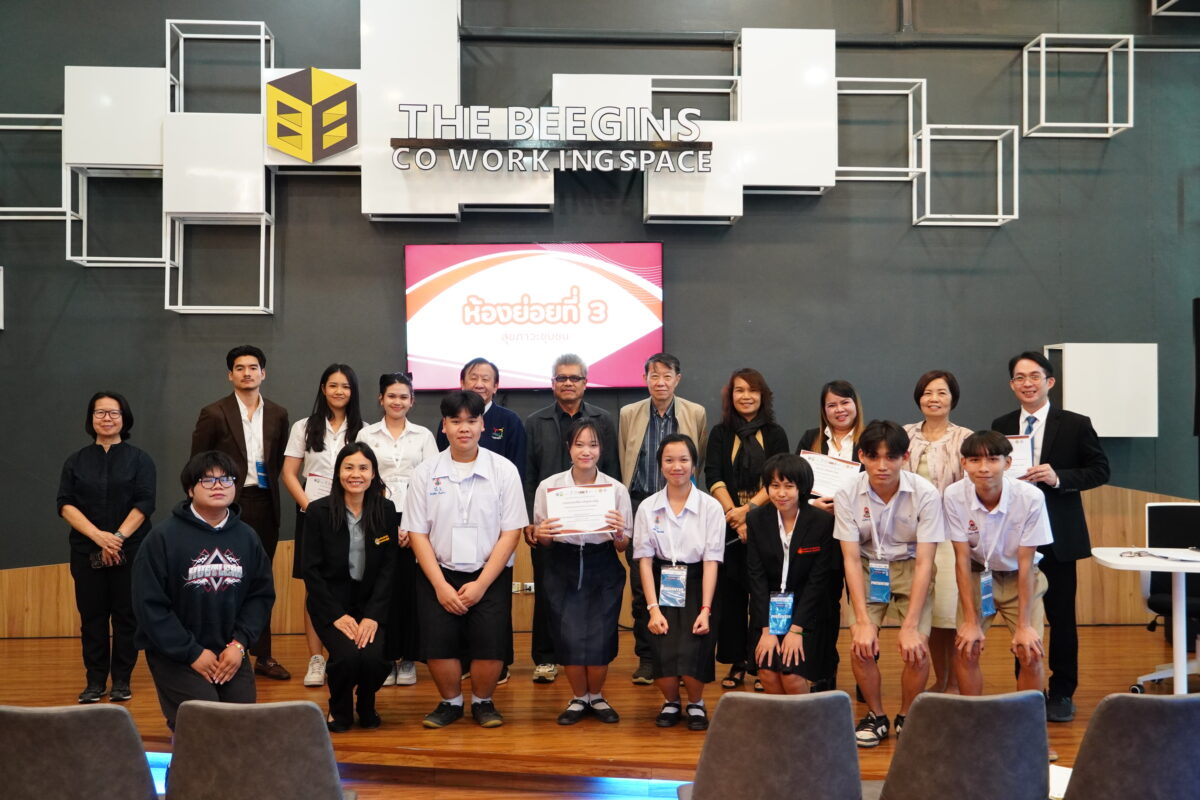
This national academic conference represents a significant step forward in advancing decentralisation policies and democratic mechanisms tailored to the Thai context. By empowering communities and fostering cross-sector participation, the initiative aims to achieve sustainable development and measurable reductions in social inequality, aligning closely with Khon Kaen University’s vision as a leading research institution committed to delivering lasting value to society and local communities.