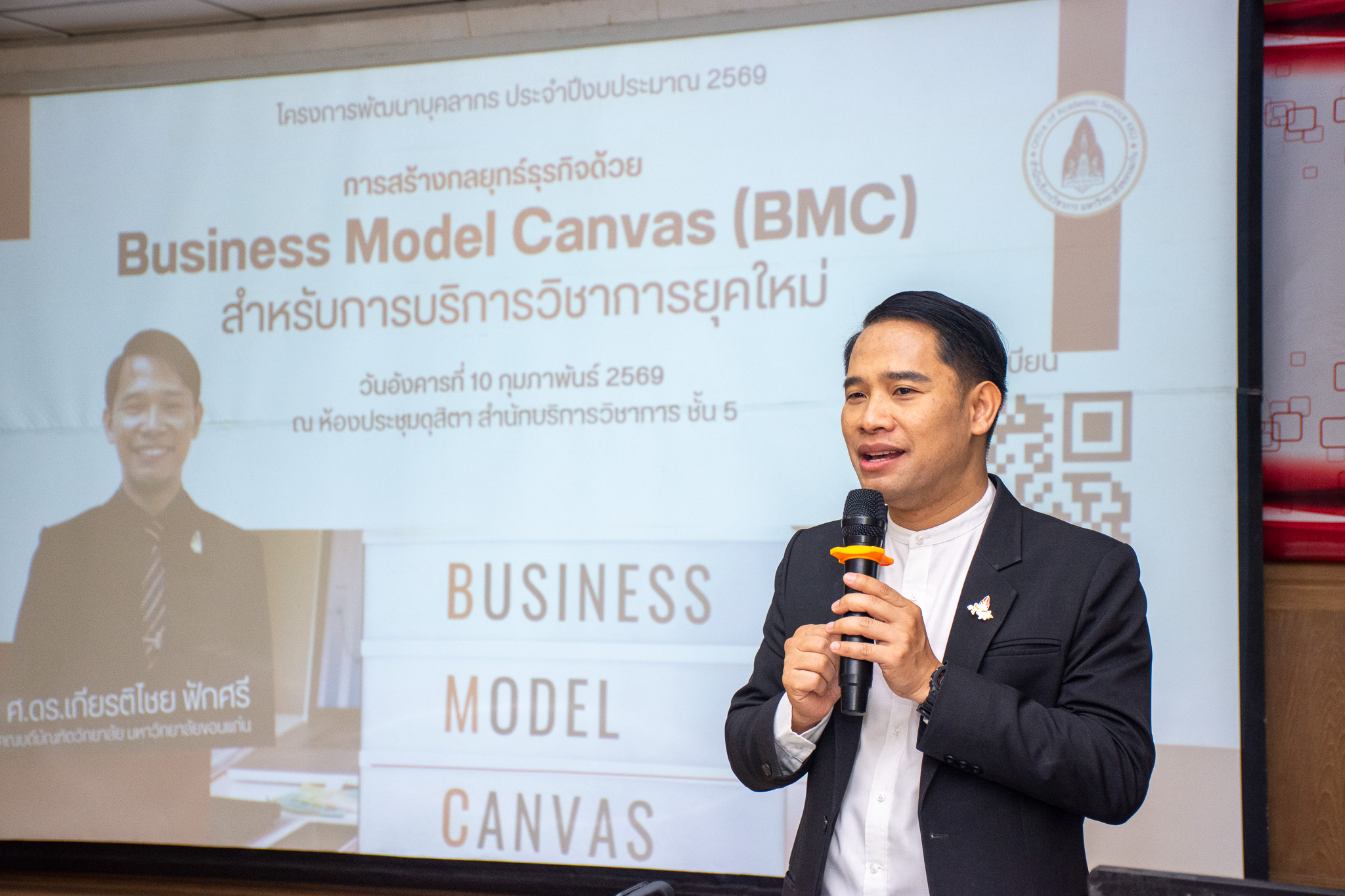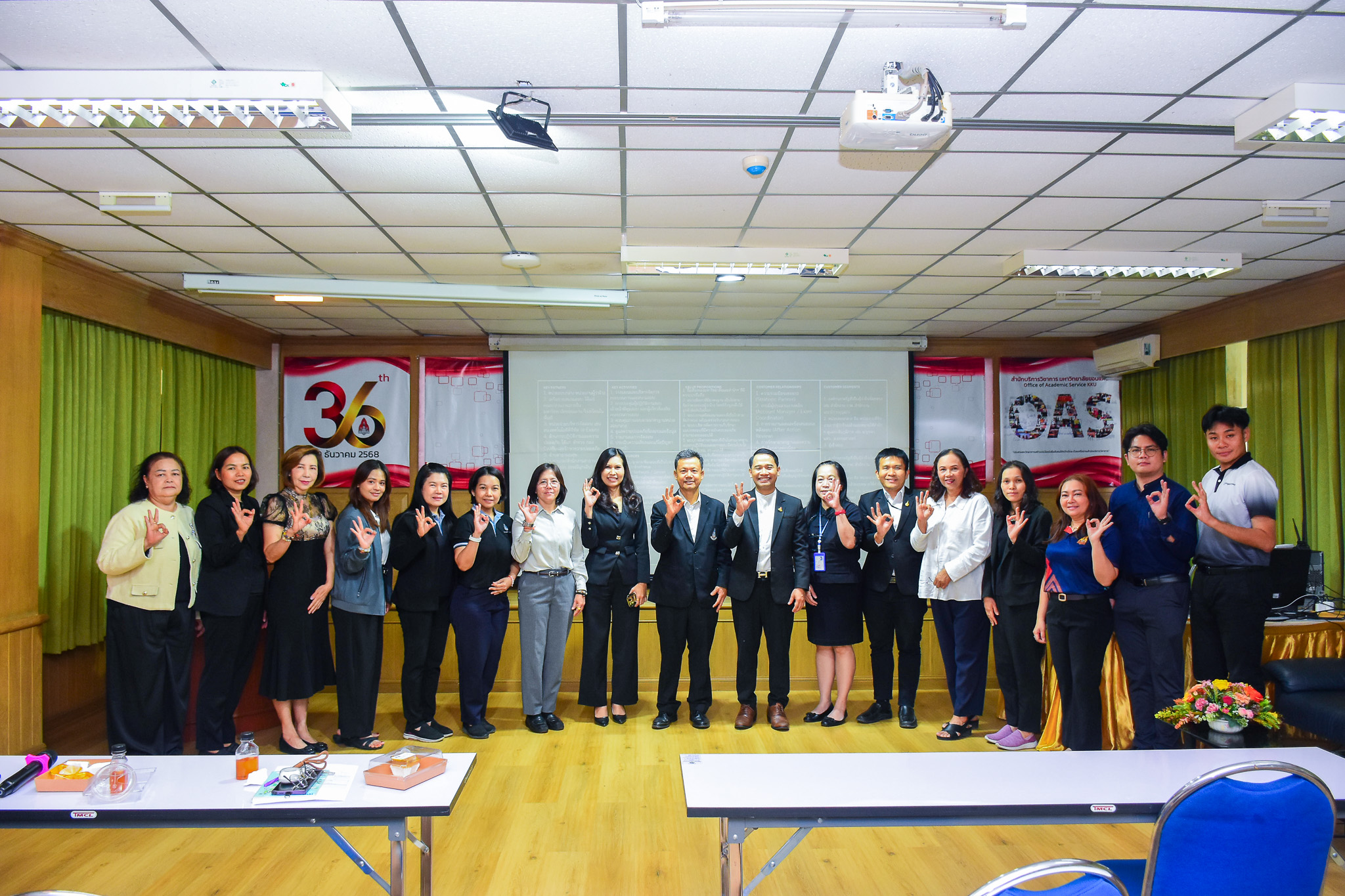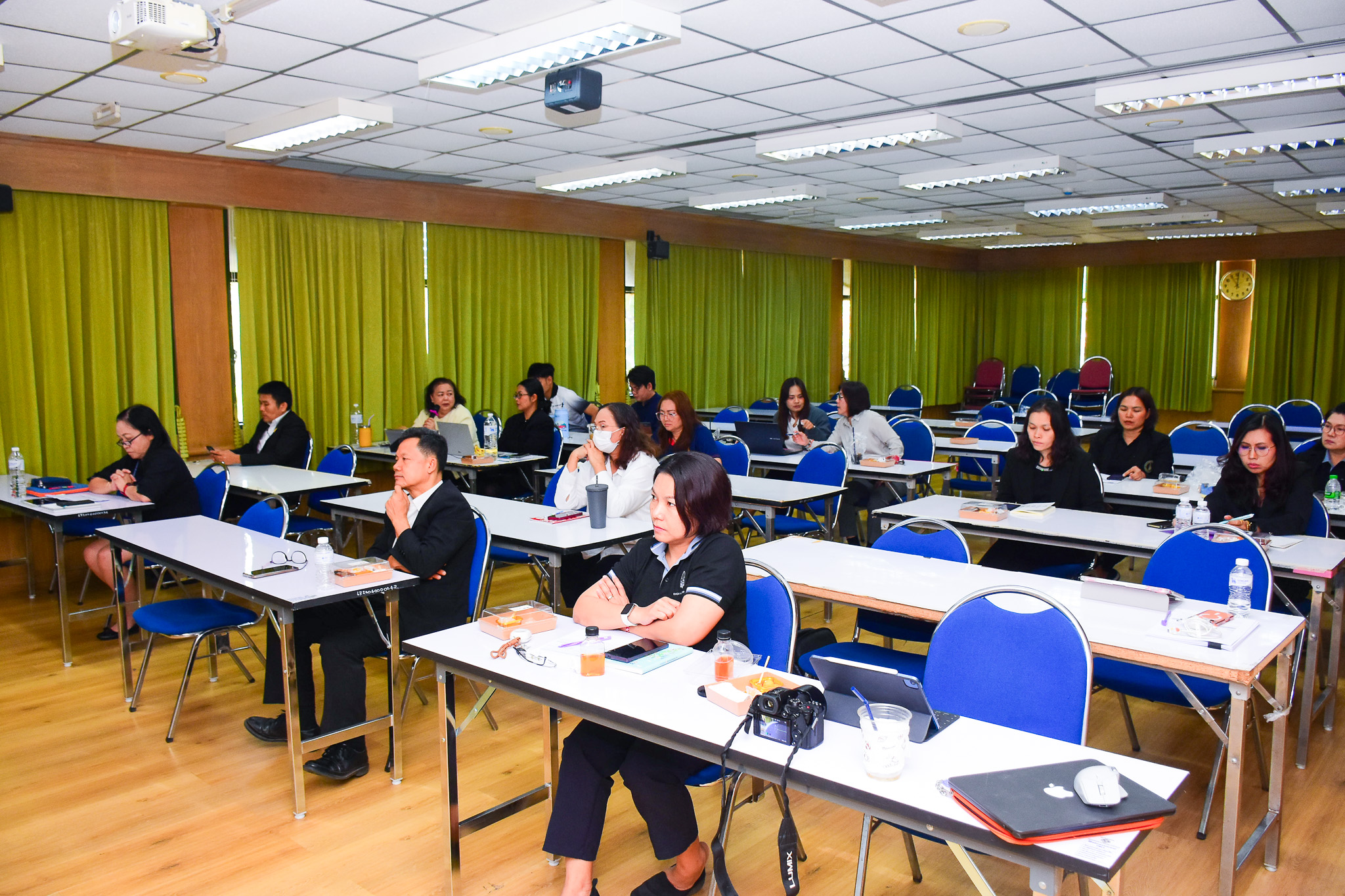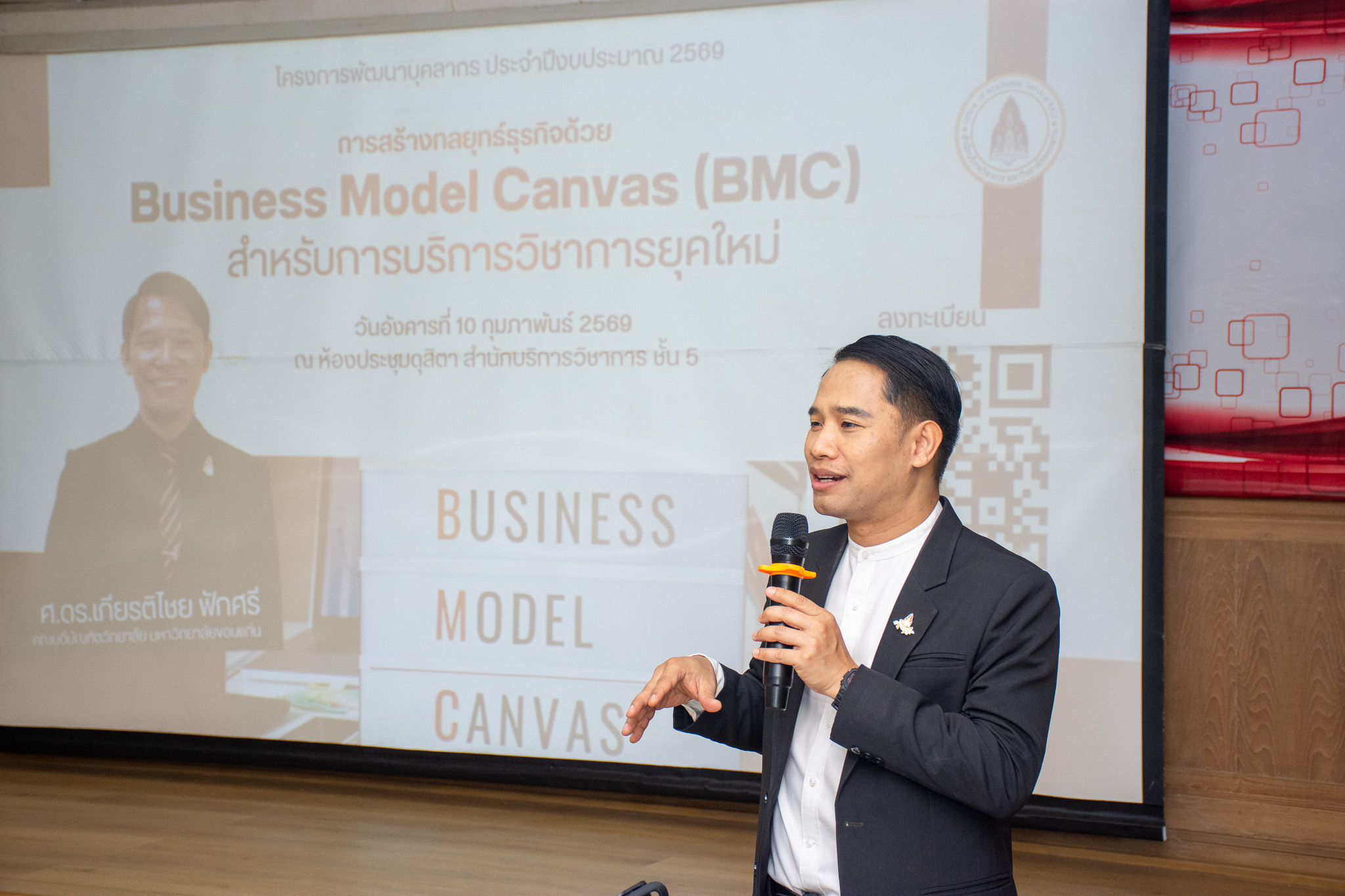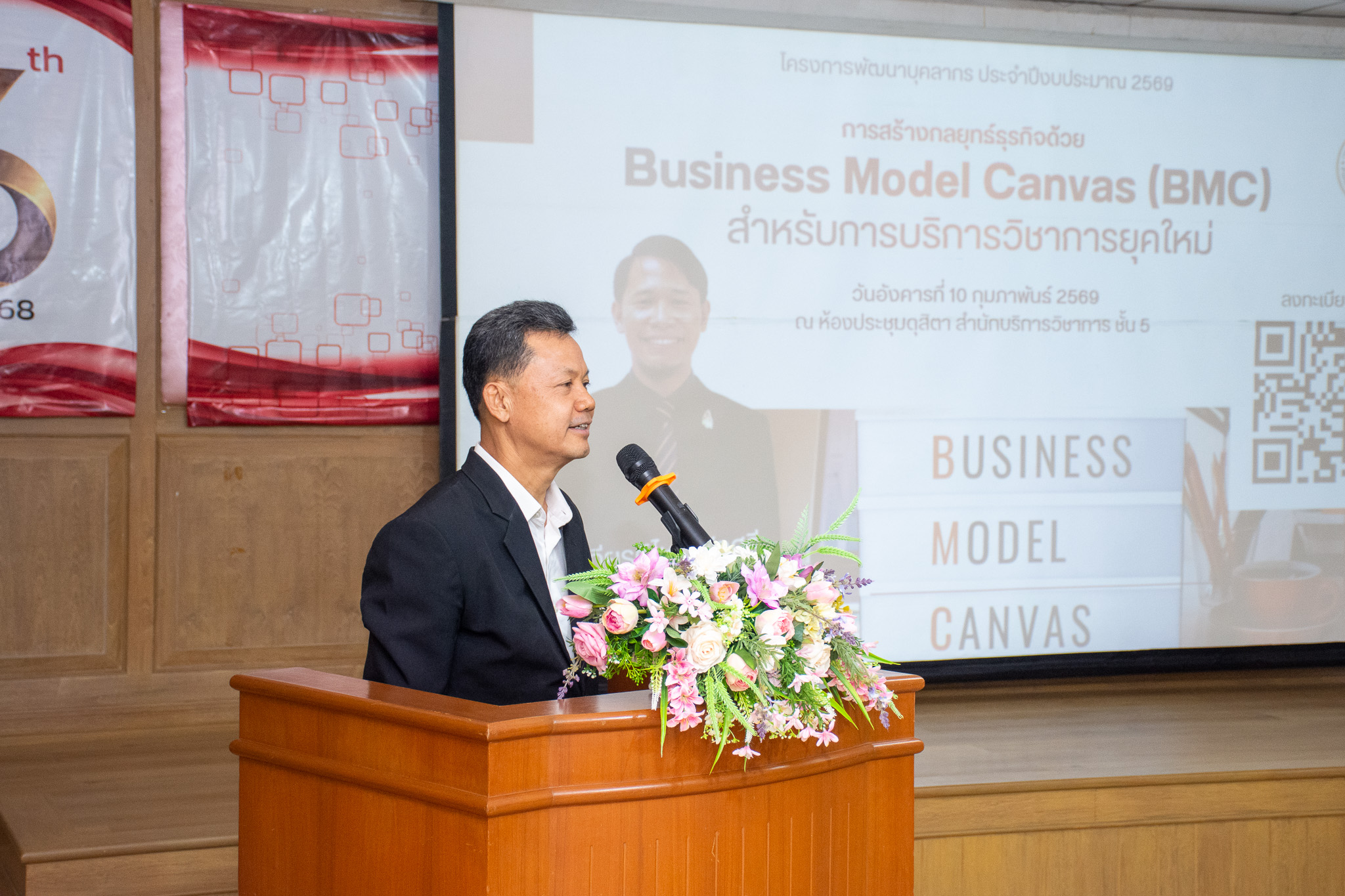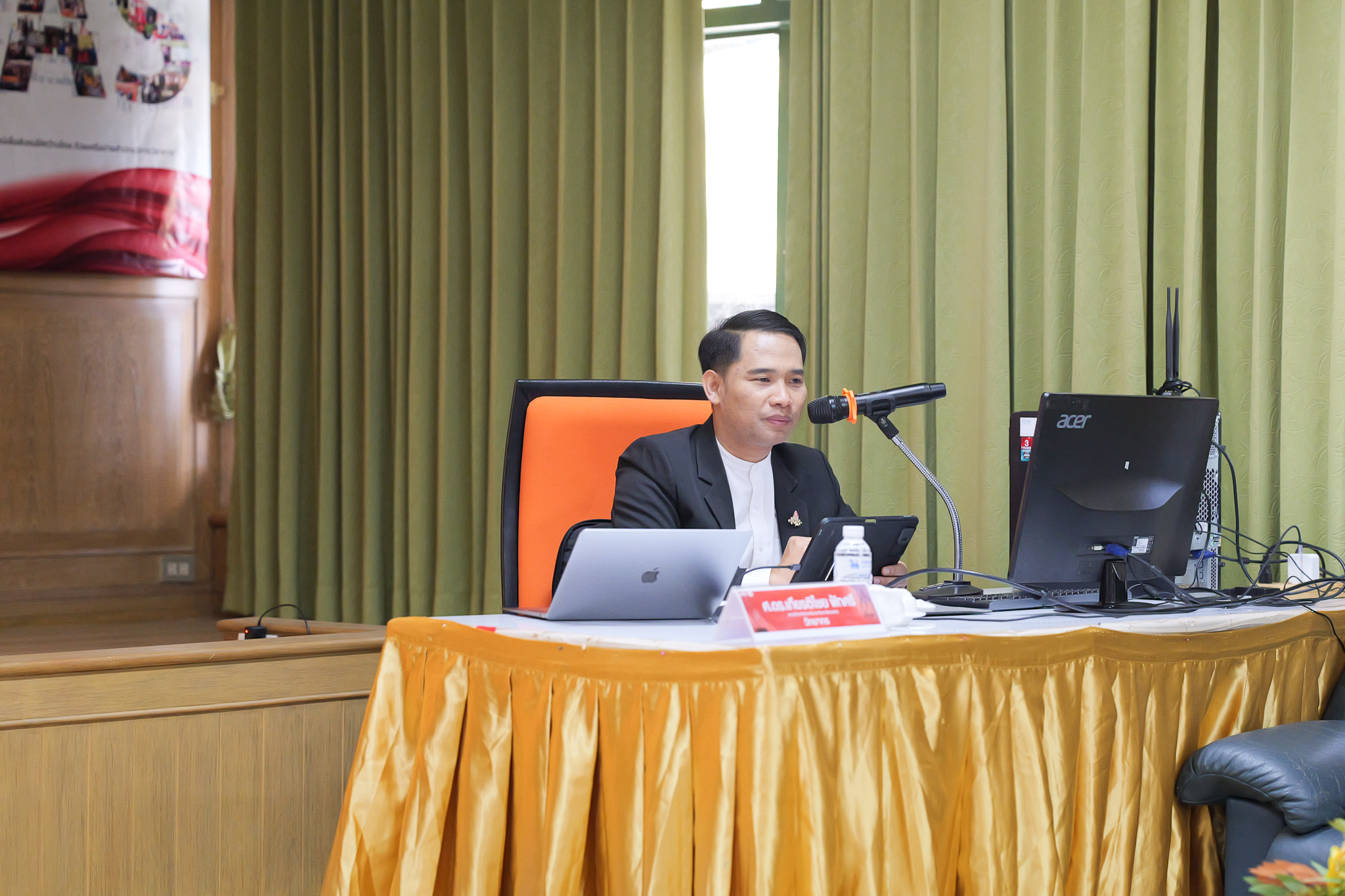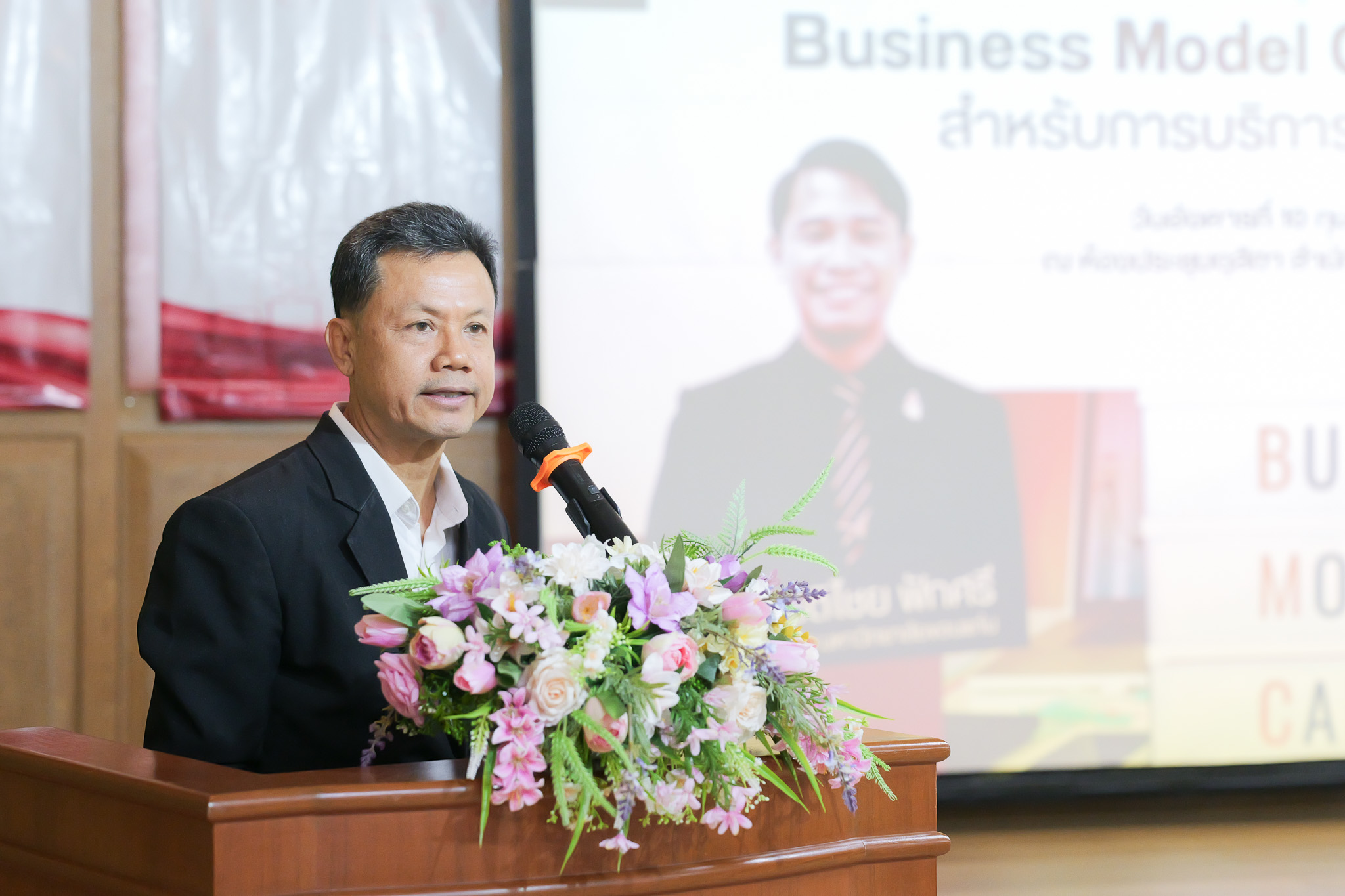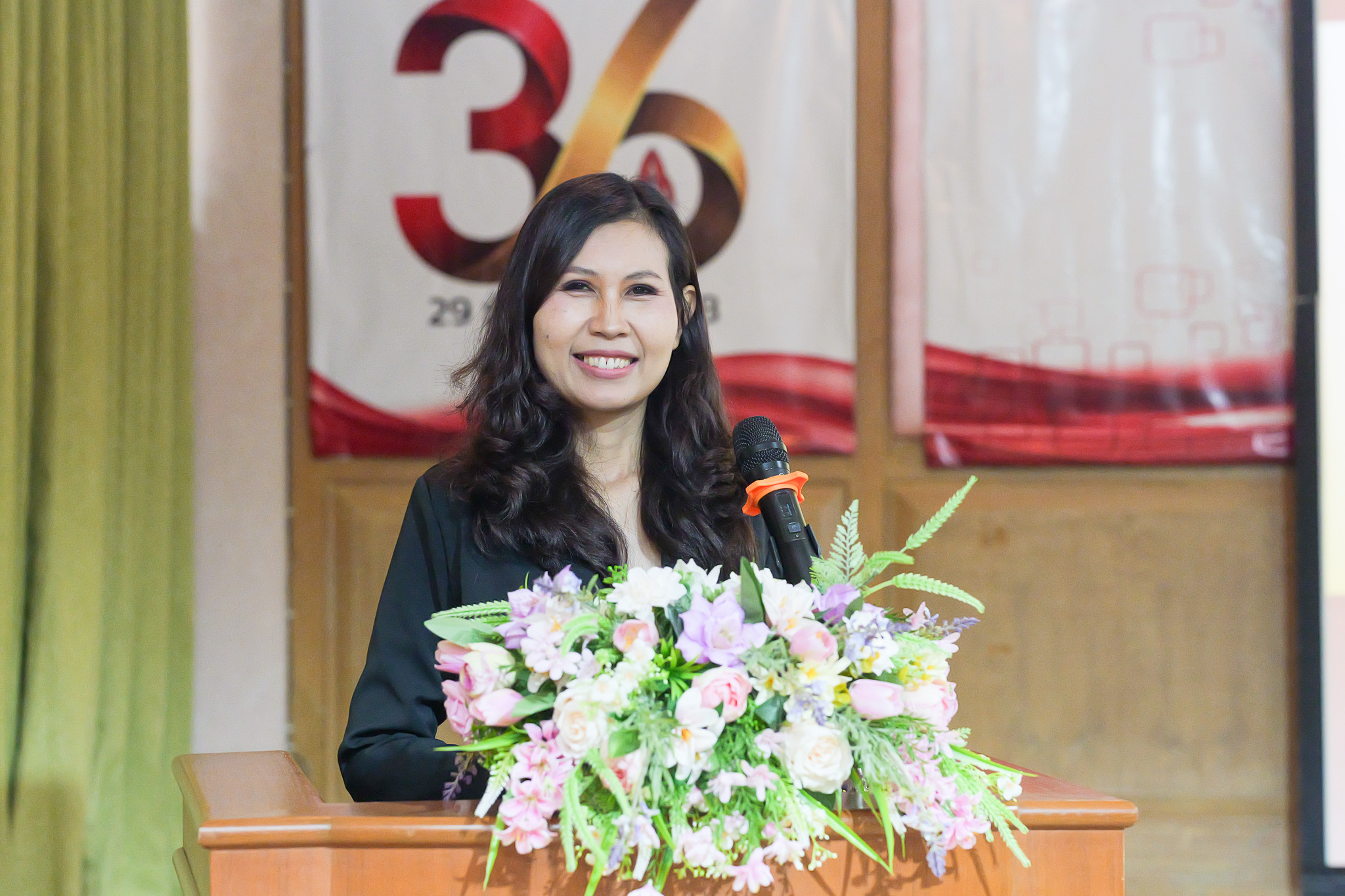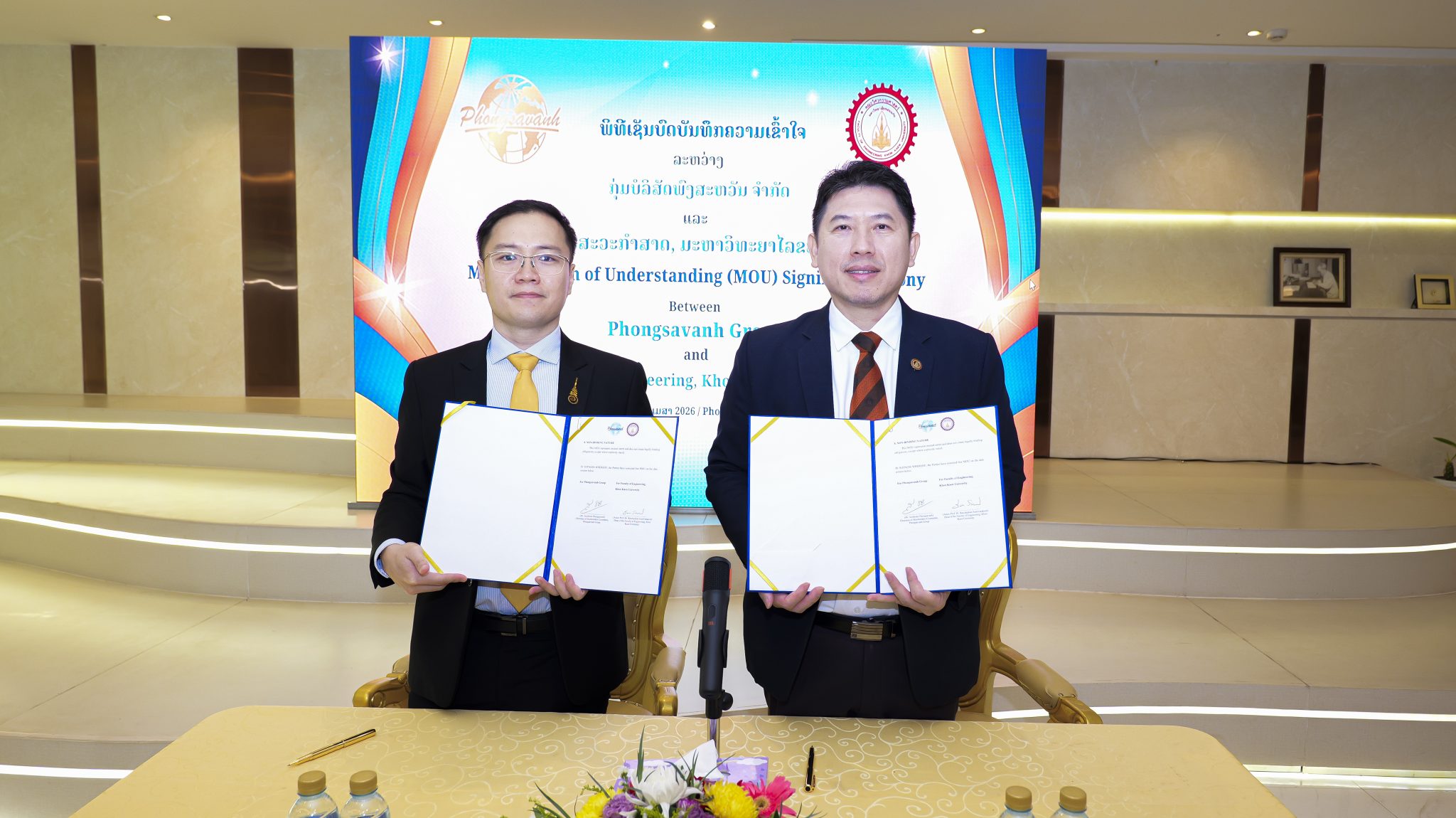
The Office of Academic Service (OAS) at Khon Kaen University is advancing its transformation into a fully modern academic service provider. On 10 February 2026, OAS organised a strategic personnel development programme titled “Creating a Business Strategy with the Business Model Canvas for Modern Academic Service” at the Dusita Conference Room. The initiative aimed to equip staff with practical strategic tools to design services that respond precisely and sustainably to societal needs.
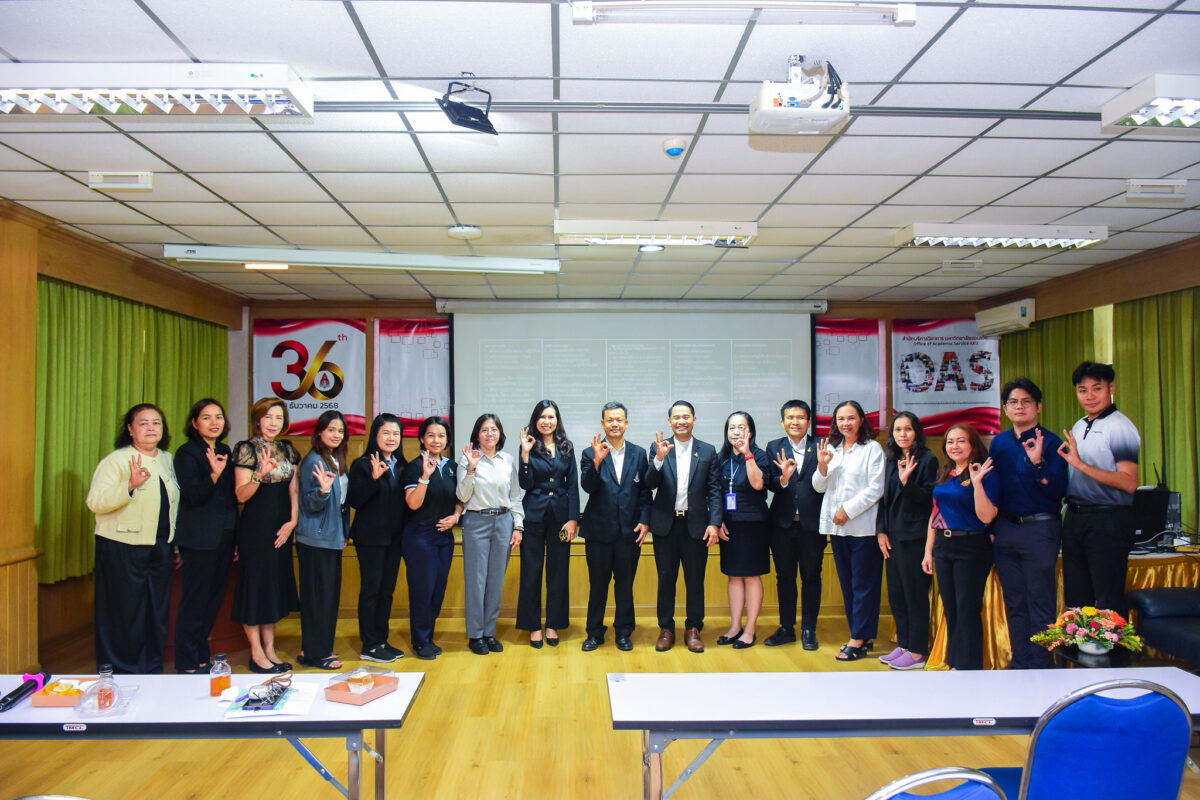
From Instinct to Strategy: A Paradigm Shift in Operations
Associate Professor Chuchat Kamollerd, D.V.M., Ph.D., Director of the Office of Academic Service, presided over the opening ceremony. In his policy address, he emphasised the importance of a “Mindset Shift” from working based on routine and familiarity to designing services founded on data and a profound understanding of clients. The Business Model Canvas framework will be applied across the office’s three core missions, namely Lifelong Education Management, Culinary Technology Programmes, and Academic Service to Society, in order to strengthen competitiveness and enhance value creation.
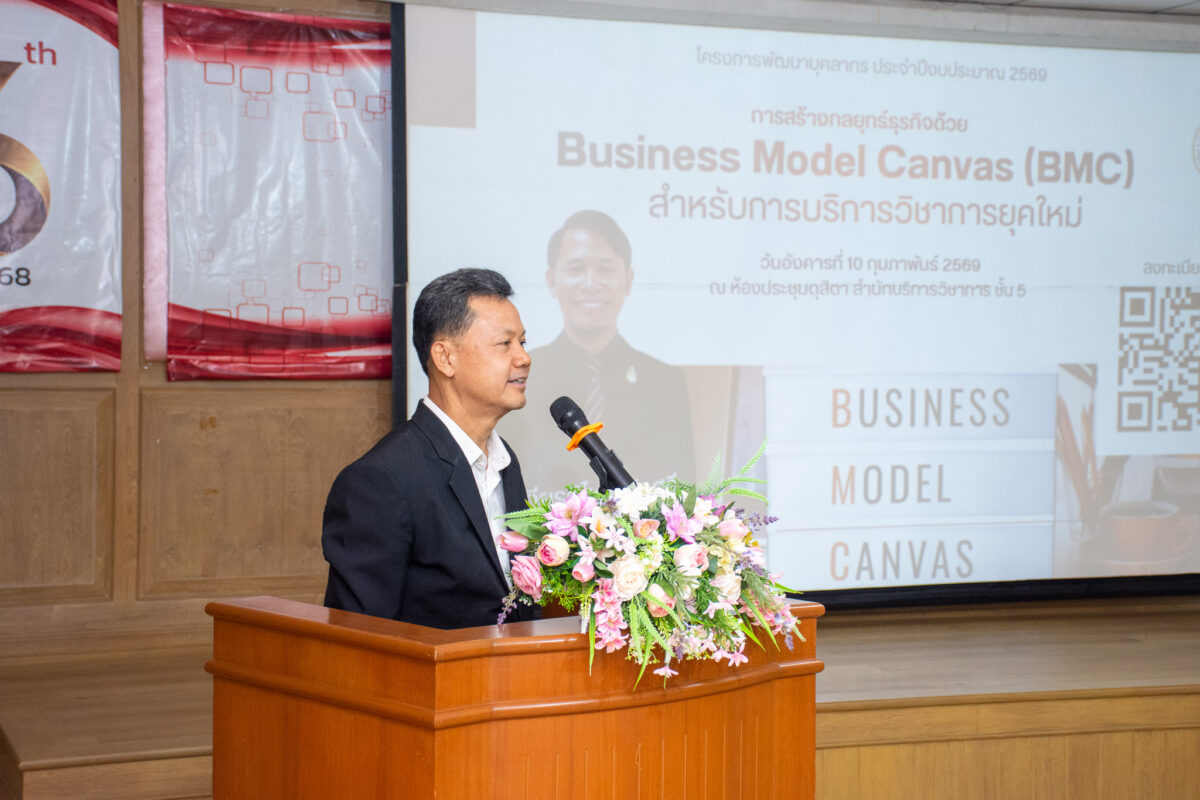
Decoding Client Needs with Design Thinking and VPC
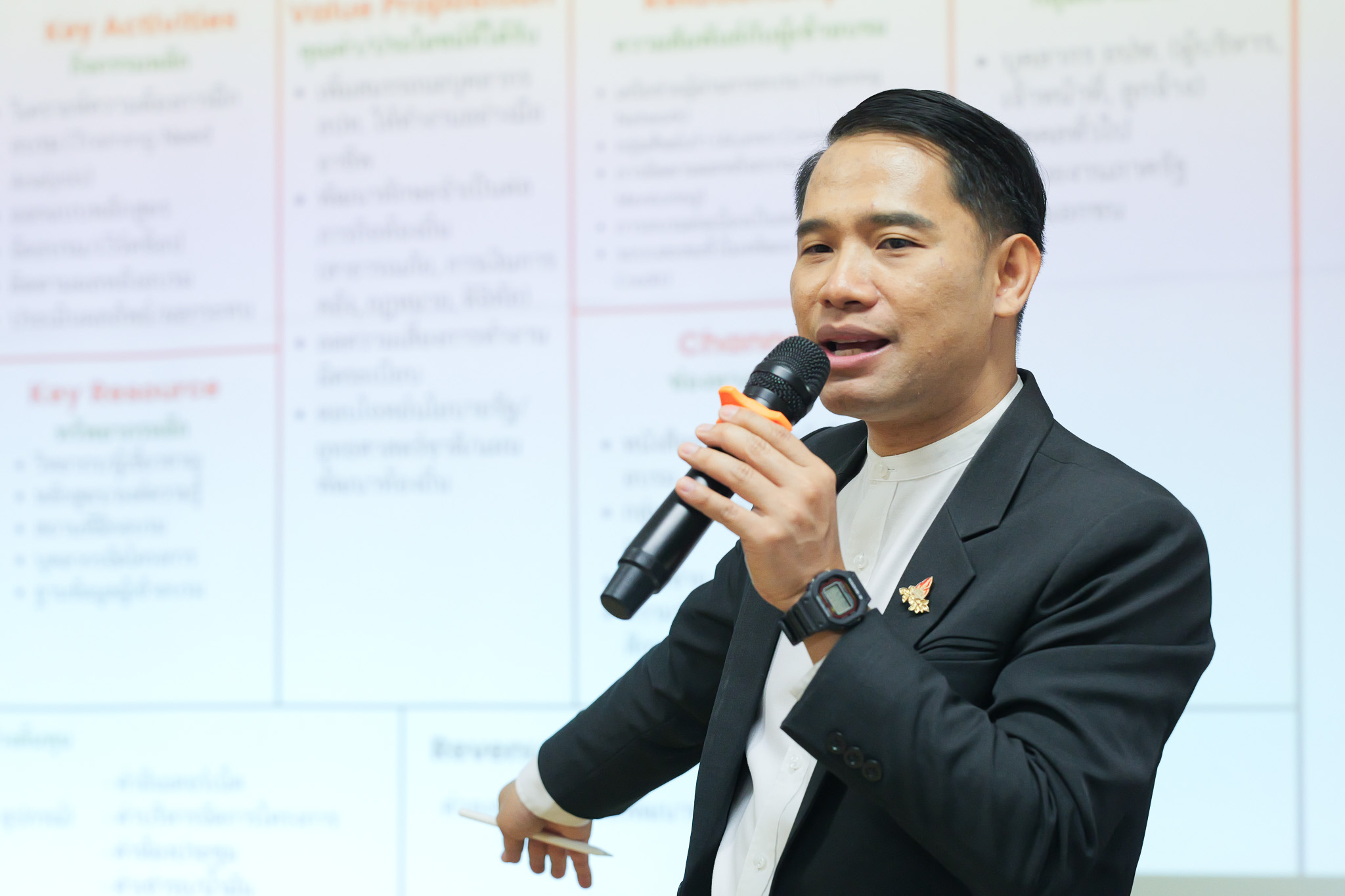
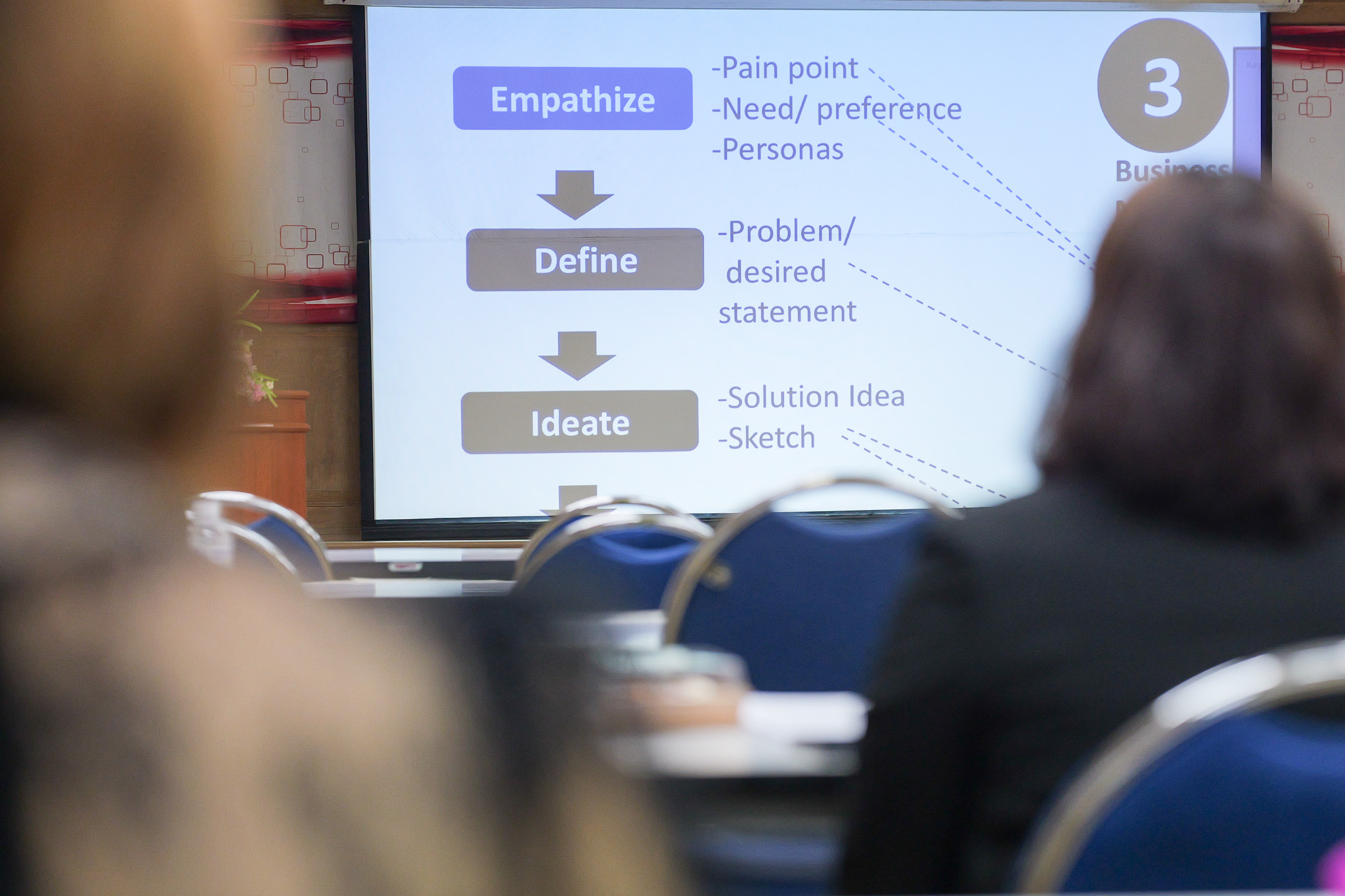
The training was led by Professor Kiatichai Faksri, Ph.D., Dean of the Graduate School at Khon Kaen University. He delved into the Design Thinking process, which begins with “Empathise”—placing oneself in the service user’s position to identify their true “Pain Points” and desired “Gains.” These insights are then used to design a unique and responsive “Value Proposition” via the Value Proposition Canvas (VPC), a critical component in creating courses and services that clients will willingly choose.
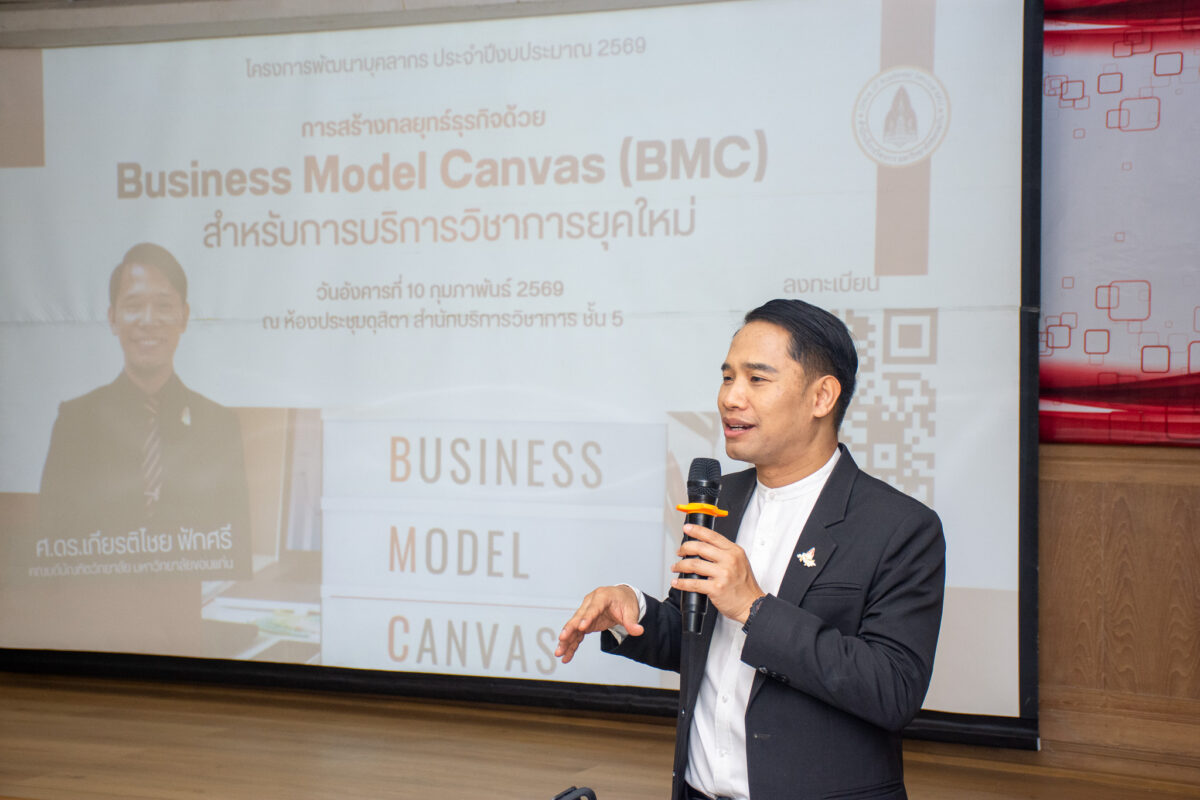
Intensive Hands-On Workshops
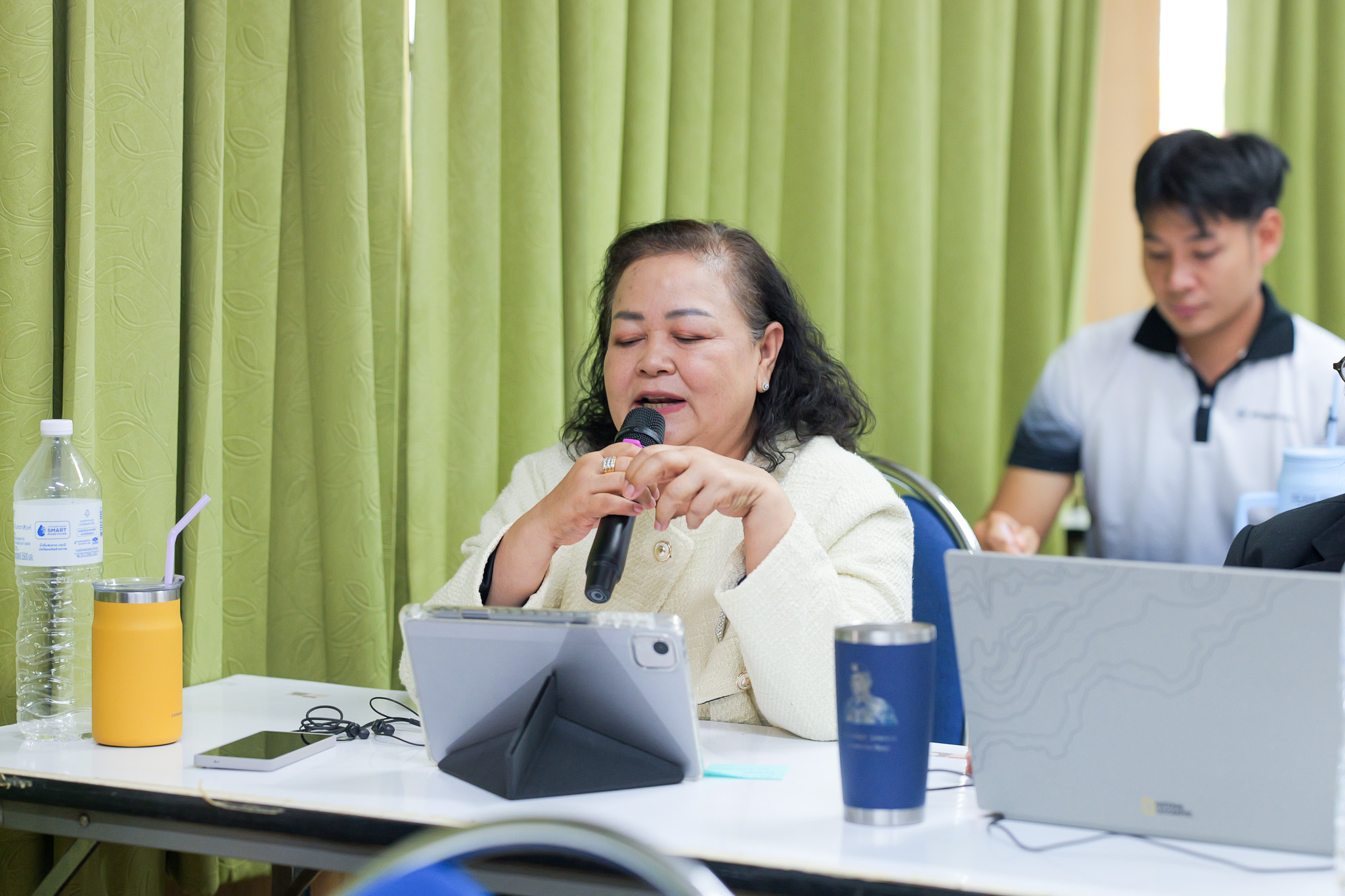
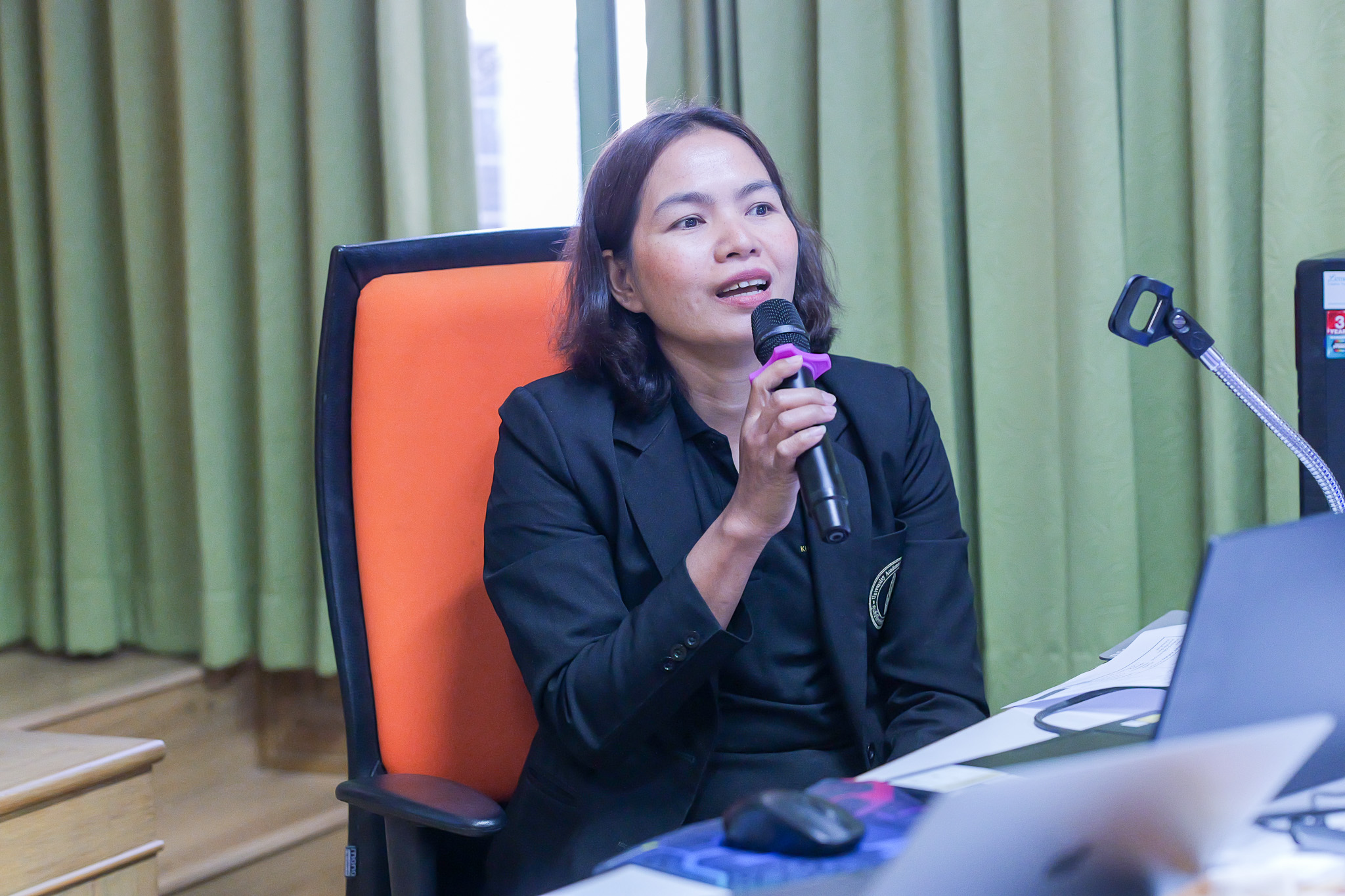
A distinctive element of the programme was its Flip Classroom format. Participants analysed their respective service models in advance and then engaged in intensive hands-on workshops. Working in groups aligned with their functional responsibilities, including professional short courses, government and local agency services, and area-based academic services, they constructed nine-block Business Model Canvases and presented them for expert feedback. This process enabled the refinement of actionable and practical business plans.

Aiming for BMC Integration in All Projects to Reinforce Concrete Outcomes
In his conclusion, Professor Kiatichai stated that the ultimate goal was to show personnel that business planning is not overly complex. He stressed that the BMC can be a practical tool to increase efficiency, reduce costs, and generate revenue for the organisation. The Office of Academic Service now aims to require a Business Model Canvas to be submitted for consideration with every new project proposal, marking a significant step in driving the organisation with a systematic, data-driven strategy.