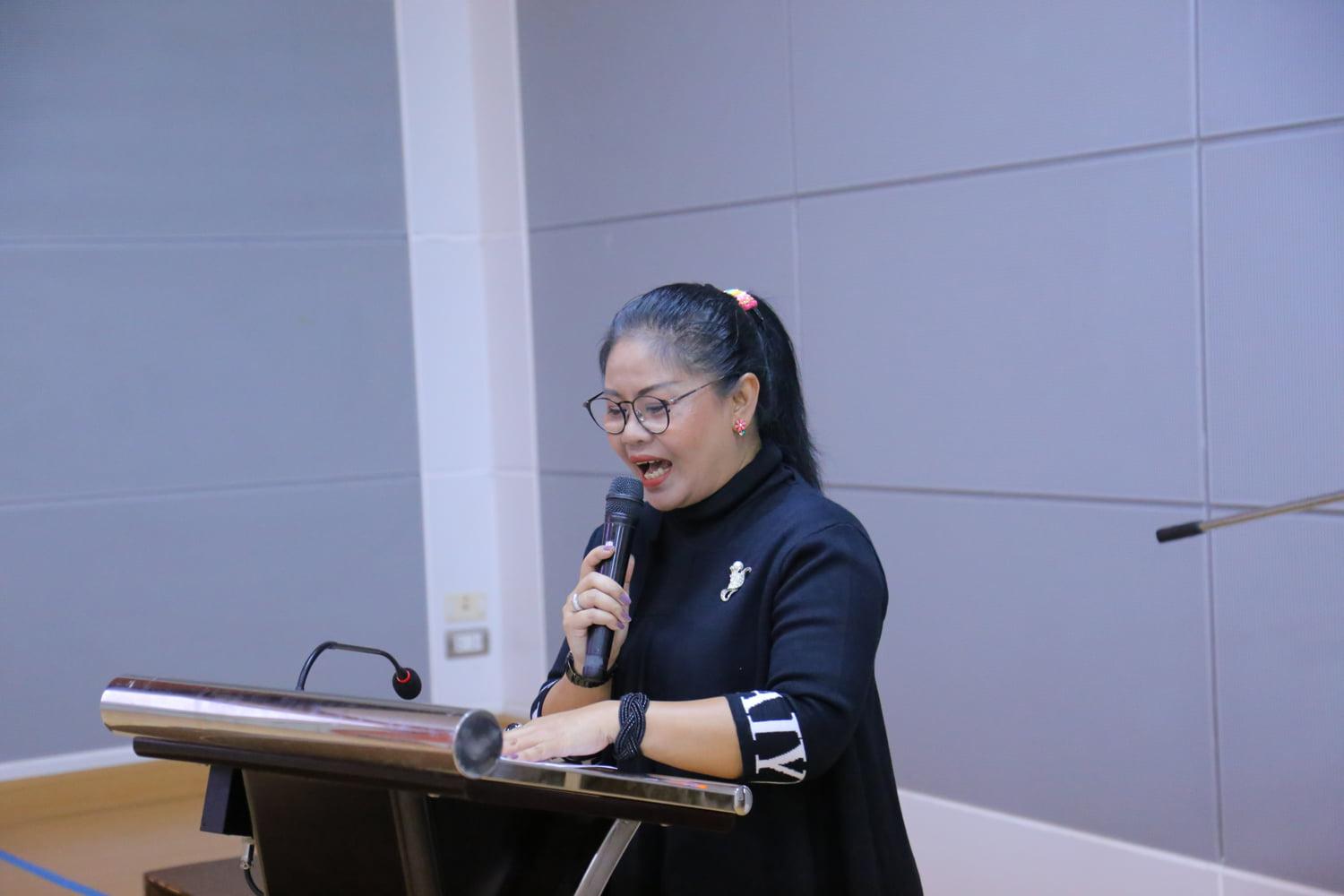
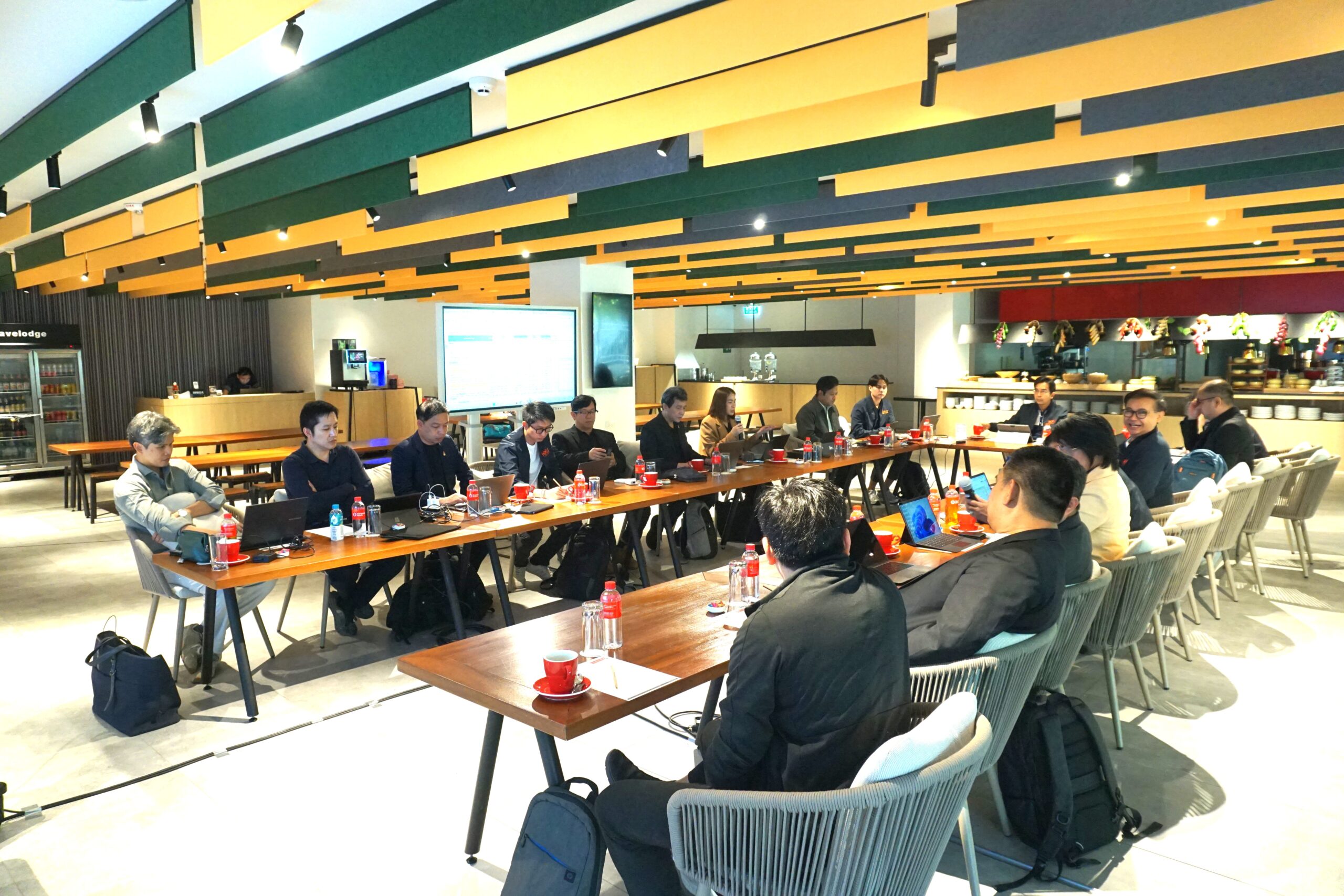
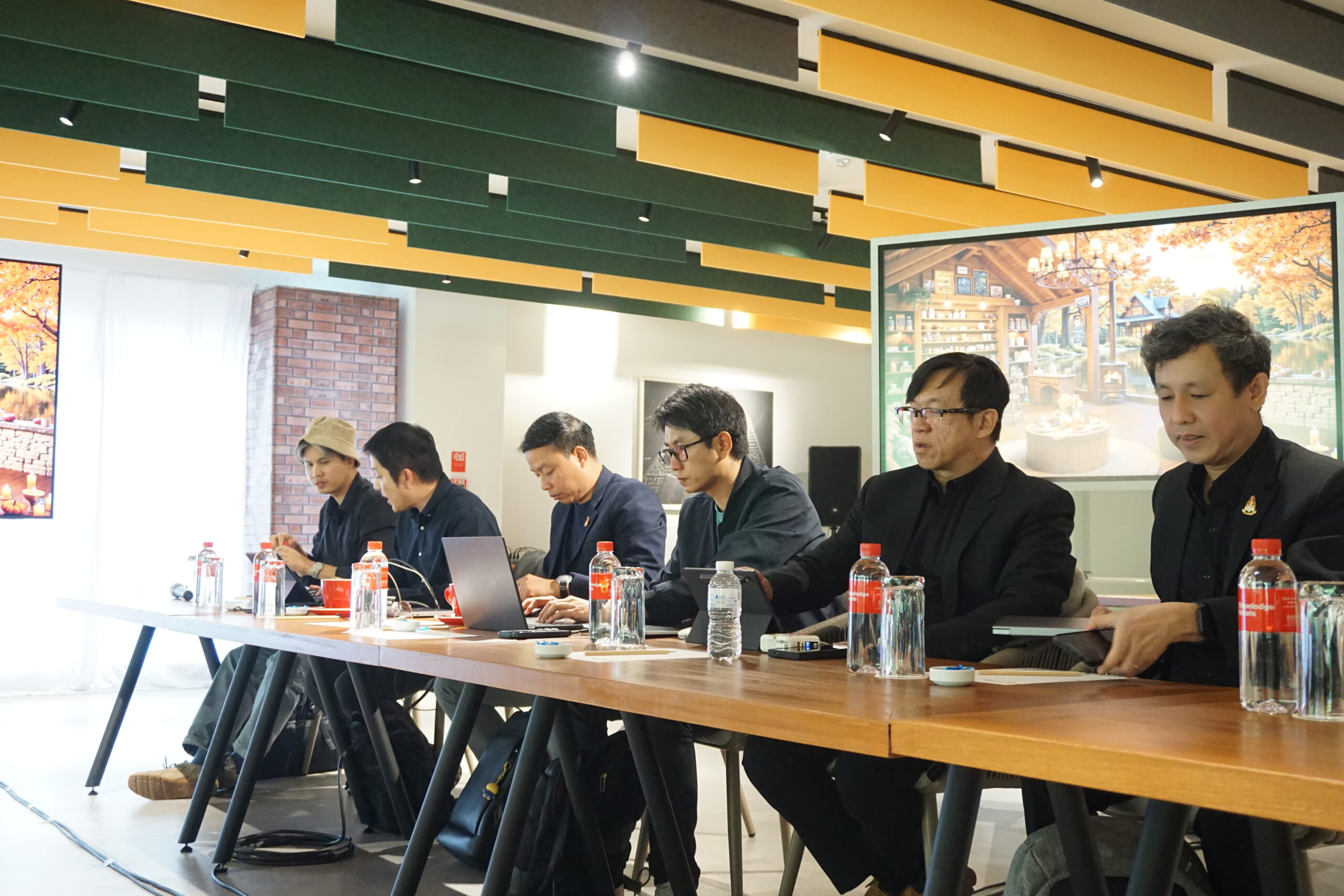
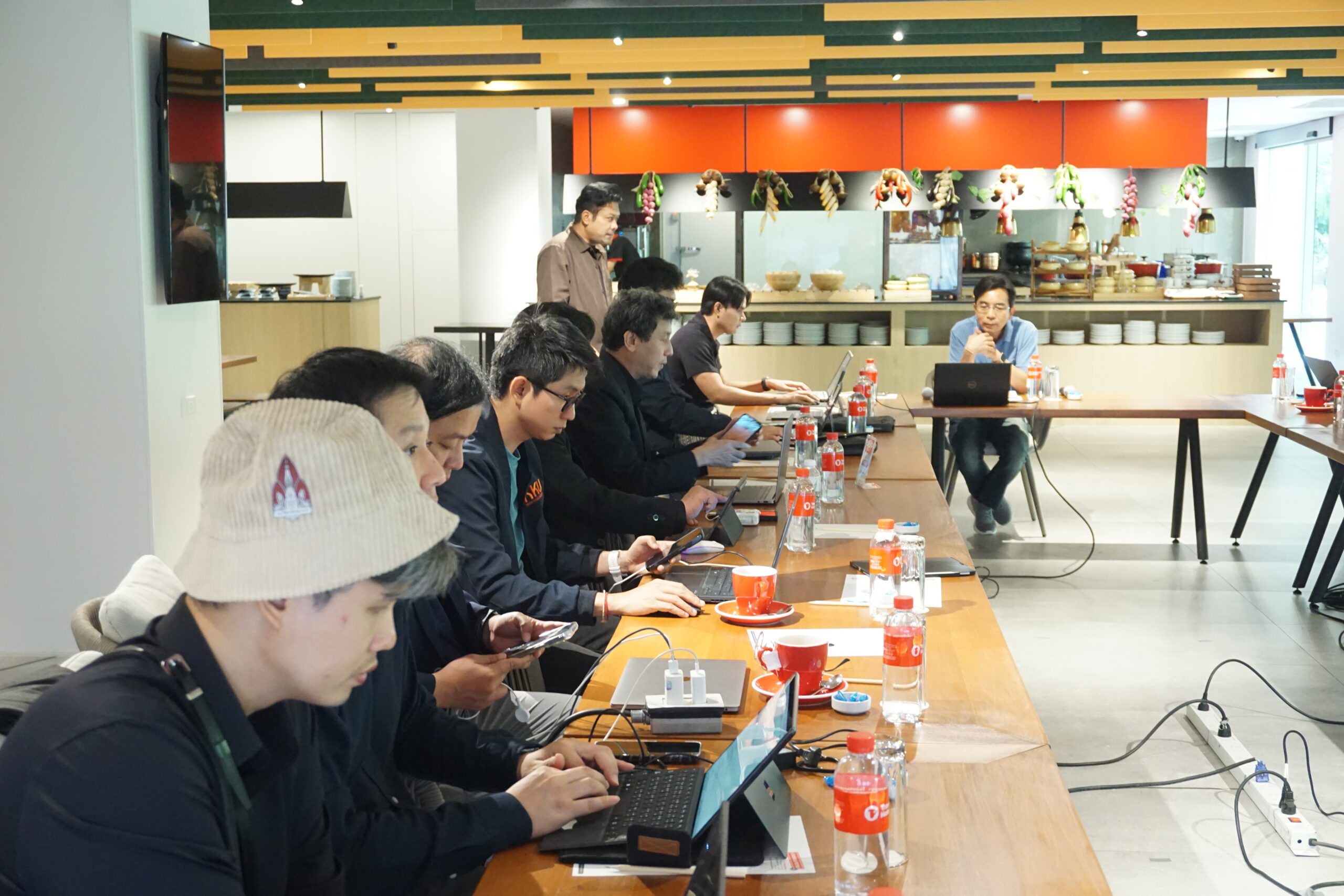
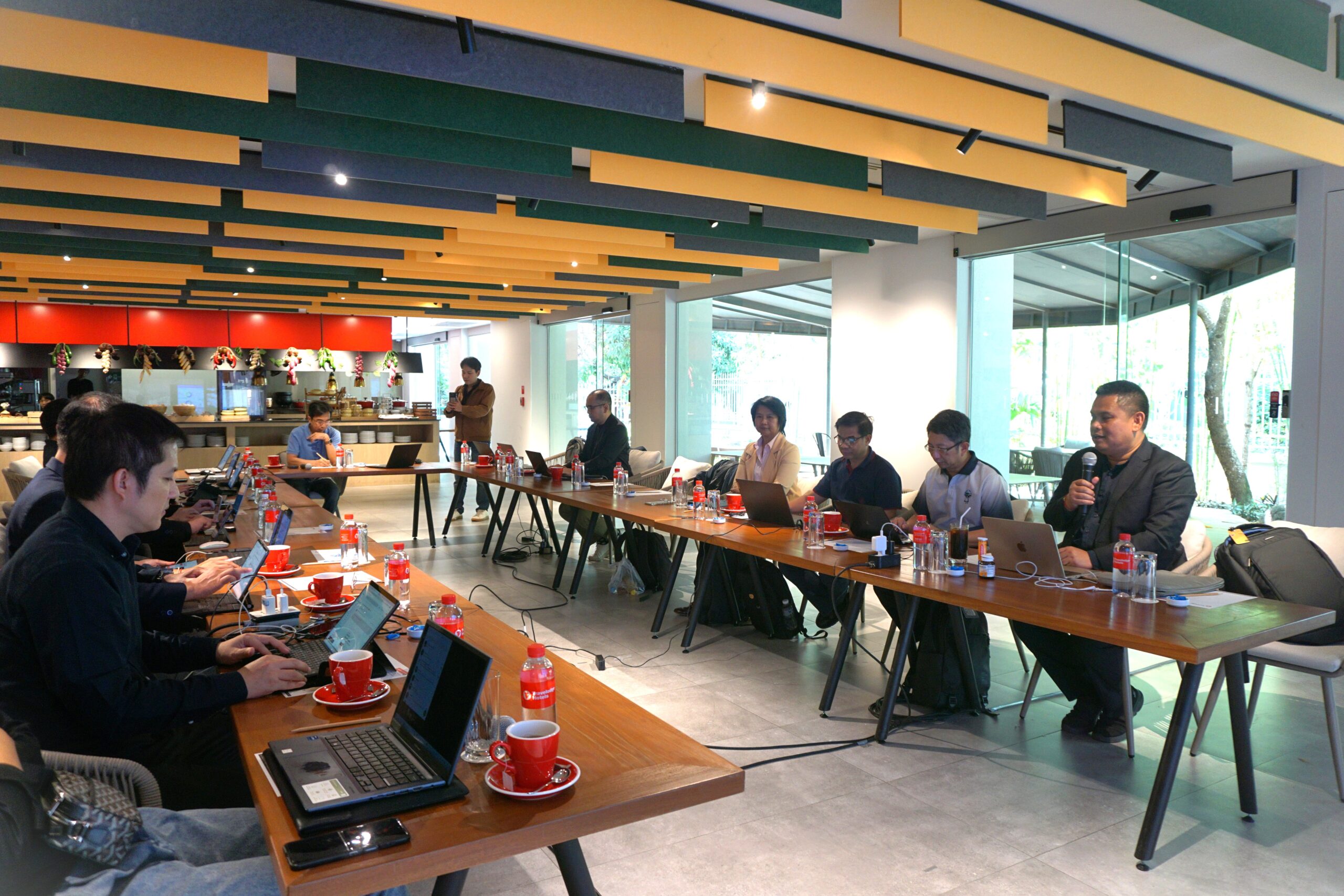
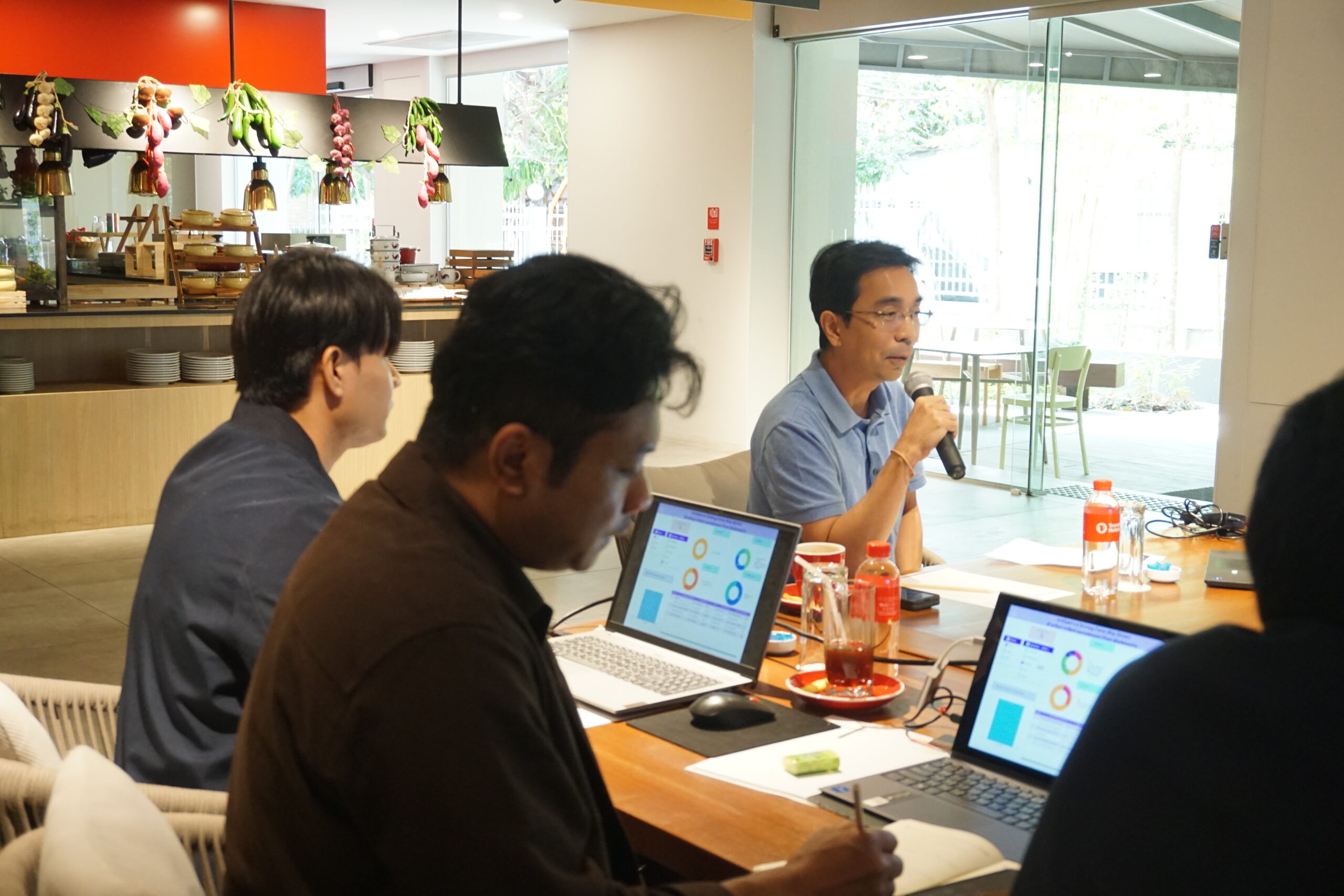
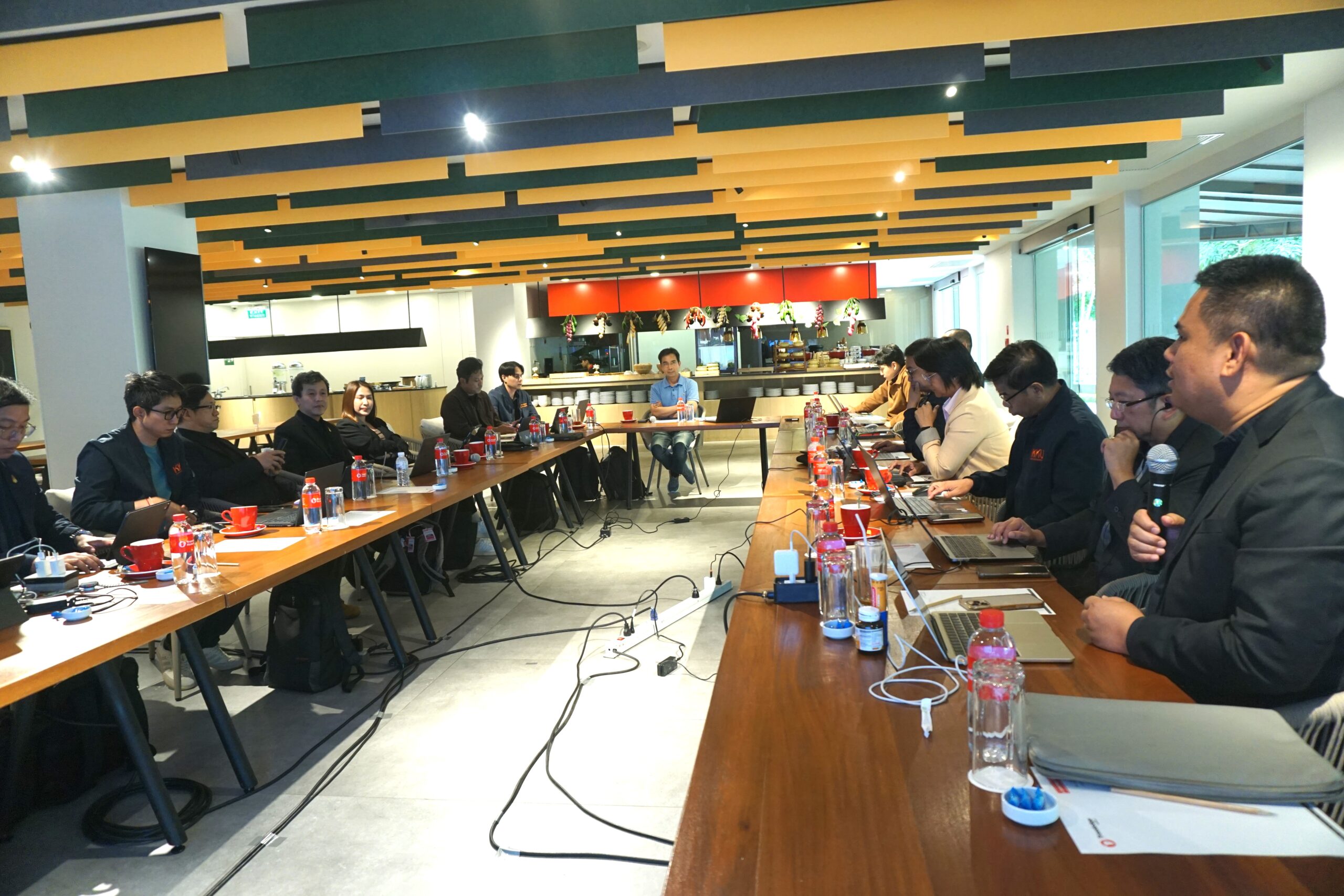
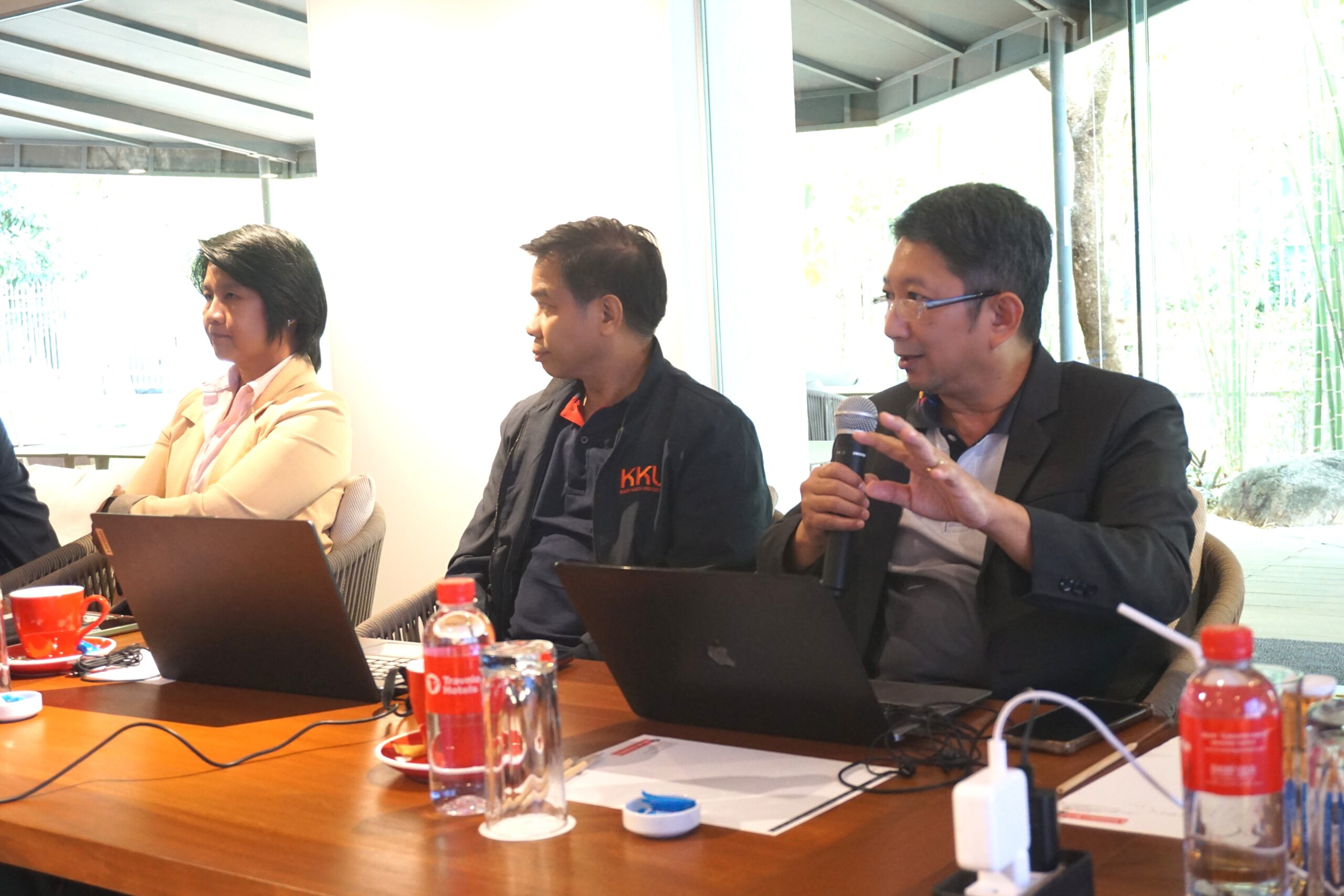
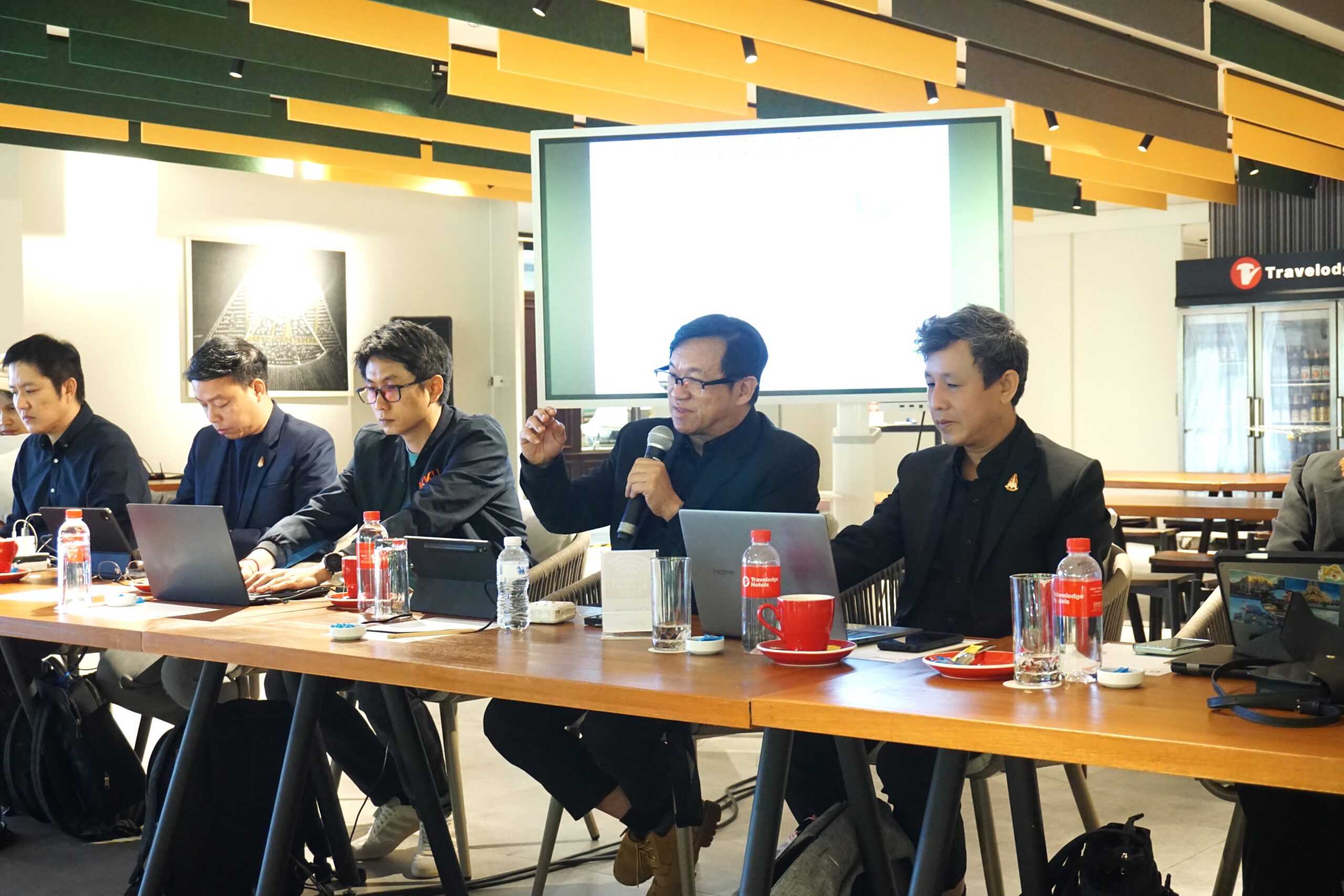
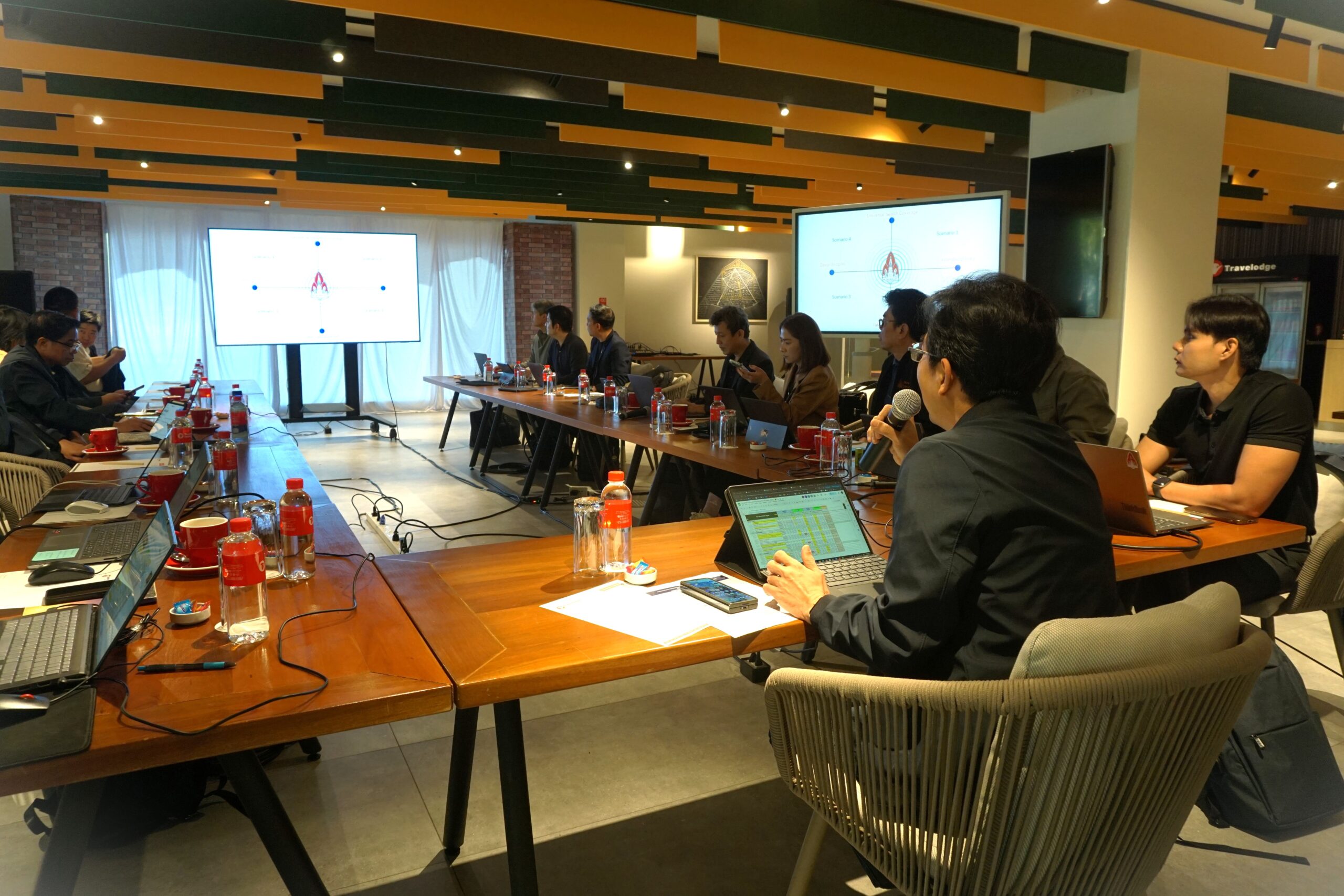
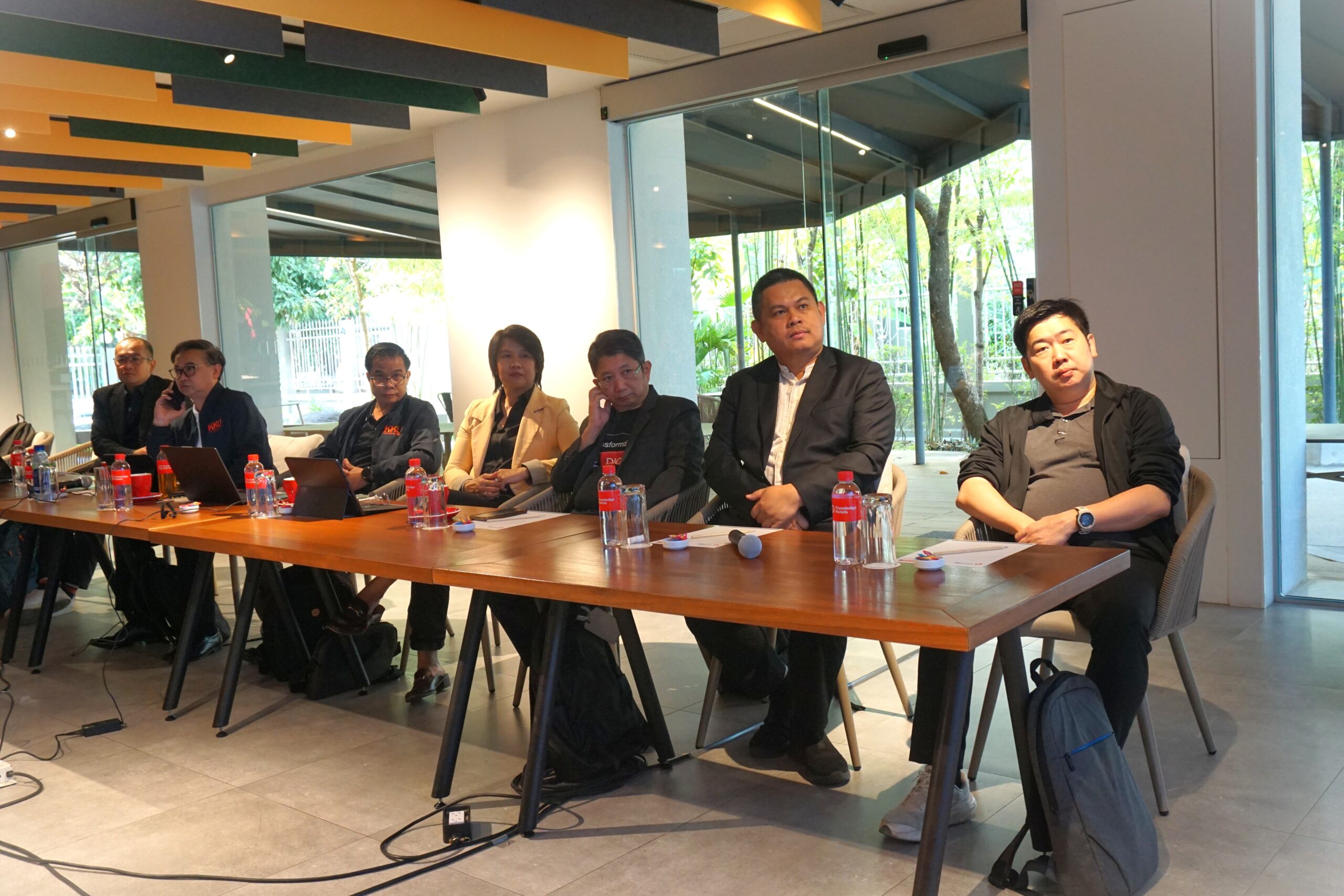
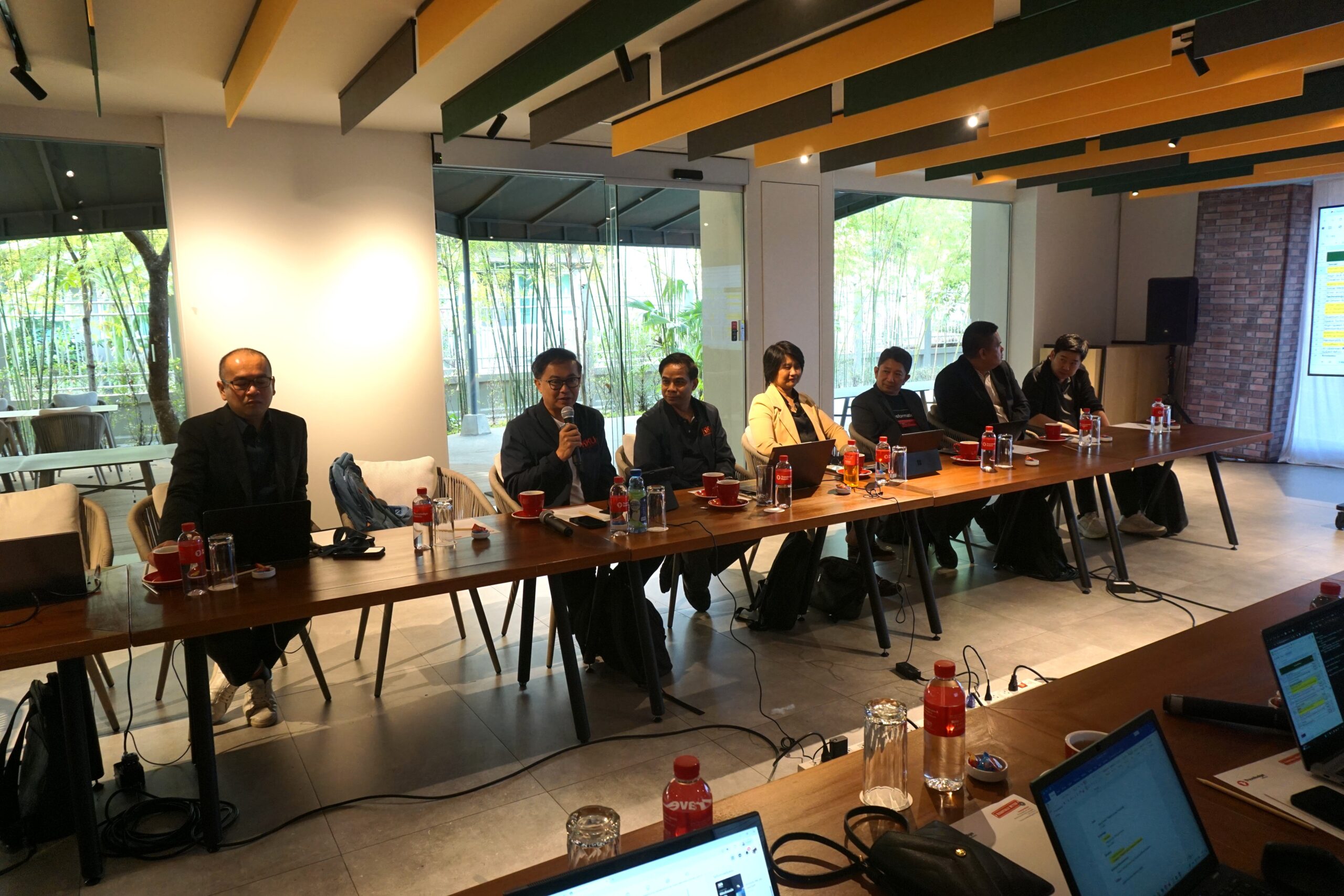
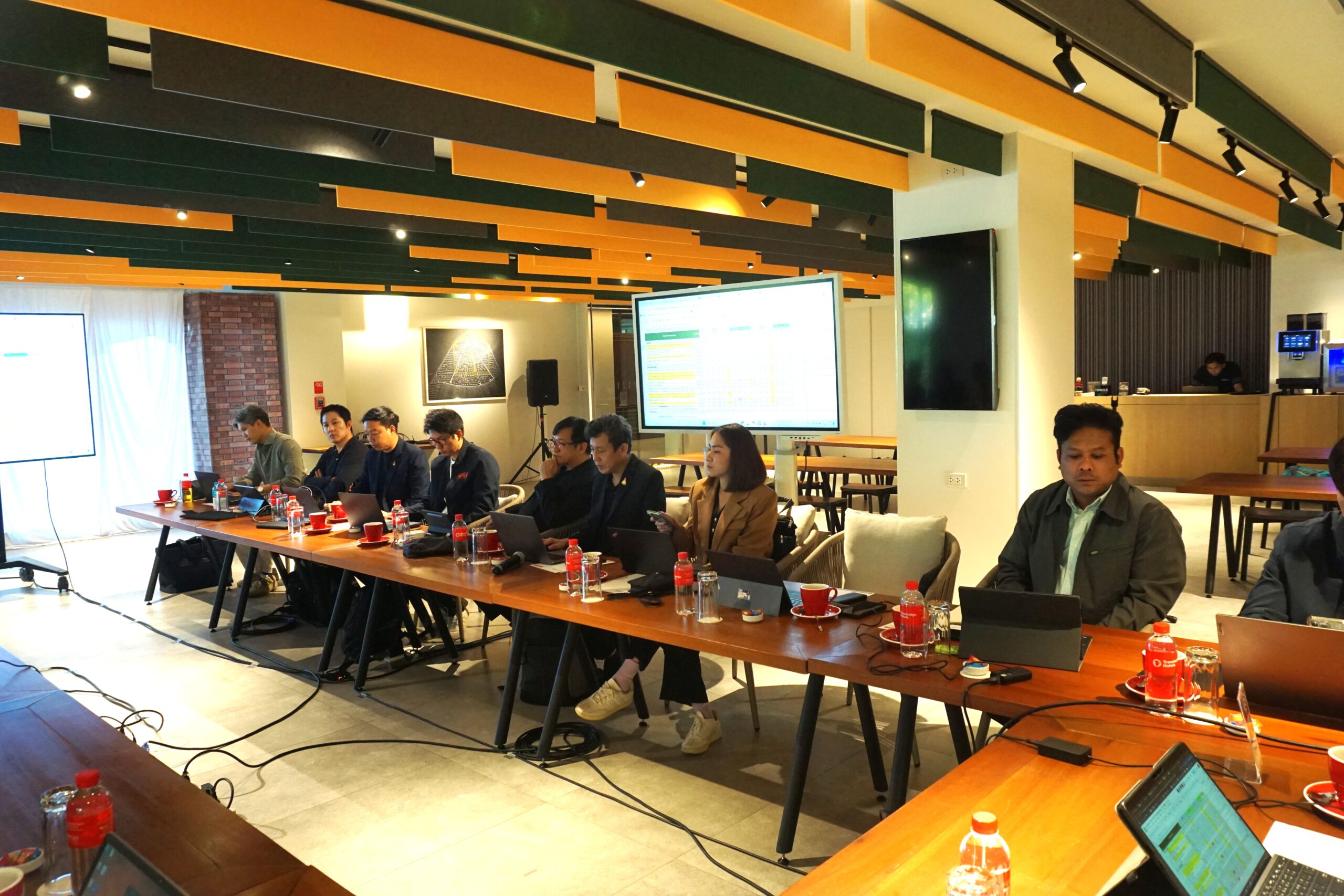
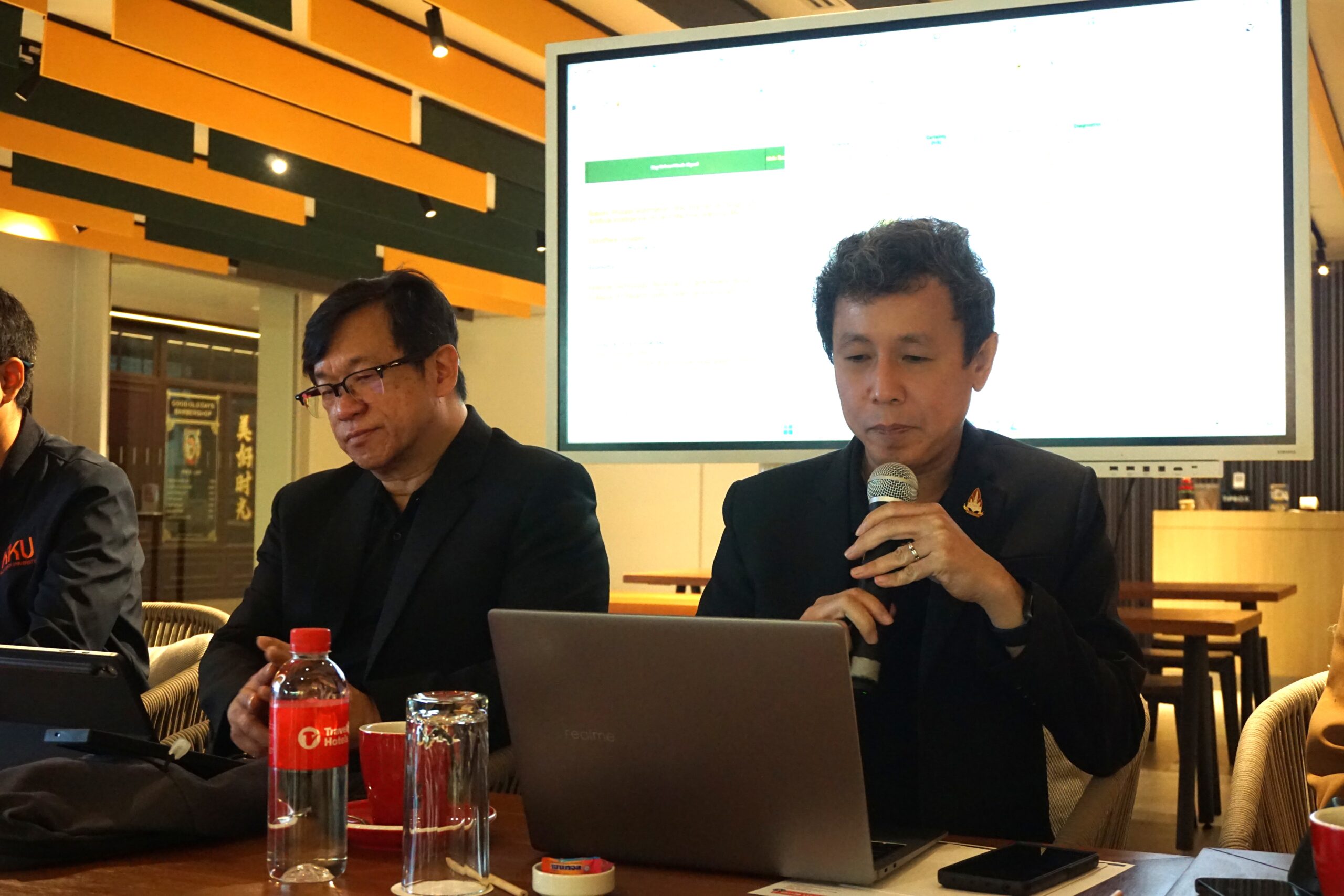
Khon Kaen University (KKU), led by the Strategy Division, organised a seminar on Strategic Analysis and Foresight for Future Planning. The event was held from 9 to 11 February 2026 at the Travelodge Nimman Hotel in Chiang Mai Province. The objective was to review current development directions, study environmental factors impacting university administration, and prepare for the formulation of the Fiscal Year 2027 action plan.
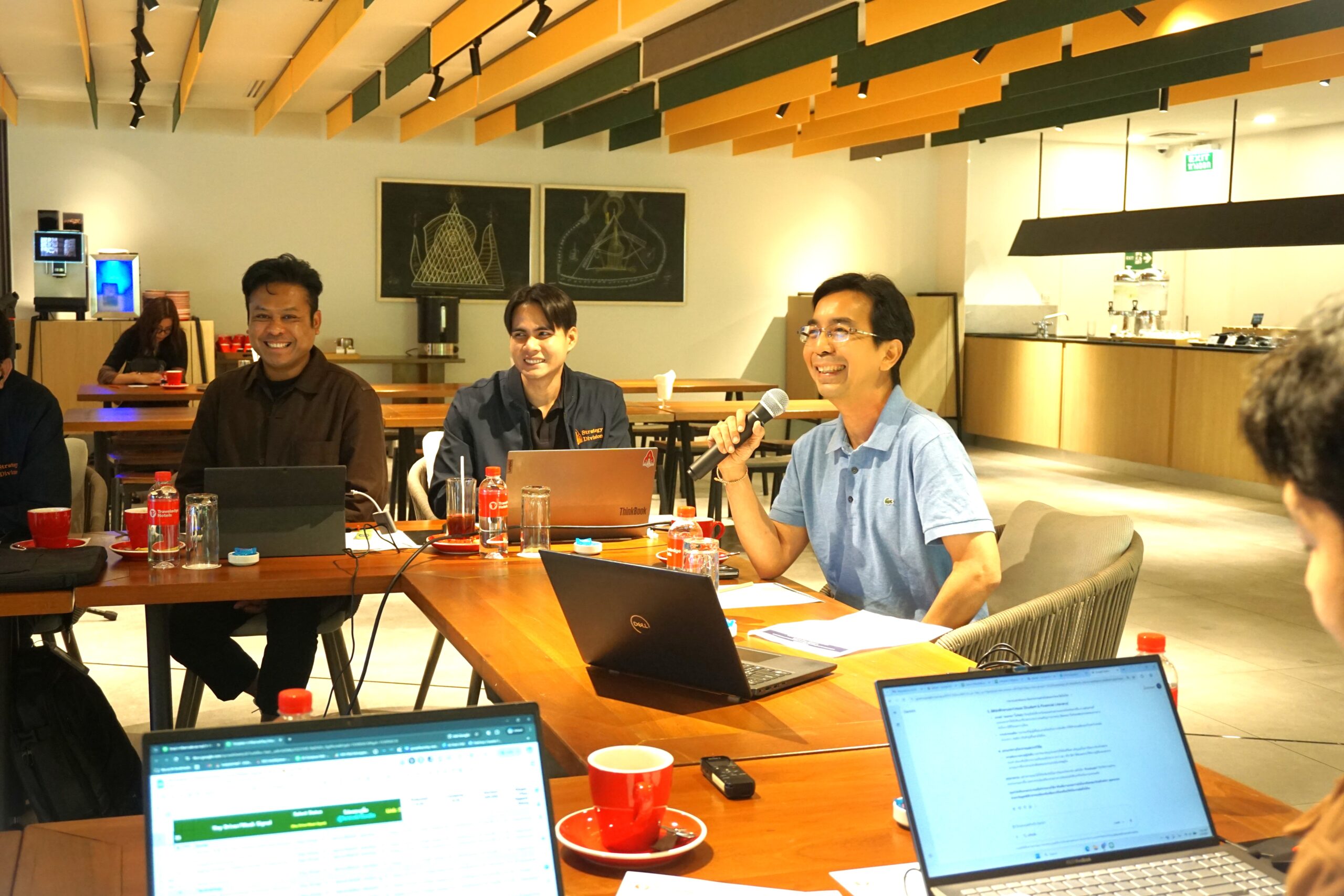
The seminar focused systematically on the Foresight process, which included analysing Key Drivers and Weak Signals through the assessment of potential impact, certainty of occurrence, and the impact horizon. Furthermore, participants conducted a diagnostic analysis of specific attributes and indicators. Key issues were subsequently selected to construct future scenarios for the University over the next four years, alongside an analysis of potential implications for KKU.
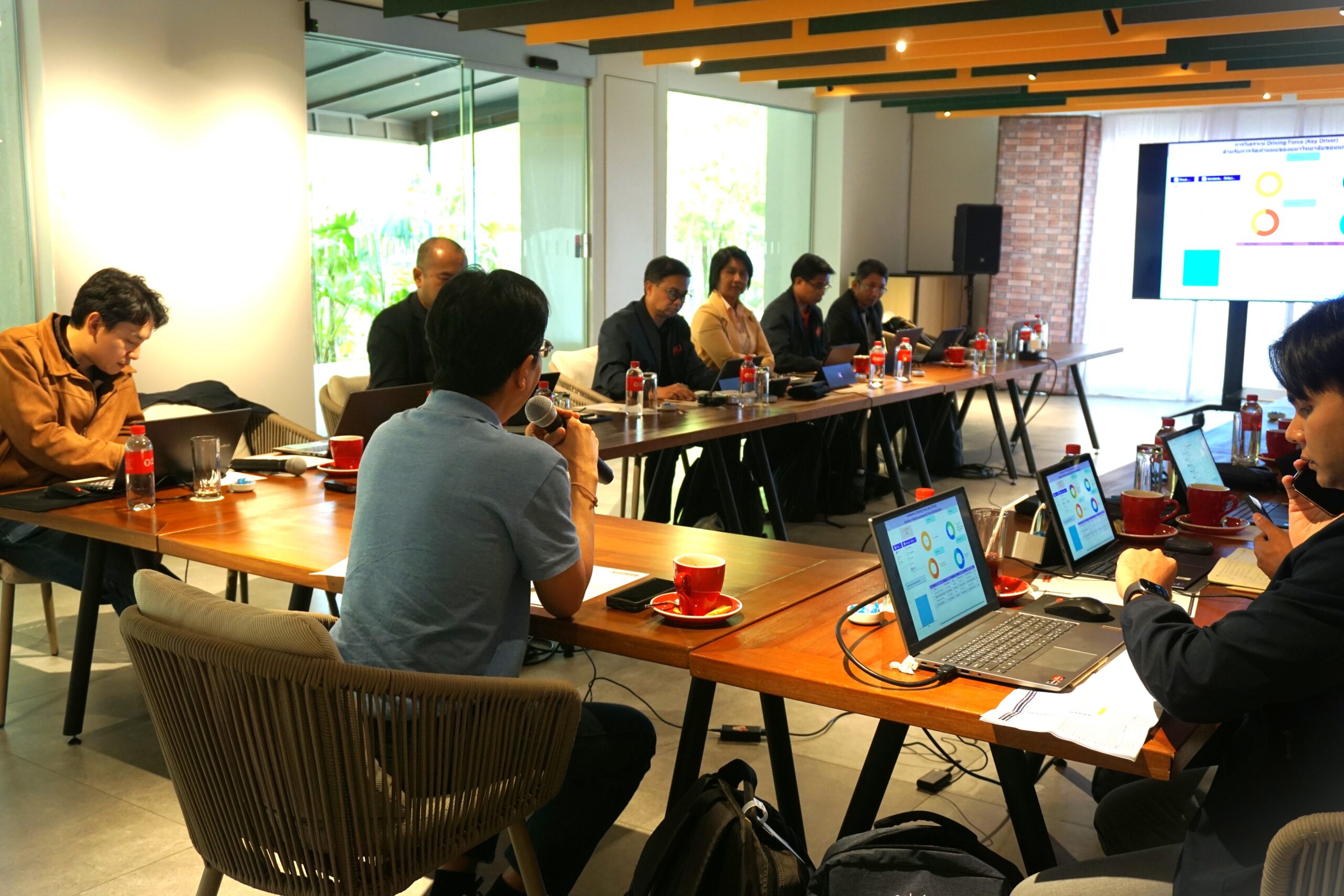
The programme also featured a Strategic Assessment of current university strategies and the formulation of proposals aimed at improving those strategies to align with the rapidly evolving global context.
The Strategy Division anticipates that the outcomes of the seminar will enable the University to clearly identify critical “Driving Forces,” accurately define strategies, objectives, and indicators, effectively respond to global challenges, and drive the organisation towards sustainable development in a concrete manner.
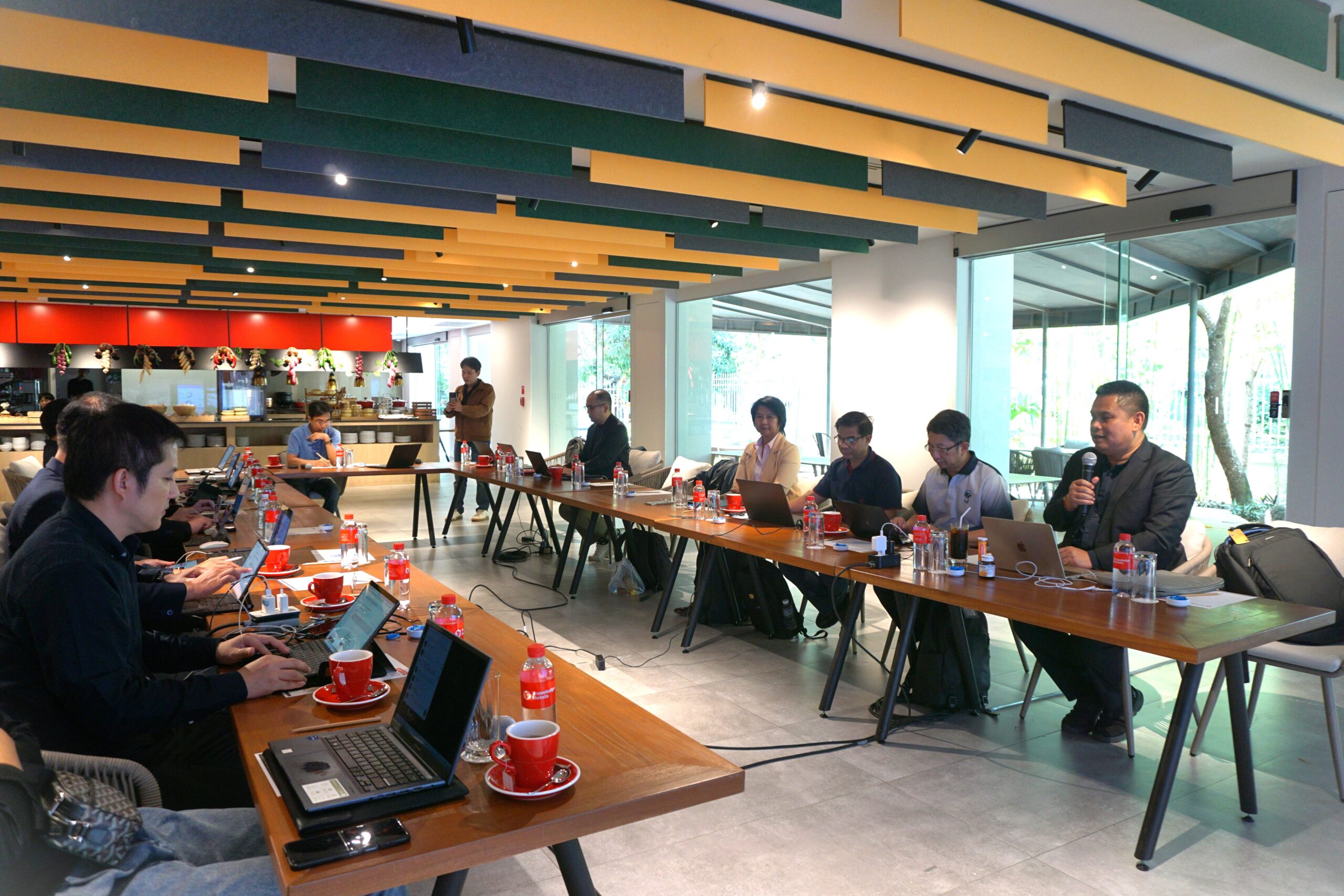
The analytical results generated from this event will serve as vital information for the subsequent executive seminar, involving administrators from both central university level and faculty/unit levels, dedicated to finalising the Fiscal Year 2027 Action Plan. This follow-up seminar is scheduled to take place from 22 to 24 February 2026.
This initiative reflects the University’s commitment to effective organisational governance, aligned with the principles of good governance and proactive planning based on data and empirical evidence (Evidence-Based Management). More broadly, it corresponds with the Sustainable Development Goals (SDGs) regarding the establishment of effective, transparent, and accountable institutions, ensured through the participatory processes of executives and internal units, all working together to define the long-term direction for sustainable development.
News: Benjamaporn Mamook
Information / Photos: KKU Strategy Division