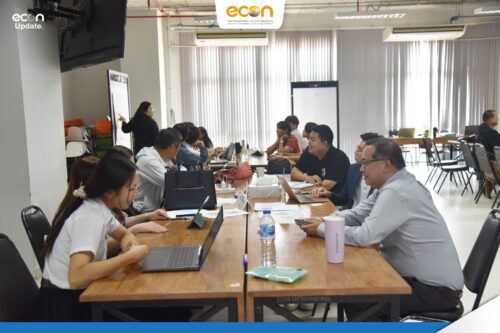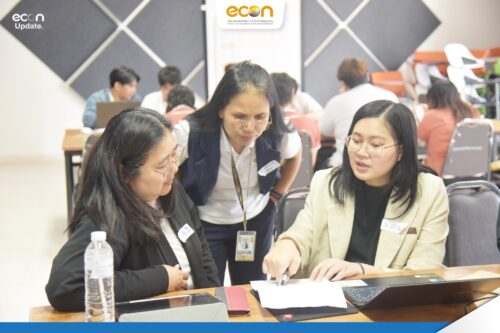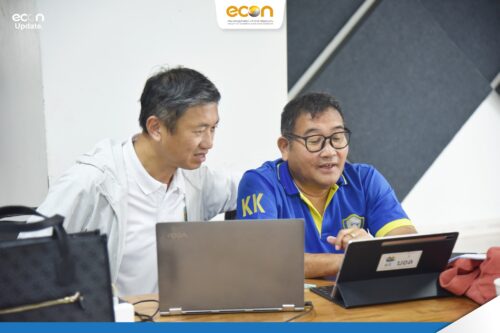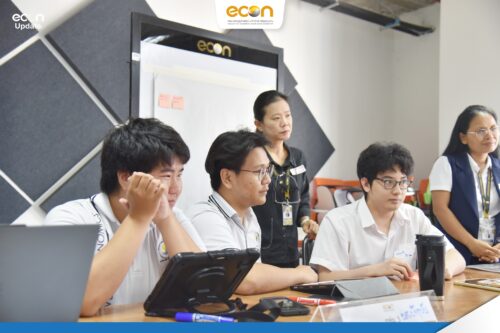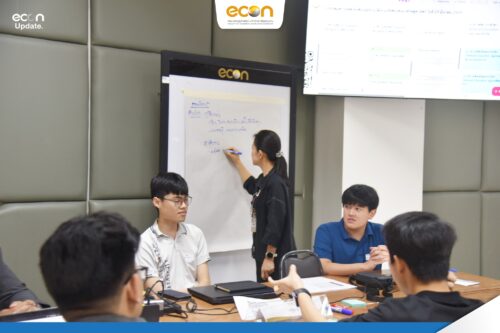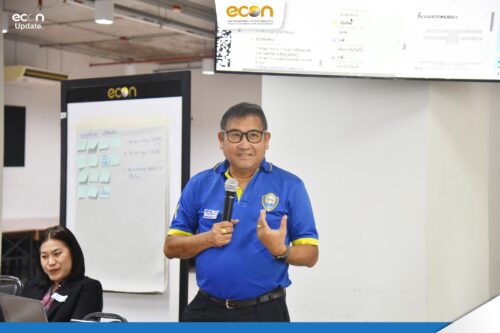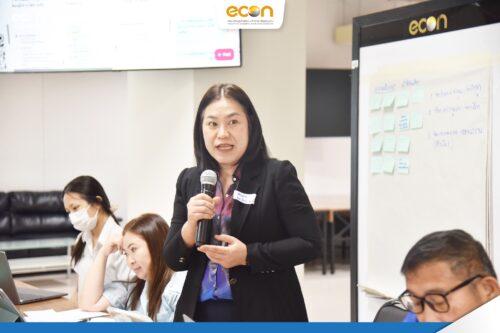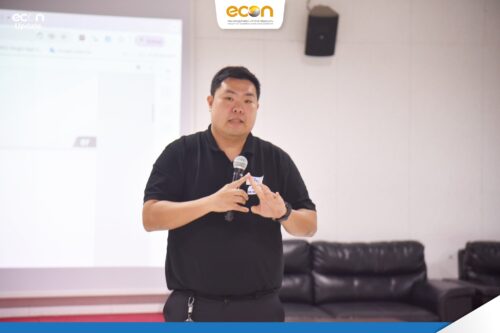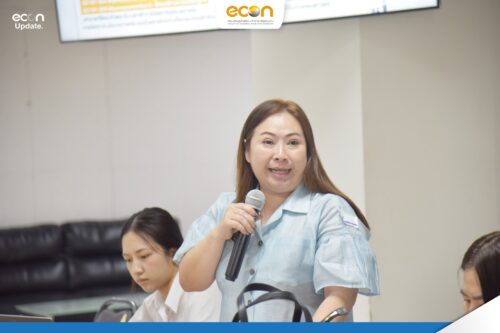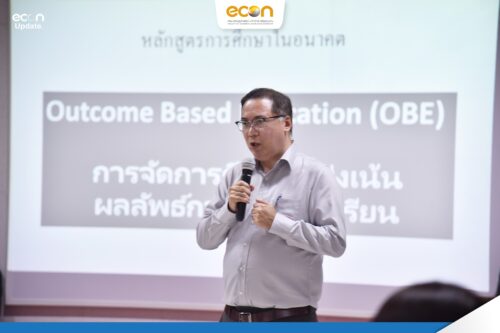
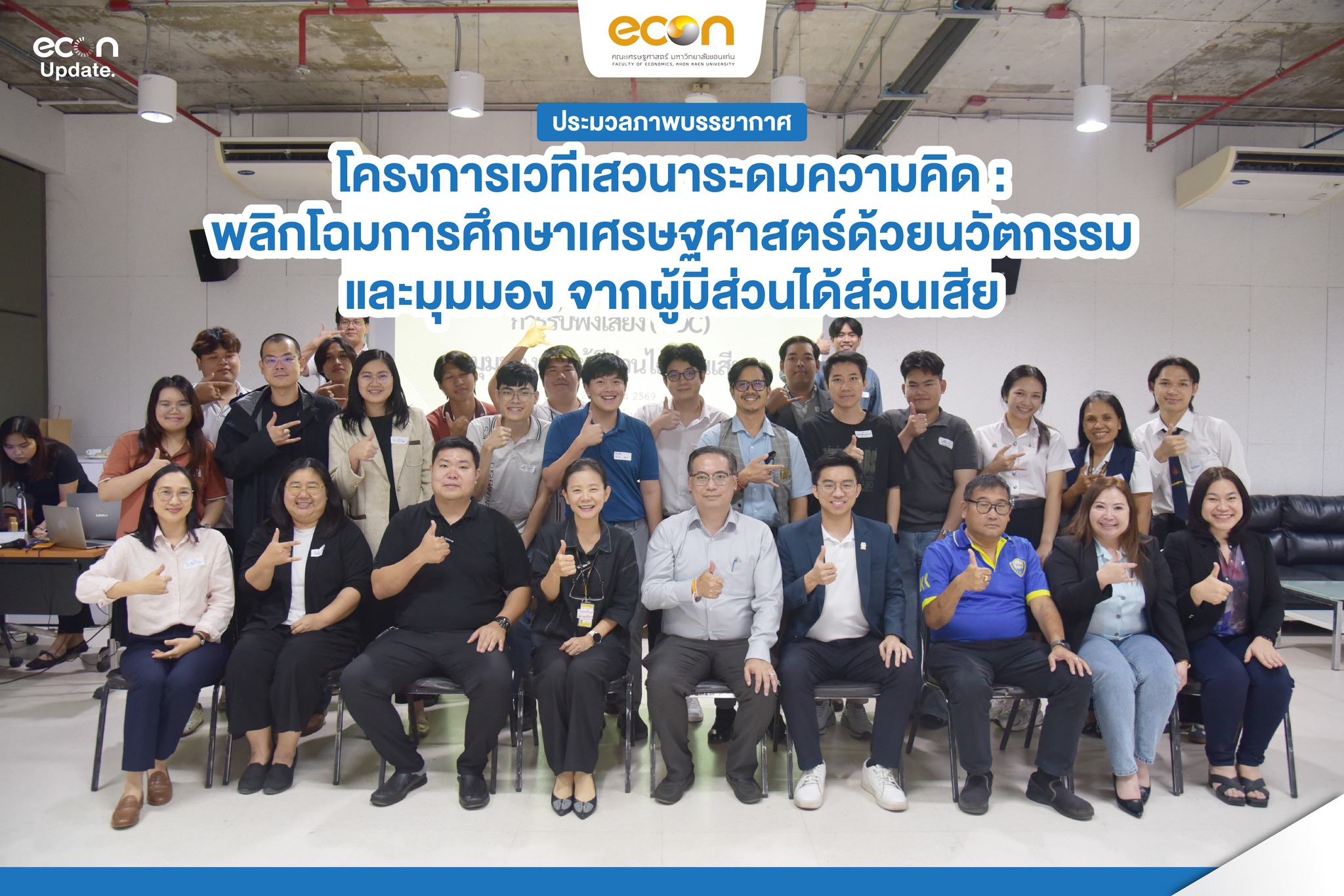
KHON KAEN – The Faculty of Economics at Khon Kaen University (KKU) hosted a collaborative forum on March 29, 2026, aimed at modernizing its economics curriculum to meet the demands of the 21st-century world. The event, titled “Transforming the Economics Curriculum with Innovation and Stakeholder Perspectives,” brought together various sectors to provide comprehensive feedback.
The primary goal of the forum was to gather diverse opinions and suggestions from all relevant stakeholders. This feedback will be used to conduct a gap analysis, identifying misalignments between the current curriculum and labour market needs. The faculty intends to use these insights to update its Expected Learning Outcomes (ELOs), ensuring that graduates are equipped with the skills required by today’s business and social environments.
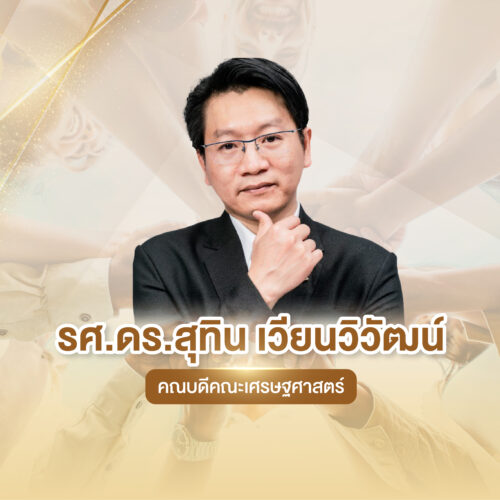
“This forum is a crucial step in advancing the quality of our economics program to keep pace with global changes,” said Associate Professor Dr. Sutin Wianwiwat, Dean of the Faculty of Economics. “By listening to everyone—alumni, current students, faculty, and leading employers—we gain diverse and comprehensive perspectives. This is the foundation for designing a curriculum that truly meets labor market demands.”
The Dean reiterated the faculty’s commitment to continuous, participatory curriculum development. “The feedback from today’s forum will be carefully analyzed to refine our ELOs to align with the needs of the business, financial, and social sectors,” he stated. “Our ultimate goal is to produce high-quality graduates with well-rounded skills who can create sustainable value for their organizations and society.”
The event featured prominent representatives from various key organizations who shared their insights, including:
- The President of the Federation of Thai SME Associations, Region 5
- The Secretary-General of the Khon Kaen Bankers’ Club
- The Vice President of the Khon Kaen Chamber of Commerce
- The Assistant Director of the Bank of Thailand, Northeastern Region Office
- An Assistant Vice President from the Bank for Agriculture and Agricultural Co-operatives
In addition to industry leaders, the forum also gathered input from alumni with experience across different sectors, current students who shared the modern learner’s perspective, and faculty members who proposed academic and pedagogical improvements.
The information gathered will be used to develop graduates with the capabilities and competencies needed to respond effectively and sustainably to modern challenges.