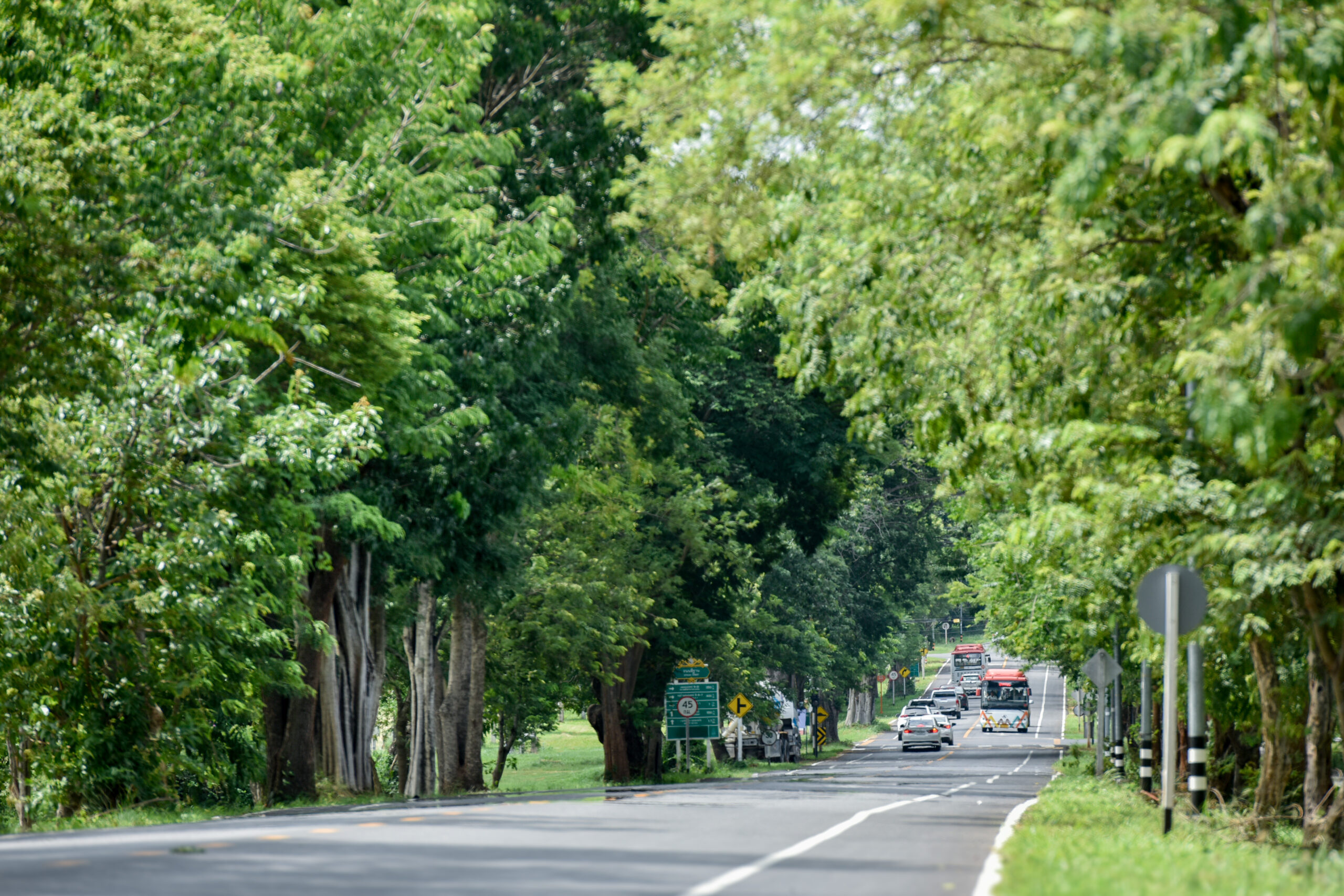
As Khon Kaen University (KKU) approaches its 62nd year, the management of its expansive 5,000-rai campus is undergoing a modern evolution. Facing annual electricity costs of 420 million baht, the university is moving beyond routine maintenance to modernize its infrastructure in alignment with global environmental standards. The core objective: to enhance the quality of life and transform the “Mor Din Daeng” campus into a space that meets the demands of modern living.
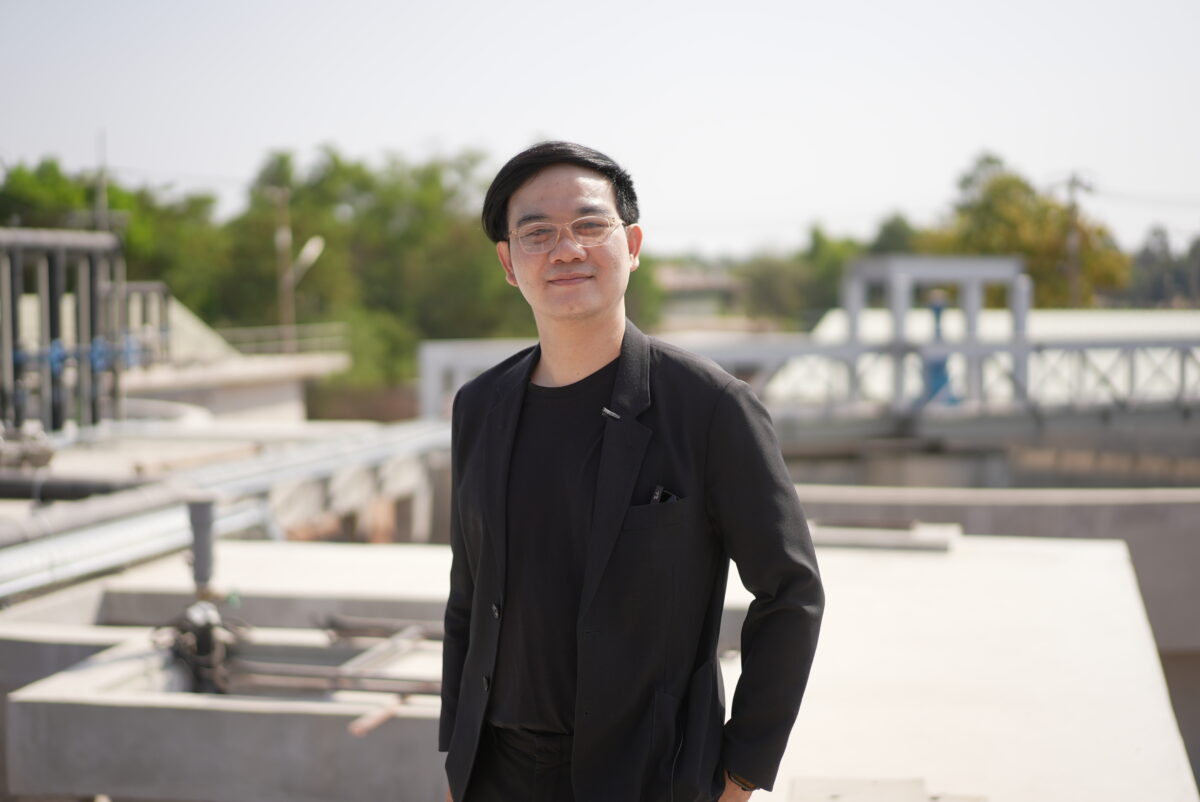
To address the challenges of sustainable development, the Khon Kaen University Council has established a policy for “Smart Campus and ESG Integration.” Leading this initiative is Associate Professor Choopong Thongkamsamut, Ph.D., Vice President for Physical Ecosystem and Environment. His goal is to transform the campus into a “Great Place to Live, Learn, and Work.”
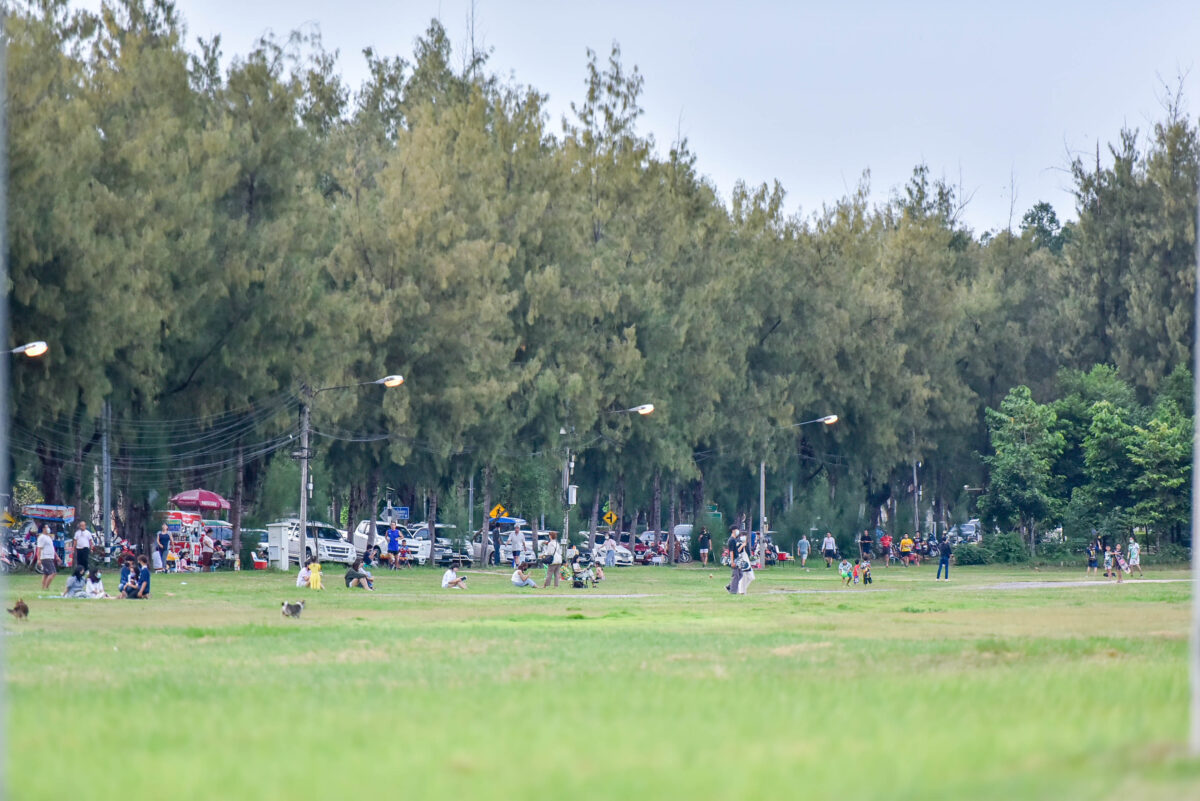
To translate this policy into practical action, Associate Professor Thongkamsamut has outlined “Four Key Operational Frameworks” to serve as standard criteria for the design and decision-making of all physical projects. These include:
- Safety: The environment must support the security of life and property.
- Convenience: Public utilities and physical infrastructure must be user-friendly and easily accessible.
- Beauty: The landscape should be pleasant, aesthetically pleasing, and inspiring.
- Green: All development must prioritise sustainability and minimise its environmental impact.
Explaining the rationale behind these four pillars, Associate Professor Thongkamsamut shared his perspective on building a sustainable foundation for the future.
“Sustainability is crucial,” he remarked. “Developing solutions only for today would be simple. However, Khon Kaen University has been developing for 60 years and must continue to do so. Therefore, thinking about the next 10 to 20 years is essential… so that we can find the best solutions today to serve future generations.”
In the initial phase of these improvements, the Vice President for Physical Ecosystem and Environment revealed that the university has integrated technology to enhance efficiency in managing the campus, moving beyond reliance on manpower alone. This includes the implementation of a Smart Alarm system and CCTV for monitoring undesirable incidents, complemented by a Smart Monitoring system that tracks the performance of buildings and public utilities in real time.
“We will leverage technology to support the design, monitoring, and control processes, which will reduce manpower requirements and enable more effective real-time verification,” explained Associate Professor Thongkamsamut. “For instance, we can monitor energy consumption, water treatment performance, and any irregularities that arise. This allows us to manage the campus with maximum efficiency.”
Beyond serving as the vigilant ‘eyes’ for security, the smart technology’s core function lies in the Smart Monitoring system, which conducts detailed analyses of resource consumption across the university.
This data has revealed the startling fact that Khon Kaen University’s annual electricity expenditure is as high as 420 million baht. This information is not merely for acknowledgment but serves as a basis for strategic decision-making to address large-scale structural issues in the most cost-effective manner.
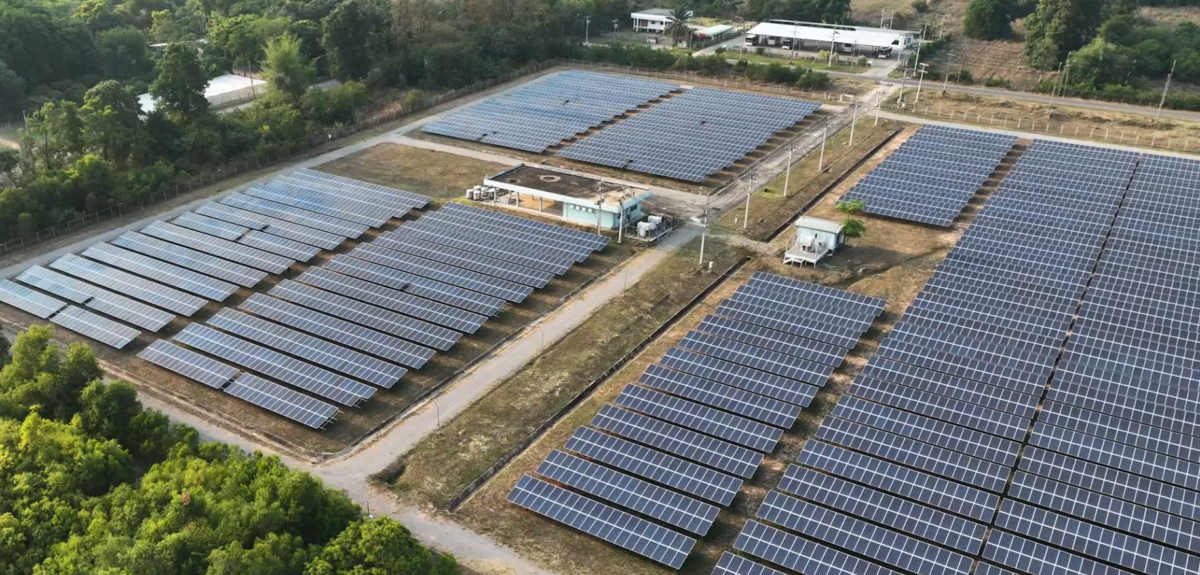
Consequently, KKU is accelerating clean energy projects to reclaim this portion of the budget. A large-scale 30-megawatt solar cell system is being installed, alongside the modernisation of the outdated wastewater treatment system to a high-efficiency Activated Sludge model. These initiatives aim to simultaneously reduce greenhouse gas emissions and save public funds. Associate Professor Thongkamsamut highlighted the imminent success of these projects, stating:
“The projects with the most tangible results will be the wastewater treatment pond, set for completion in May, and the installation of solar panels. These will reduce energy consumption and save an estimated 2.5 billion baht over the 20-year contract period. Furthermore, the new buildings for the International College and the College of Computing will be designed under the Green Design concept, serving as demonstration centres for future energy-efficient architecture.”
The ultimate success of this policy relies on the active participation of the KKU community. By fostering a culture of energy conservation, waste separation, and environmental stewardship, the university aims to achieve Net Zero Emissions by 2029. Associate Professor Thongkamsamut concluded with confidence:
“If we all contribute—by conserving energy, planting trees, and separating waste at the source—and combine these efforts with the infrastructure investments we are making, Khon Kaen University will certainly achieve Net Zero by 2029. Although there may be some inconvenience from construction in the short term, in the next two to three years, KKU will be completely transformed, ensuring we pass on the best possible environment to our future generations.”
With a vision that extends far beyond the current decade, Khon Kaen University is doing more than merely repairing infrastructure; it is establishing a new gold standard for physical development that harmonizes advanced technology with dedicated environmental stewardship. These efforts ensure that our “large home” remains a sustainable, vibrant, and truly “Great Place to Live” for every member of the KKU community, both now and for generations to come.