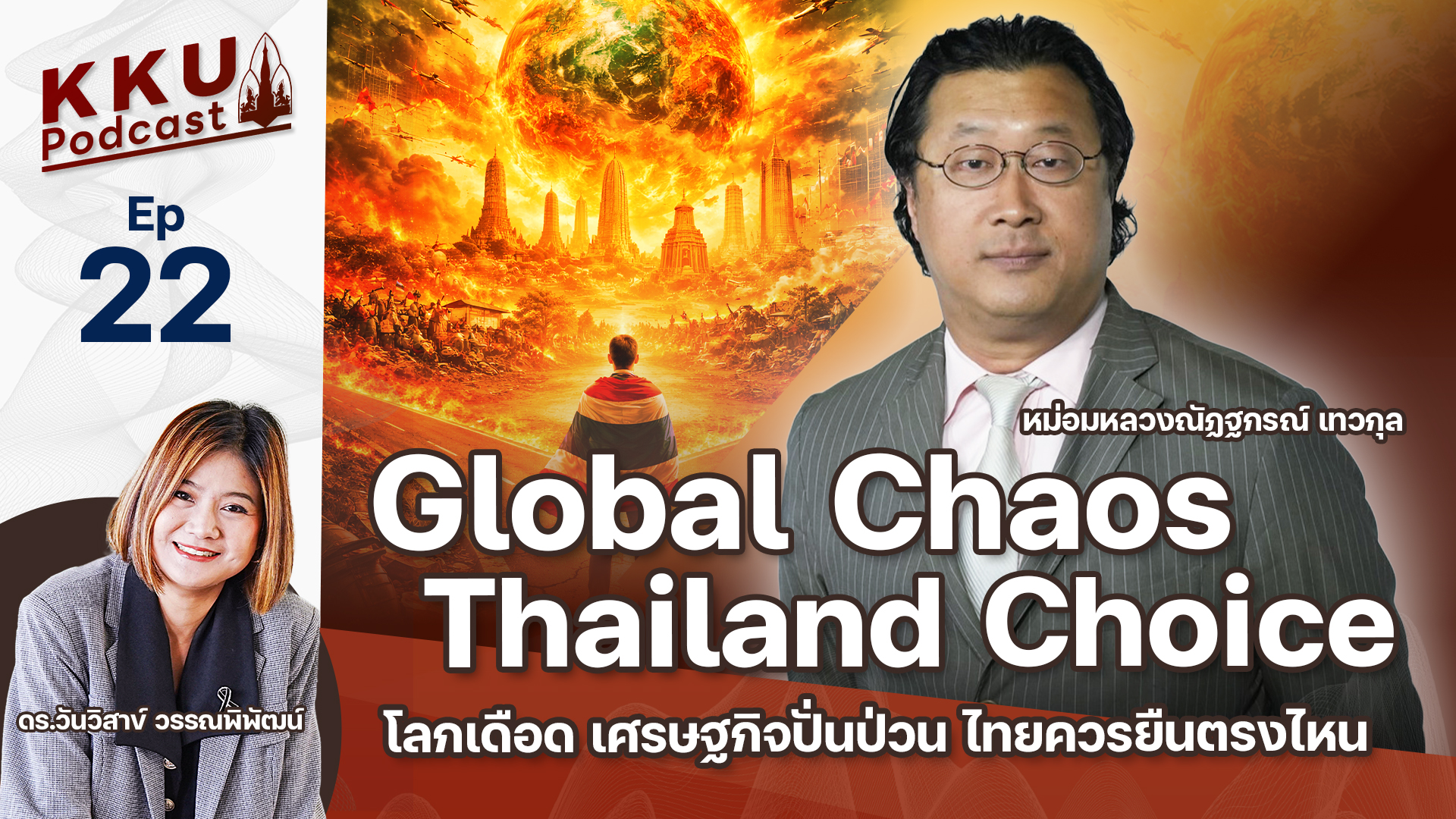
Amid escalating tensions in the Middle East, the ongoing conflict involving Iran, the United States, and Israel is no longer a distant regional dispute. It is sending shockwaves across the globe, particularly in the realms of energy, economics, and security. Ultimately, the impact is felt not only by the nations in conflict but by people worldwide, including in Thailand.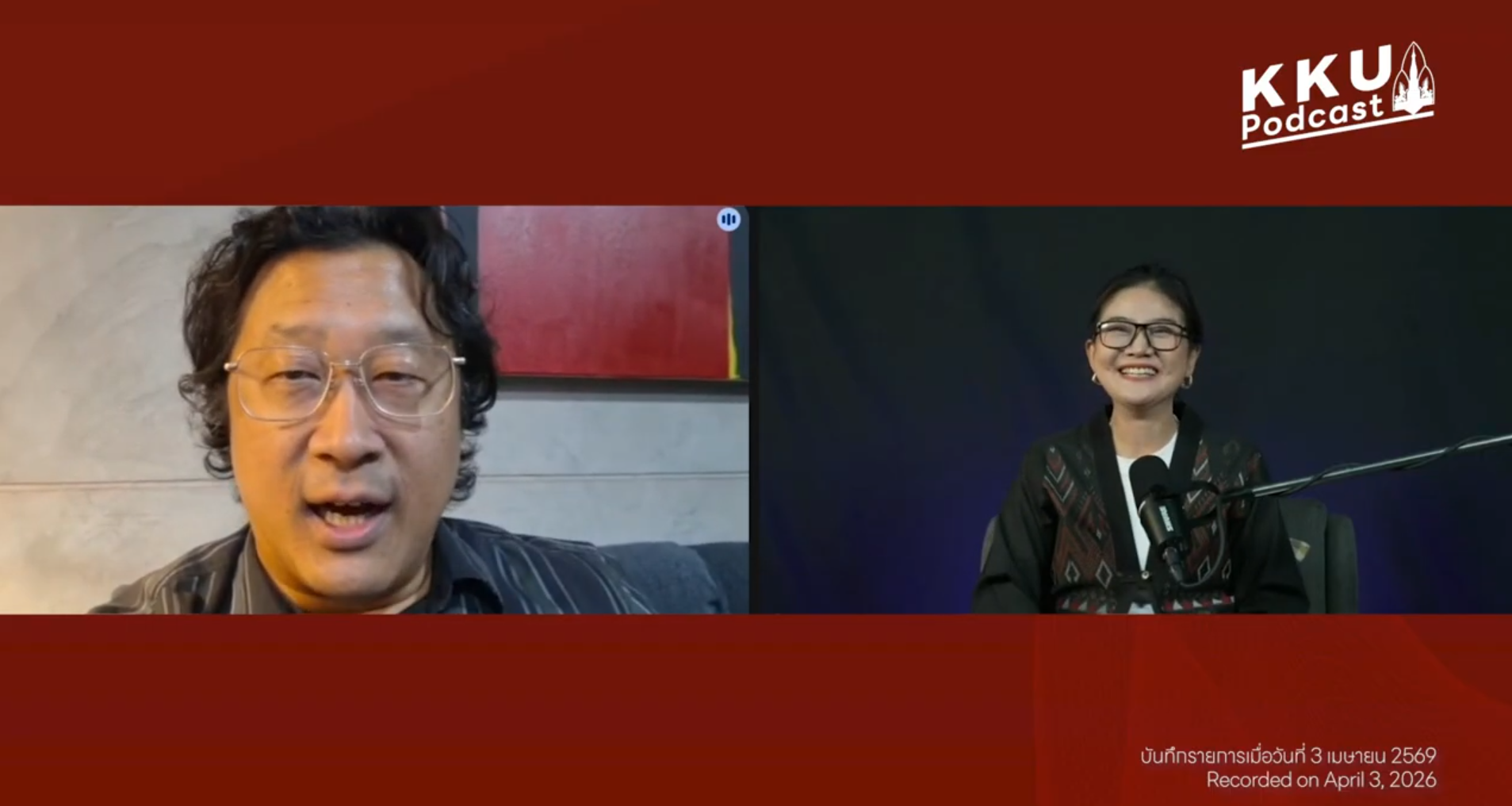 An interview with M.L. Nattakorn Devakula, widely known as ‘Khun Pluem,’ on KKU Podcast EP. 22, starkly illustrates that this crisis represents a significant ‘energy and economic turning point’ for the world.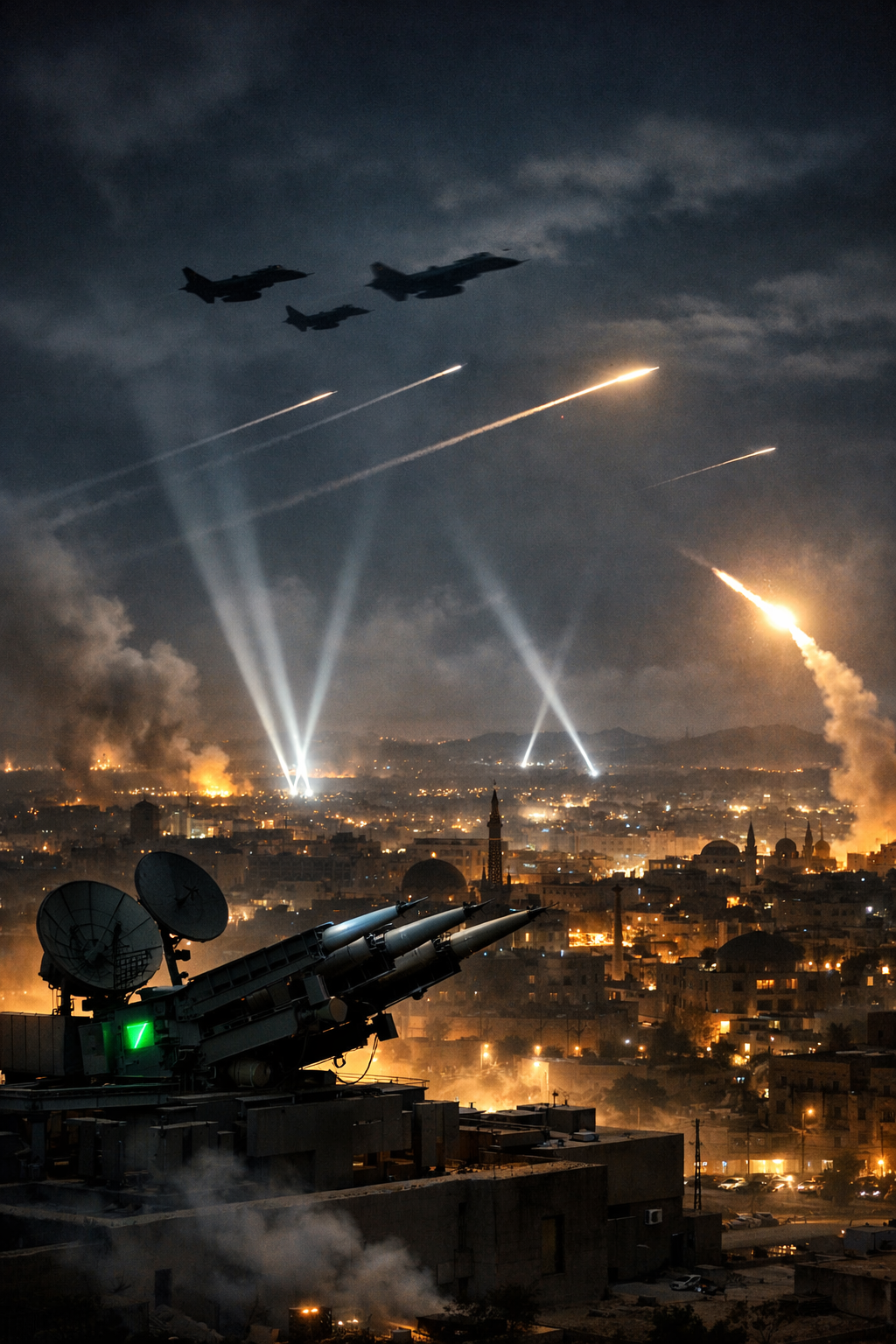
Shifting Geopolitics: A War Beyond Combat
The conflict began with military clashes between the United States and Israel against Iran, marked by a continuous series of retaliatory aerial strikes, missile attacks, and drone deployments. This has plunged the Middle East into a state of heightened tension. However, what distinguishes this situation from conventional warfare is Iran’s strategic role in controlling the Strait of Hormuz, the world’s most critical oil transit chokepoint. This move has had an immediate and direct impact on the global energy system.
M.L. Nattakorn Devakula pointed out that while this may not yet constitute a ‘new world order,’ it represents a challenge to the existing power structure, particularly the role of the United States in the region. In the long term, it could lead to a ‘new balance of power’ in the Middle East.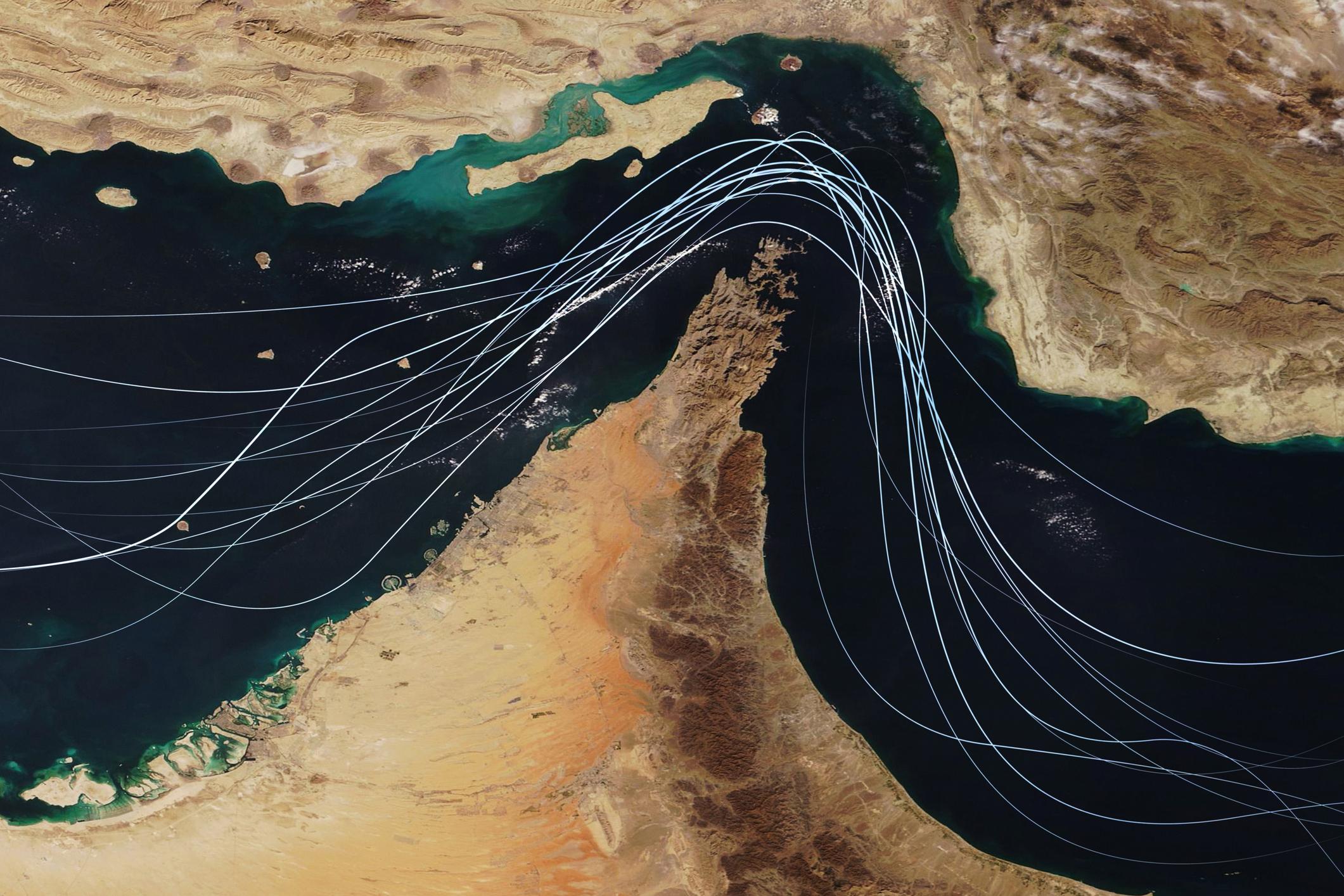 The Oil Price Crisis: When Fear Becomes the World’s Cost
The closure or control of the Strait of Hormuz has triggered severe anxiety in energy markets, causing oil prices to surge briefly above $120 per barrel. However, M.L. Nattakorn Devakula explained that the world is not facing a quantitative ‘shortage’ of oil but rather ‘higher prices’ driven by supply risks and geopolitical uncertainty.
The current situation reflects a market mechanism rebalancing itself: consumers are compelled to reduce energy consumption, while businesses must absorb higher costs, leading to a slowdown in overall economic activity.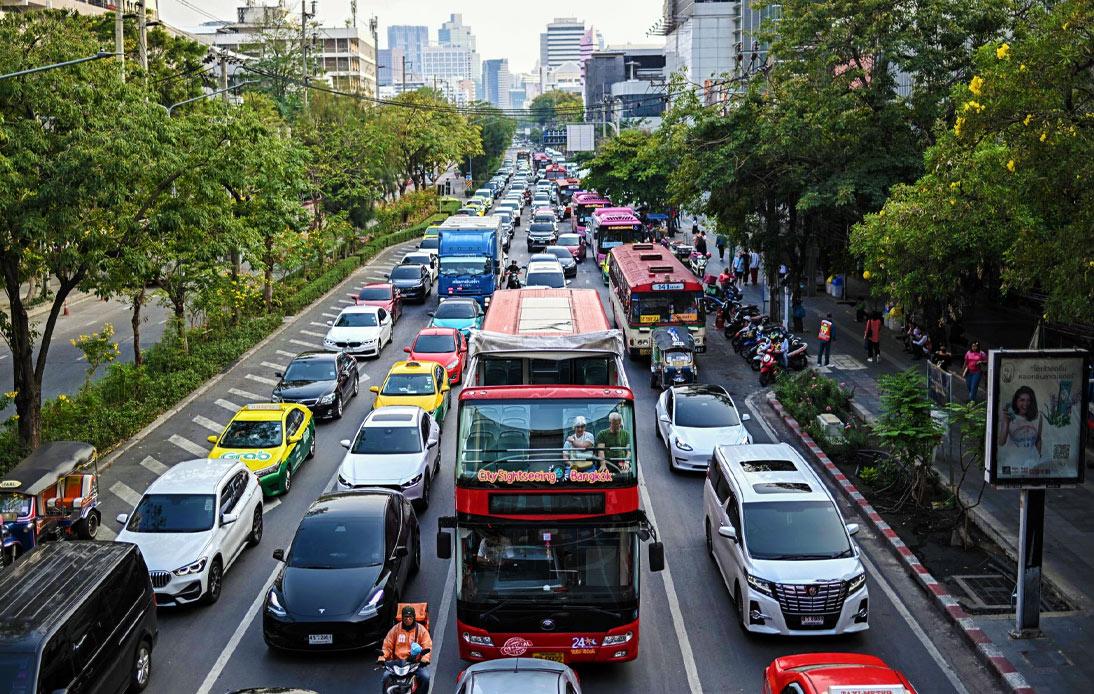 Inflation and the Global Economy: An Inevitable Cycle
As energy is a fundamental cost for nearly every industry, the surge in oil prices has created a chain reaction, affecting the prices of almost all goods and services—from transport and electricity to consumer products. This has pushed many countries towards ‘stagflation,’ a challenging economic condition characterised by slow growth and high inflation.
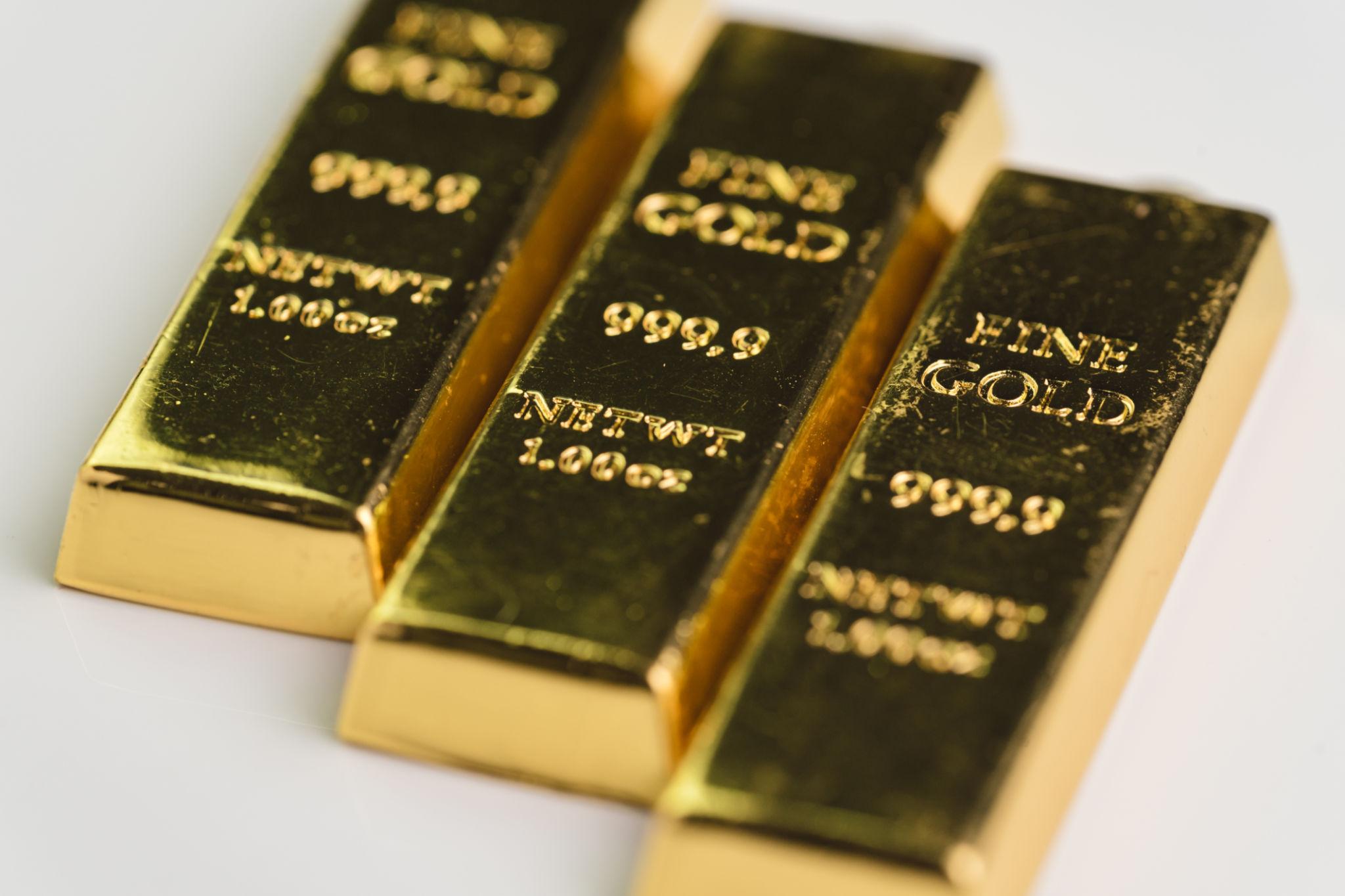
Simultaneously, global financial markets have experienced volatility, with investors moving capital to safe-haven assets such as gold and the US dollar. This has put emerging market economies under pressure from capital outflows and currency depreciation.
 Impact on Thailand: When a Global Crisis Hits Home
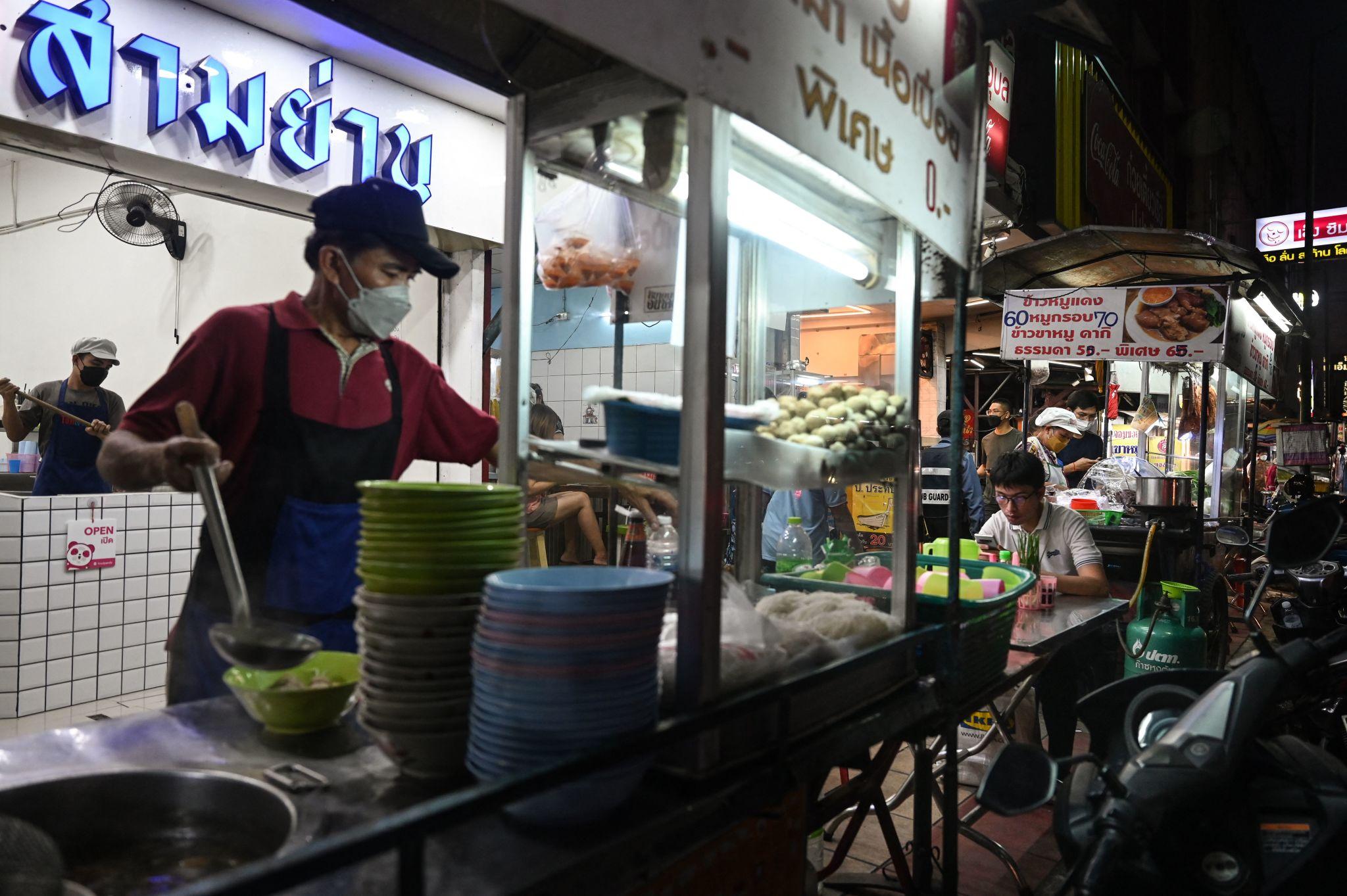
For Thailand, a net oil importer, the consequences of this crisis are ‘unavoidable.’ The projected trends include a reduction in economic growth (GDP) to approximately 1–1.4%, rising inflation due to higher energy costs, and an increased cost of living for the public, especially in electricity, transport, and consumer goods. In M.L. Nattakorn Devakula’s view, this clearly shows that ‘the Thai economy is facing slow growth amidst a rising cost of living, which disproportionately affects low-income individuals.’
Furthermore, there are social impacts, such as the repatriation of Thai workers from the Middle East, which affects both household incomes and the domestic labour market.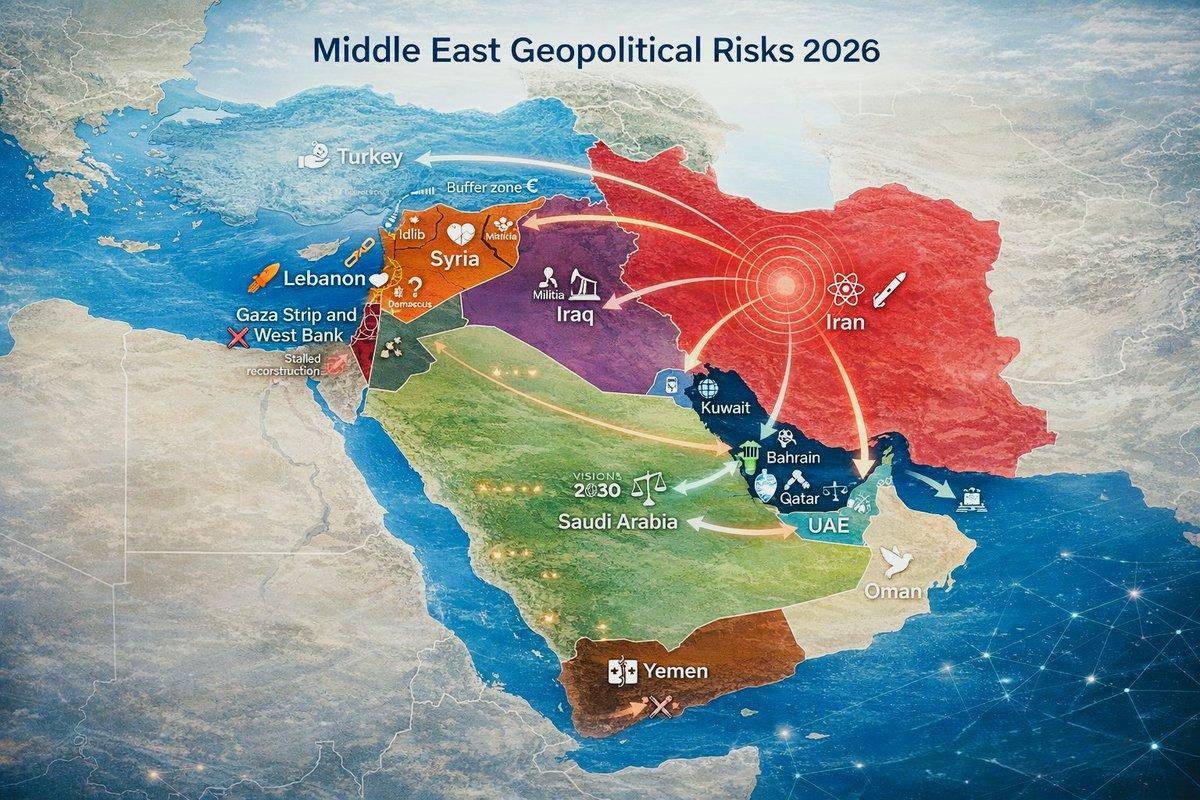
Thailand’s Stance: Diplomatic Balancing
In the context of this conflict, Thailand has chosen a path centered on ‘protecting national interests.’ It has opted not to take sides but to emphasise cooperation with all nations. M.L. Nattakorn Devakula suggested that this approach is not merely ‘neutrality’ but a flexible foreign policy that enables Thailand to maintain relationships and secure its interests with all parties simultaneously.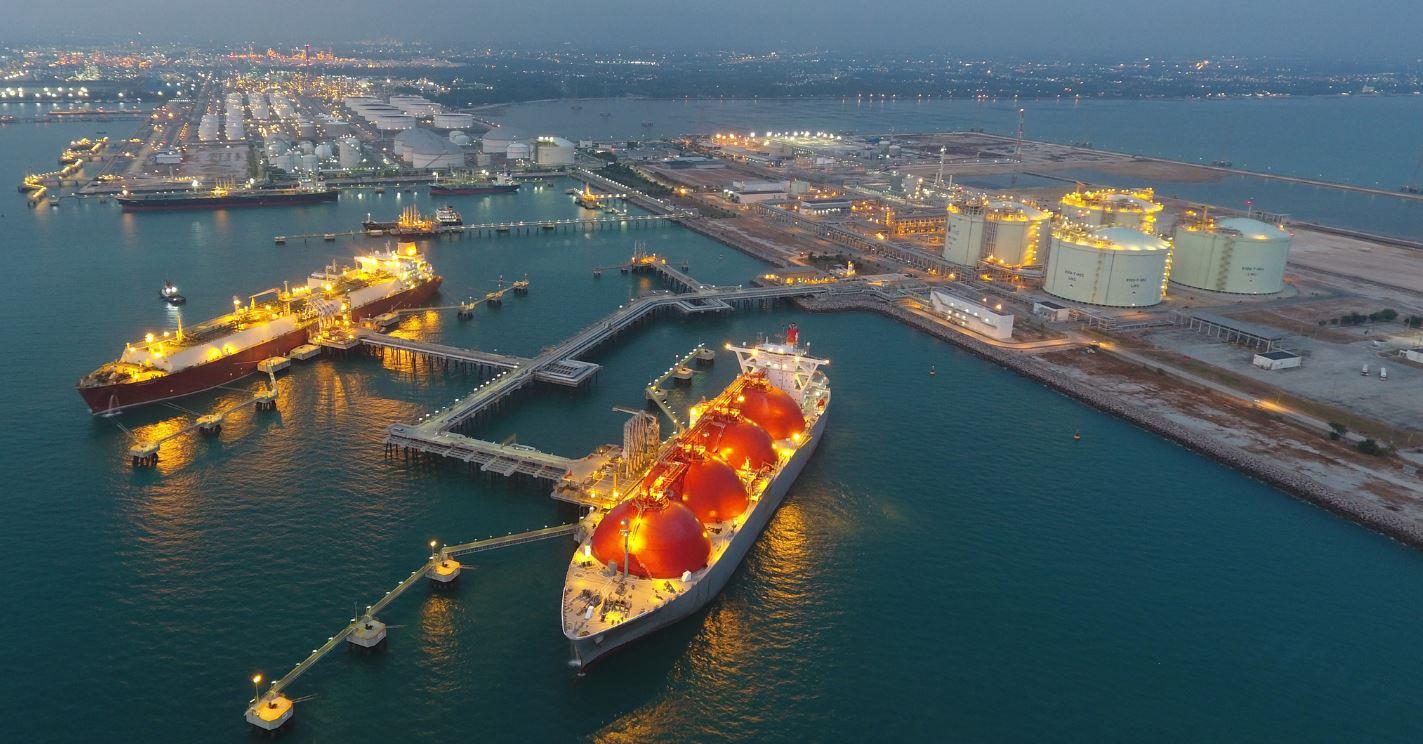 Policy Choices: What to Do in a Time of Crisis
Based on his analysis, M.L. Nattakorn Devakula proposed three key policy directions:
- Allow Market Mechanisms to Function: The government should avoid excessive intervention in energy prices, as this could have long-term negative consequences and distort economic principles.
- Restructure the Nation’s Energy System: Thailand should reduce its dependence on LNG imports and invest in alternative energy sources, such as solar power, small modular nuclear reactors, and other clean energy technologies.
- Turn Crisis into Economic Opportunity: Thailand can position itself as a ‘safe haven’ for global investors and tourists, especially during a time when many regions are perceived as high-risk.
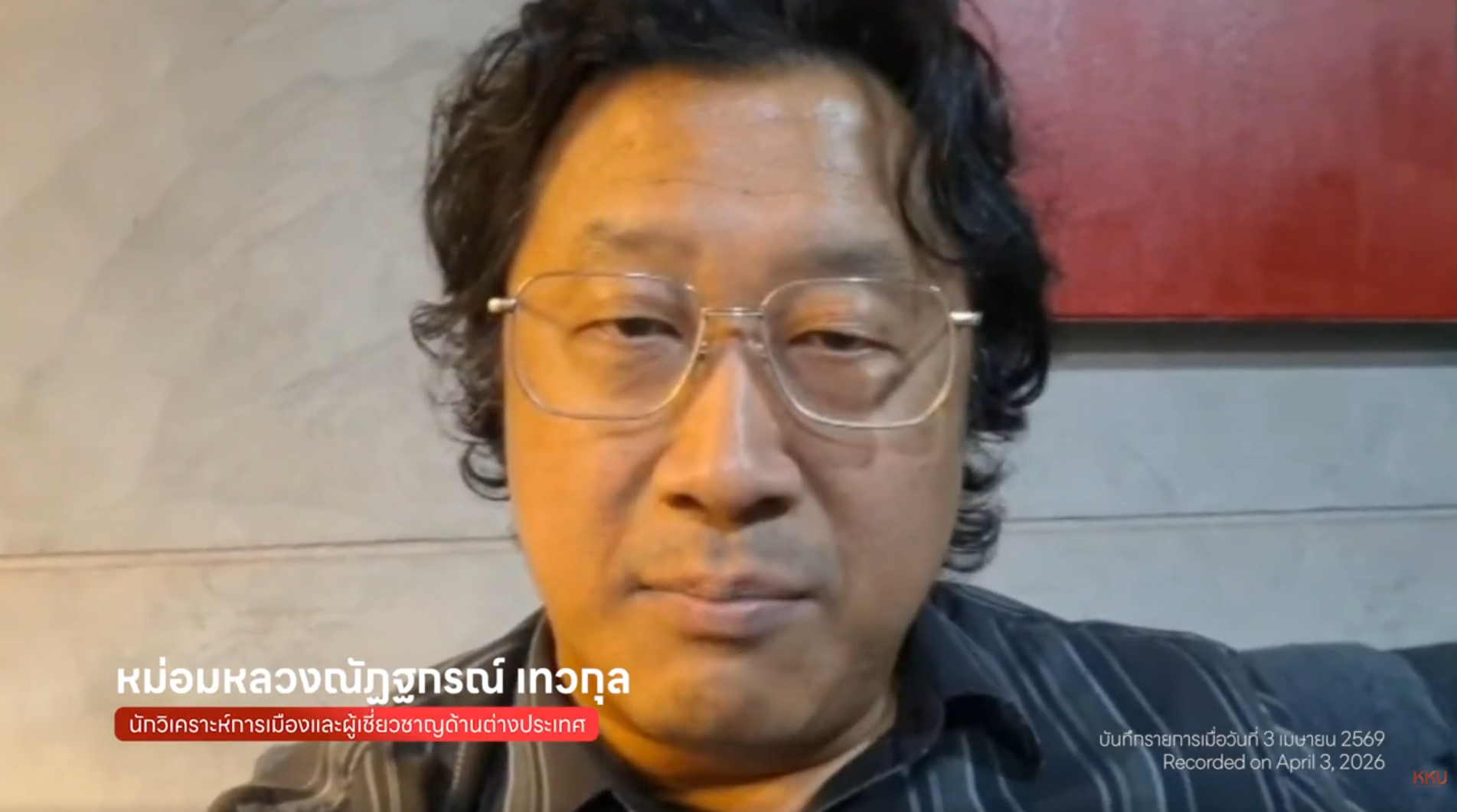
M.L. Nattakorn Devakula concluded on a thought-provoking note: this crisis ‘will not lead to collapse’ but will result in a prolonged period of high energy prices, forcing every nation to undergo a ‘major adjustment.’ For Thailand, the critical question is not ‘whether we will survive,’ but whether we can use this crisis to transform our economic structure.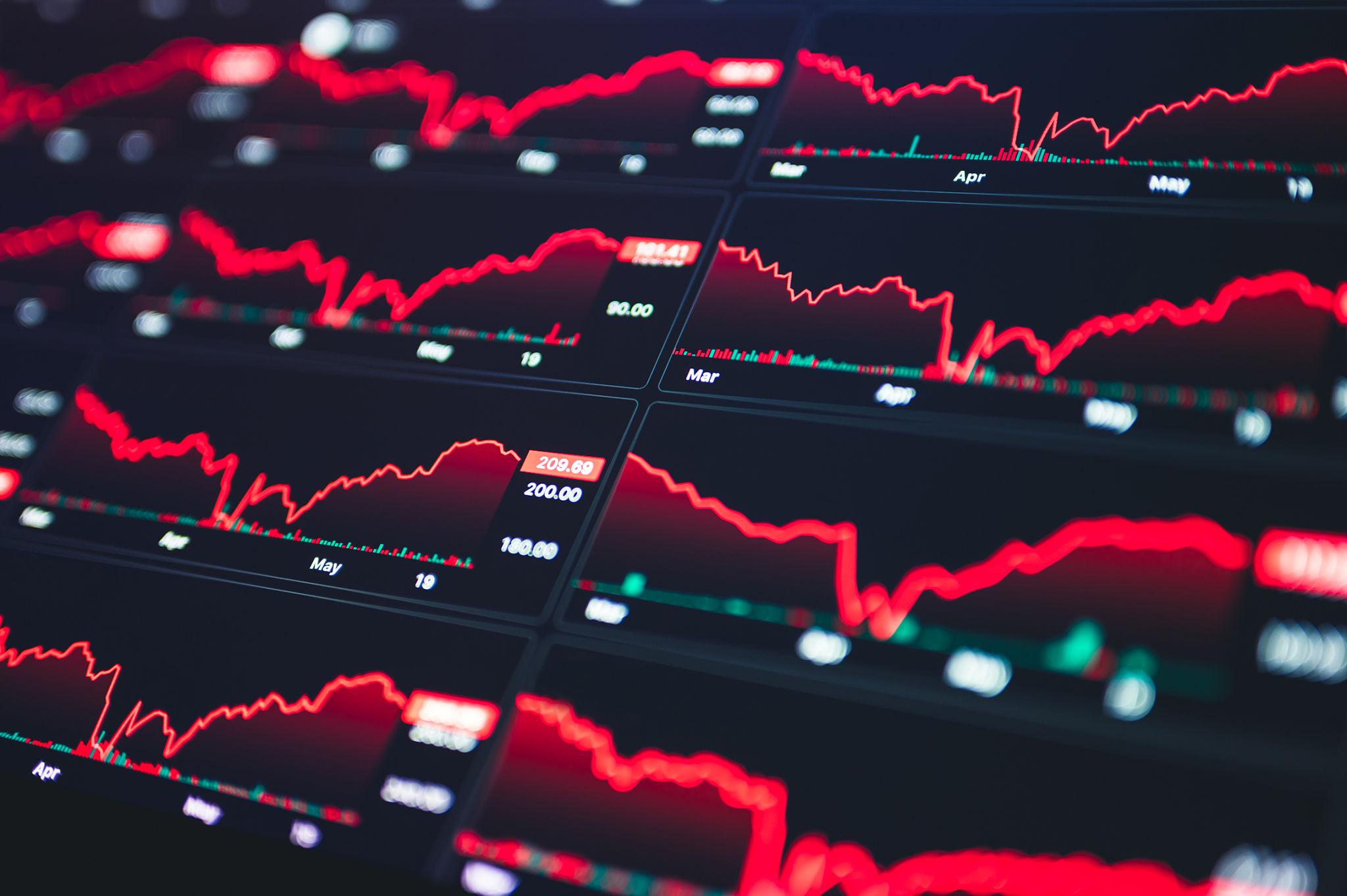
Conclusion: A Crisis Forcing Global Adaptation
While this conflict may not cause the global economic system to collapse, it is fundamentally altering the world’s ‘cost structure,’ particularly in the energy sector. For Thailand, the crucial question is not just ‘how to cope,’ but ‘how to leverage this opportunity to restructure the nation’s economy.’
In a world where uncertainty has become the new norm, the ability to adapt may be the decisive factor separating ‘survival’ from ‘growth’ in the future.
Global Chaos, Thailand’s Choice โลกเดือด เศรษฐกิจปั่นป่วน ไทยควรยืนตรงไหน? | KKU Podcast Ep 22 |
Article by: Benjamaporn Mamook
Credits (from original source): Natthawut Jaroonwong / Chaichan Lada / Natthawut Phetpraphai / ChatGPT / KKU Podcast EP. 22