
The collaborative project transforms sugarcane leaves and bagasse into high-value bio-oil, reducing PM2.5 pollution while fostering sustainable grassroots economic growth.
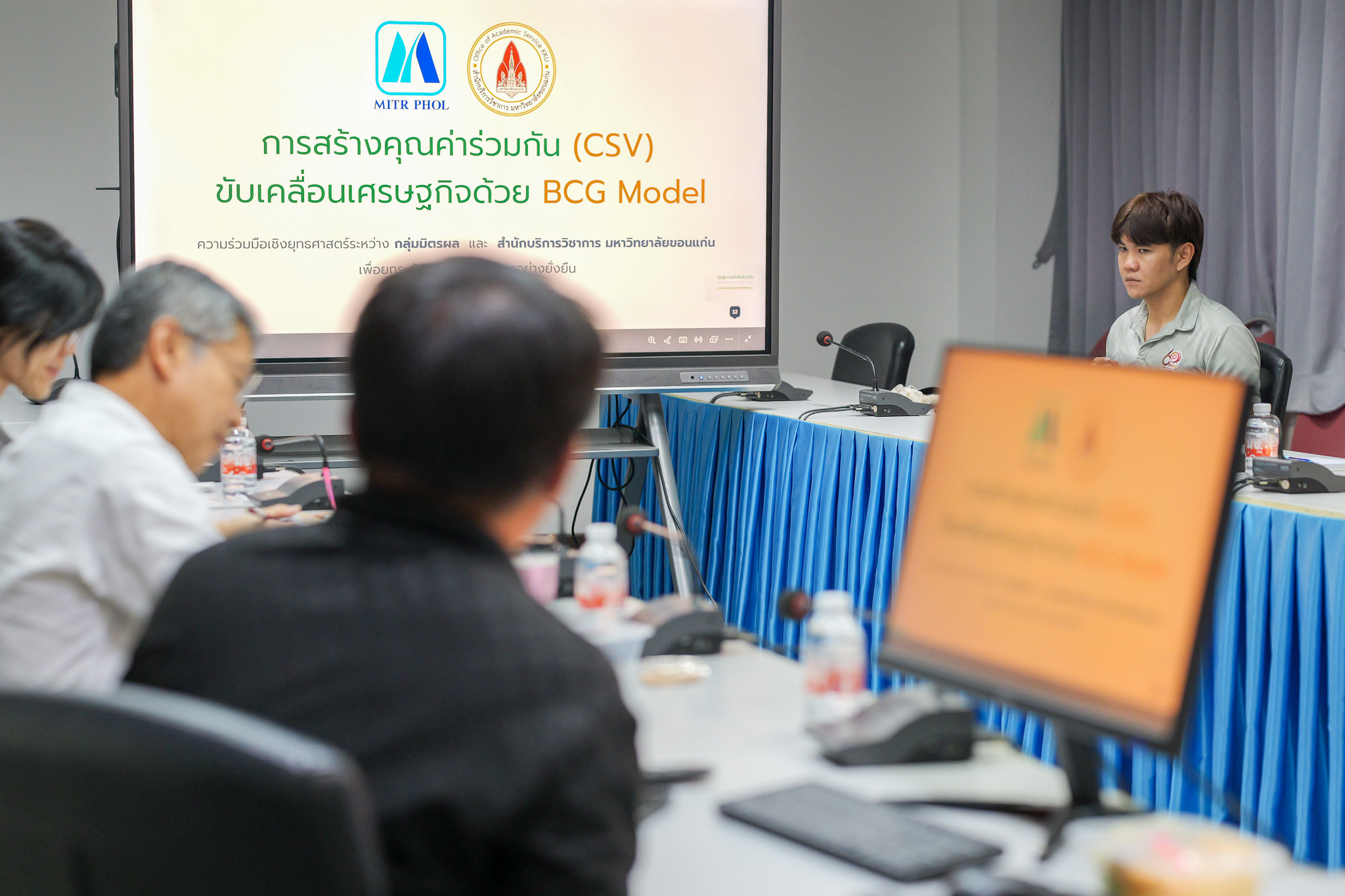
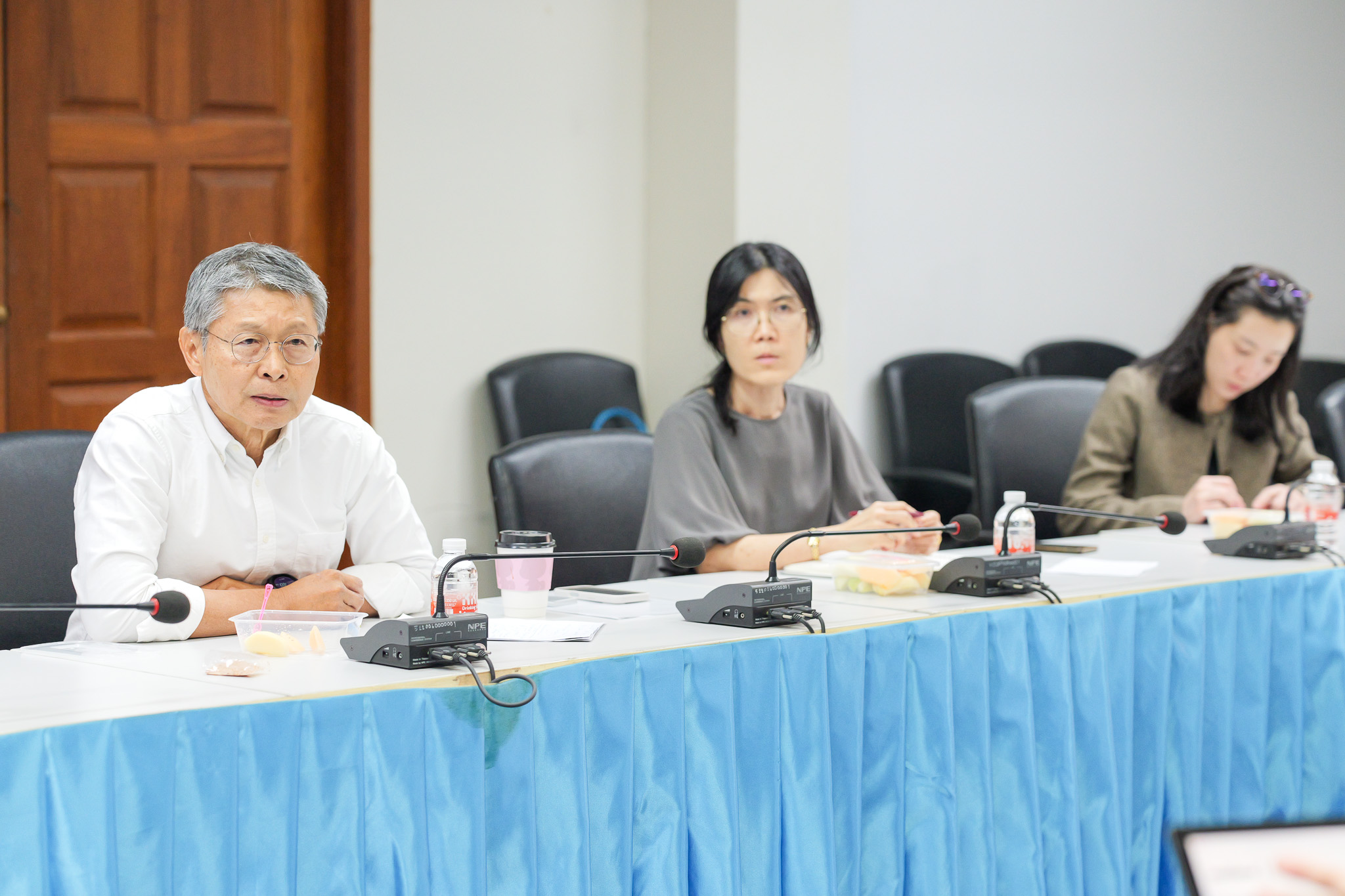
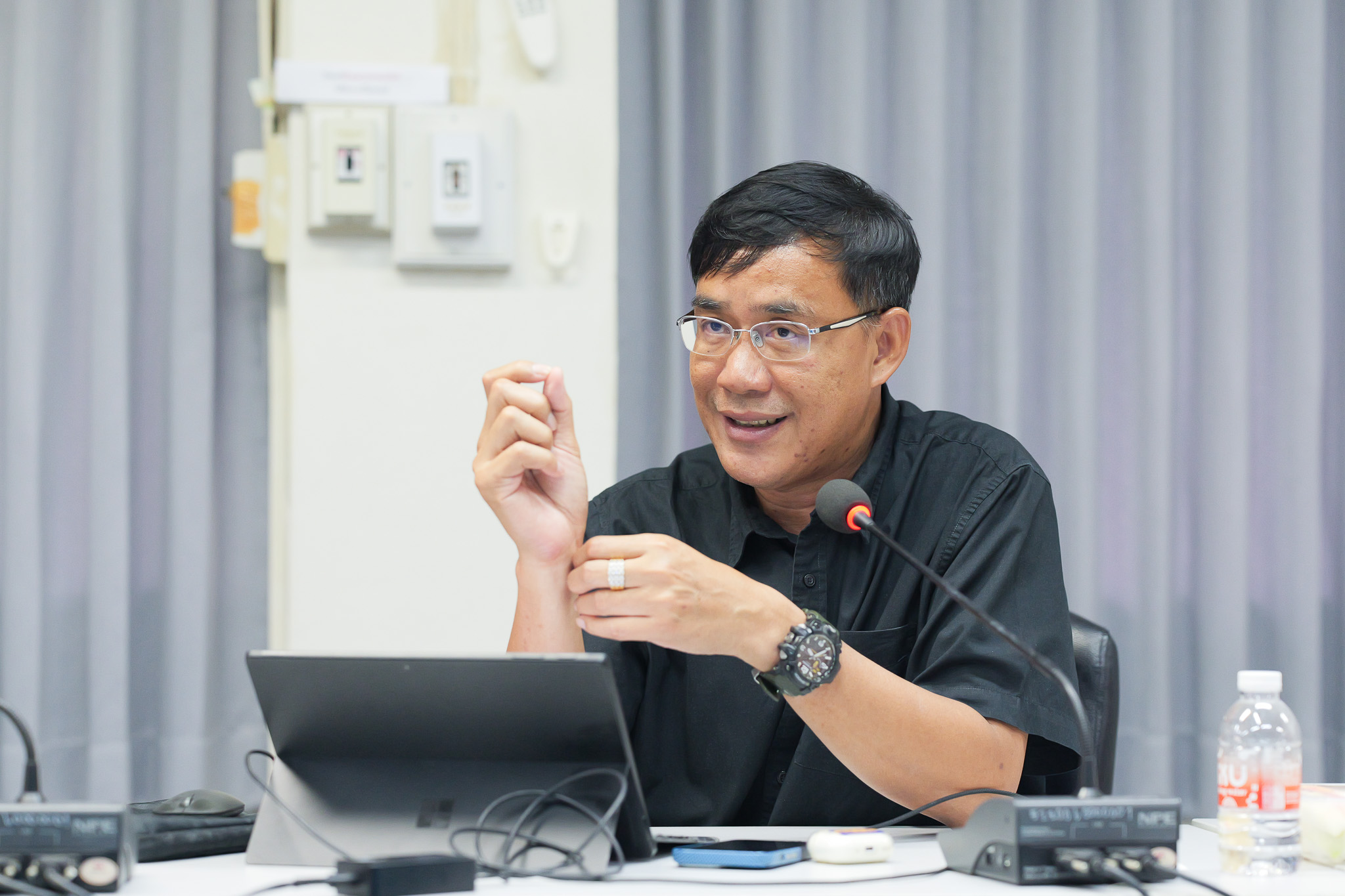
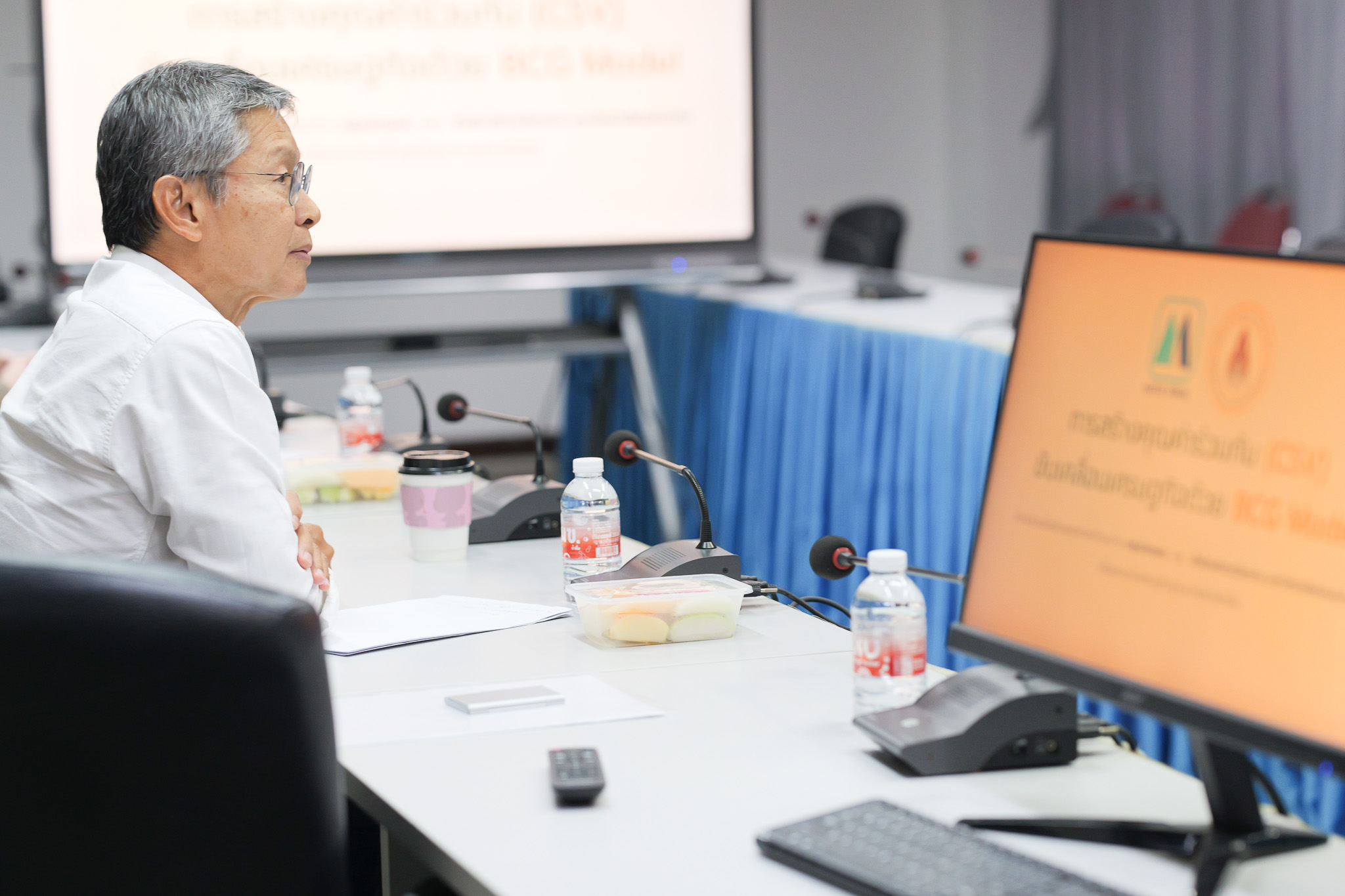
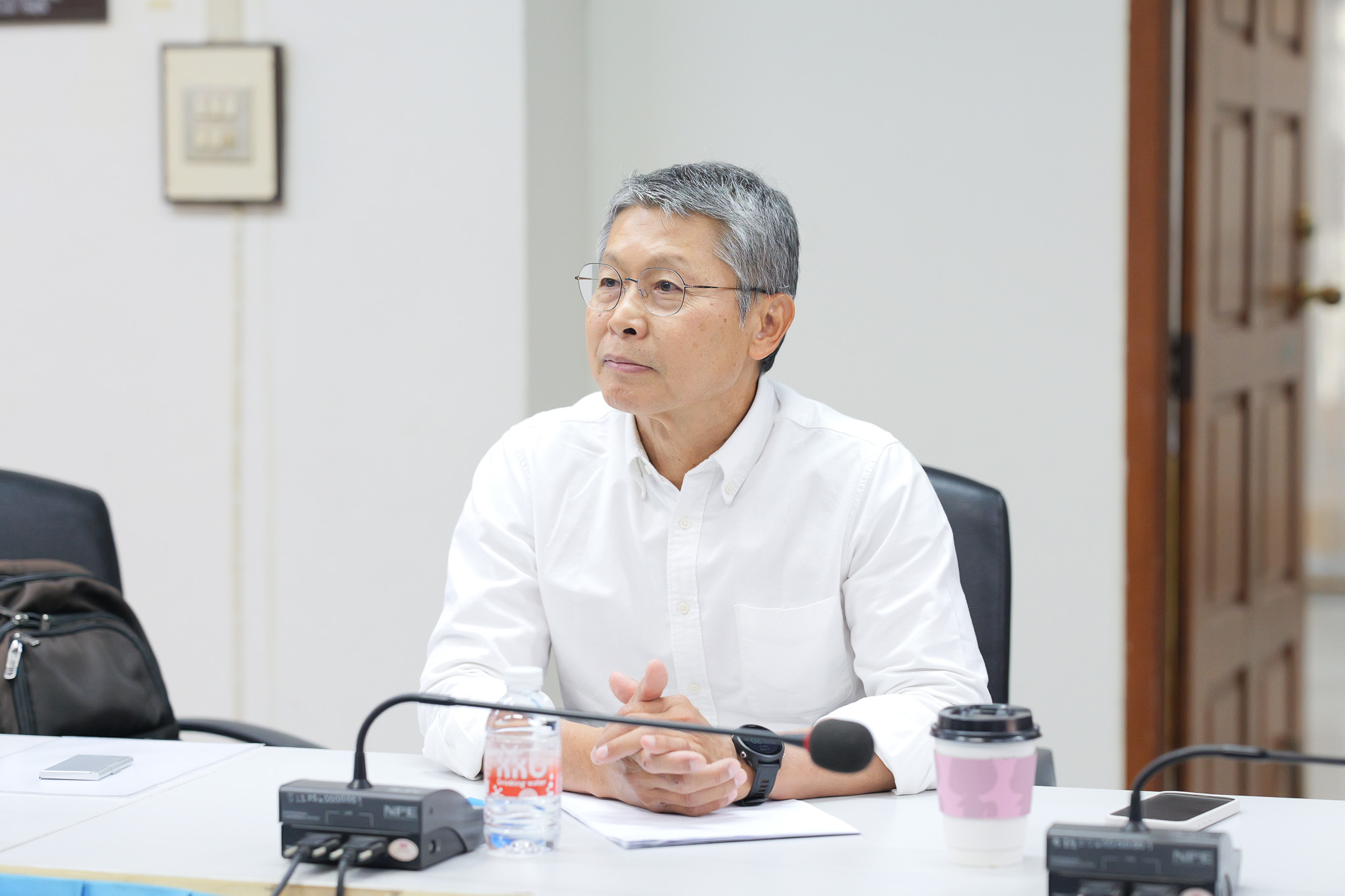
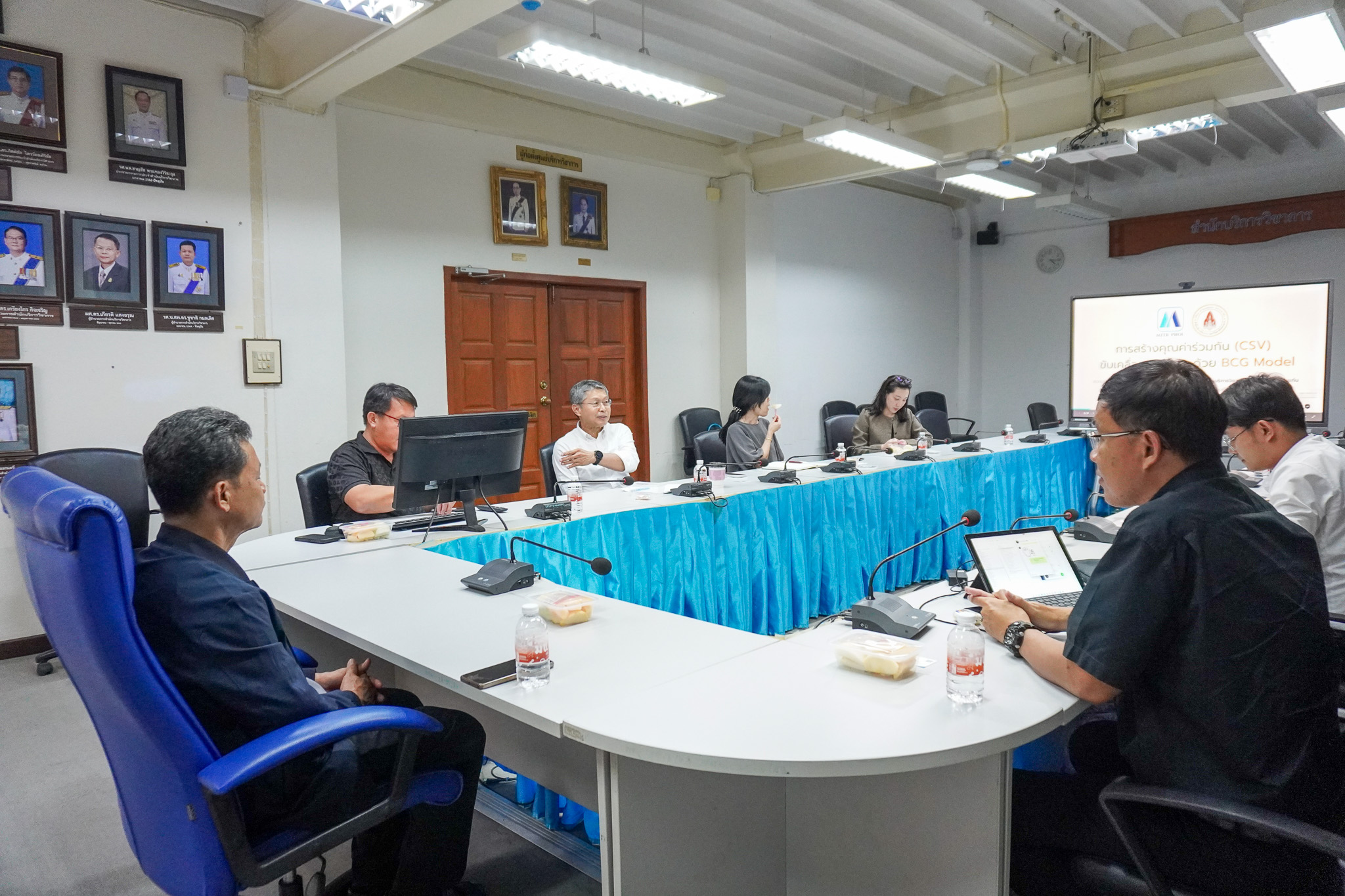
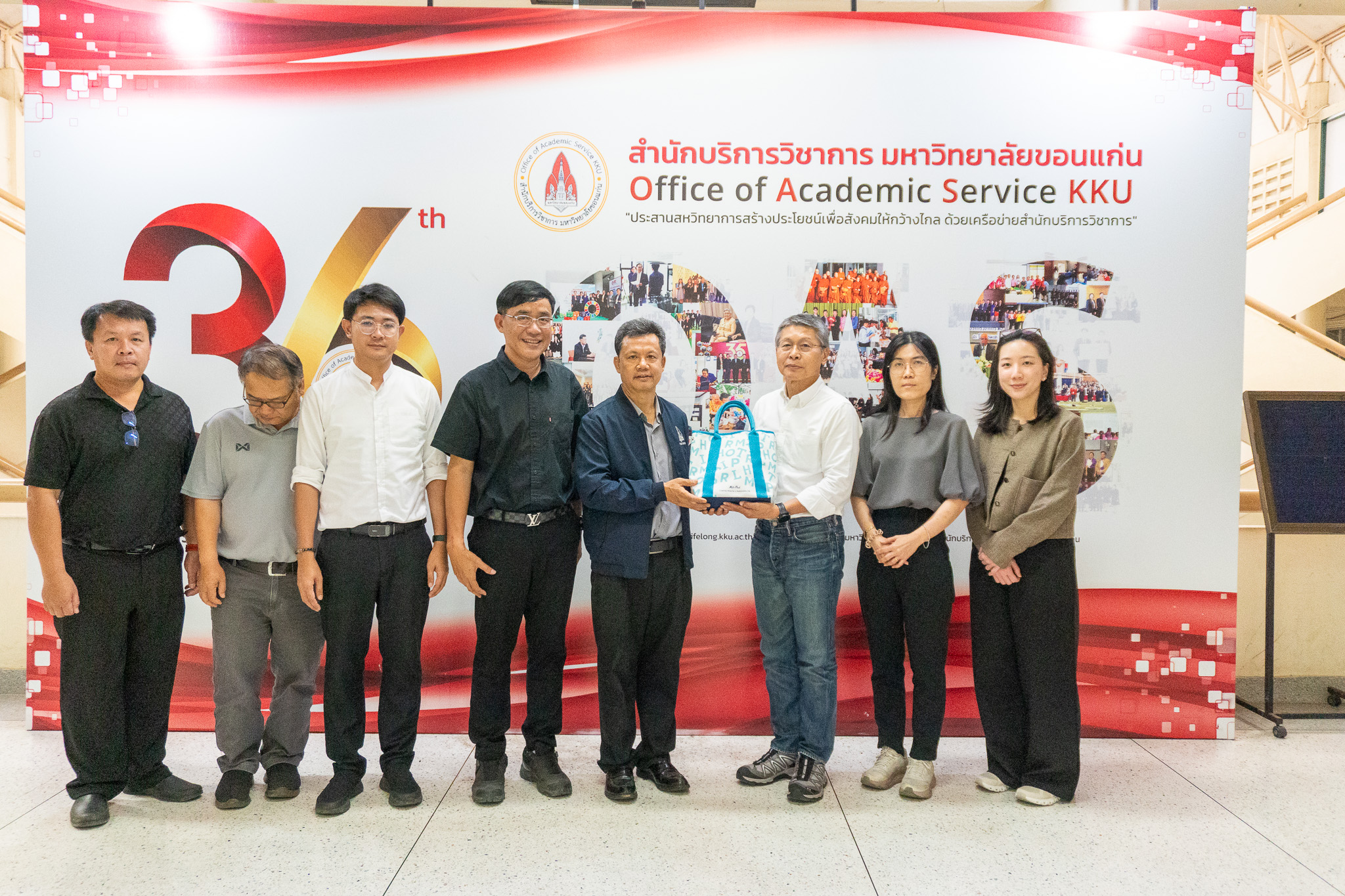
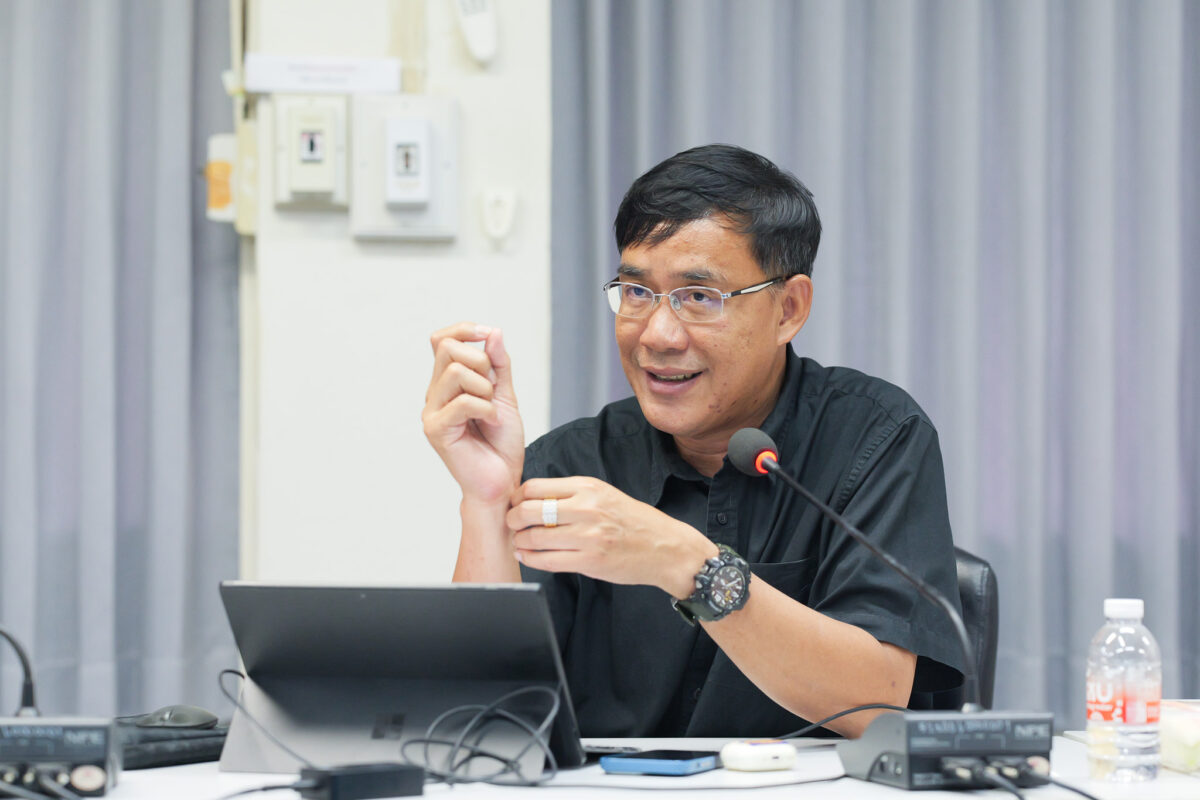
On 19 May 2026, the Office of Academic Service at Khon Kaen University hosted a consultative meeting with executives from the Mitr Phol Group. The university delegation was led by Associate Professor Chuchat Kamollerd, Ph.D., Director of the Office of Academic Service, alongside Associate Professor Suppasit Konhai, Ph.D., Deputy Director for Strategic Drive and Digital. The Mitr Phol Group delegation was led by Mr Kampol Rutaiwanich, Head of Mitr Phol Innovation and Research. The meeting aimed to monitor the progress of a collaborative research project focused on converting sugarcane leaves into bio-oil and implementing Creating Shared Value (CSV) strategies to enhance grassroots economic development.
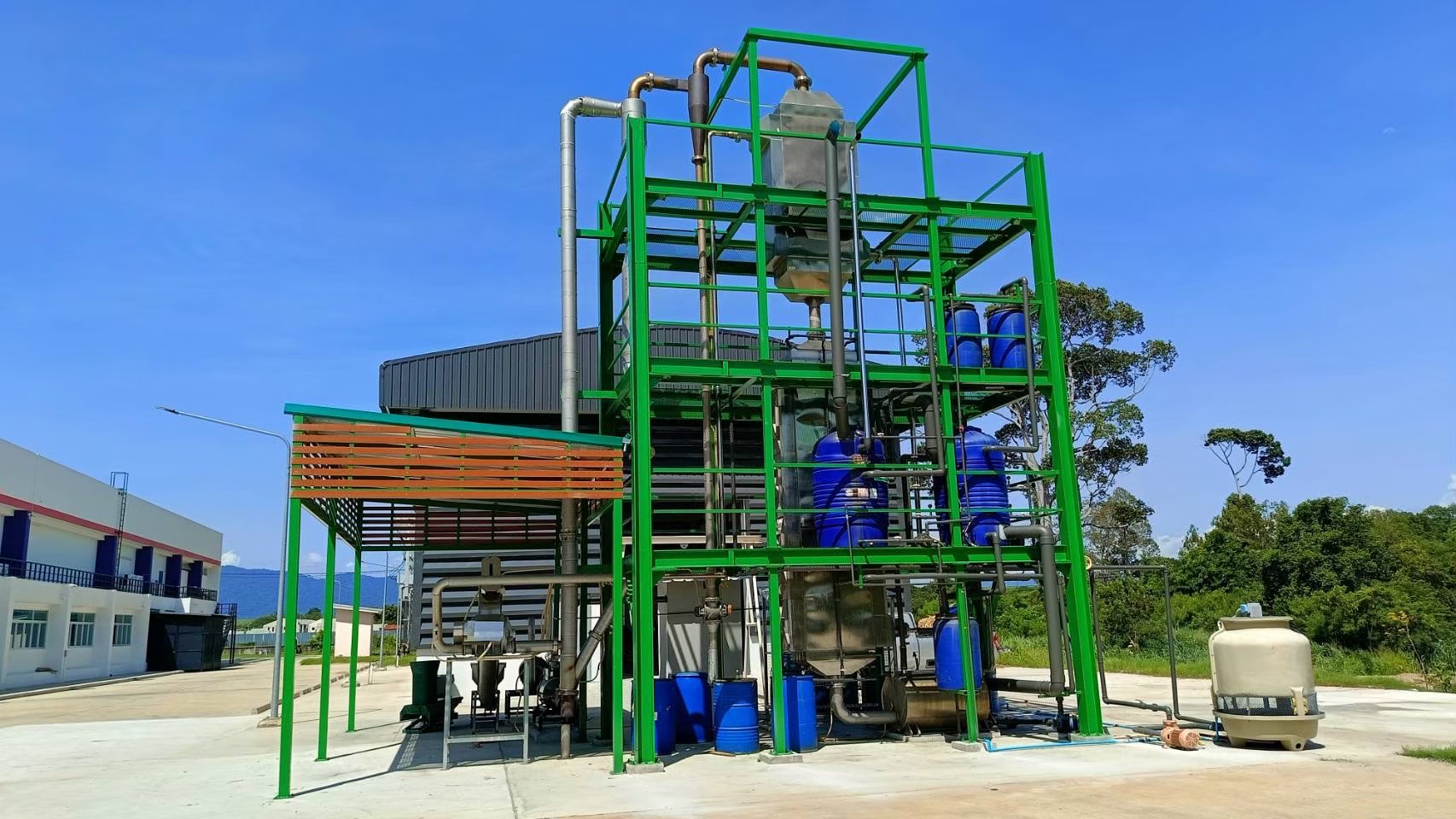
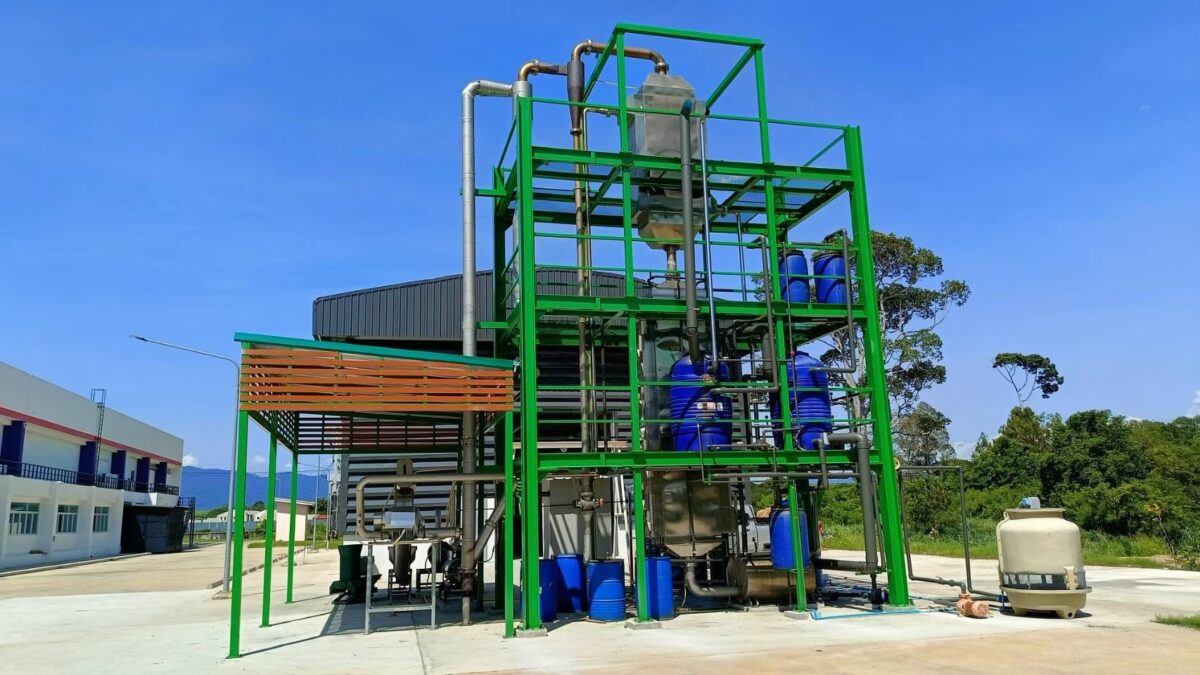
The technological foundation of this initiative stems from a joint venture between the Faculty of Engineering at Khon Kaen University (KKU) and the Office of the Cane and Sugar Board (OCSB). This partnership has yielded a major industrial innovation utilising pyrolysis technology capable of converting agricultural residue into up to 1,000 litres of bio-oil per day. The project has also developed an automated sugarcane leaf-baling prototype machine. These developments contribute to building resilient infrastructure and fostering innovation (SDG 9) and ensuring access to clean energy (SDG 7). Furthermore, they serve as vital mechanisms to mitigate open-field burning, reduce hazardous PM2.5 dust pollution, restore clean air to local communities (SDG 11), and directly combat climate change (SDG 13). Currently operating at the Bio-Industrial Promotion Centre in Bang Phra, Chon Buri Province, the prototype fuel production plant has already attracted study visits from sugar refinery operators exploring commercial scalability.
Addressing technical challenges, Associate Professor Suppasit Konhai, Ph.D., noted that a primary obstacle for sugarcane leaf bio-oil is chemical instability caused by variations in raw material quality. To ensure commercial sustainability, the research team proposed upgrading the bio-oil by blending it with fuel derived from waste plastic distillation. Because plastic-derived oil possesses chemical properties closer to petroleum, the optimisation of this blend stabilises fuel quality and lowers emissions. Rigorous testing conducted on Kubota agricultural engines and motorcycles demonstrated that the blended fuel caused no adverse effects to the engines while significantly reducing exhaust emissions.
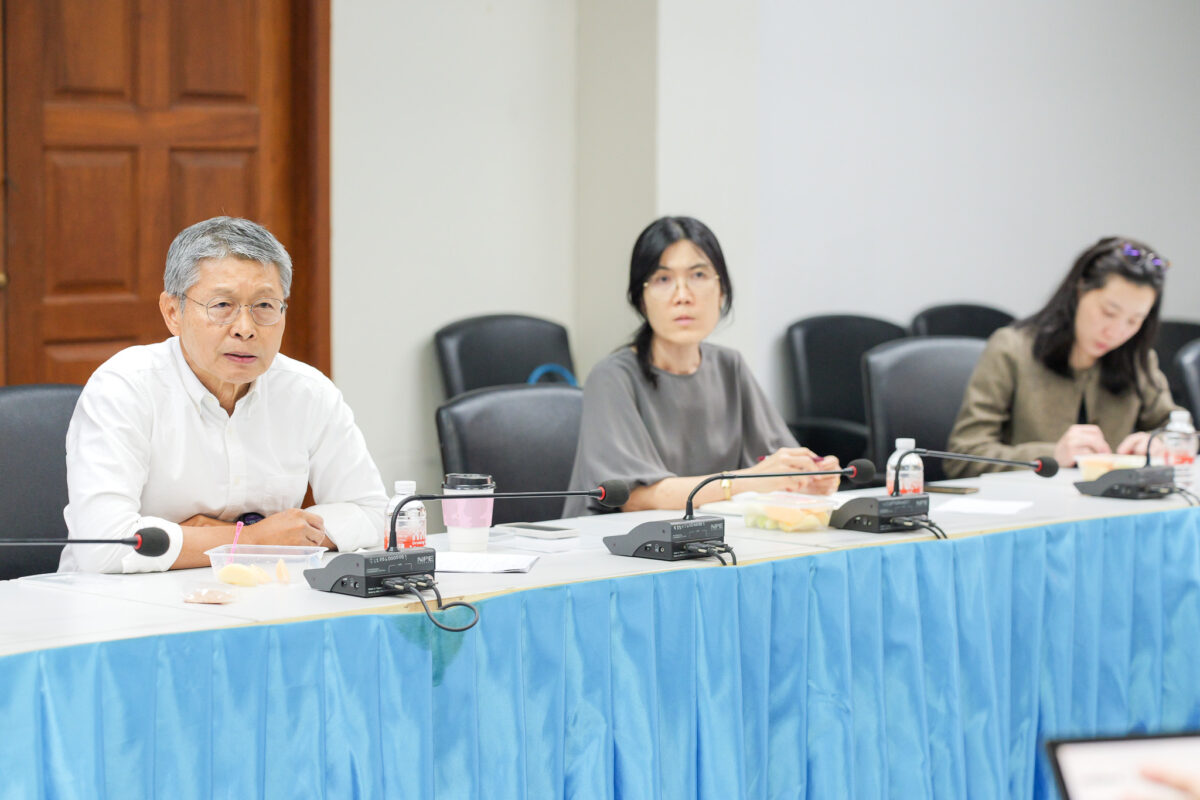
Recognising this potential, the Mitr Phol Group is preparing to accelerate the research towards full commercialisation to create a widespread, positive environmental and economic impact. Discussions focused on aligning production with circular economy practices (SDG 12: Responsible Consumption and Production). Key strategic proposals include utilising bagasse as a primary feedstock alongside sugarcane leaves due to its consistent quality and streamlined logistics within factory production lines. Additionally, scenario modelling will be deployed to compare the cost-effectiveness and economic viability of converting bagasse into bio-oil versus its current utilisation for biomass electricity generation. The upgraded bio-oil blend is ultimately intended for use in agricultural machinery, promoting sustainable and eco-friendly economic growth (SDG 8).
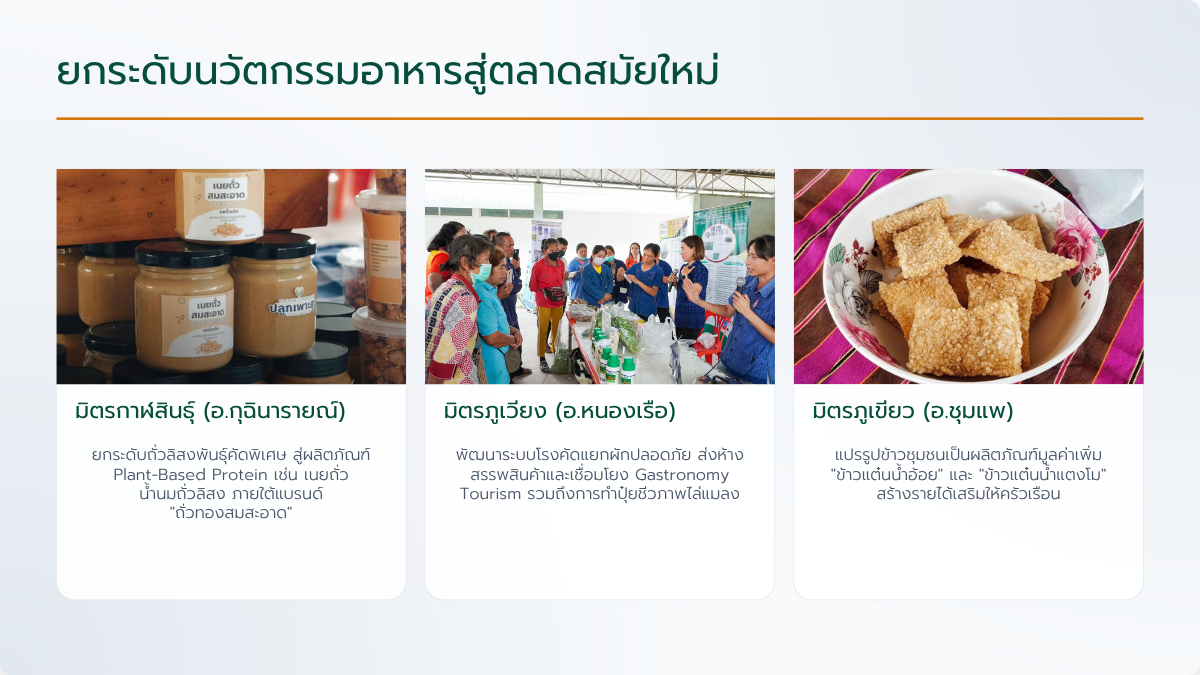
Beyond renewable energy innovations, the Office of Academic Service at KKU and the Mitr Phol Group have actively implemented localised CSV activities across three target areas: Kalasin, Phu Wiang, and Phu Khieo. These initiatives encompass food innovation, such as developing plant-based products from peanuts under the “Thua Thong Som Sa-at” brand and processing Thummsin Chum Phae red rice into traditional rice crackers seasoned with sugarcane and watermelon juices. High-value agriculture and livestock programmes have introduced KKU’s low-uric-acid Pradu Hang Dam chicken breed to secure sustainable supplementary income for farmers. Human capital development has also been advanced through “Smart Agri-Entrepreneur” training programmes designed to transform traditional farmers into modern agribusiness professionals.
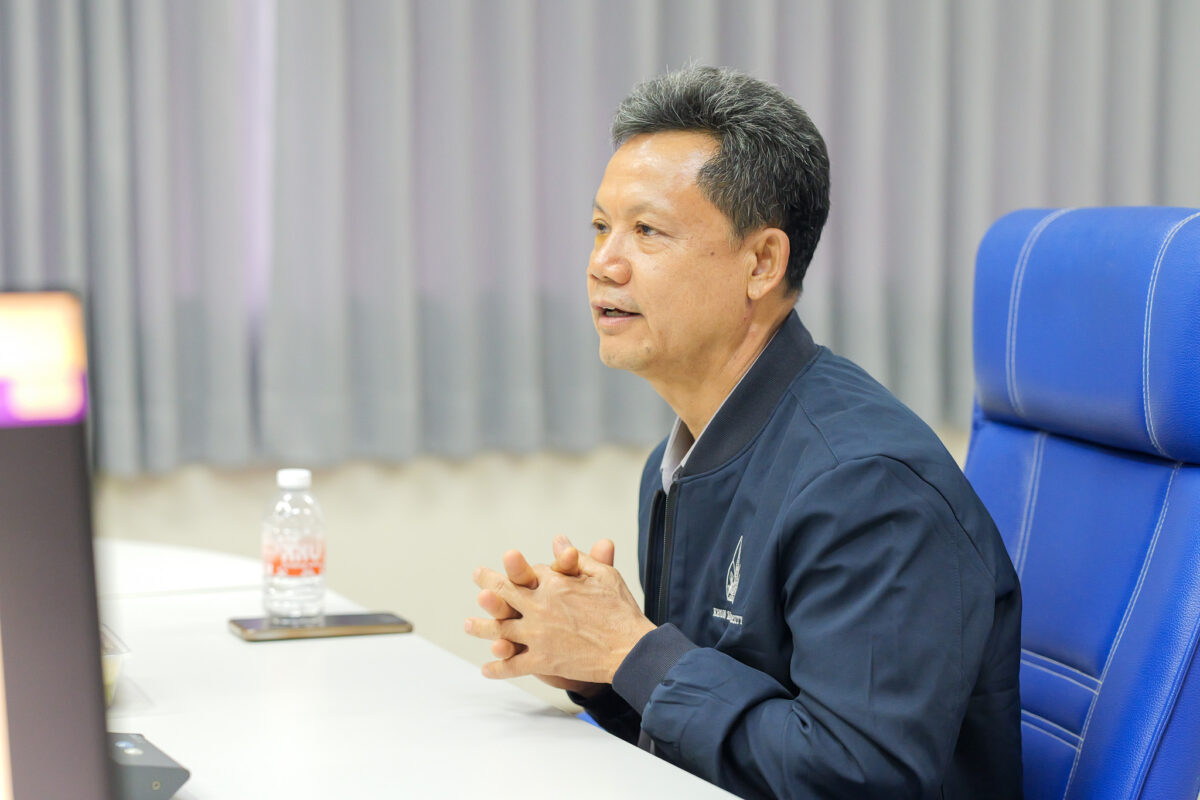
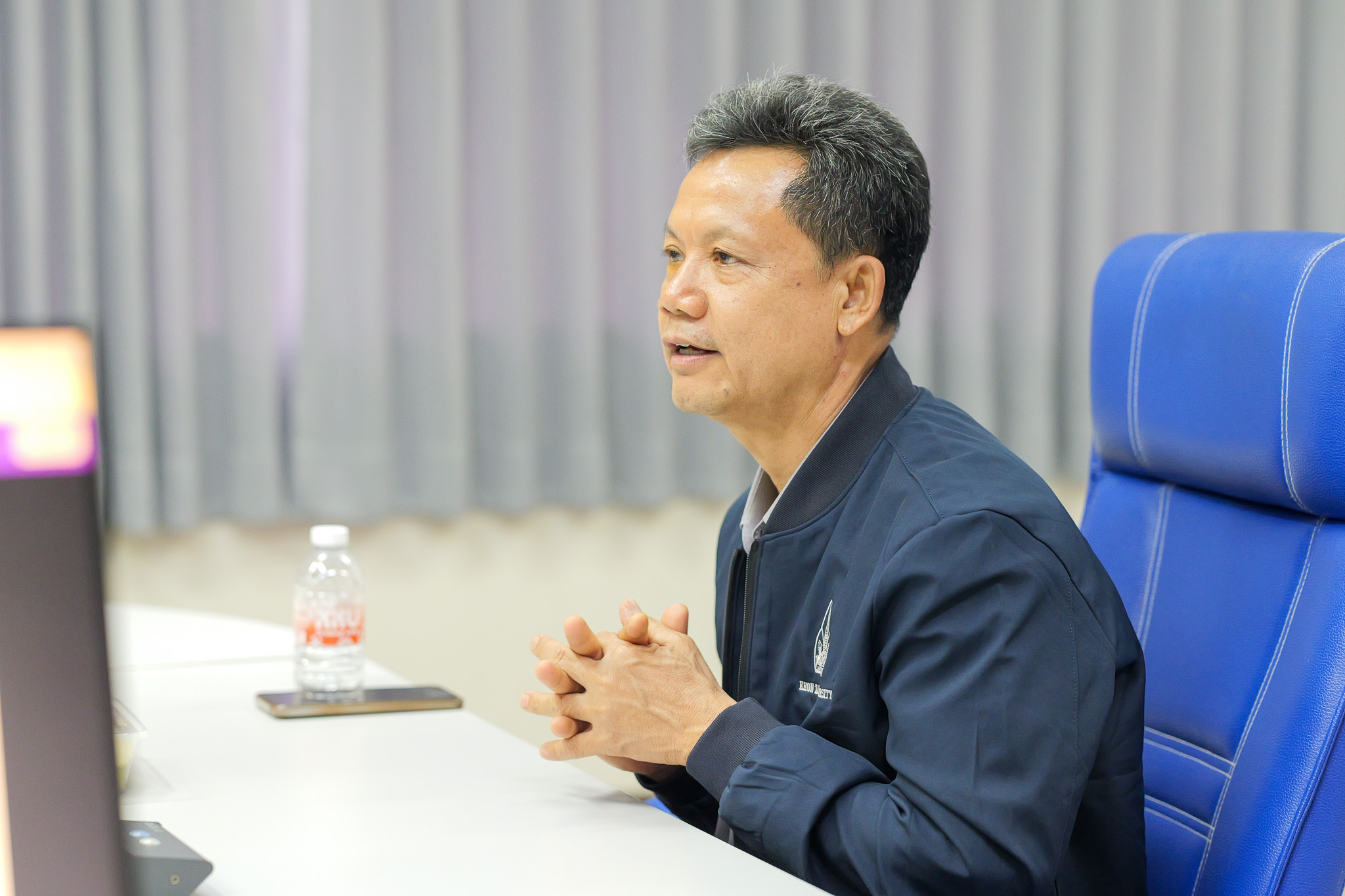
Associate Professor Chuchat Kamollerd, Ph.D.,
Associate Professor Chuchat Kamollerd, Ph.D., stated that the Office of Academic Service is fully equipped to serve as a central institutional hub, or “node”, bridging university knowledge bases directly with local communities. This trilateral synergy between KKU, the OCSB, and the Mitr Phol Group ensures that academic research transitions from theoretical frameworks into tangible commercial applications, yielding maximum benefits for the grassroots economy in accordance with the Bio-Circular-Green (BCG) Economy model.
This comprehensive partnership between Khon Kaen University, the public sector, and private enterprise stands as a clear manifestation of building strong partnerships for sustainable development goals (SDG 17). By successfully driving innovations in energy and agriculture, the collaboration reduces operational costs, generates sustainable community income, and preserves environmental ecosystems, effectively contributing to the national agenda of sustainable development through the BCG framework.