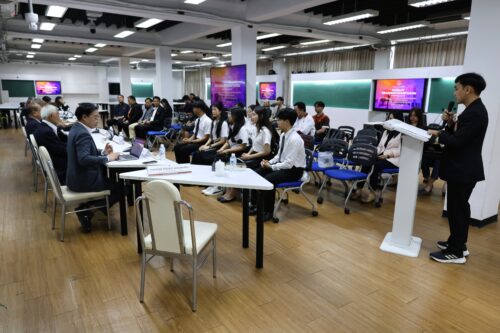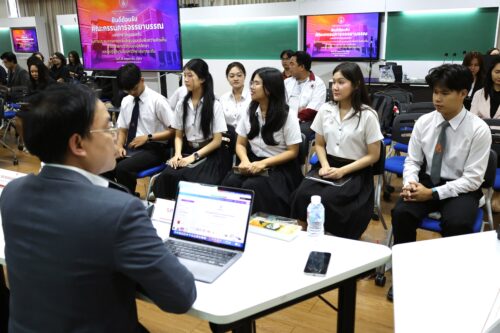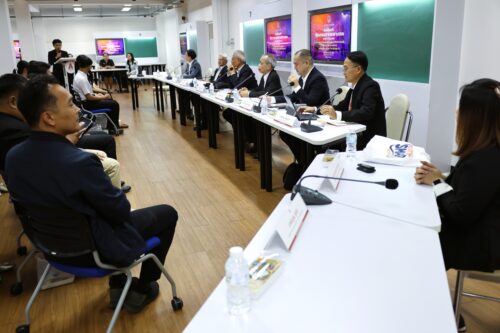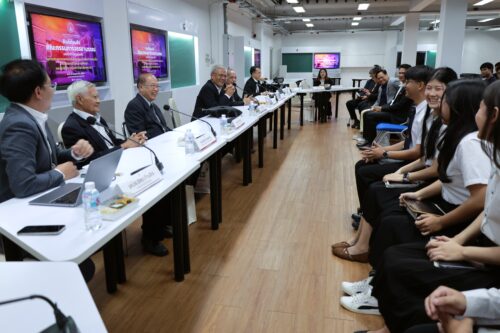

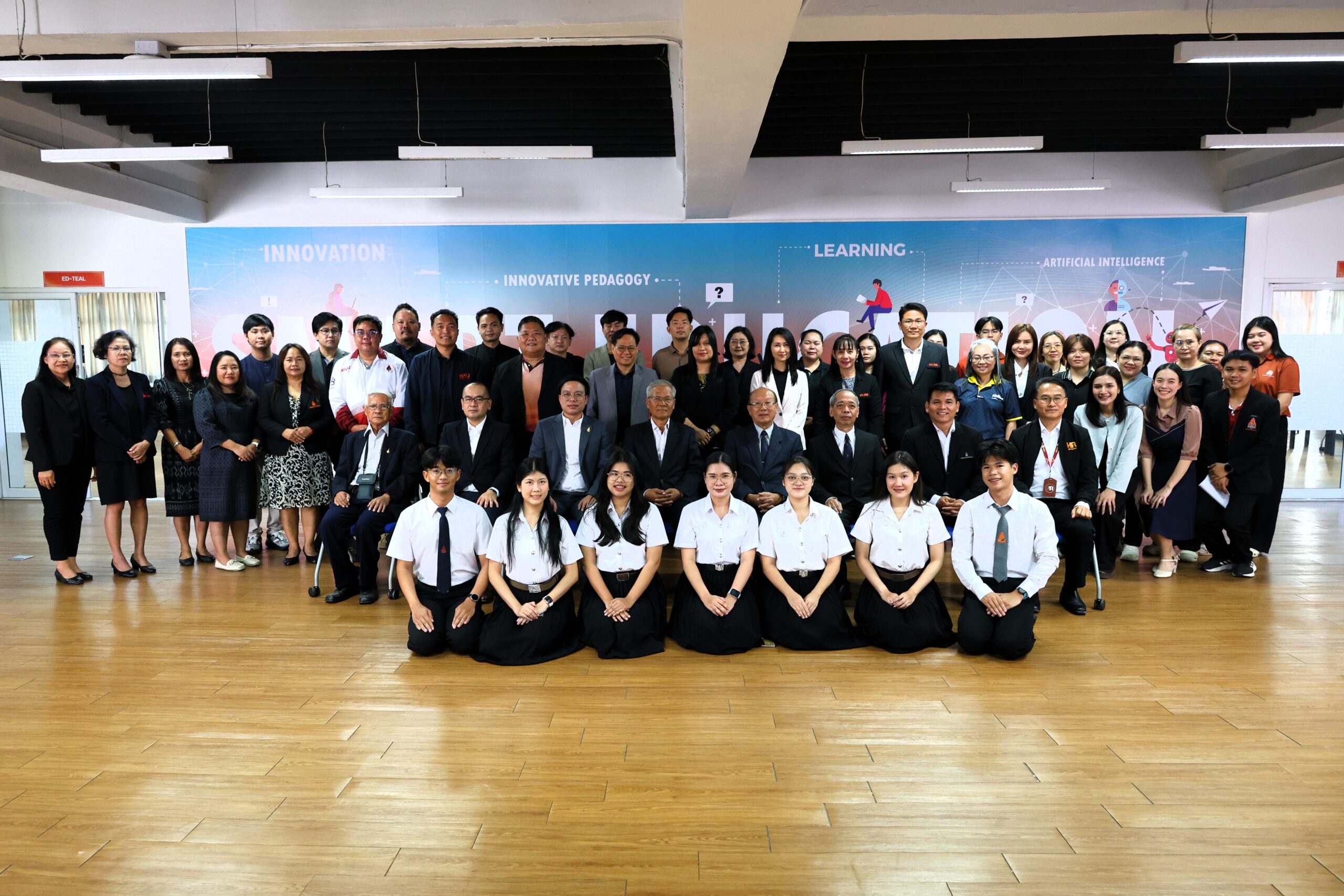
The University Ethics Committee drives moral and ethical policies to elevate personnel performance standards in alignment with good governance.
Khon Kaen University (KKU) convened the 3rd Khon Kaen University Ethics Committee Meeting of 2026 to drive organizational moral and ethical policies. The meeting aimed to tangibly reinforce personnel performance standards in accordance with good governance and the university’s code of ethics.
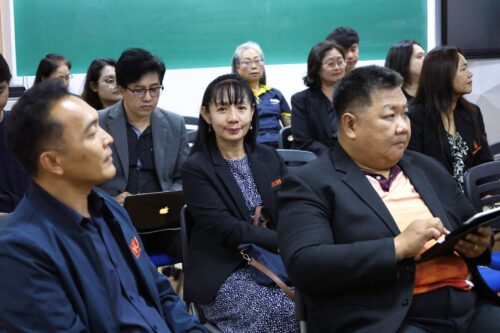
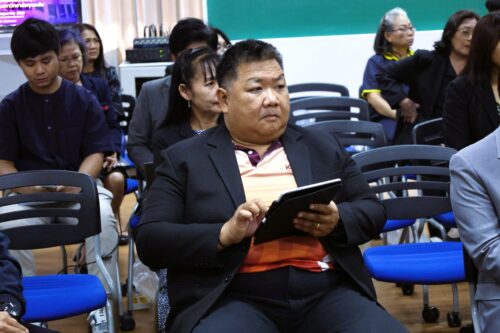
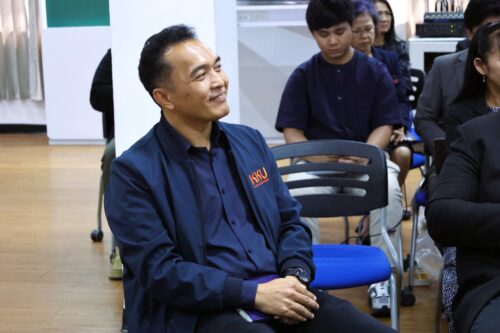
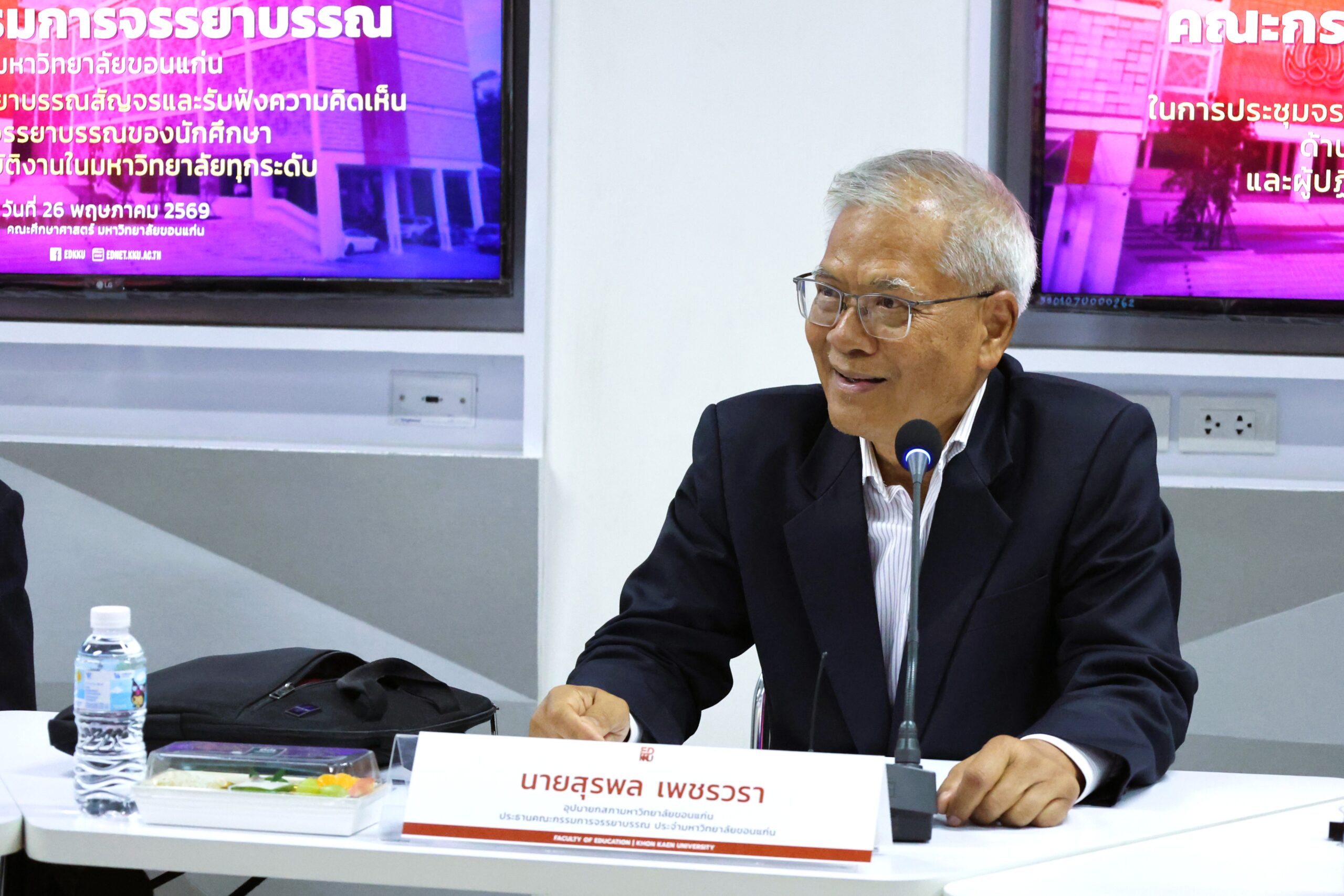
The meeting was held on 26 May 2026, from 13:00 to 16:00, at the Faculty of Education, Khon Kaen University. Mr. Surapon Petchvara, a Distinguished Member of the University Council, presided over the meeting as the Chairman of the Committee. The session was well-attended by Associate Professor Isara Kanjak, Ph.D., Chairman of the Ethics Committee of the Faculty of Education, alongside members of the University Ethics Committee and representatives from various internal departments.
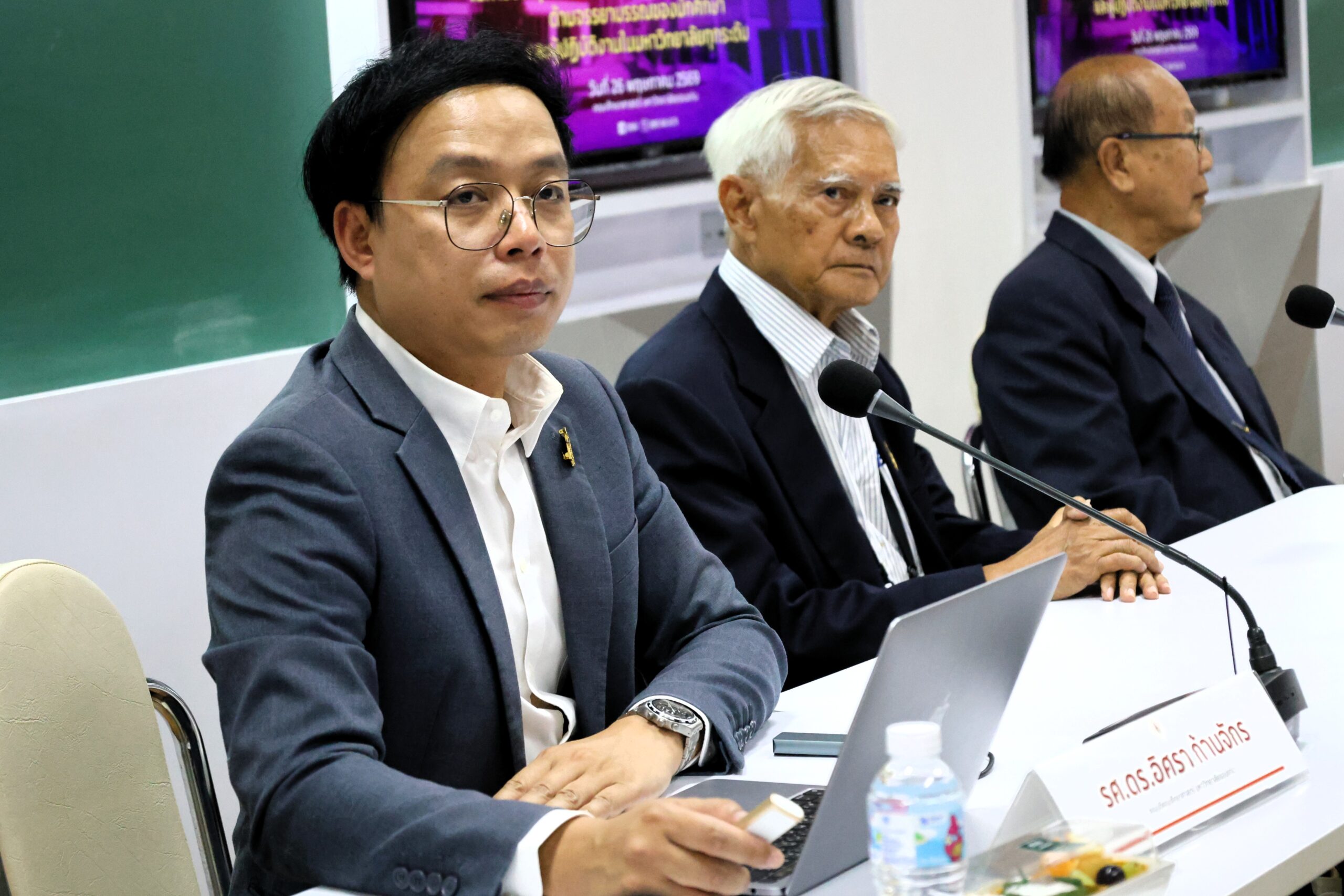
Associate Professor Isara Kanjak, Ph.D., delivered the welcoming address to the committee and participants, and presented a progress report on the Faculty of Education’s previous ethics initiatives. The faculty has continuously driven activities and guidelines to promote operational ethics. These efforts include building awareness and understanding of code of conduct practices, fostering a transparent and accountable organizational culture, and instilling moral values among personnel at all levels to ensure that their duties are executed effectively in compliance with the university’s good governance and ethical standards.
Furthermore, he emphasized the importance of integrating ethical frameworks into organizational management and human resource development. This integration aims to create a workplace environment that nurtures transparency, accountability, and constructive collaboration, which will ultimately enhance the university’s long-term public image and social trust.
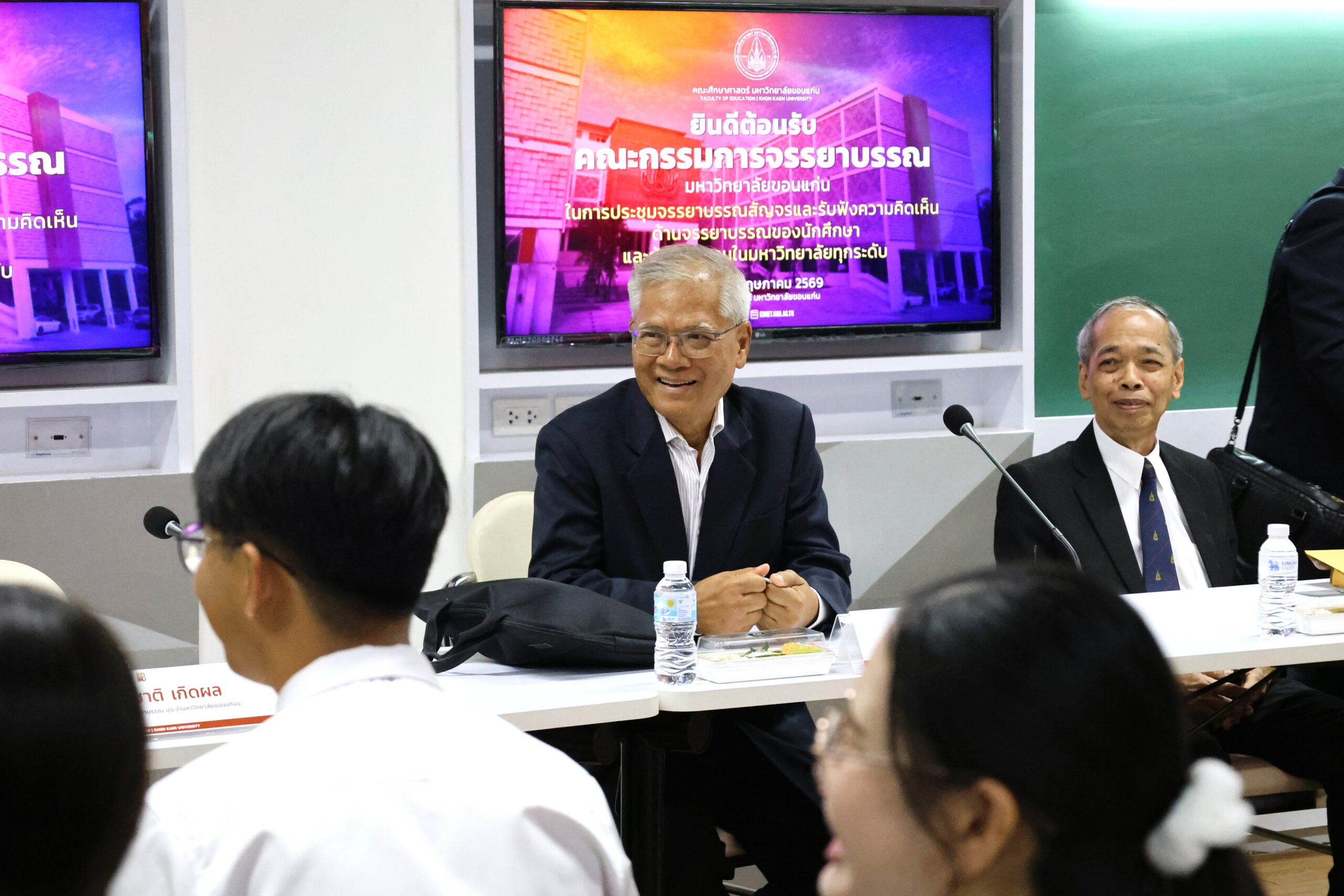
Following that, Mr. Surapon Petchvara officially opened the meeting, greeted the students, and recited a short poem: “Who is the teacher, and what defines a teacher today? It lies not solely in having a grand degree, nor does it simply mean being addressed as a teacher or instructor, nor does it mean just spending years teaching in a school.” This gesture aimed to build a close rapport and bring smiles to the students. He further suggested that in the future, they might not just be traditional teachers, but might serve as coaches instead. The Chairman also reminded the attendees that promoting organizational ethics is a vital foundation for modern university administration. Ethics do not merely serve as a framework for staff performance, but also reflect the credibility, image, and trust that society places in the university.
The primary objectives of this mobile meeting were to strengthen knowledge and understanding of ethical codes among university personnel, and to encourage workers at all levels to uphold integrity, transparency, and social responsibility. Additionally, the session provided a platform for exchanging guidelines on oversight, monitoring, and evaluating the ethical performance of each department to elevate organizational standards efficiently in line with the principles of good governance.