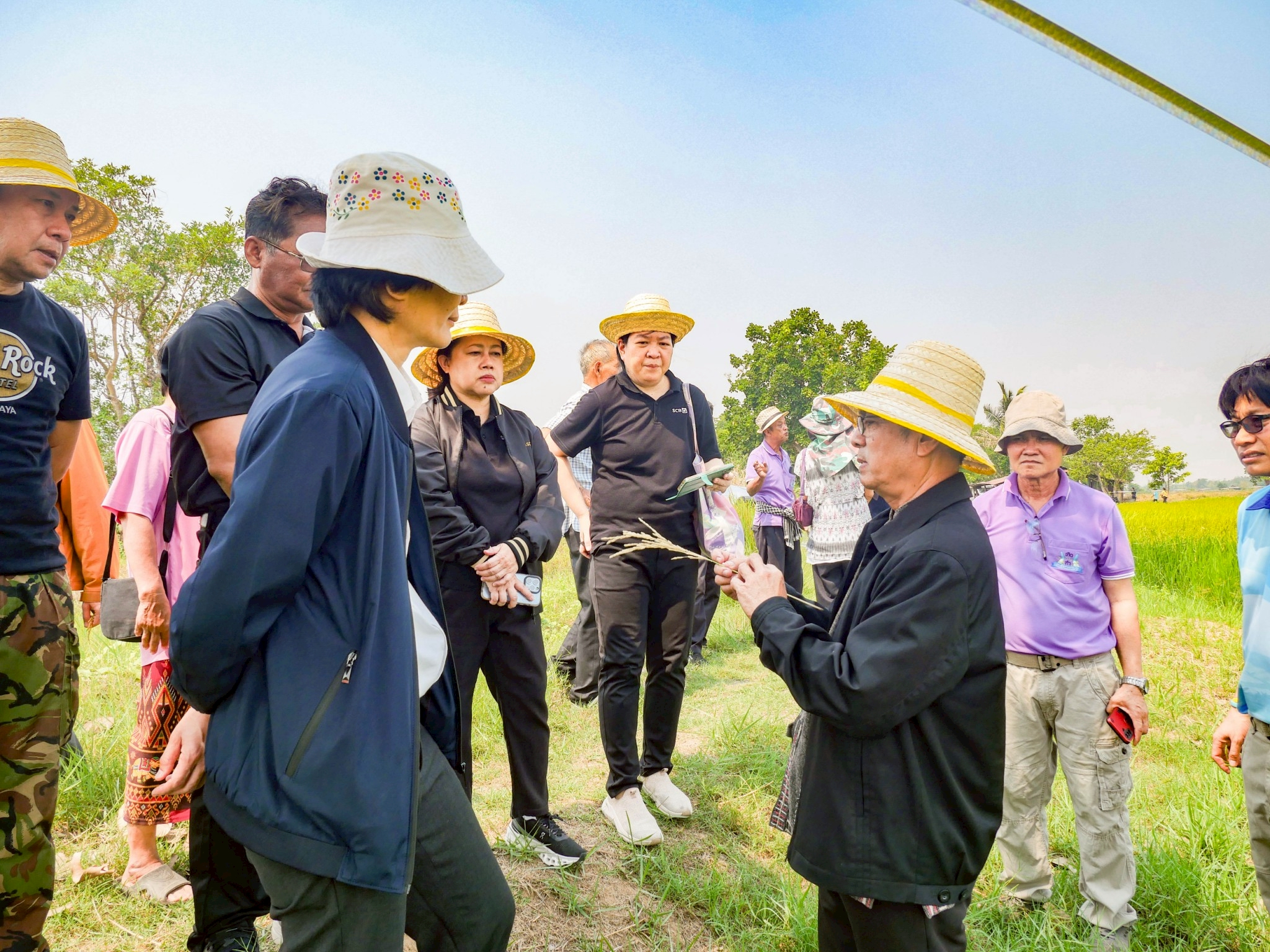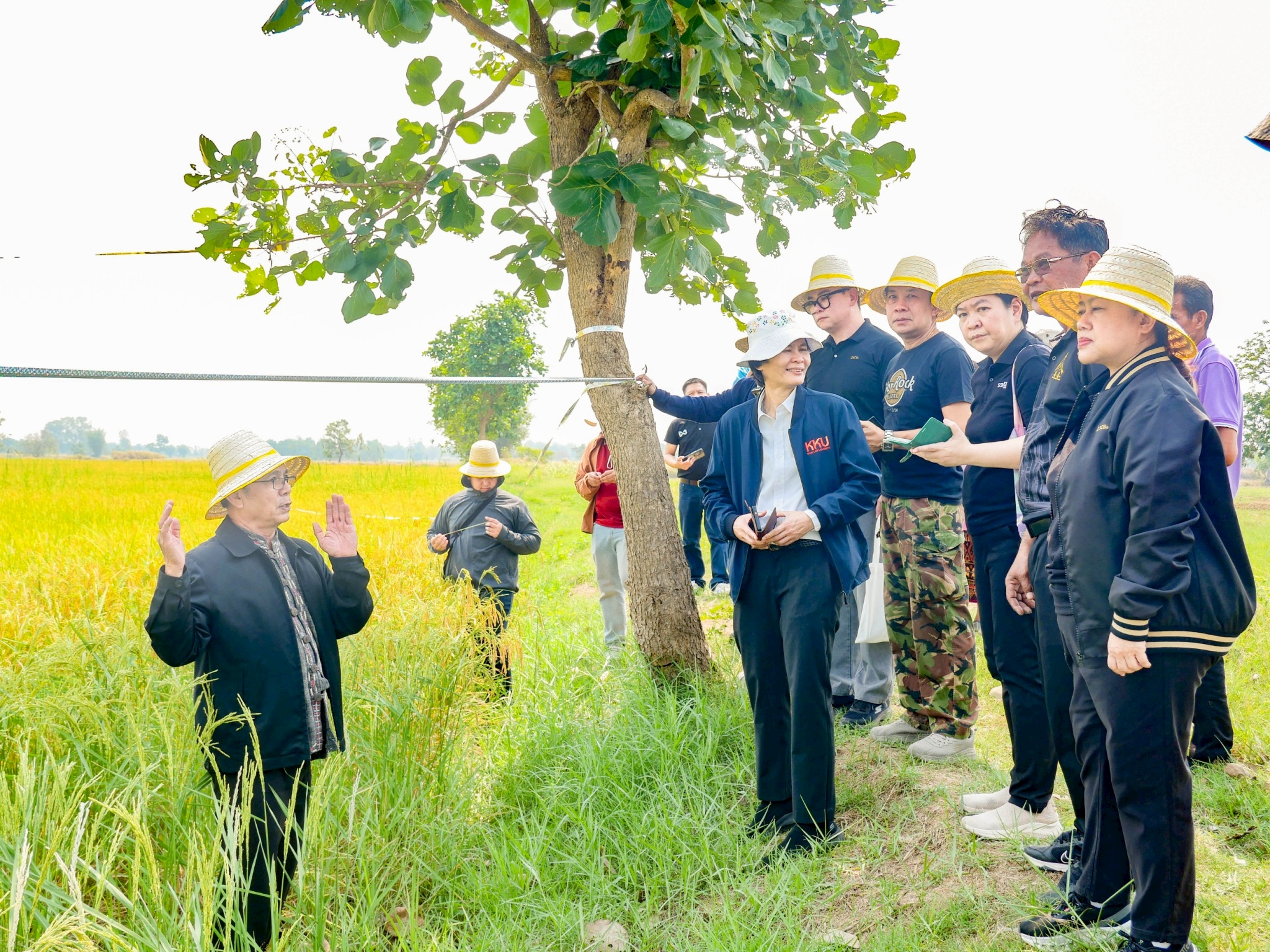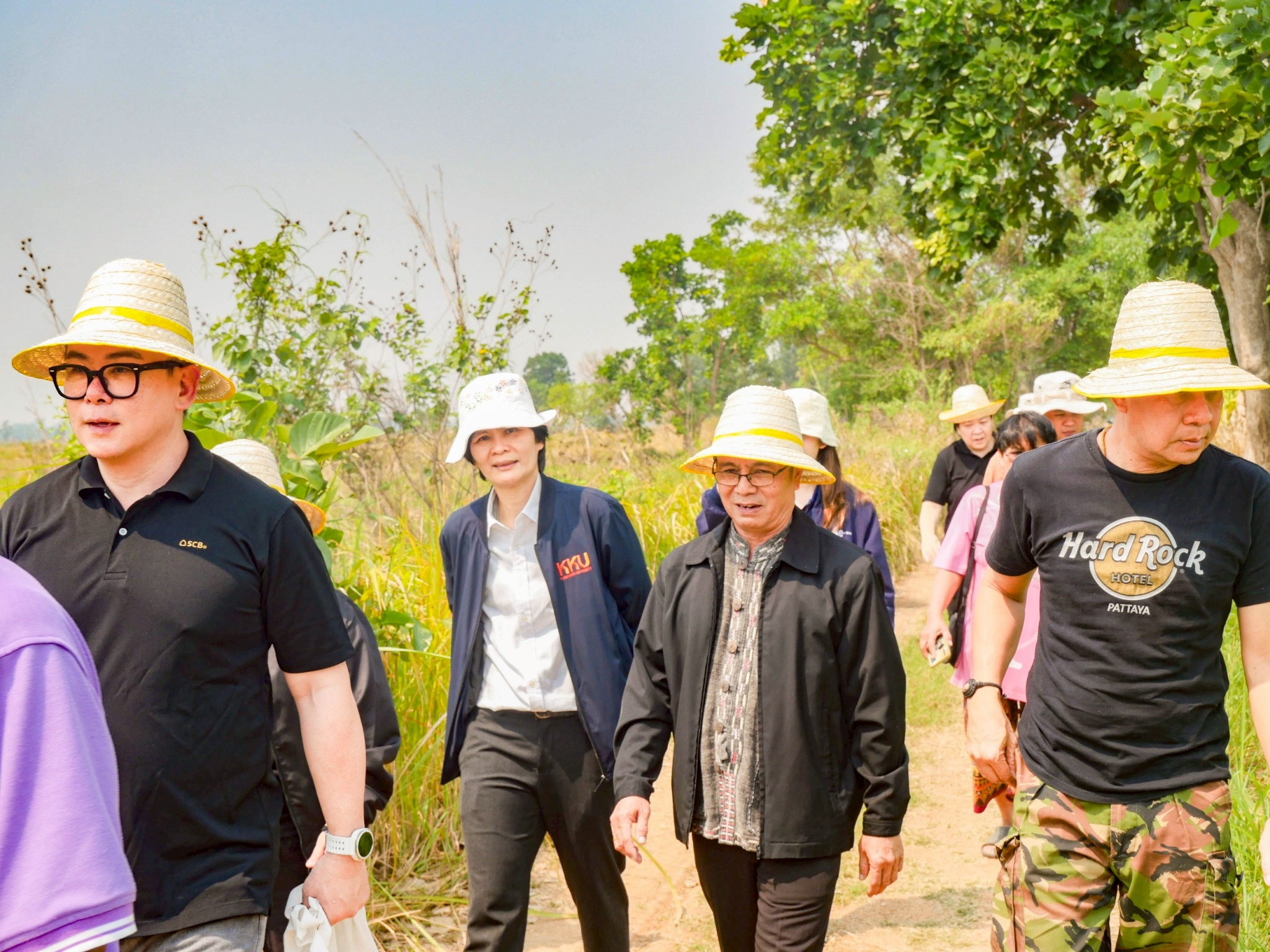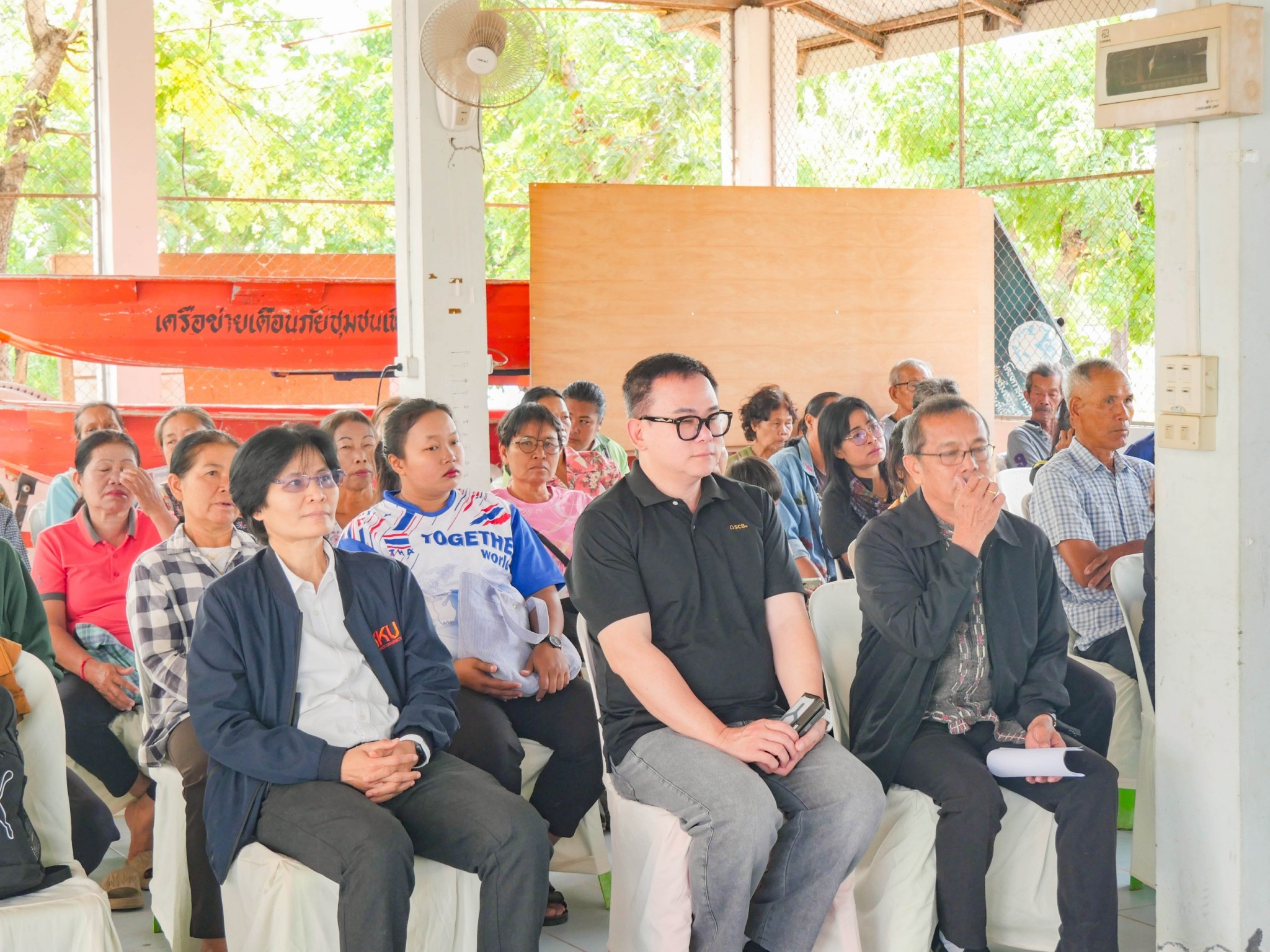

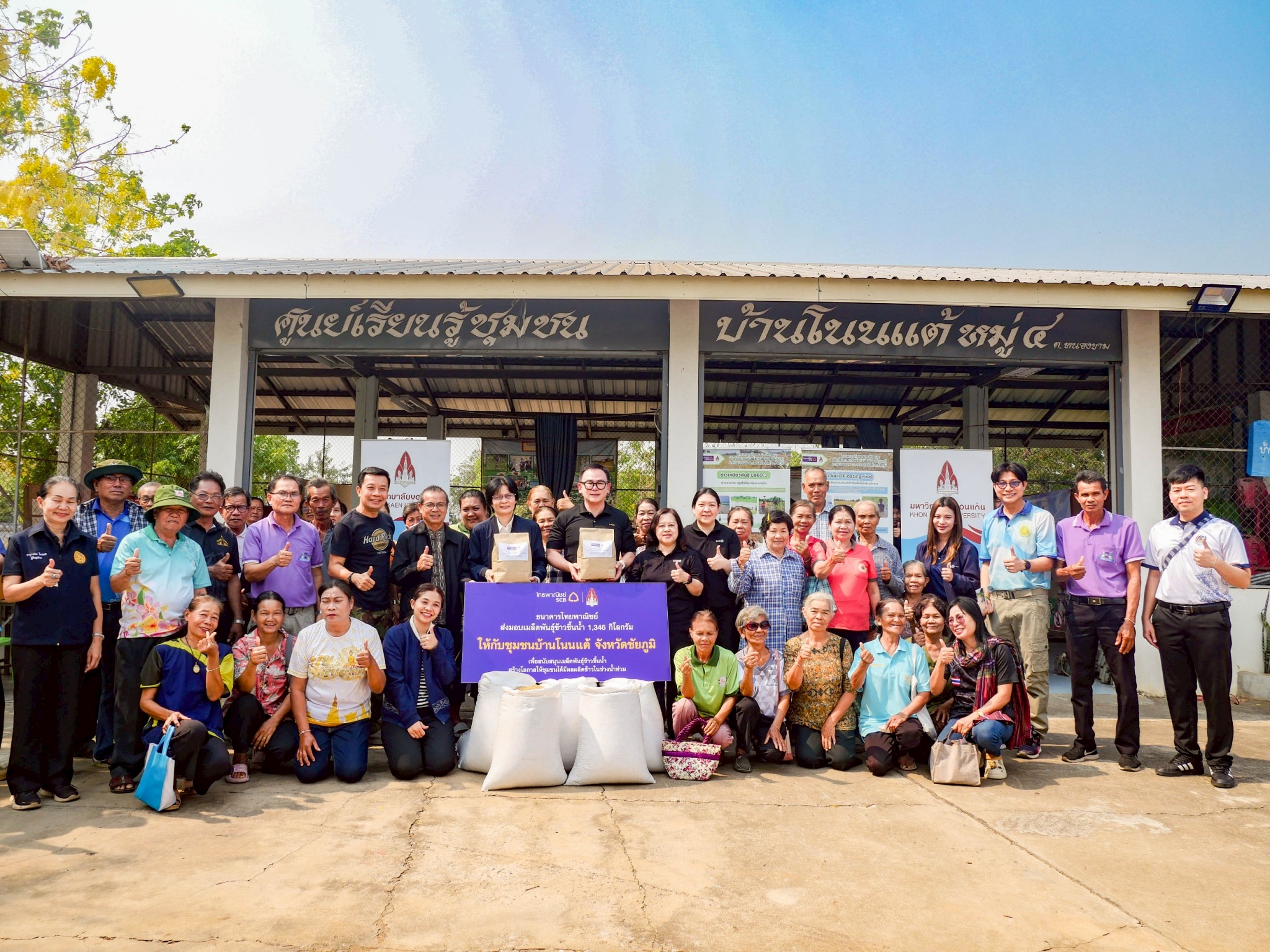
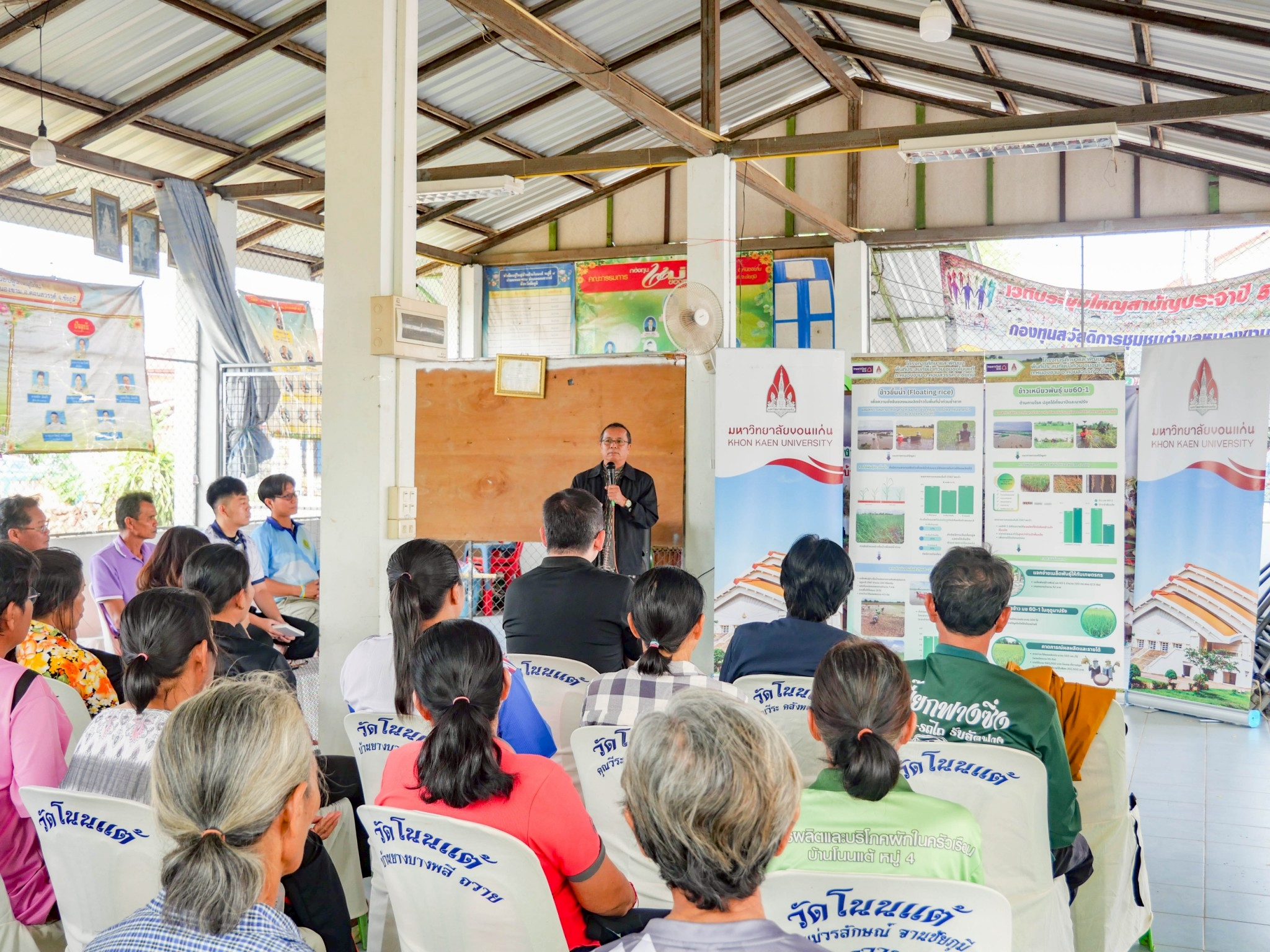
Khon Kaen University (KKU), in partnership with Siam Commercial Bank, is spearheading a project to develop resilient rice production and alternative crops in communities repeatedly affected by flooding. The initiative, which began on 7 April 2026, in the Non Tae community of Chaiyaphum province, aims to improve farmers’ quality of life, enhance food security, and establish a foundation for long-term sustainable development.
Professor Thidarut Boonmars, KKU’s Vice President for Enterprise and Sustainable Society, stated that the university is committed to applying its knowledge and research to benefit local communities and strengthen the grassroots economy.
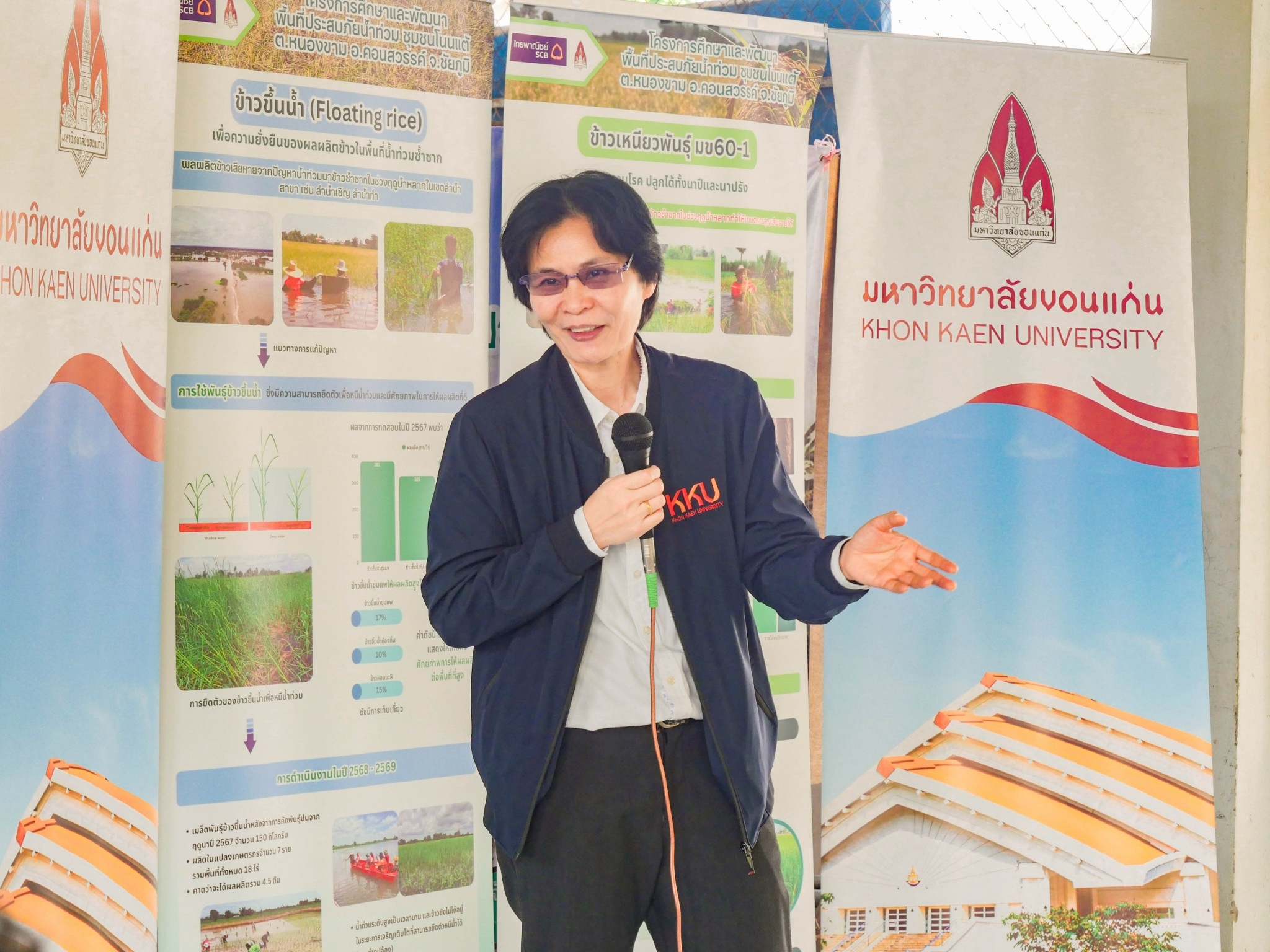
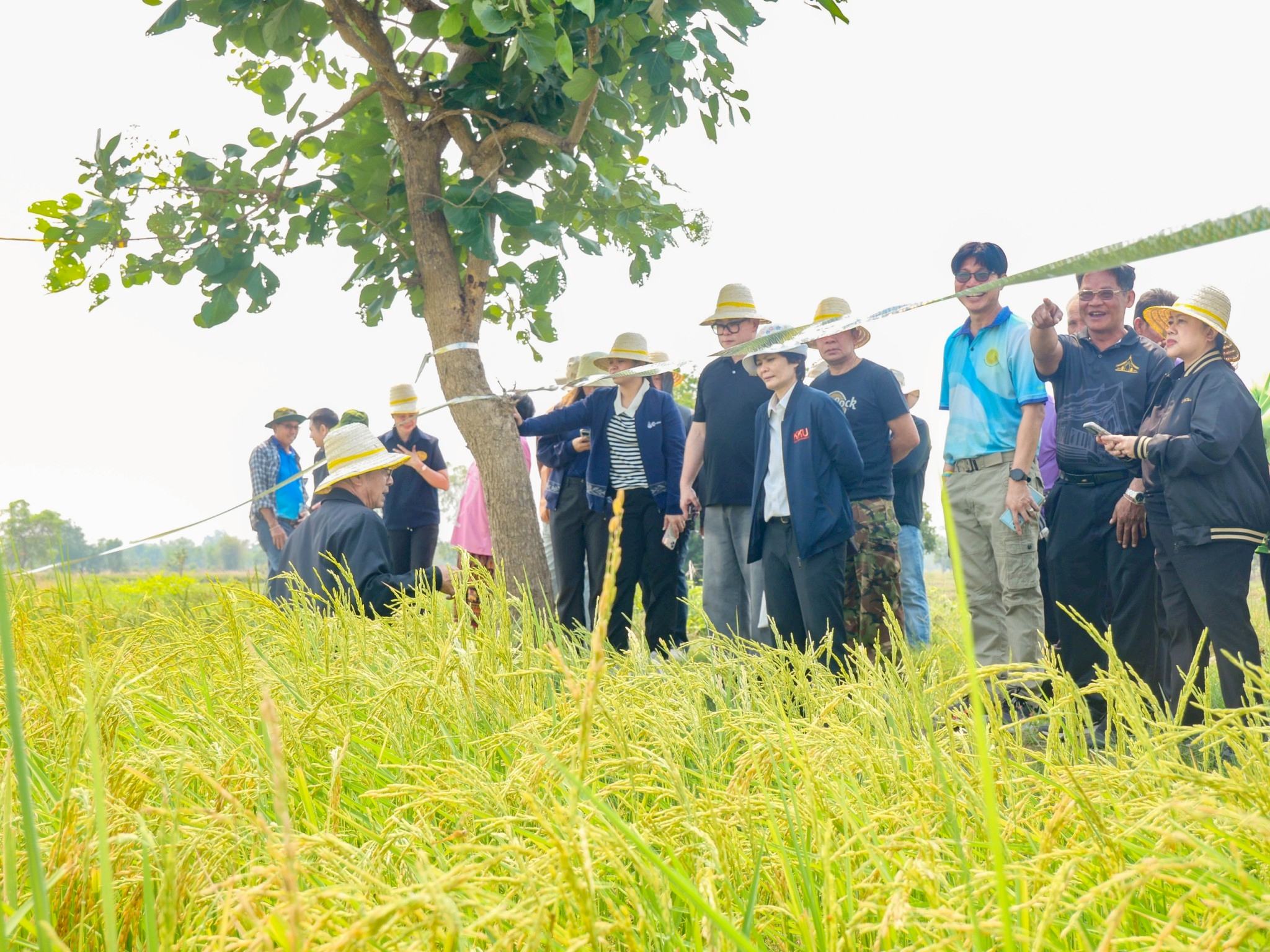
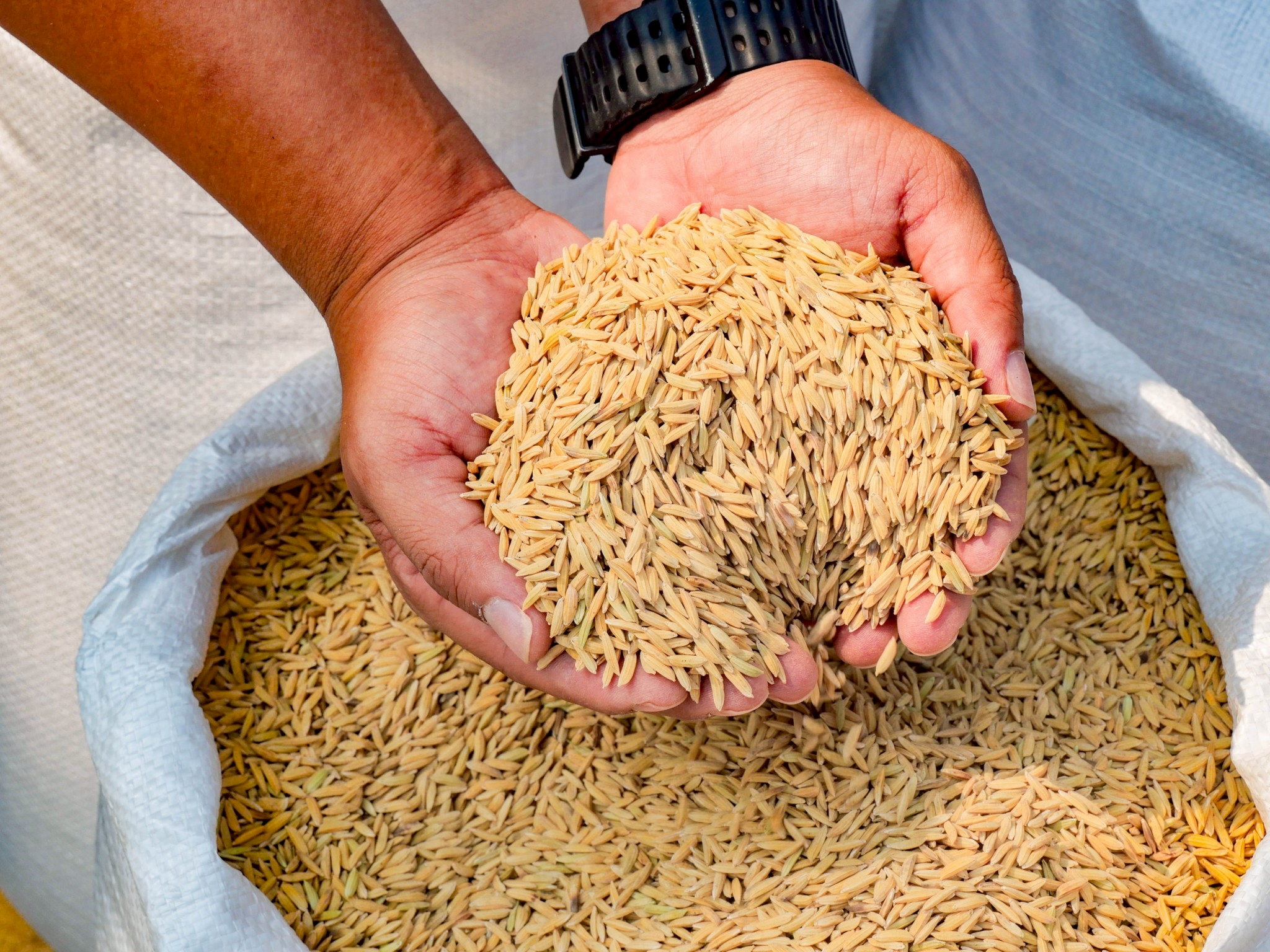
A research team from the Faculty of Agriculture, led by Assistant Professor Dr. Jirawat Sanit-Chun, has been working closely with local farmers to analyze the impact of recurring floods on rice yields. Their study identified “Chum Phae floating rice” as a high-potential variety capable of thriving in flooded conditions while maintaining a quality comparable to commercial strains. This variety is now being promoted for organic seed expansion to create a stable production base for wider distribution among farmers.
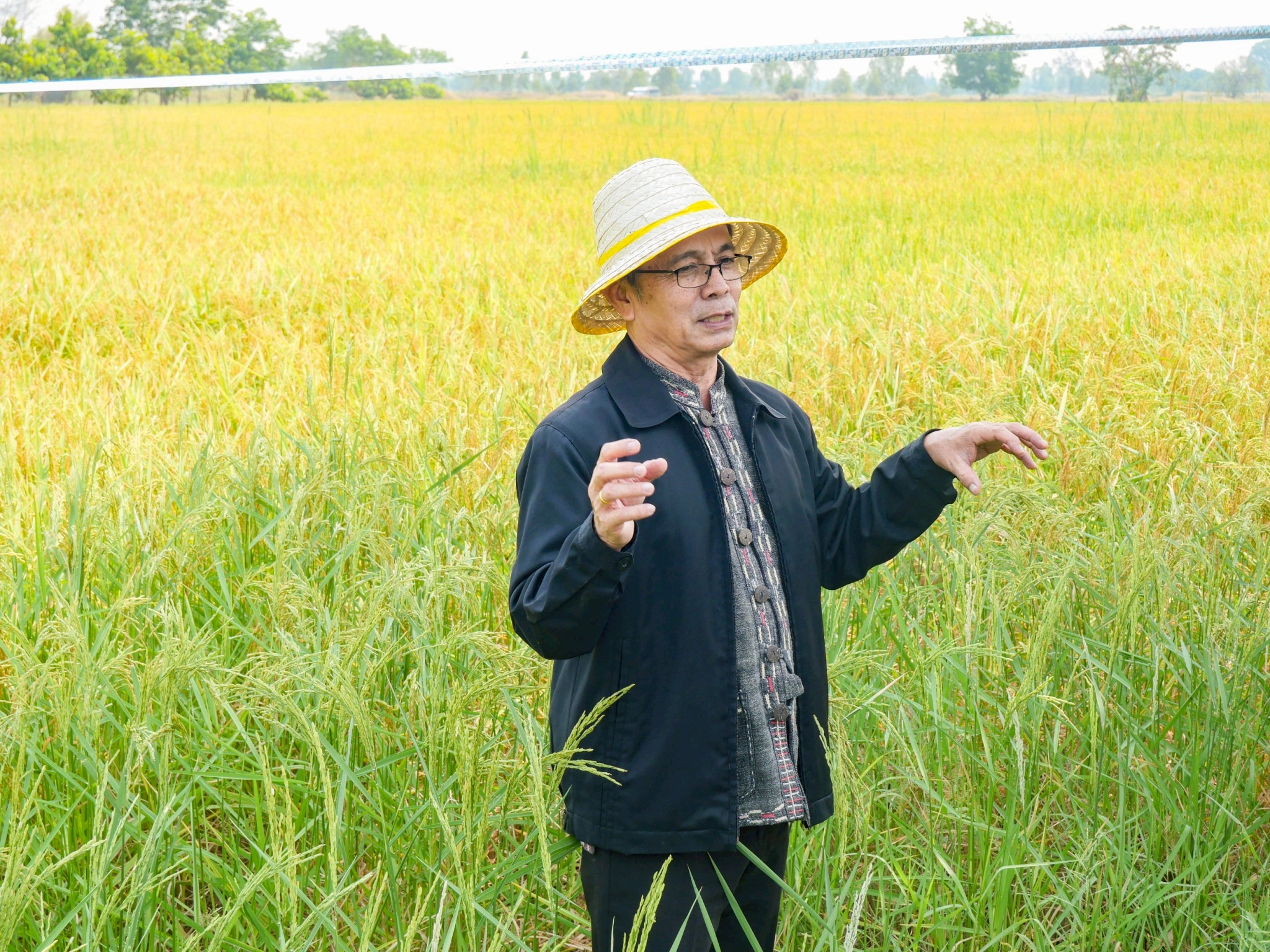
In addition to the flood-resistant rice, the university is also promoting the cultivation of “KKU 60-1,” a non-photoperiod-sensitive sticky rice variety. This allows farmers to plant it during the dry season, providing an additional source of income after the flood season recedes.
The project also explores planting “KKU 60” soybeans as a post-rice crop, with researchers developing cultivation techniques suited to the local environment. This strategy aims to improve land use efficiency and support long-term integrated farming systems.
University officials noted that the project serves as a model for agricultural management in at-risk areas, with the potential to be replicated in other parts of northeastern Thailand. The initiative aligns with several Sustainable Development Goals (SDGs), including SDG 2 (Zero Hunger), SDG 13 (Climate Action) by promoting agricultural adaptation to climate change, and SDG 1 (No Poverty) by helping to raise farmers’ incomes.