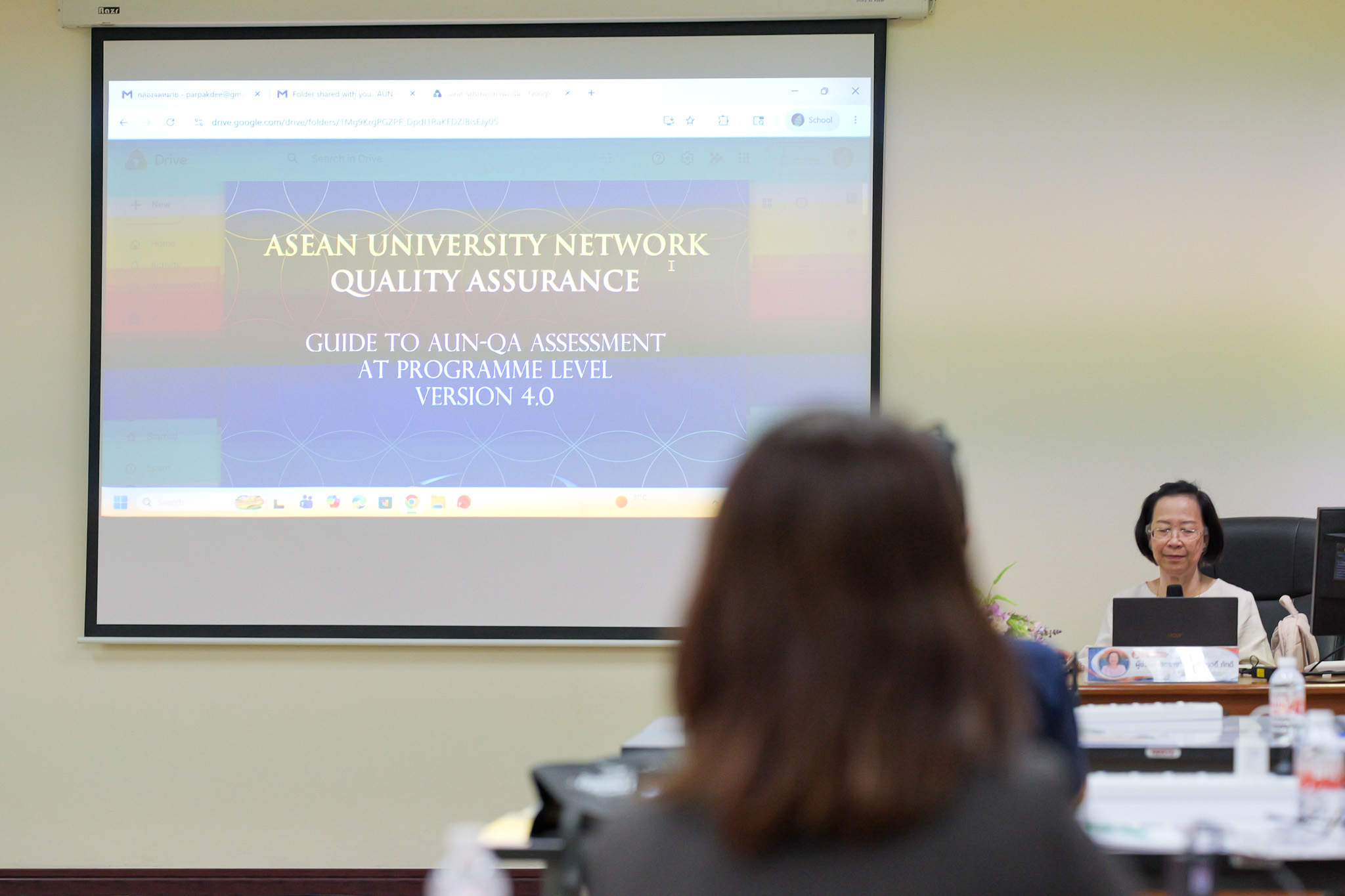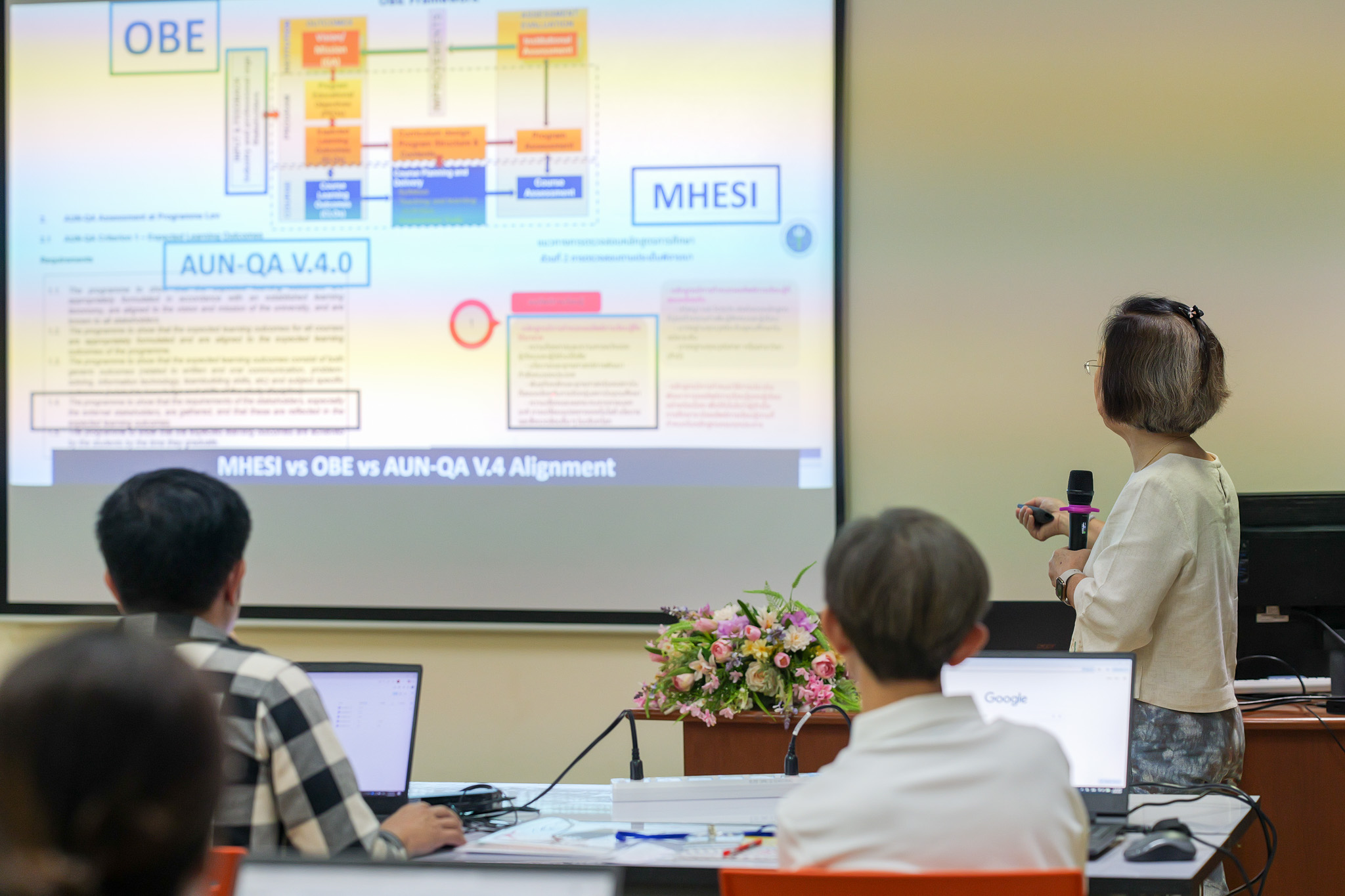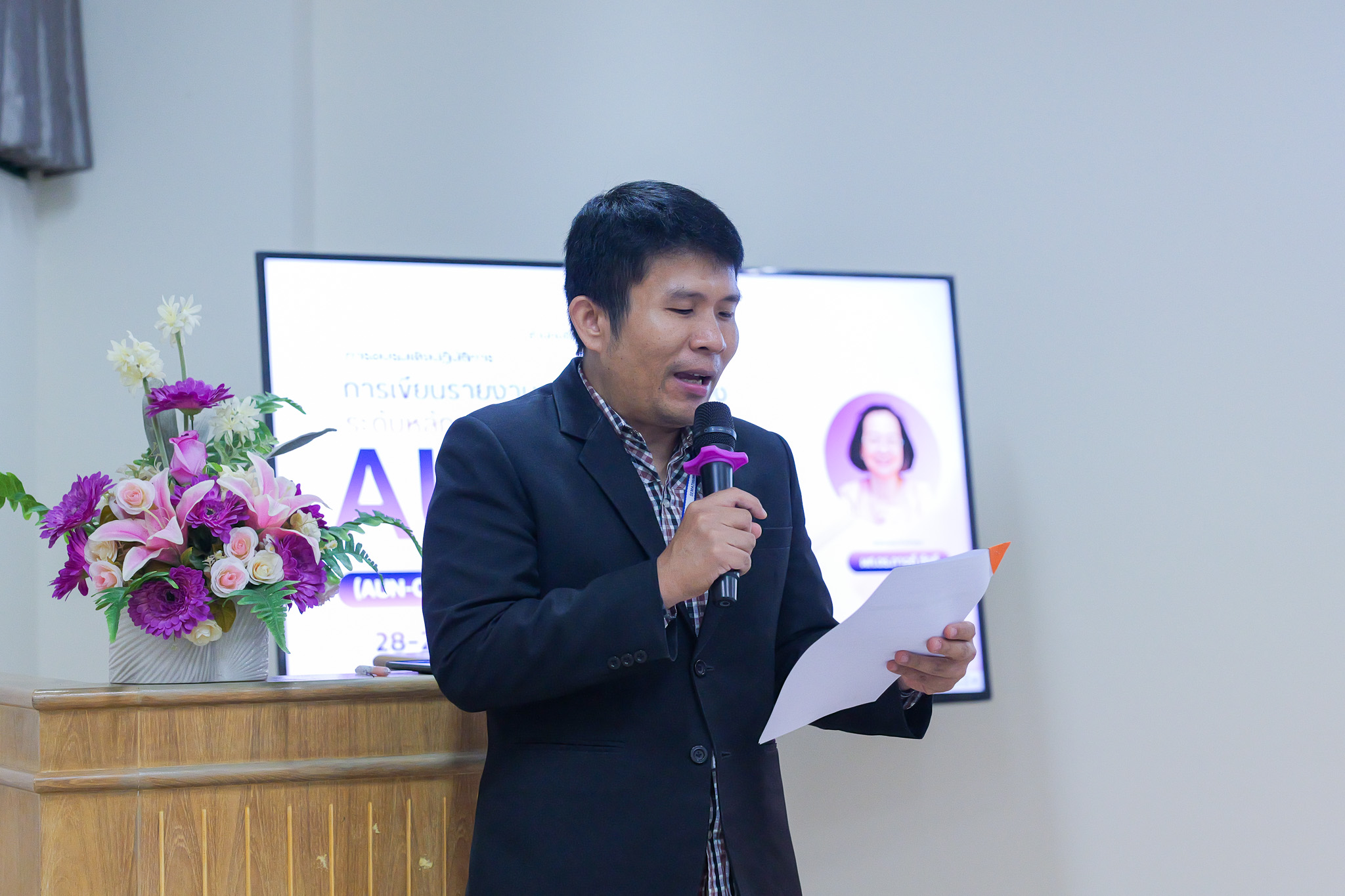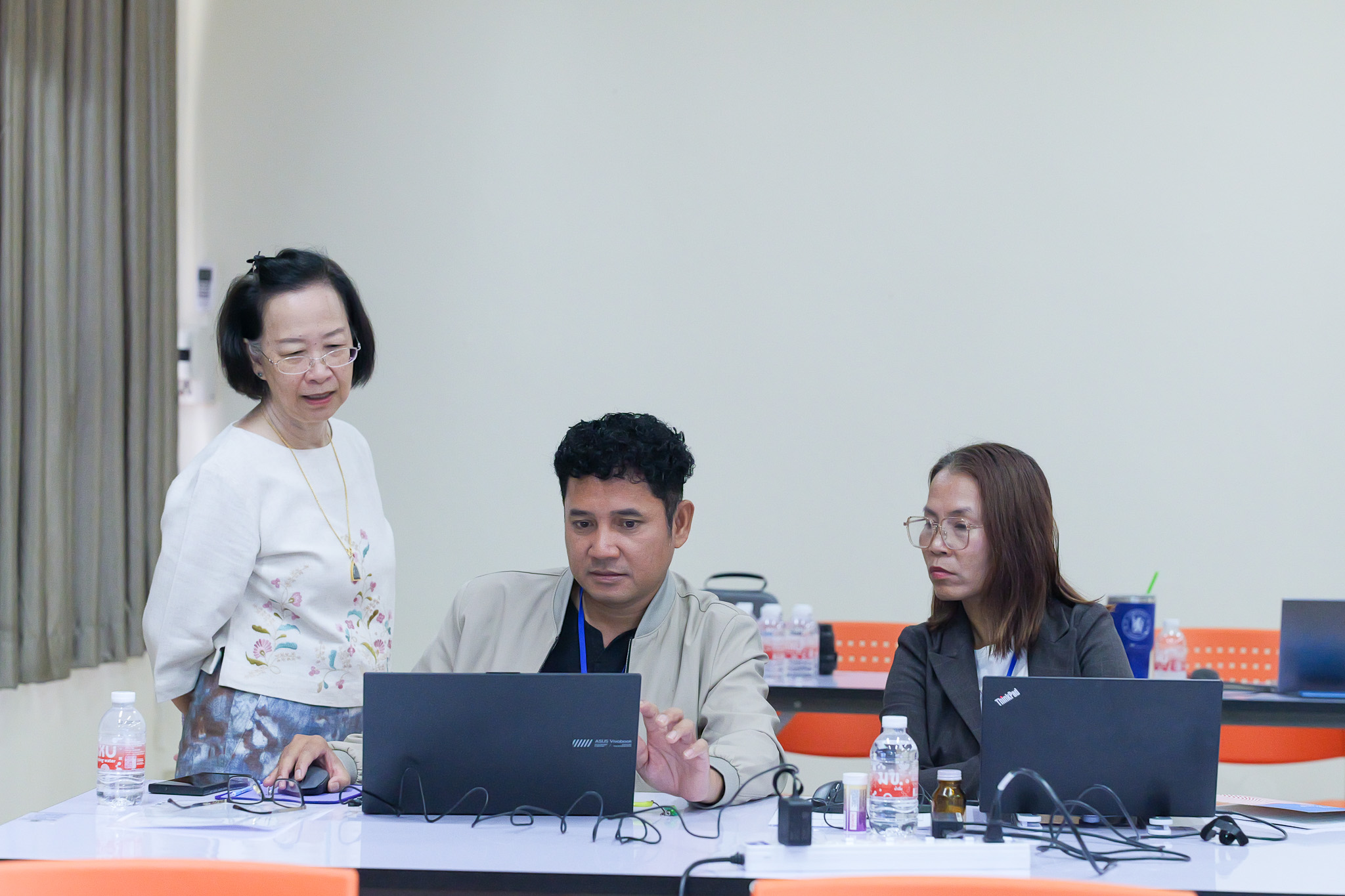

Academics and education officers gather for intensive training to master ASEAN-level quality assurance standards and outcome-based reporting.
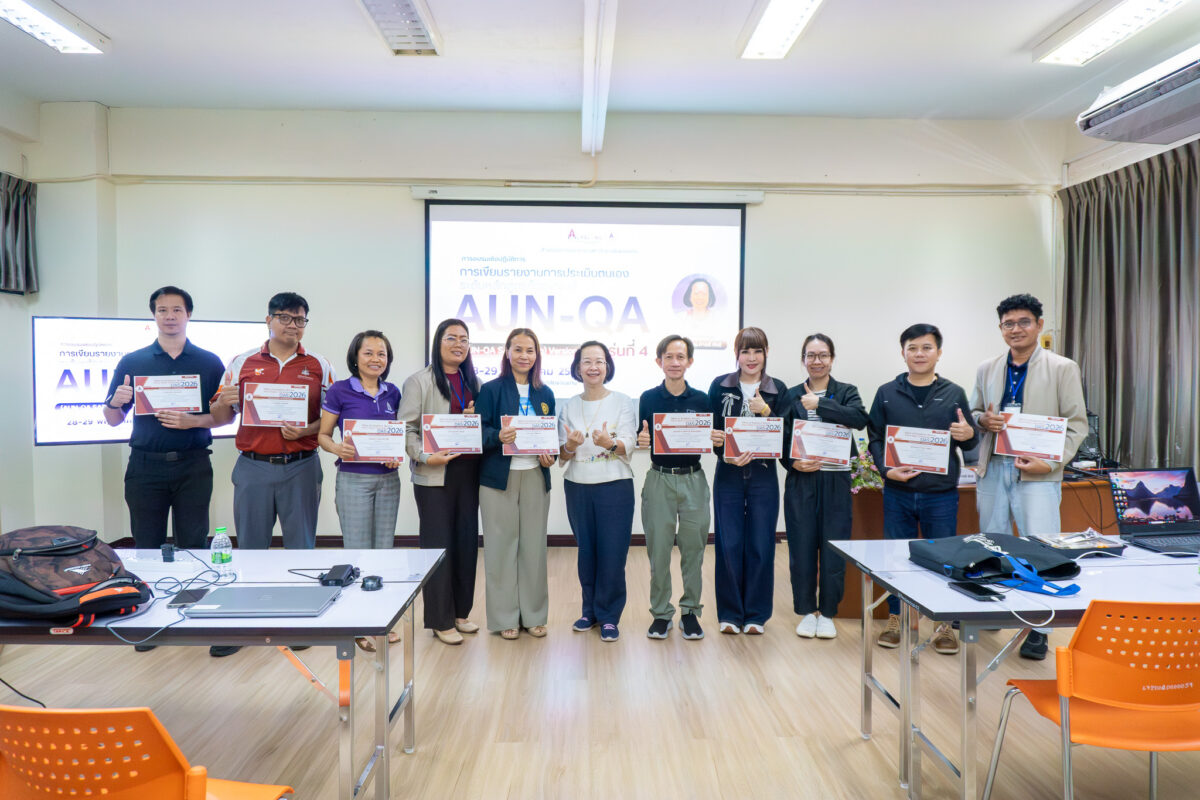
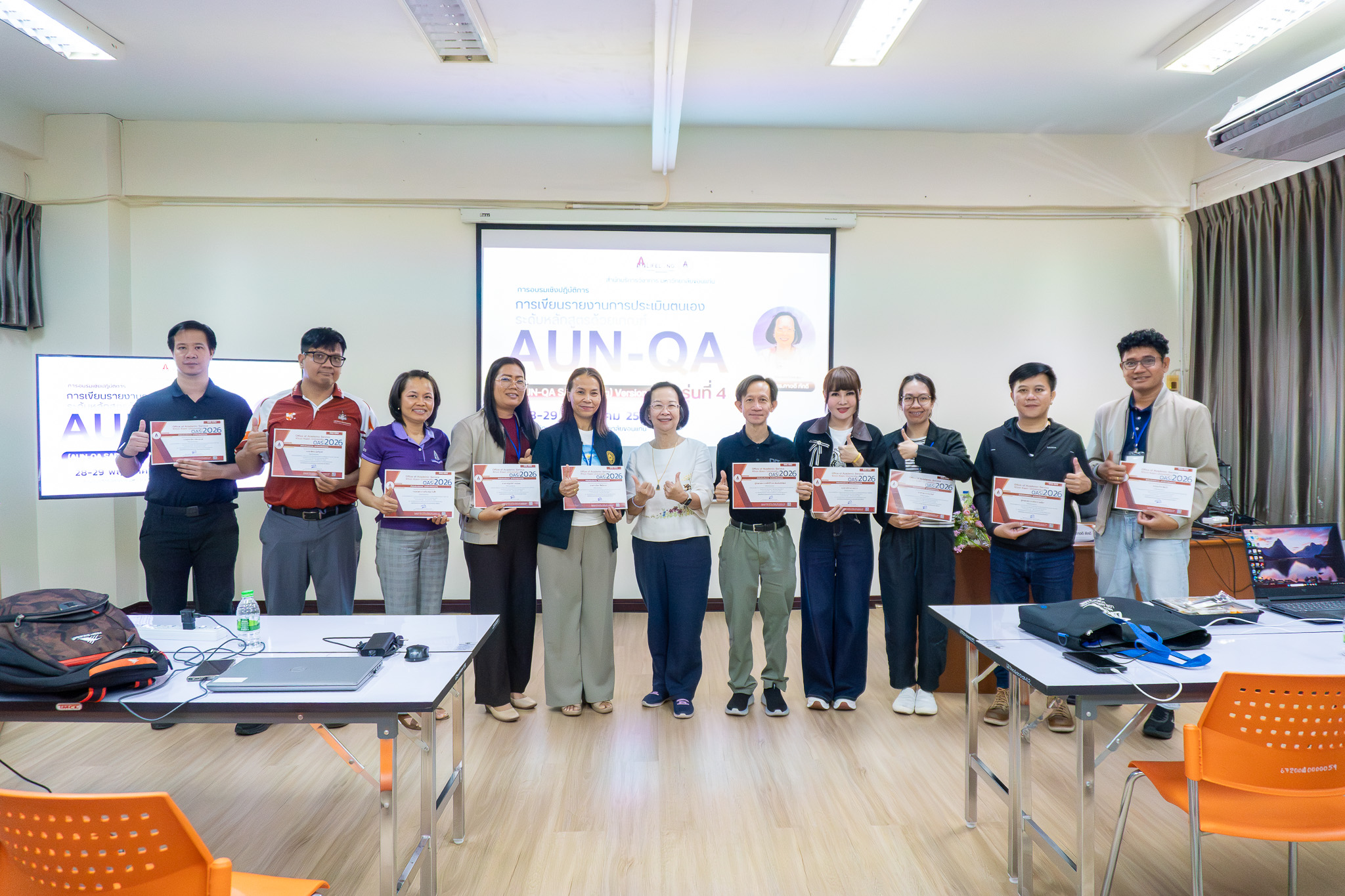
The Office of Academic Service at Khon Kaen University (KKU) recently organised the fourth edition of the workshop titled “AUN-QA Version 4.0 (AUN-QA SAR Writing)”. Held from 28 to 29 May 2026 at the Sroi Suwanna Room, 5th Floor, Office of Academic Service, the programme aimed to empower faculty members, education officers, and quality assurance personnel. The primary goal was to equip participants with the skills to systematically prepare programme-level Self-Assessment Reports (SAR) in alignment with the AUN-QA Version 4.0 framework—a premier quality assurance standard recognised by leading higher education institutions across ASEAN.
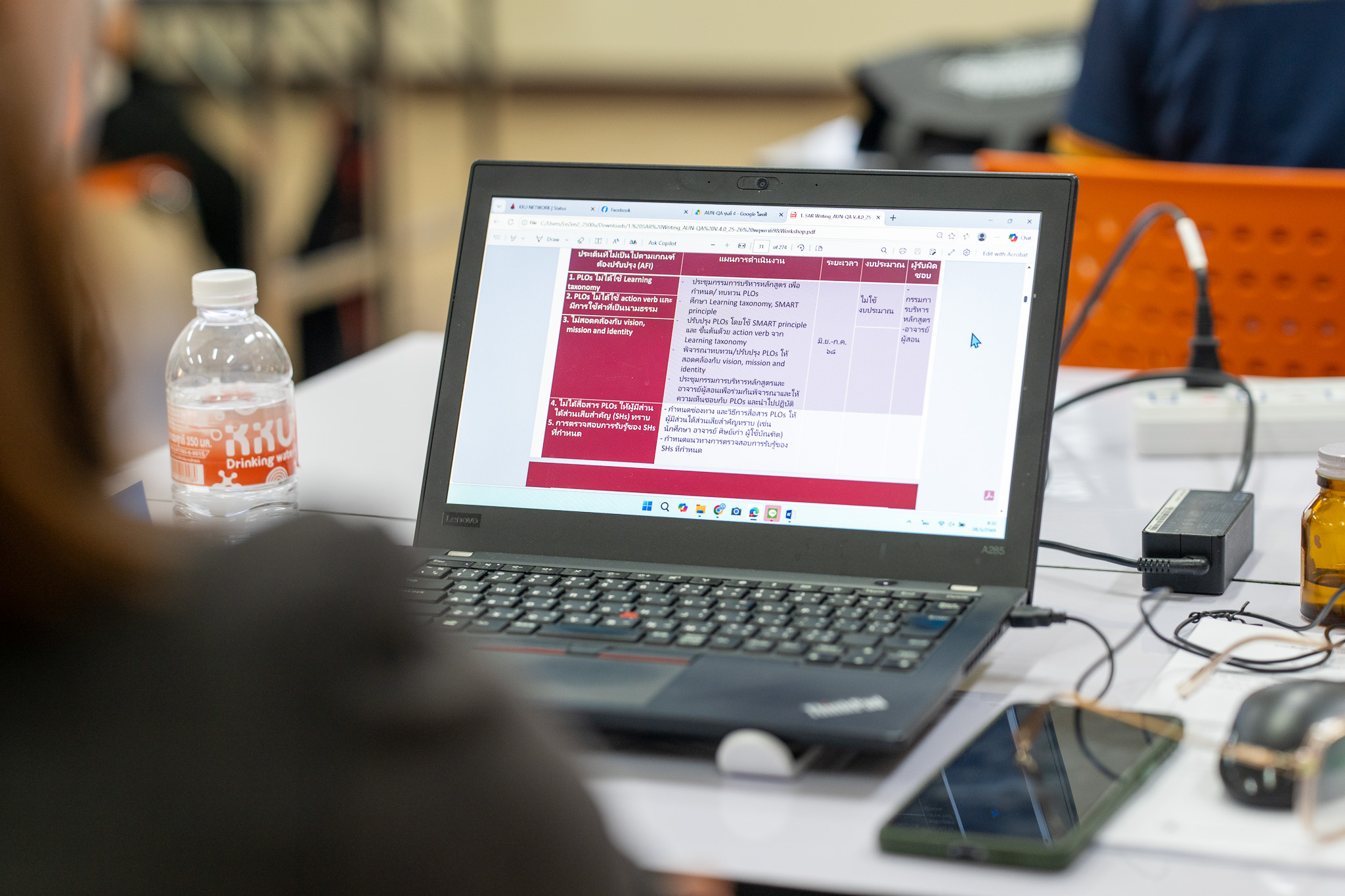
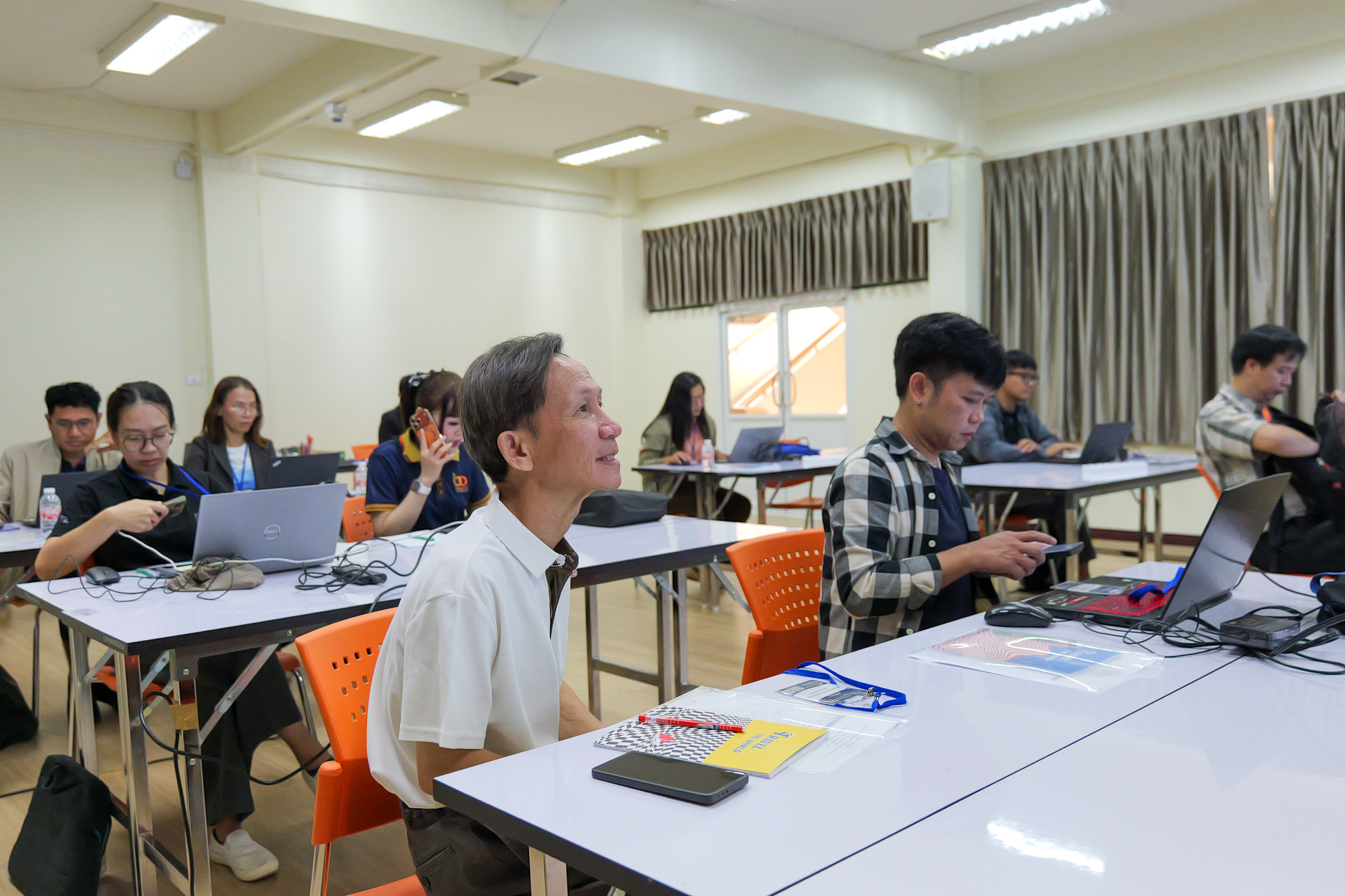
The workshop atmosphere was characterised by deep learning and practical engagement. Participants from various faculties and departments exchanged experiences, analysed specific curriculum challenges, and practiced drafting SARs based on the Outcome-Based Education (OBE) concept, which prioritises student learning outcomes as the central focus.
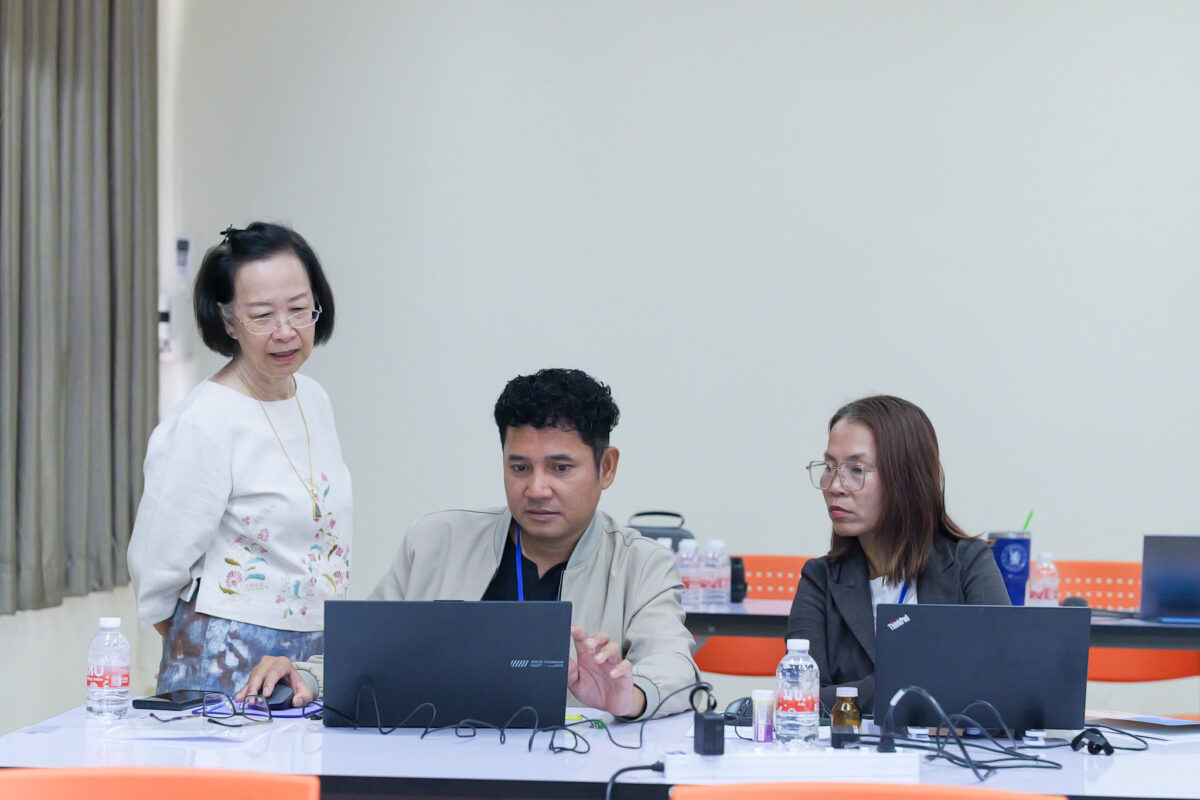
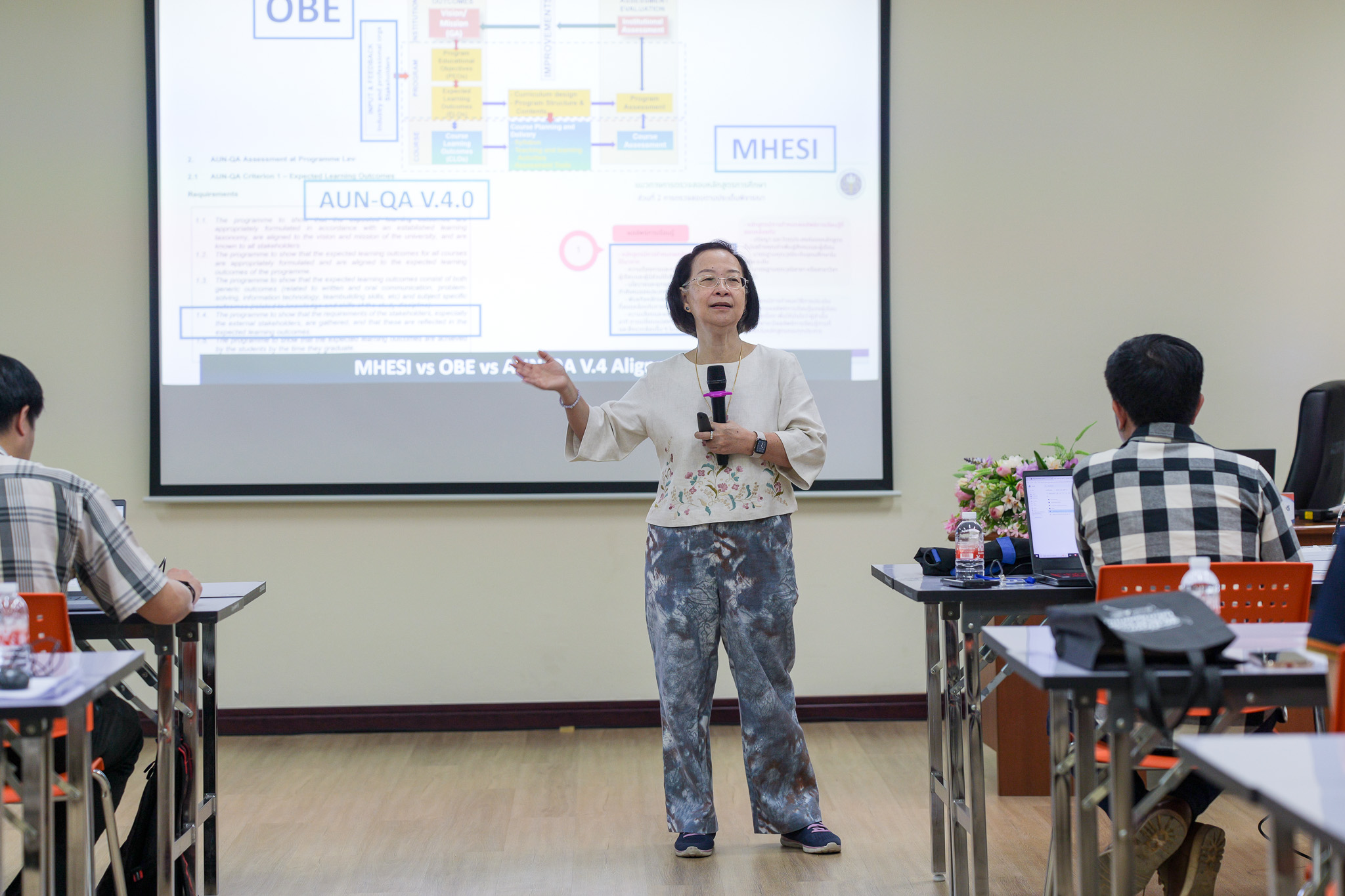
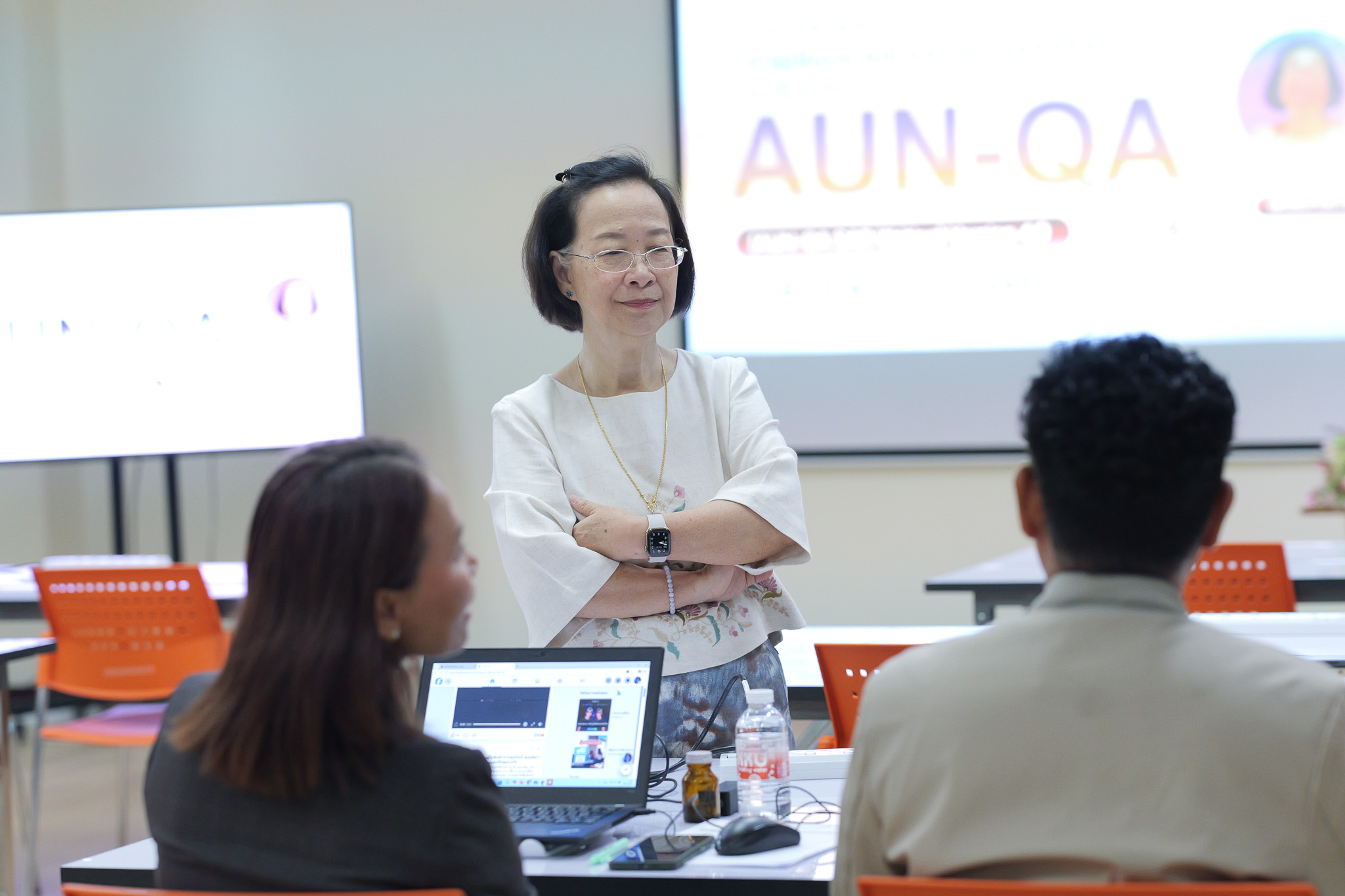
The event featured Assistant Professor Pawadee Pakdee, Ph.D., a distinguished expert in educational quality assurance, who facilitated intensive workshop sessions. The training encouraged participants to “think, analyse, and execute” through a process that included interpreting AUN-QA Version 4.0 criteria, analysing curriculum performance, and mastering evidence-based writing techniques. These methods ensure that reports accurately and tangibly reflect the quality of a curriculum for auditing purposes.
A highlight of the workshop was the opportunity for participants to bring actual curriculum data for real-world analysis alongside the expert speakers. This approach transcended theoretical lecturing, allowing for a “paradigm shift” in quality assurance thinking that is directly applicable to the participants’ professional contexts.
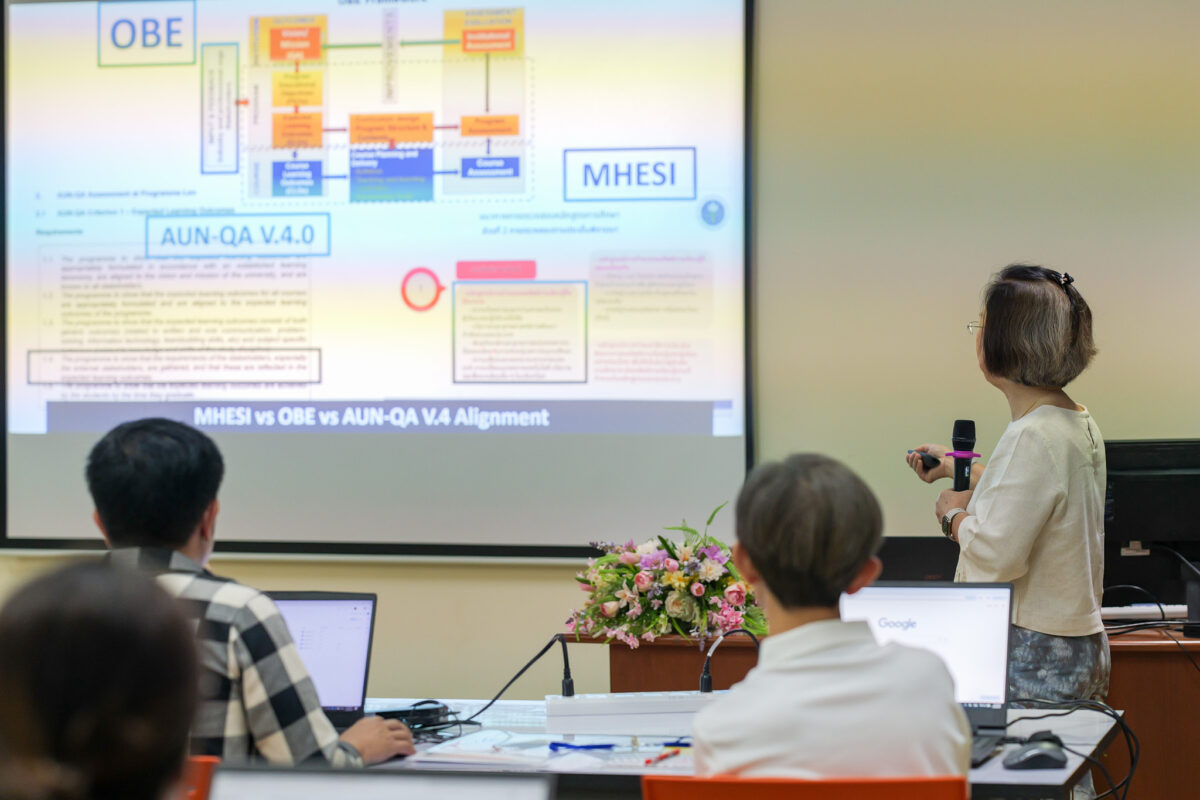
Attendees reported that the workshop sessions provided a much clearer overview of the SAR preparation process, particularly in linking operational results to empirical evidence according to international standards. Furthermore, the cross-disciplinary exchange helped simplify the reporting complexities often faced by curriculum teams. The networking among participants from diverse fields also fostered a collaborative environment for future curriculum development aimed at meeting the demands of students, society, and the future labour market.
This project underscores the pivotal role of the KKU Office of Academic Service in supporting the enhancement of higher education quality. By developing personnel potential and promoting international quality standards, the Office continues to drive the University toward sustainable regional excellence.