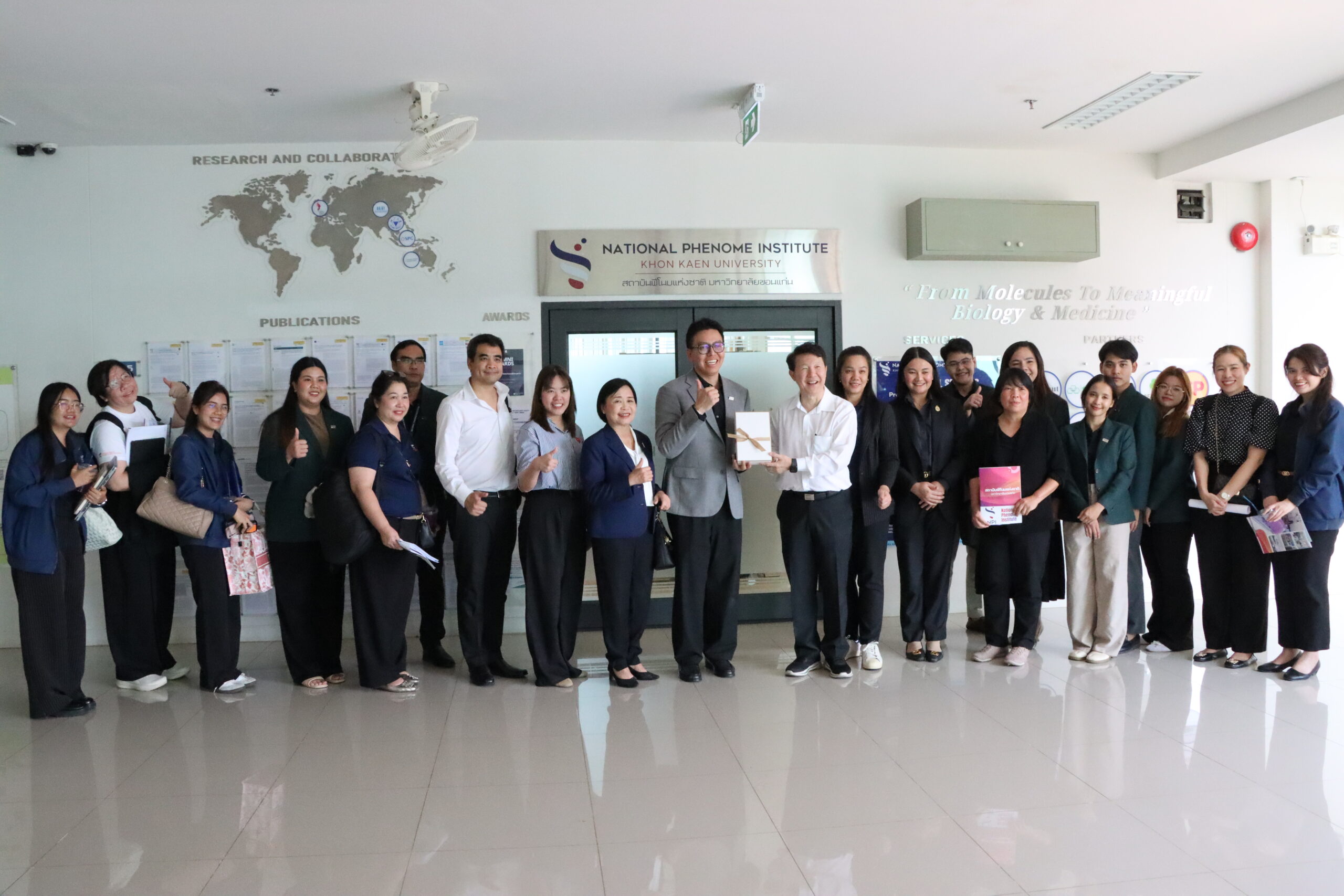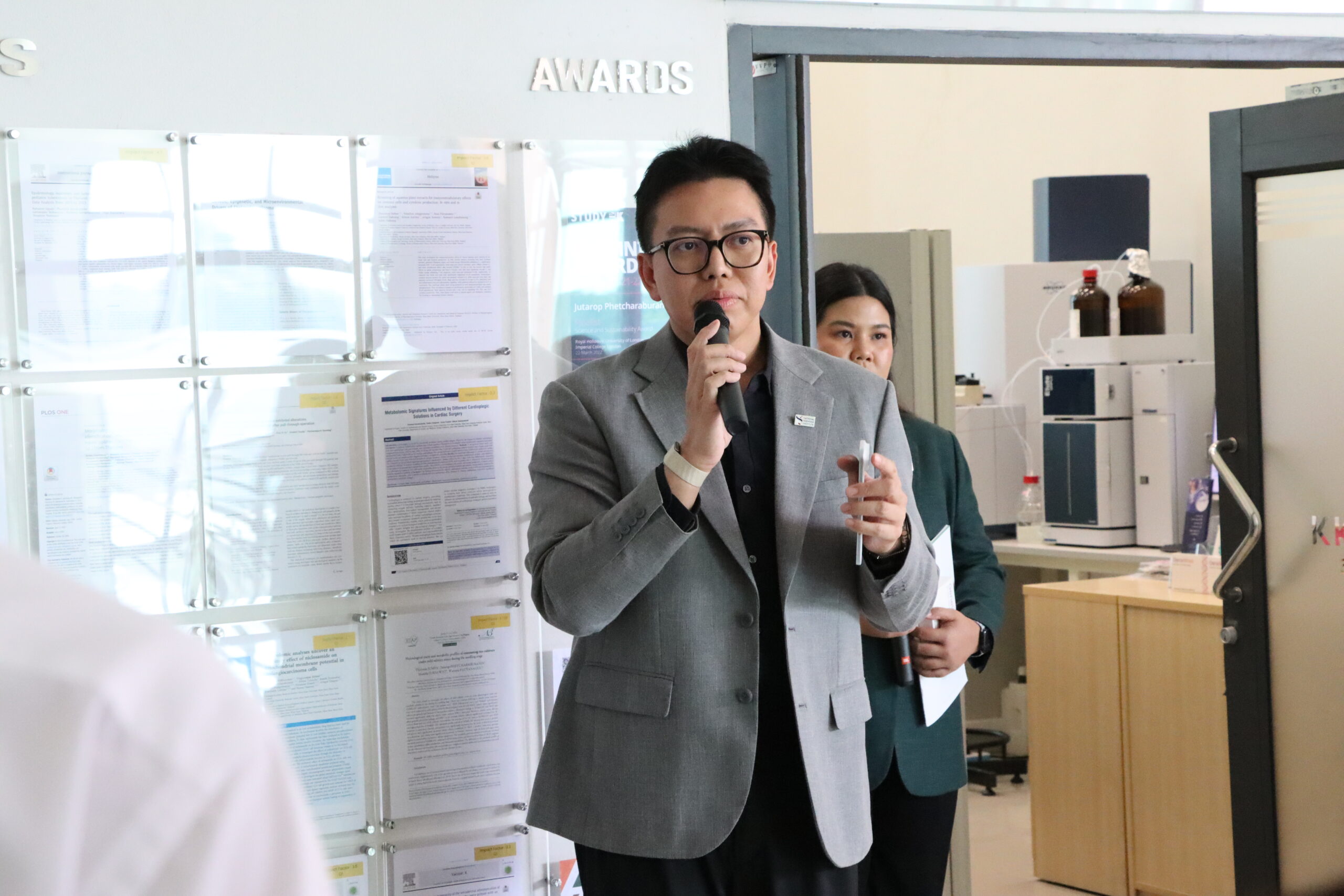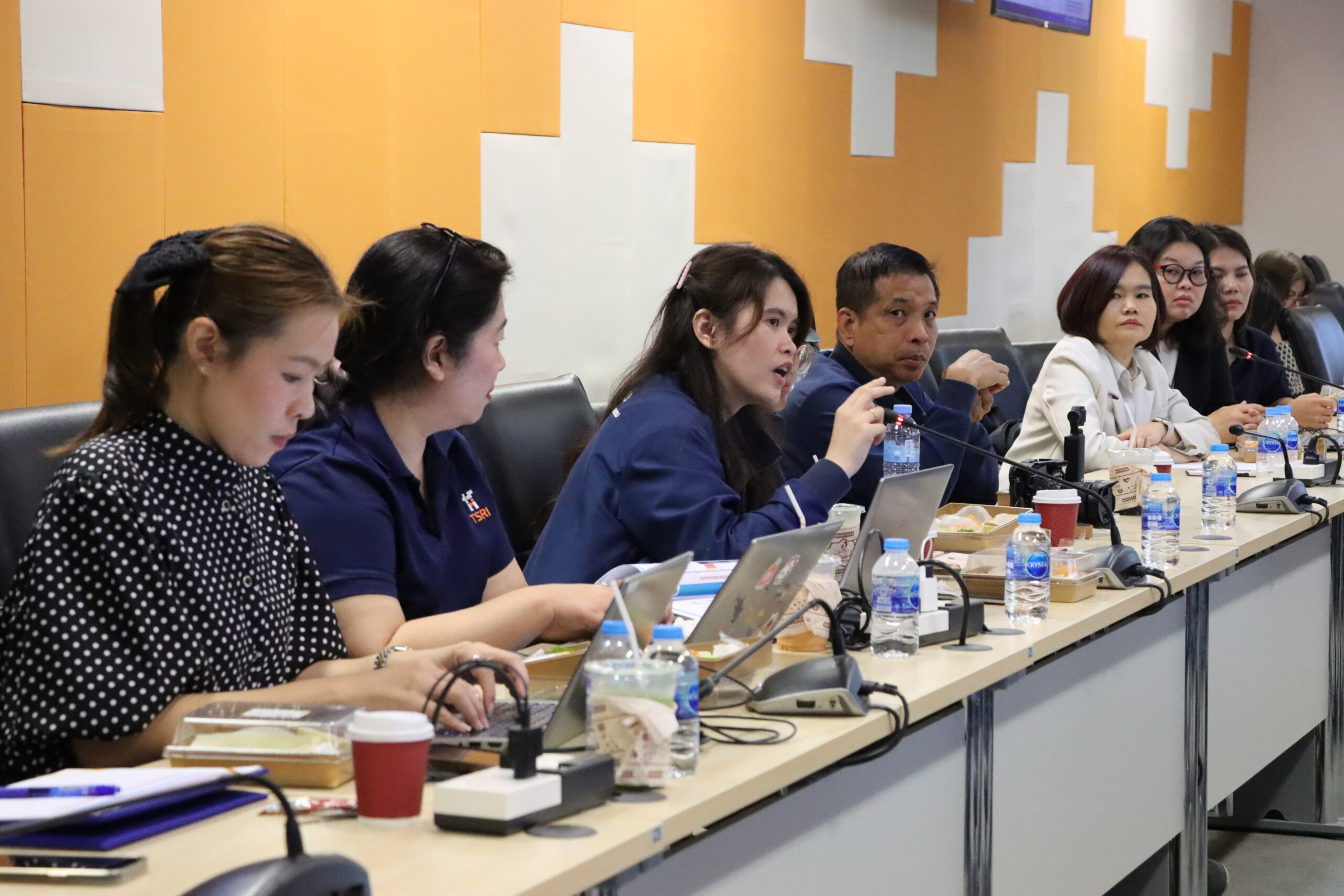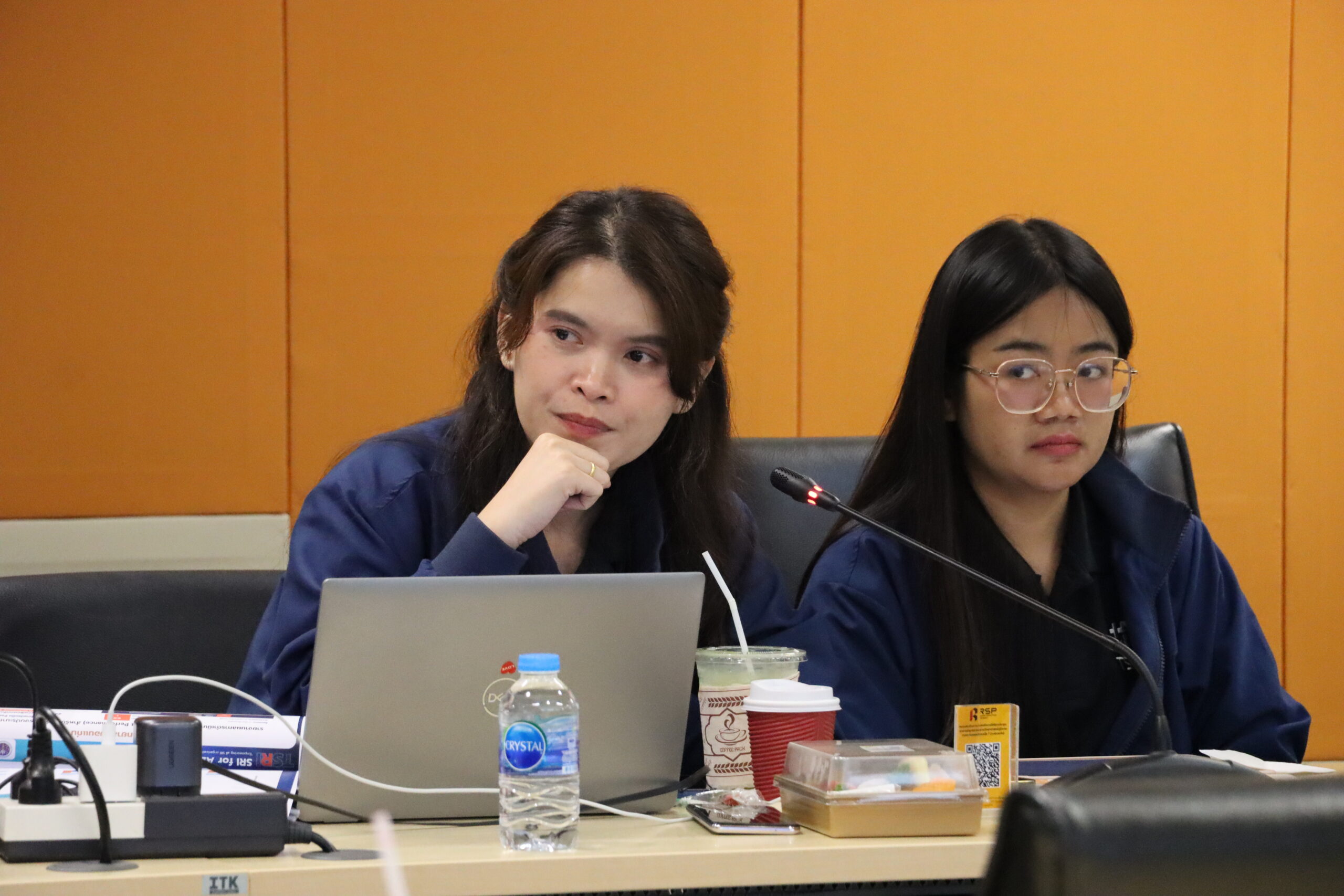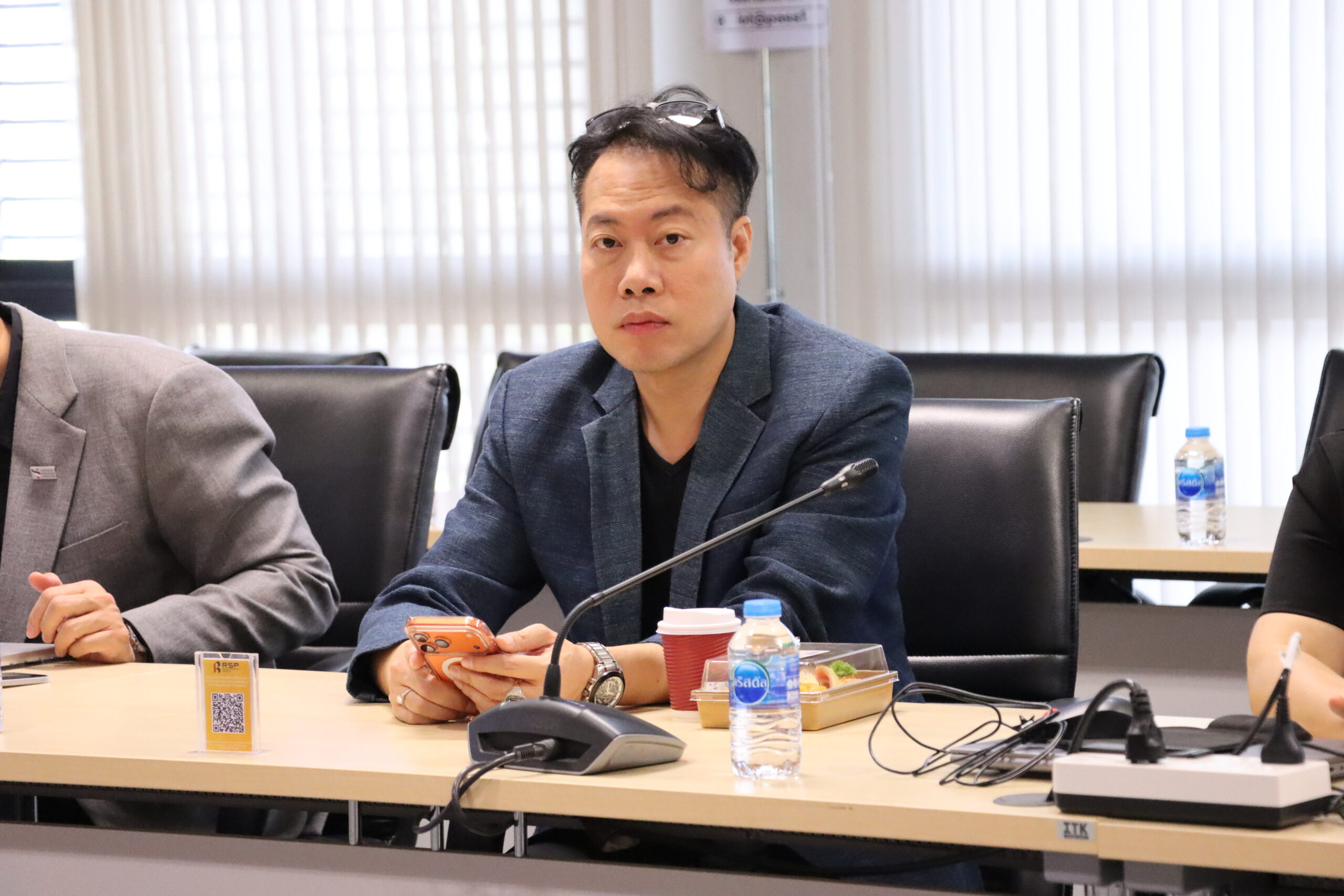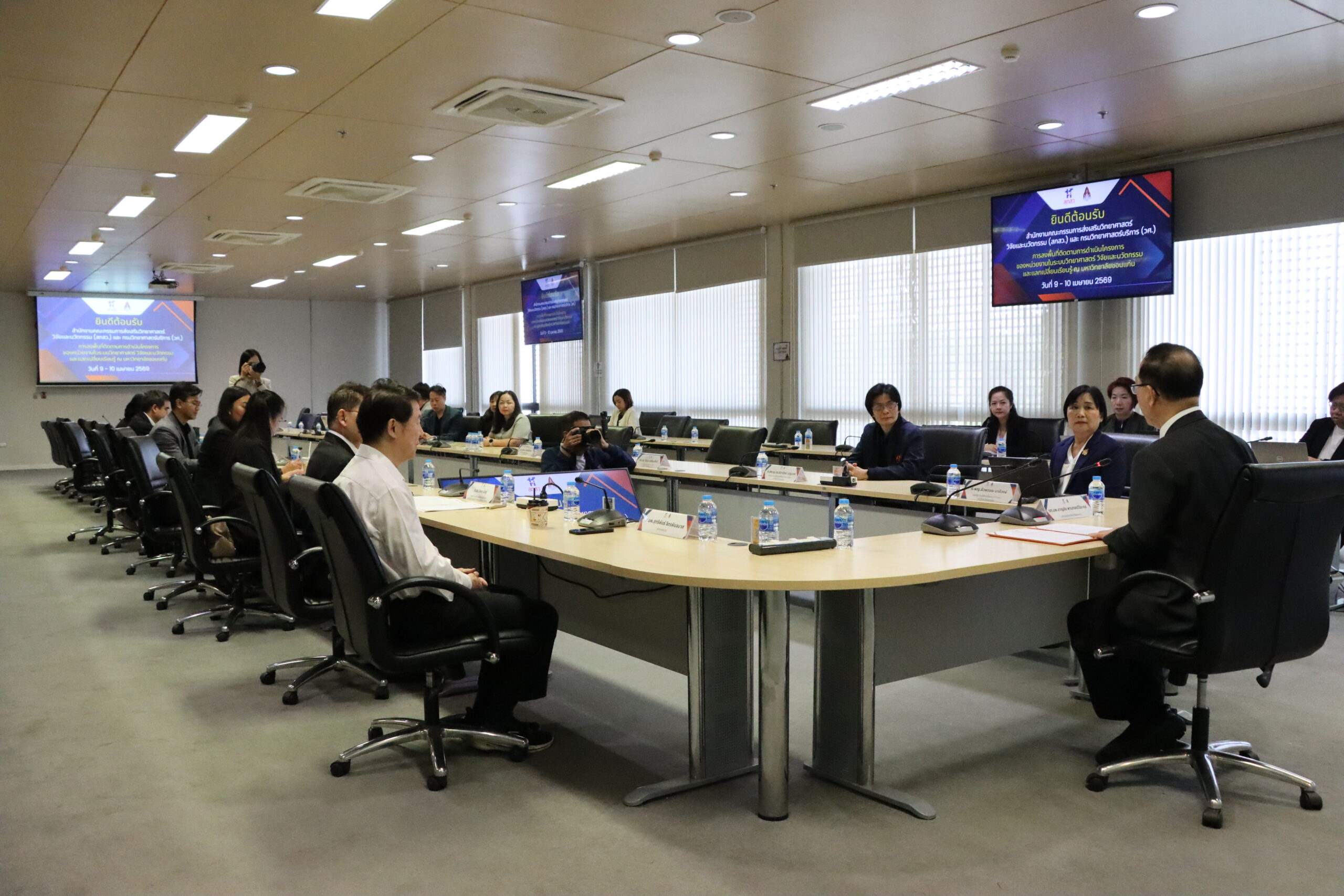

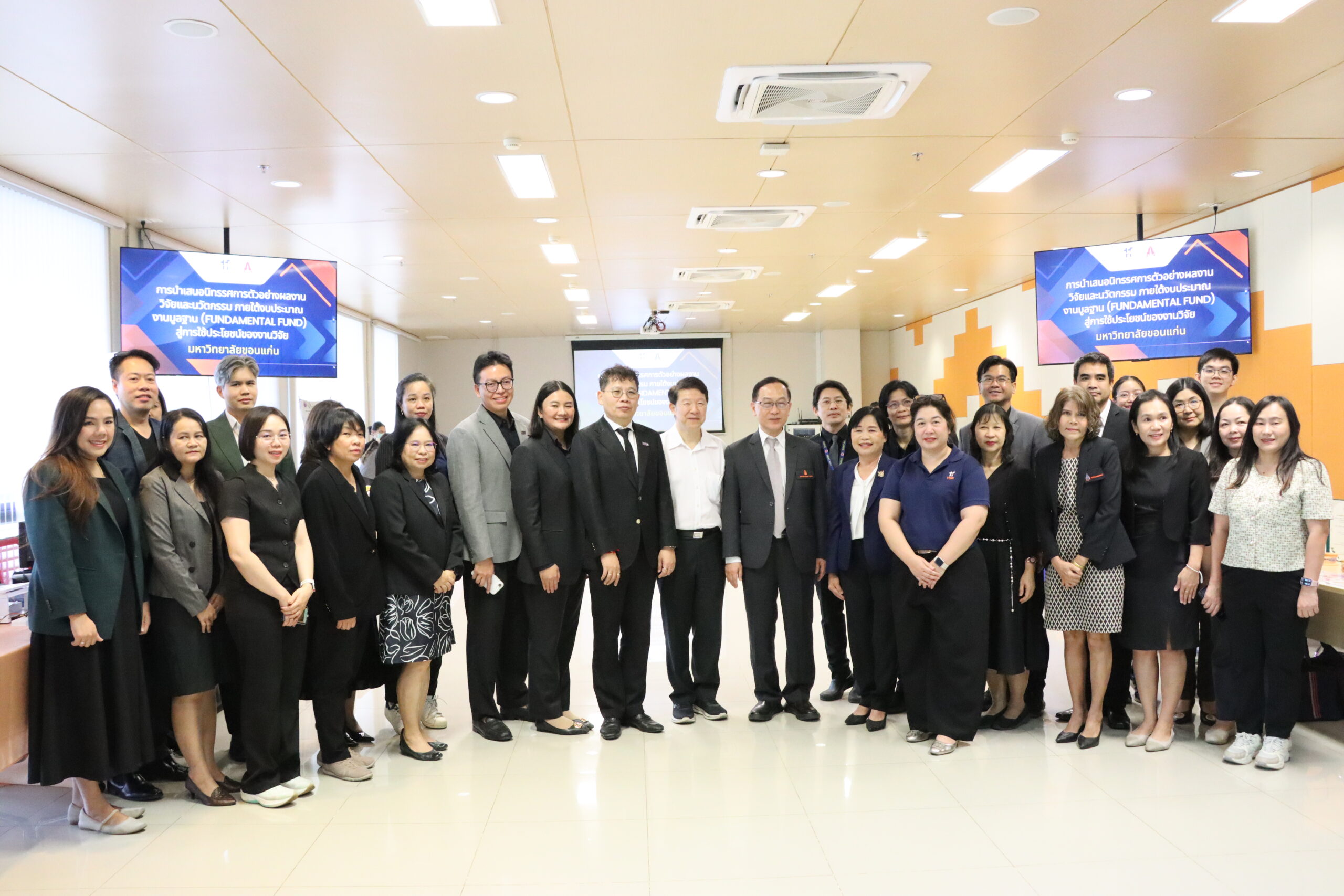
On 9 April 2026, Khon Kaen University (KKU), in collaboration with the Office of National Higher Education Science Research and Innovation Policy Council (TSRI) and affiliated agencies, hosted a site visit to monitor the progress of projects within the science, research, and innovation ecosystem and to facilitate knowledge exchange.
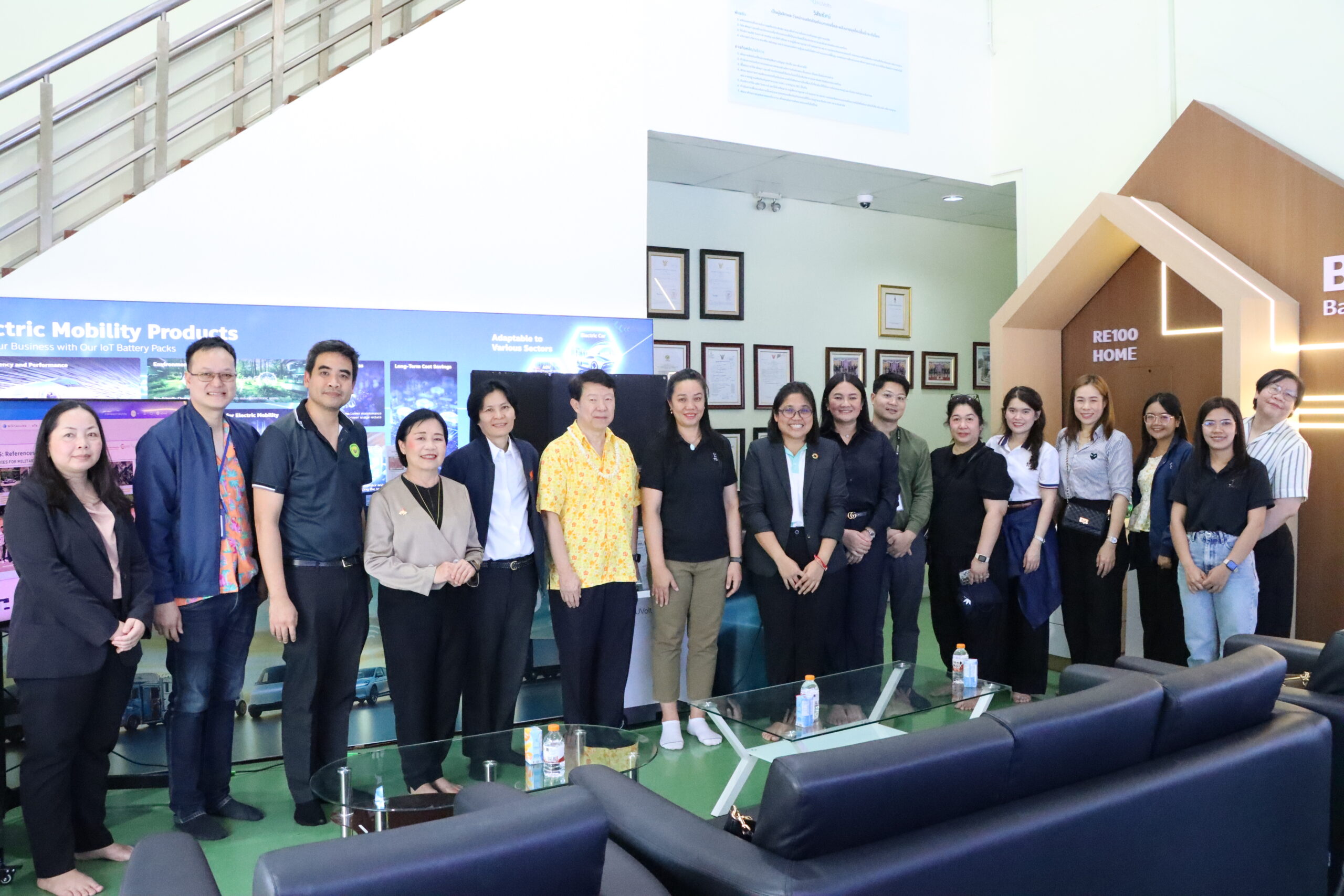
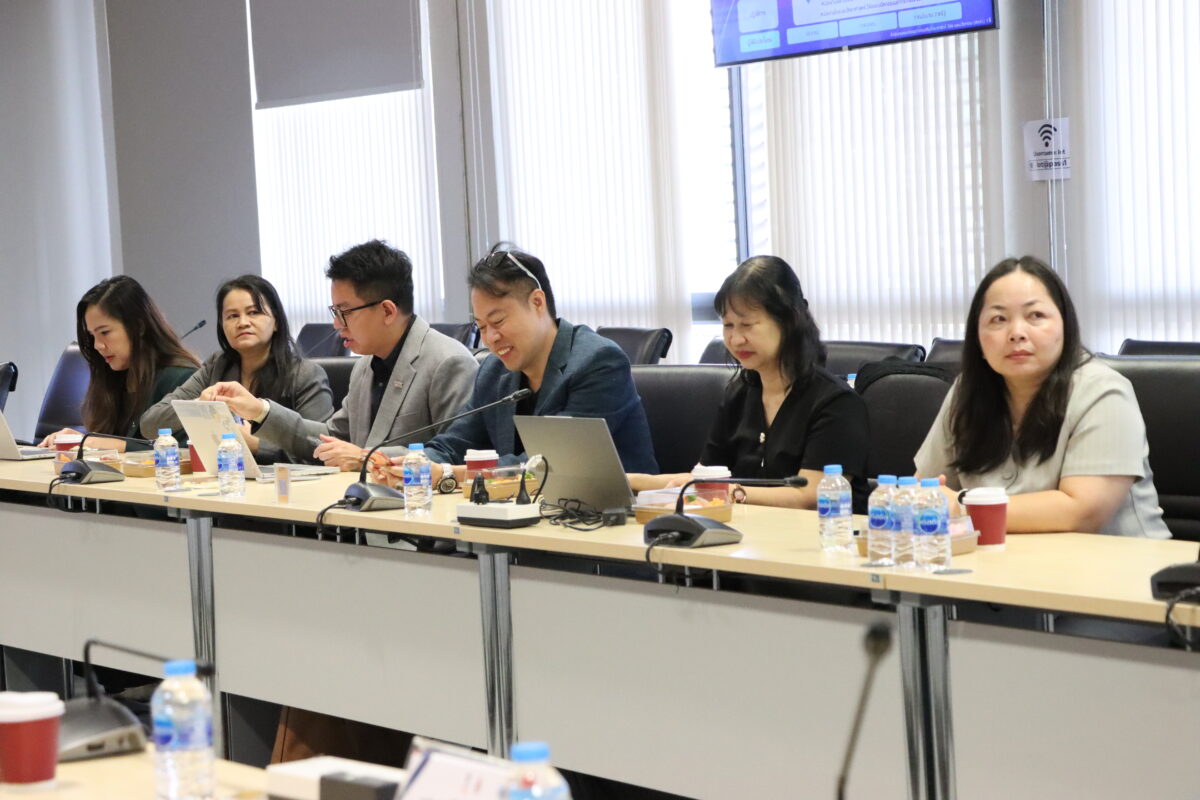
Associate Professor Charnchai Panthongviriyakul, M.D., President of Khon Kaen University, welcomed the executive team from TSRI, led by Professor Dr Wisanu Mee-yoo, Deputy Director of TSRI. The delegation also included representatives from the Department of Science Service (DSS), the Food and Drug Administration (FDA), and the Office of Life Science Technology and Innovation. The event was held at the administration building of the Northeast Science Park.
The primary objectives of the visit were to monitor and acknowledge the outcomes of research and innovation utilisation by institutions receiving the Fundamental Fund (FF), to exchange insights on models for translating research into practical applications in various regions, and to gather information on high-potential research and innovations for further development and wider implementation.
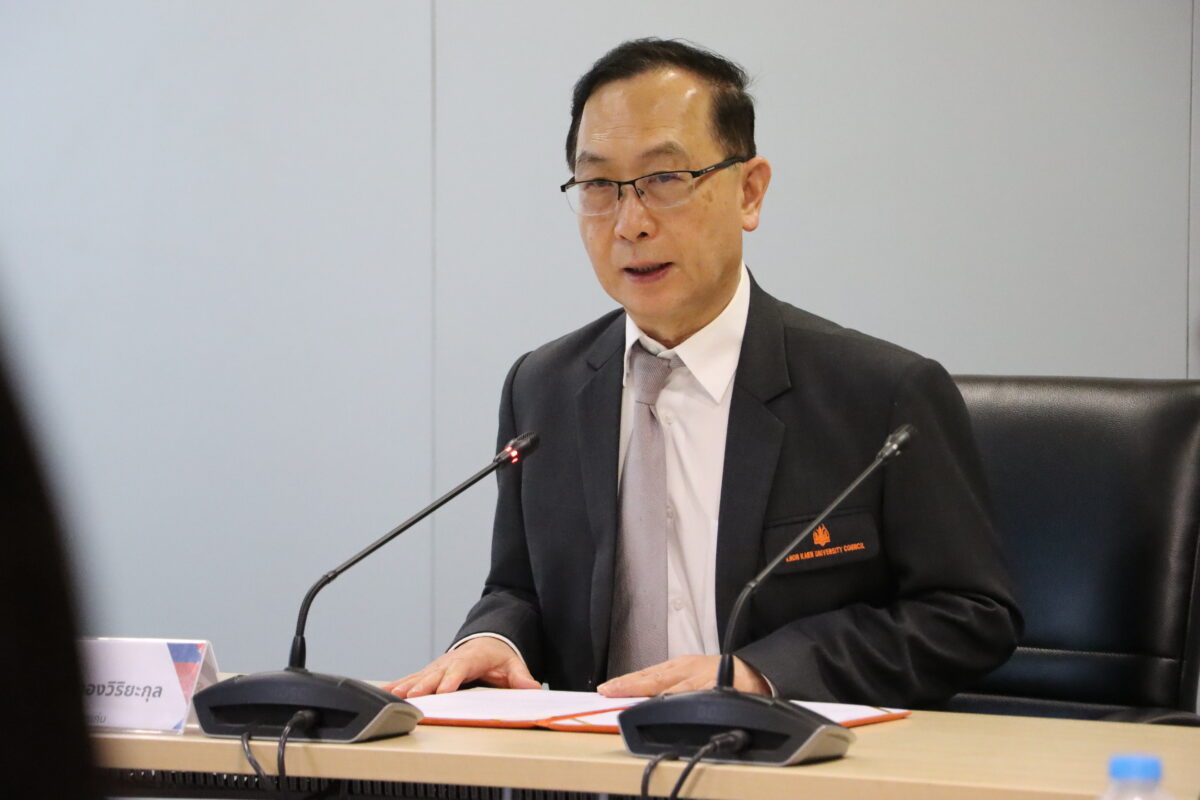
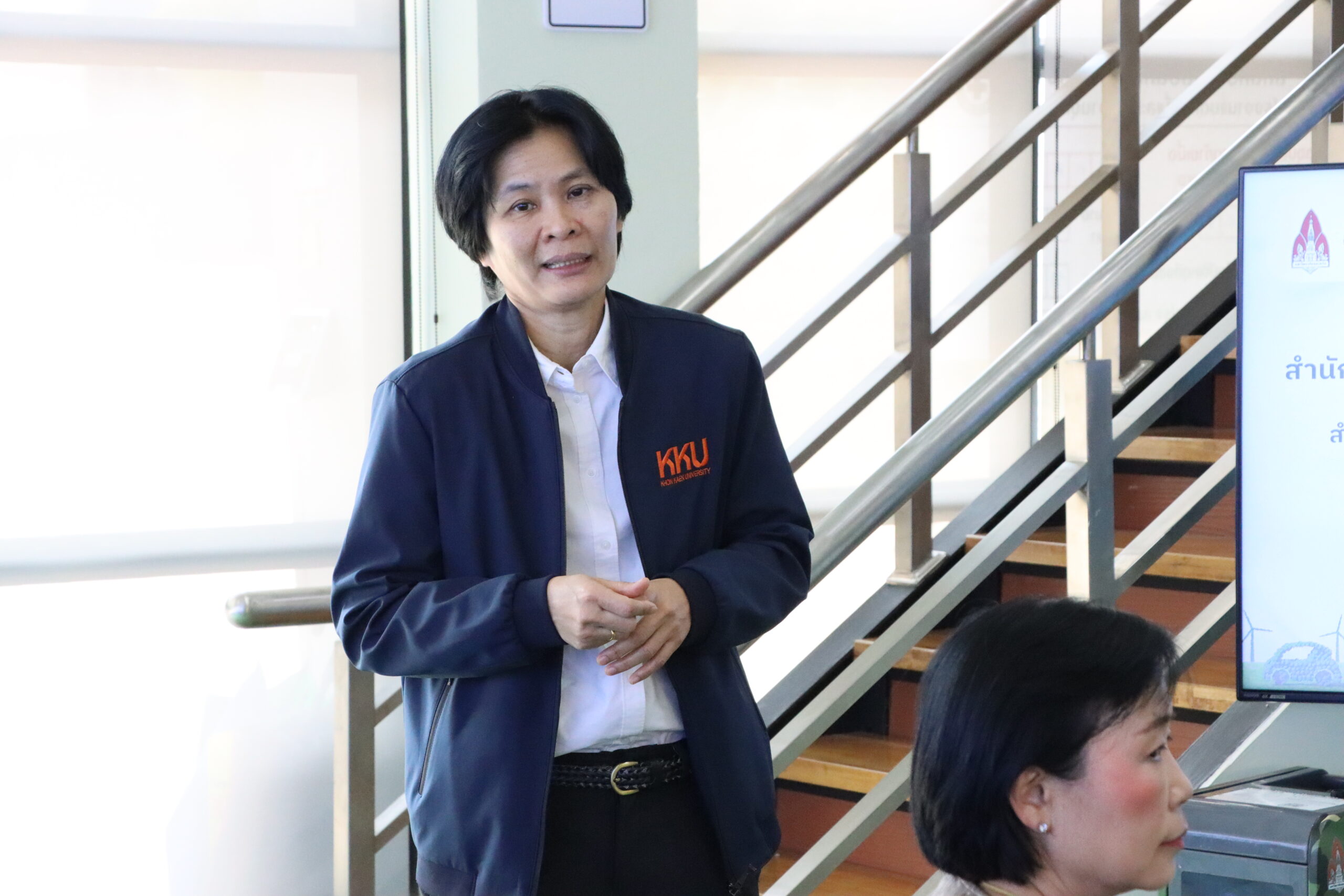
Associate Professor Charnchai Panthongviriyakul stated that the University is committed to becoming a “world-leading research university,” with a particular focus on health, agriculture, food, energy, and the environment. This commitment extends beyond academic excellence to prioritising research that creates a tangible and sustainable impact on the development of Northeastern Thailand and the nation.
“The Fundamental Fund has been transformed into real, tangible innovations through numerous outstanding projects. These include the establishment of the AI in Healthcare unit and the KKU Academy, both of which are strategic initiatives leveraging our strong international network of academics to generate income and expand global collaborations. In the agriculture and food sector, the University has developed a Food Pilot Plant, which is being adapted into a shared space for startups to test and refine their innovations before entering the market, significantly mitigating investment risks,” the President remarked.
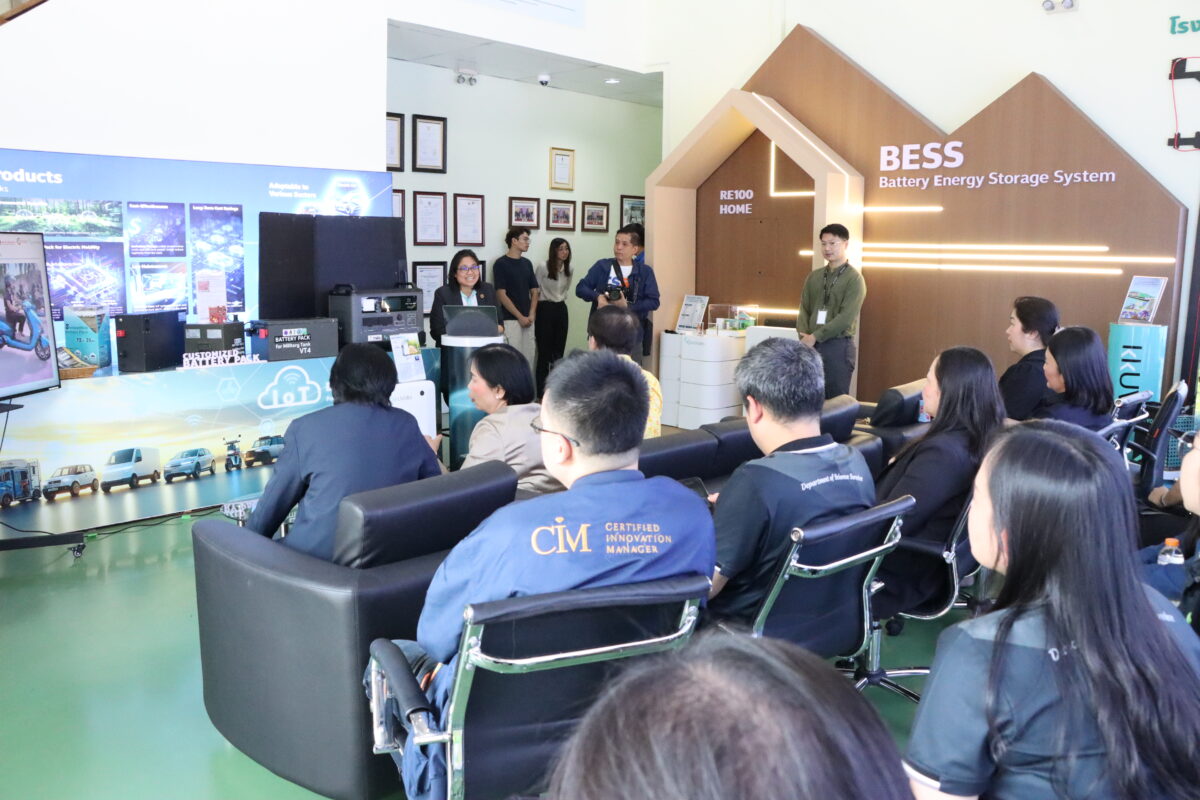
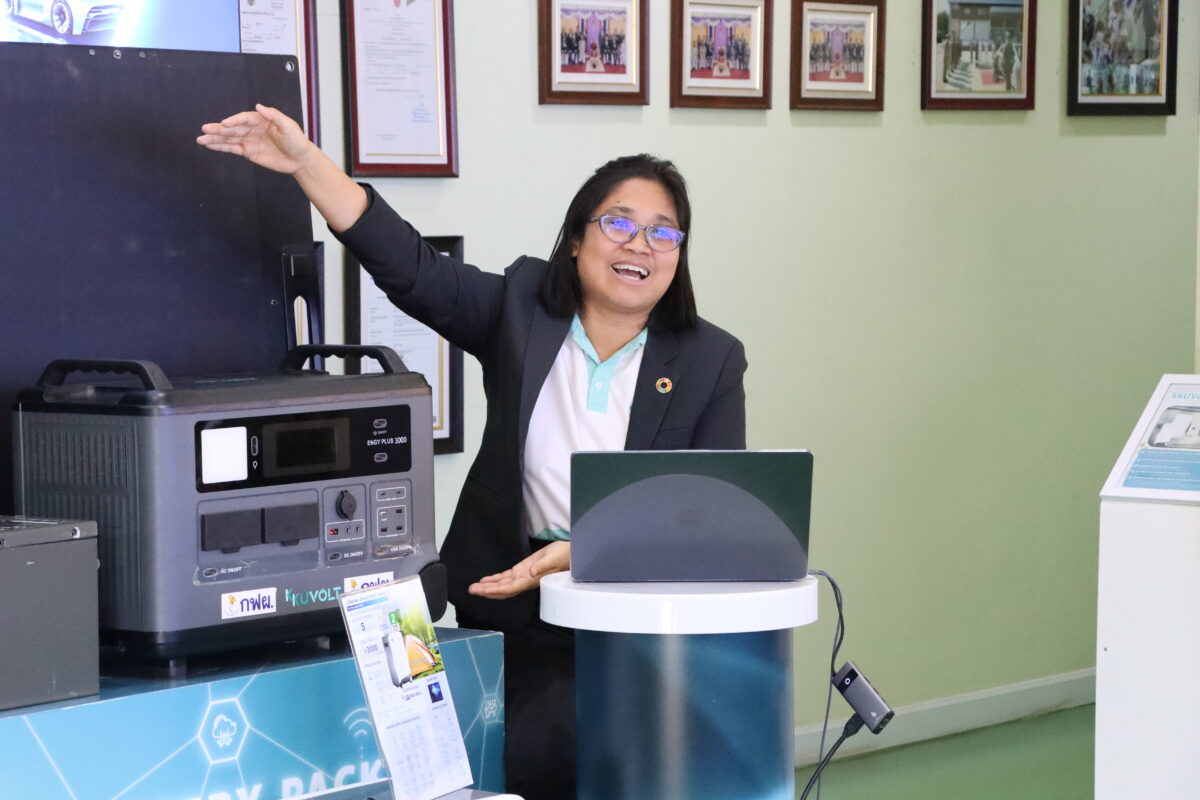
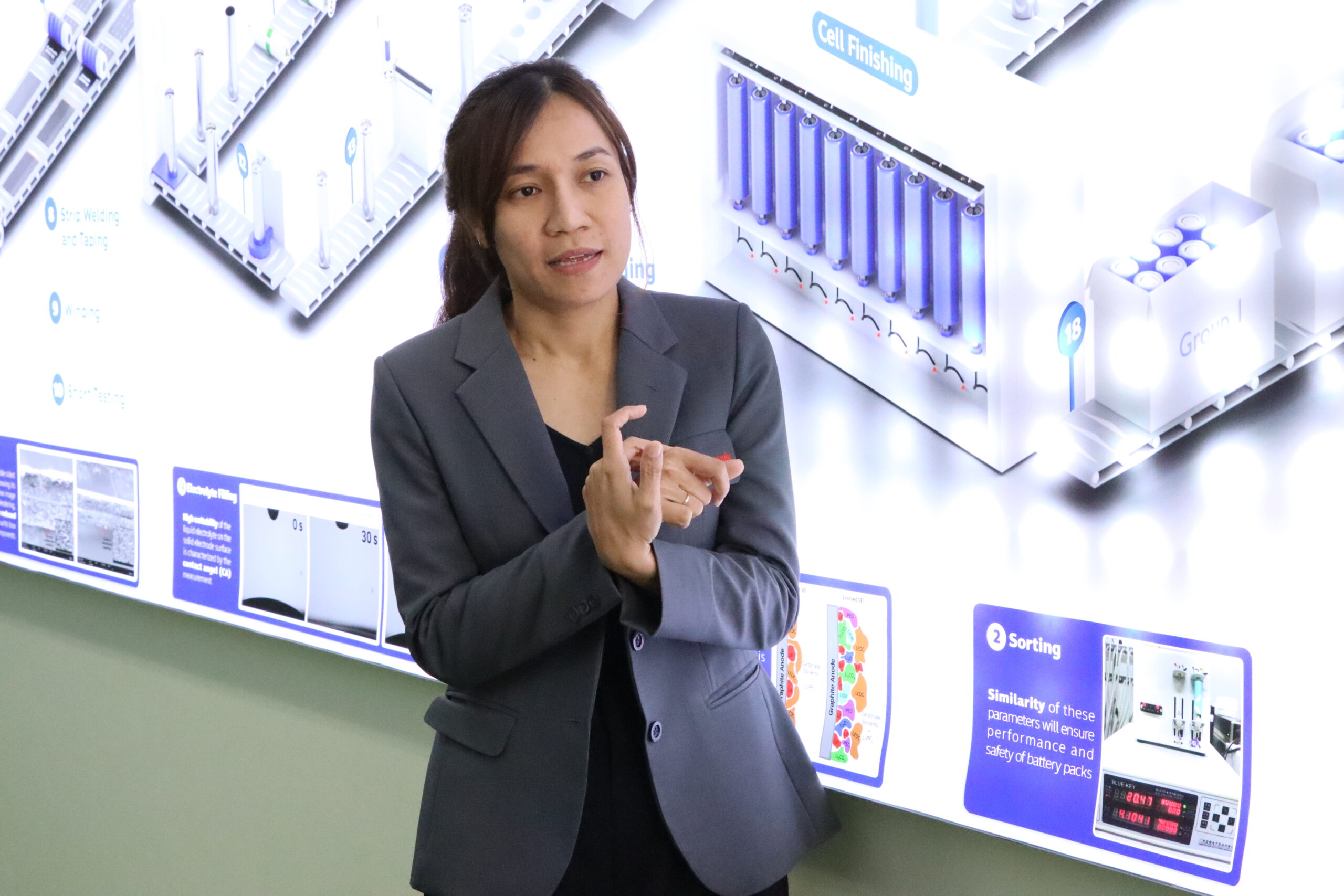
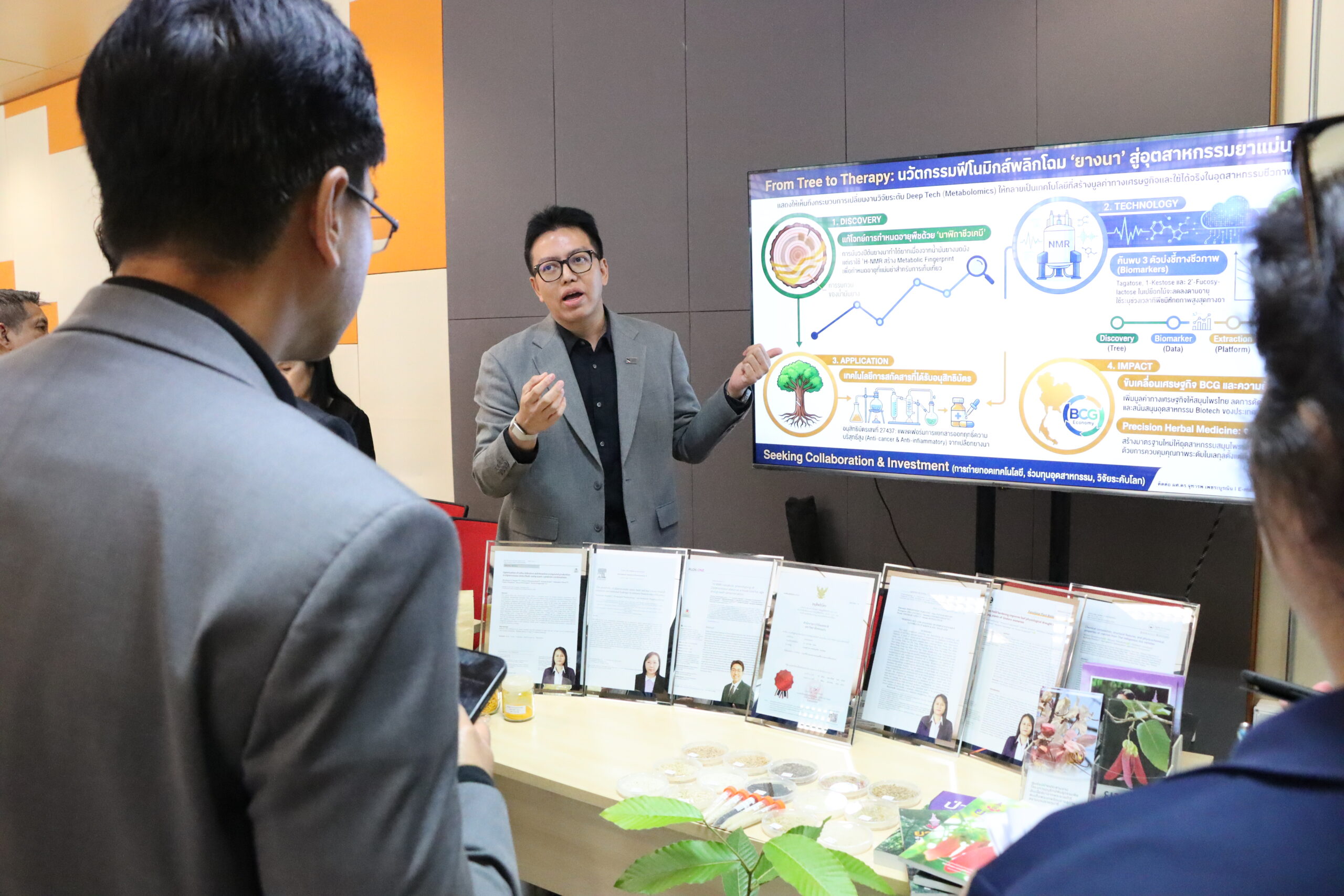
“In the energy sector, KKU’s battery factory has successfully developed a Sodium-ion Battery and is currently scaling up production to 2.5 megawatts (MW). We are ready to partner with the private sector to enhance the competitiveness of Thai innovation in the global market. Another notable achievement is the innovation for extracting diesel and petrol from Para rubber and Dipterocarpus alatus trees, which offers a critical solution during energy crises without disrupting the food chain. All these accomplishments reflect the University’s dedication to moving research ‘from the shelf to the storefront’ and delivering concrete value to the community.”
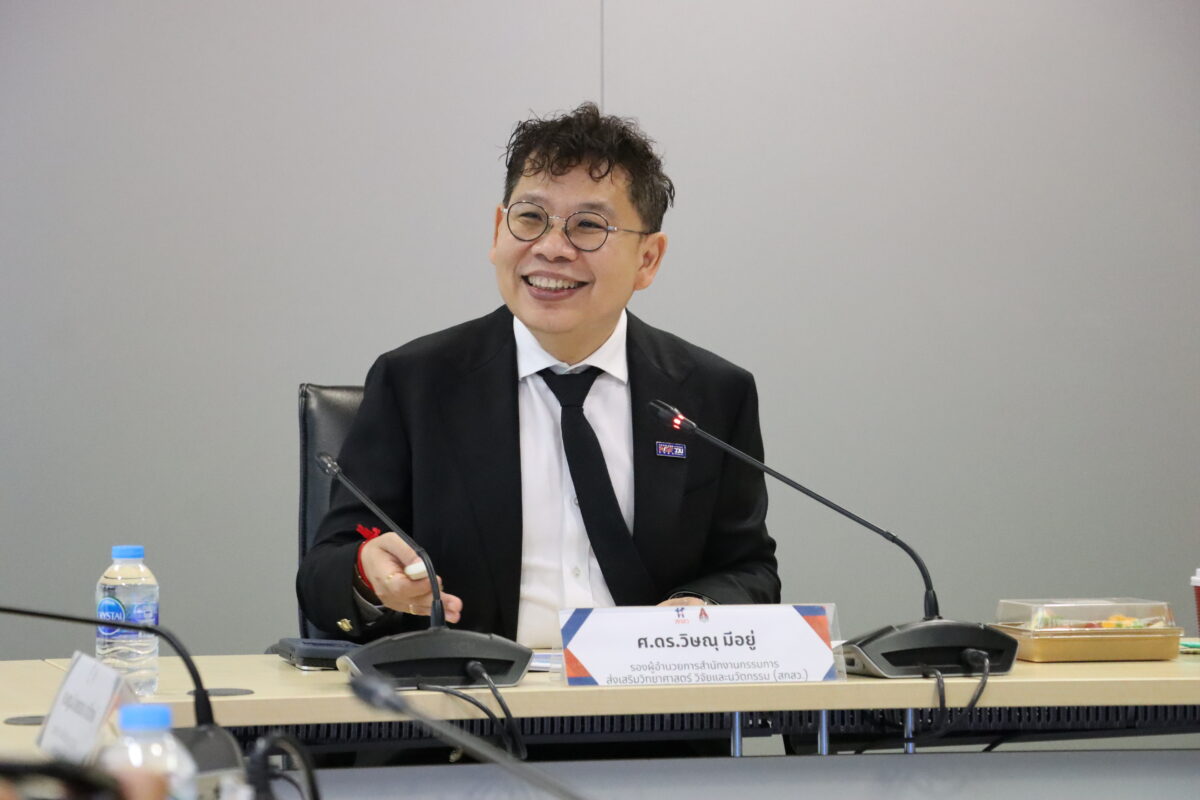
Professor Dr. Wisanu Mee-yoo, Deputy Director of TSRI, explained that for Research Utilisation (RU), FF-funded projects should no longer take up to ten years to mature. Instead, they should aim for market entry within five years to enhance competitiveness. As the agency responsible for policy implementation and budget allocation through the Thailand Science Research and Innovation Fund (TSRI Fund), also known as RISE UP, TSRI is prepared to act as a system integrator, connecting researchers with regulatory standards. This involves engaging agencies like DSS and the FDA to help resolve pain points, ensuring that research can be successfully commercialised and adopted by SMEs.
Professor Dr. Wisanu also introduced the TSRI Director’s “SRI for All” concept, which is driven by the SEAL strategy: Seamless Synergy, an Intelligence System for project monitoring, Leap Technology Investment to drive the new economy, and Knowledge Governance through an Open Science platform. This framework aims to ensure that both FF and Strategic Fund (SF) budgets effectively advance research toward impactful RU.
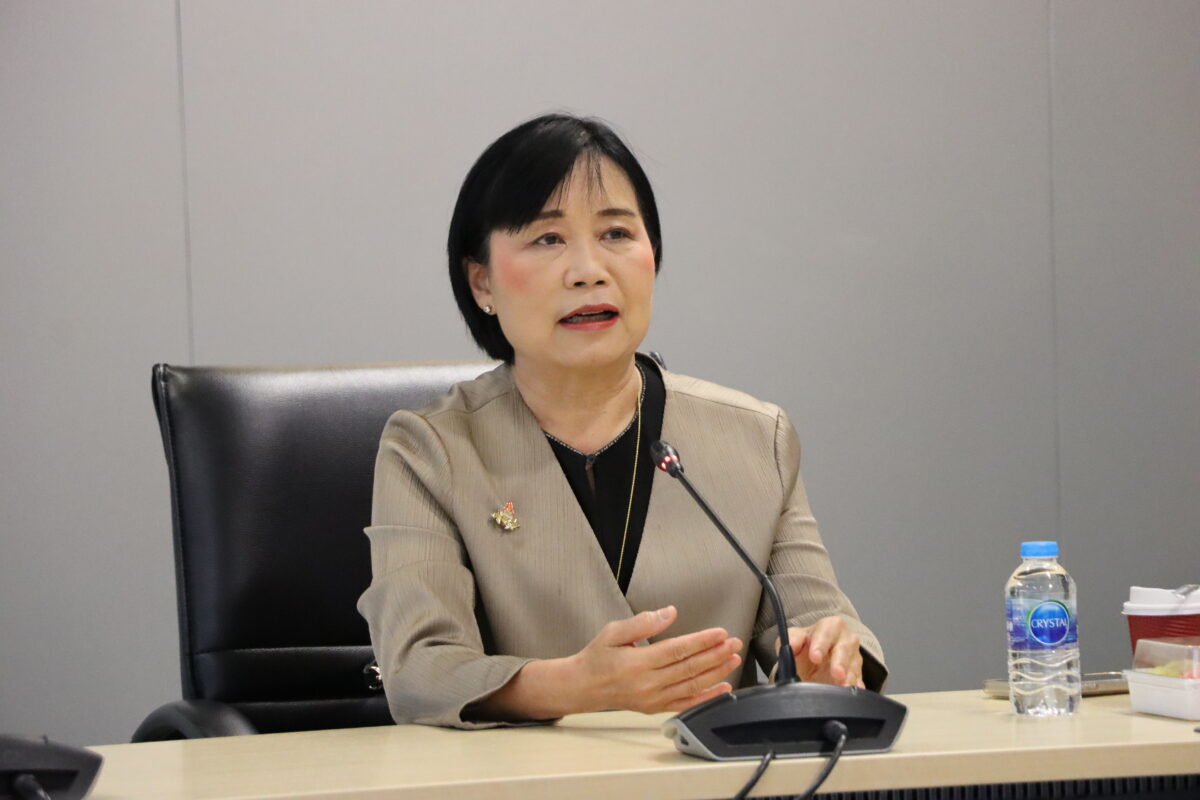
The agenda continued with an overview of KKU’s budget allocation from the national research and innovation fund, covering FF, SF, ST, and RU projects. This was presented by Professor Pewpan Maleewong, M.D., Vice President for Research and Innovation. Following the presentation, TSRI and KKU executives engaged in a strategic discussion on managing the Fundamental Fund to ensure research utilisation generates a tangible, widespread impact on the regional economy.
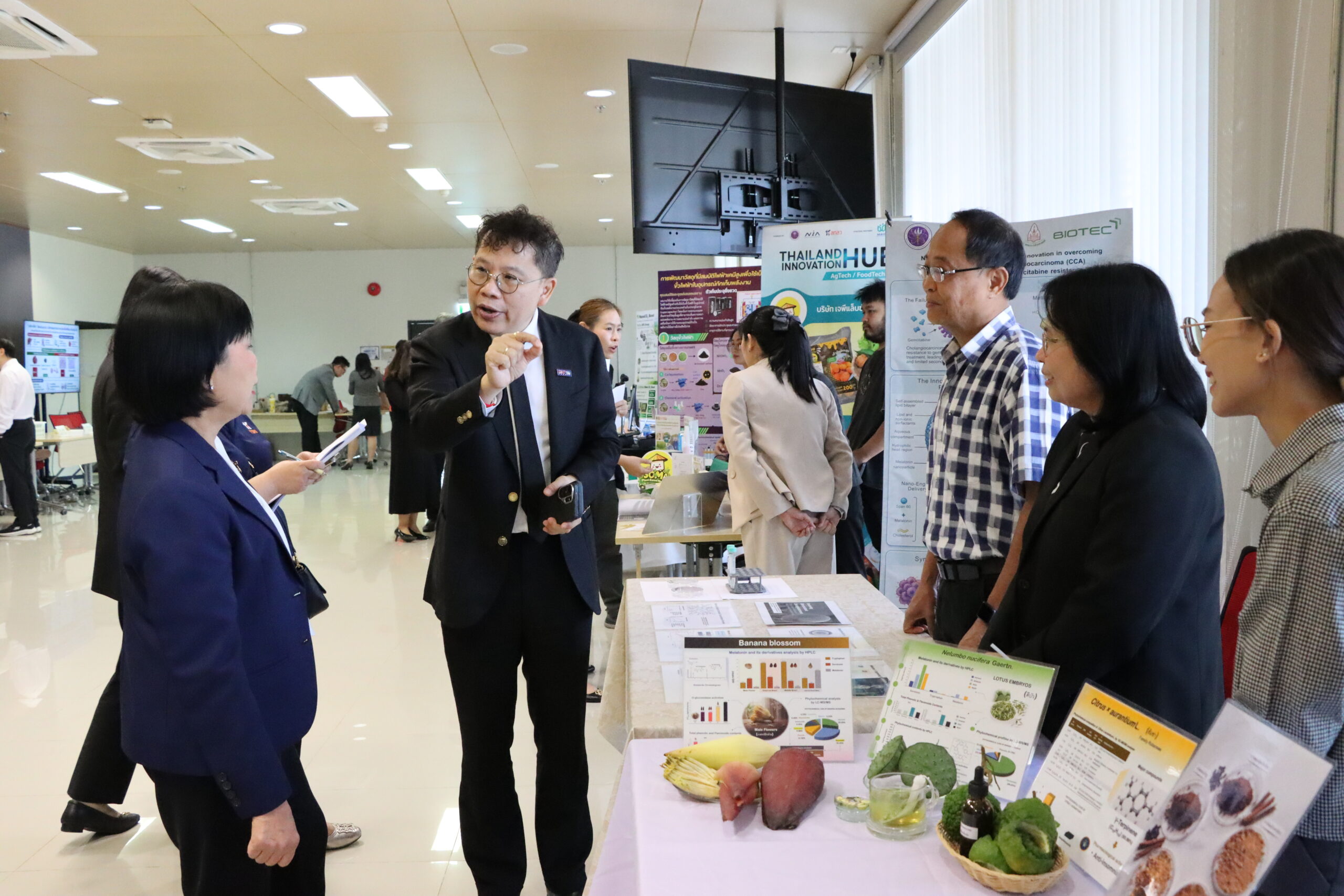
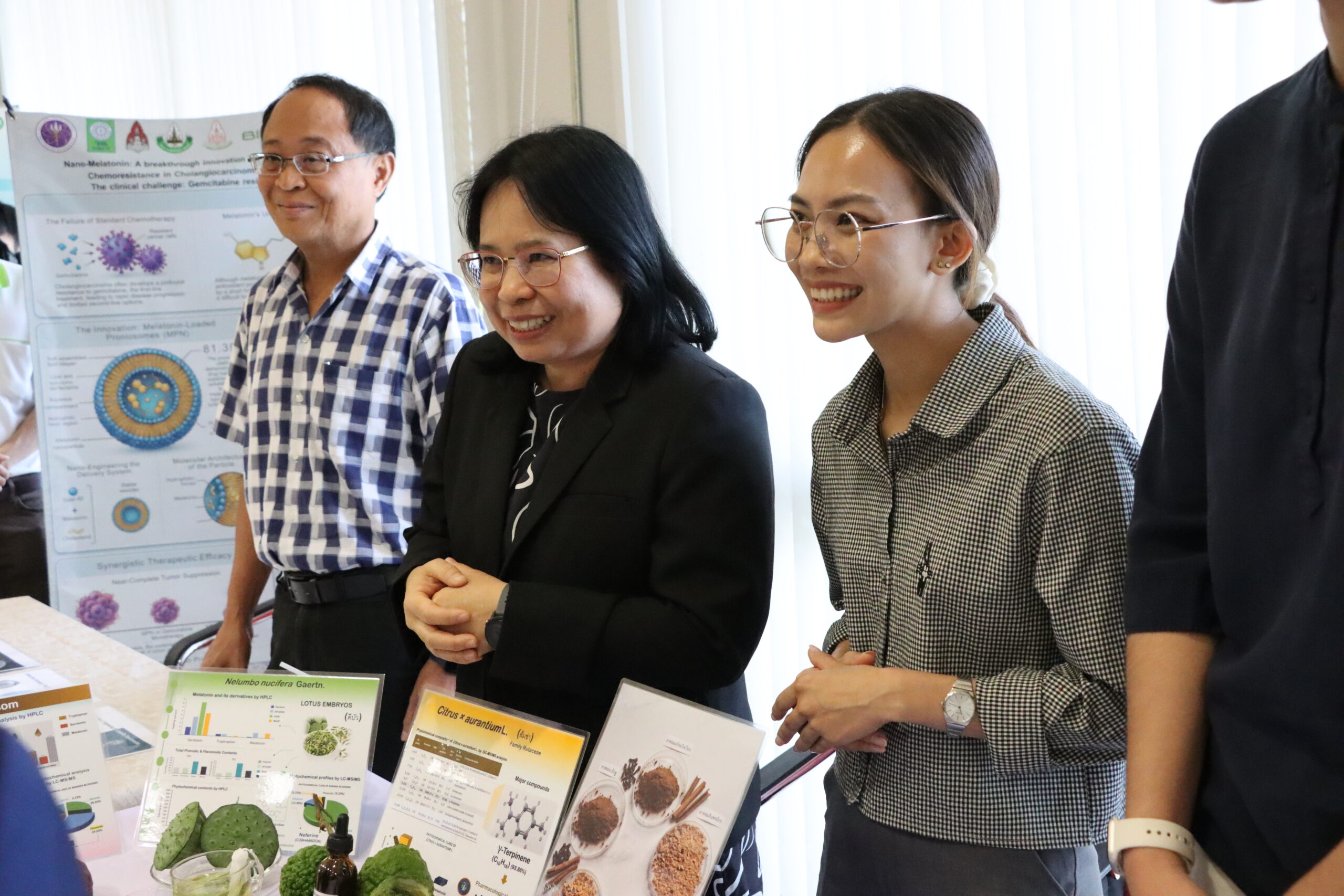
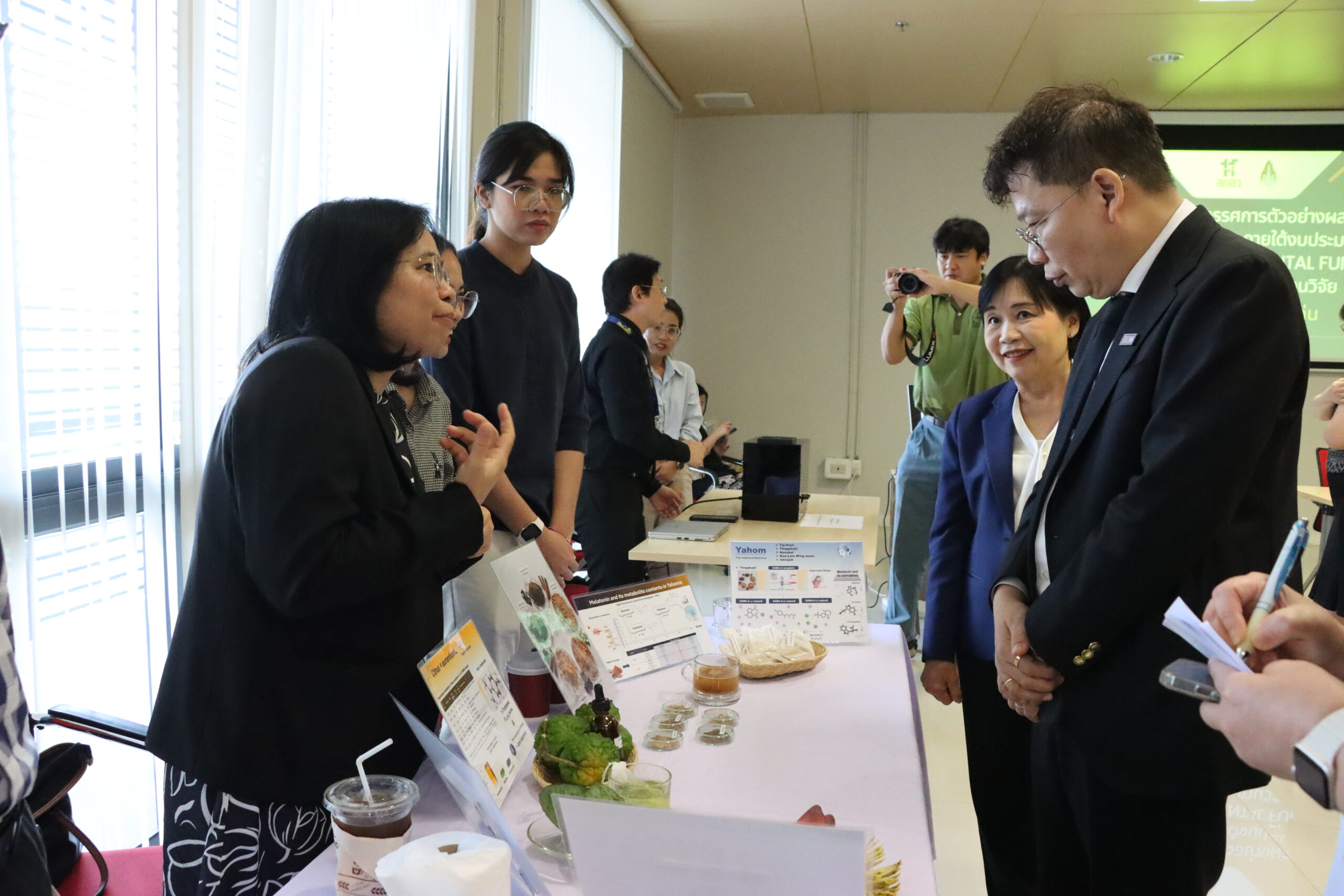
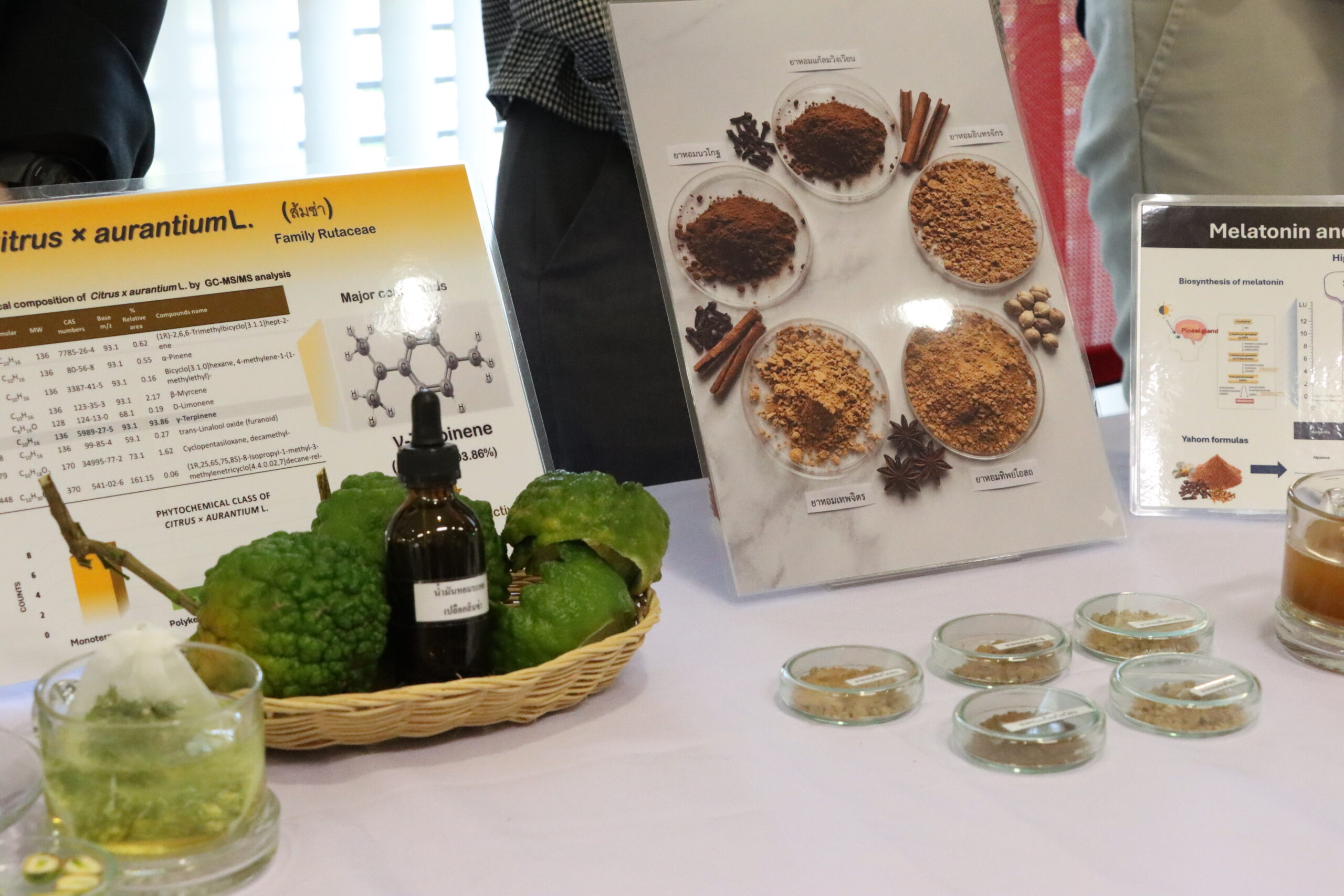
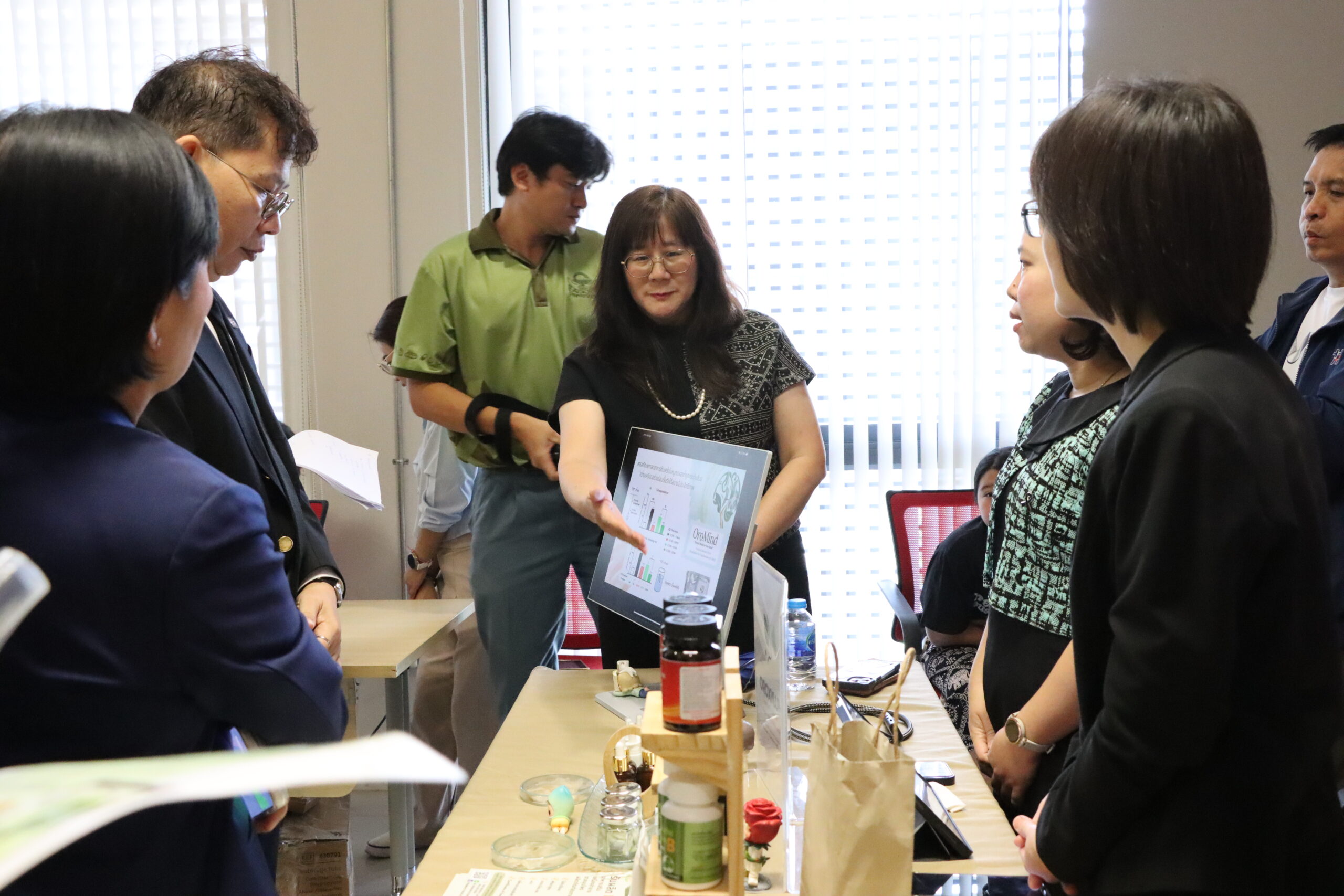
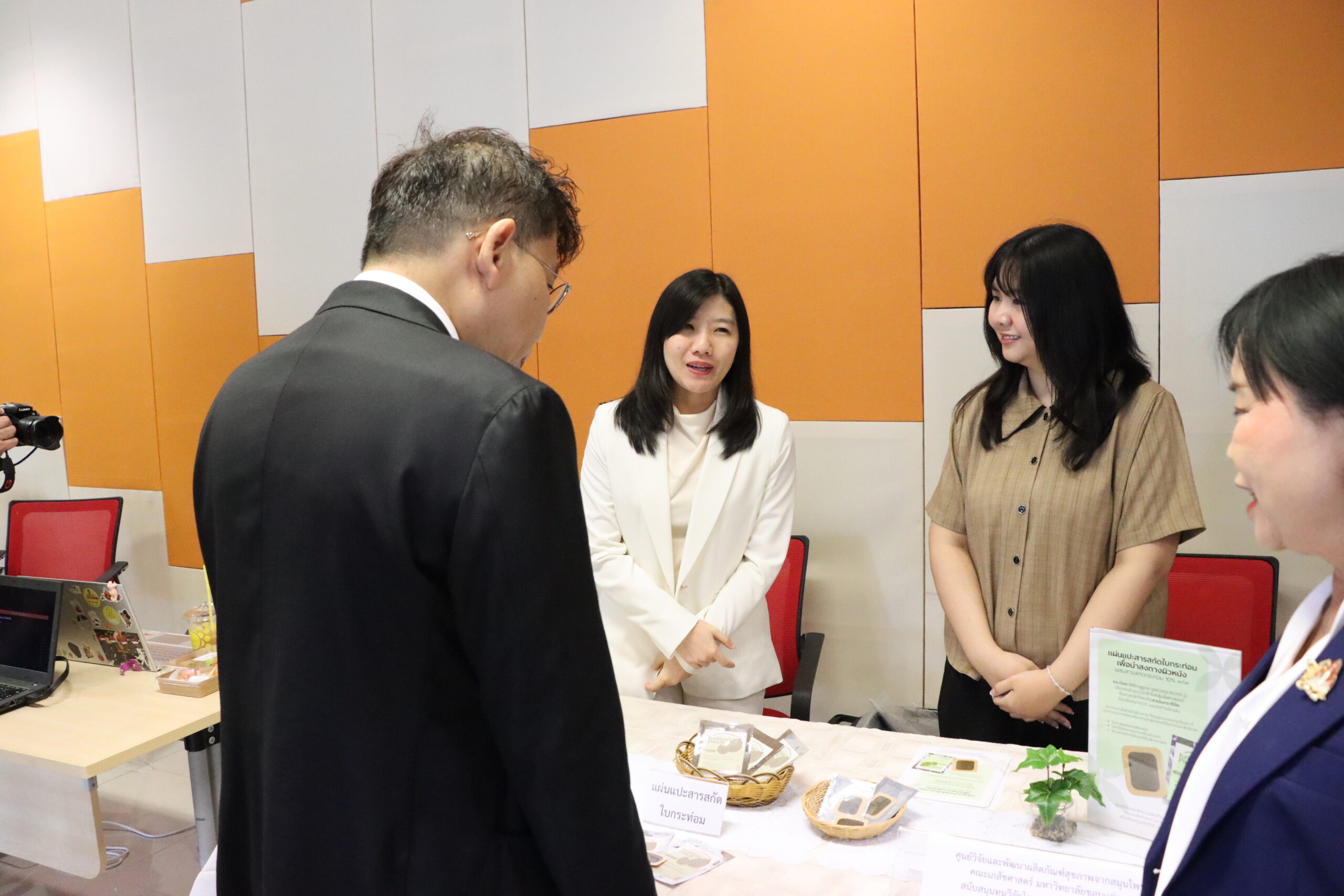
The visit also featured an exhibition of outstanding research and innovations supported by the Fundamental Fund, all of which are ready for practical application. Highlights included:
- Agriculture and Food: The Plant Genetic Conservation Project, a model for sustainable consumption and production, and crispy vegetable sheets enriched with cricket protein.
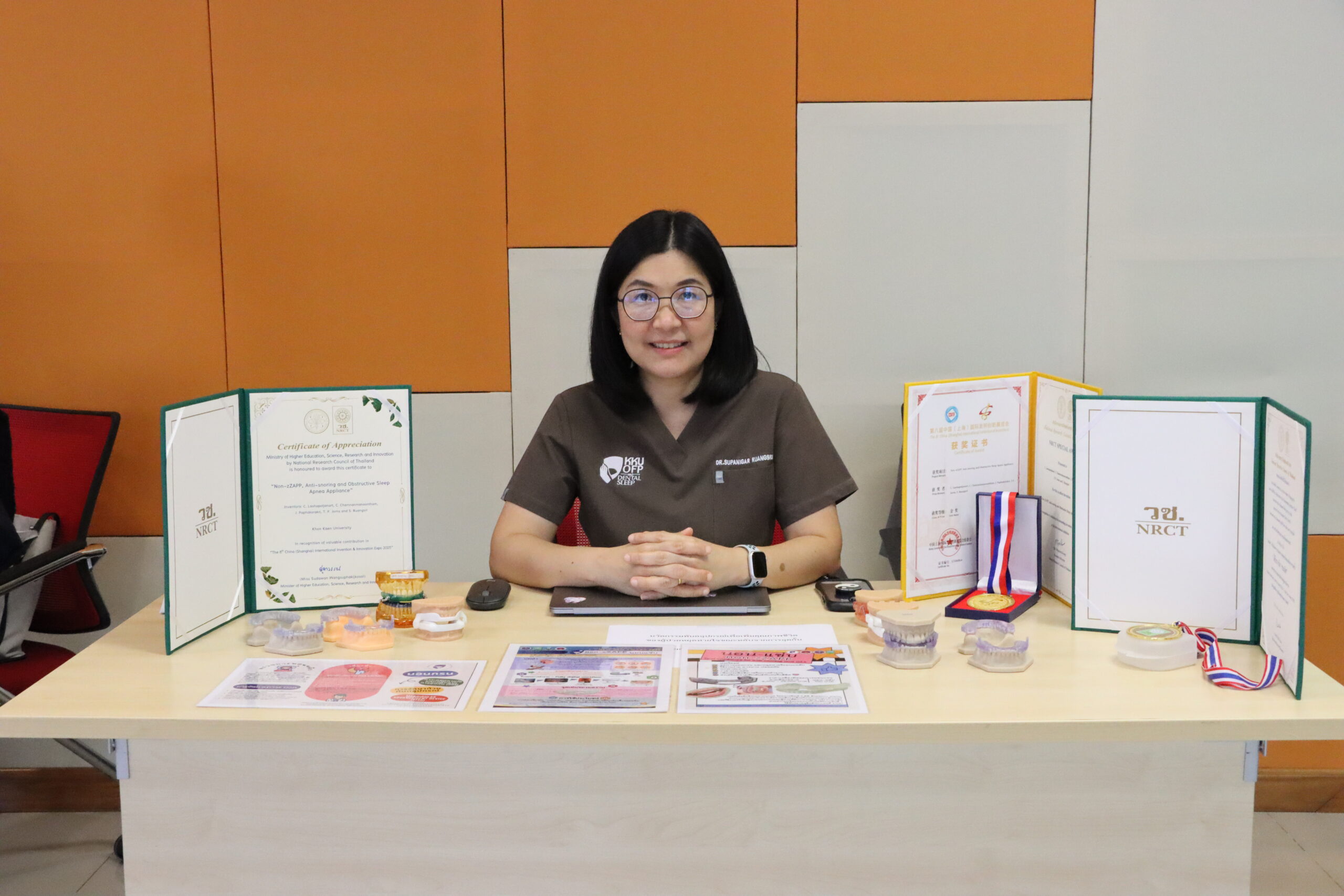
- Health and Wellness: A dental device for patients with sleep apnoea, an antimicrobial turmeric gel for gum disease, a high-precision emergency medical system, a Mitragyna speciosa (kratom) leaf extract patch, plant-based brain-boosting nuggets (SOMA), an AI for diagnosing spinal tuberculosis, probiotic-fortified plant-based milk, a nasal spray with Oroxylum indicum extract, and nano-melatonin for treating cholangiocarcinoma.
- Energy and Environment: An AI platform for ionospheric forecasting, advanced electrochemical materials for battery electrodes, KKU’s digital carbon credit platform, and NanoCO2 Boost fertiliser to enhance agricultural yields.
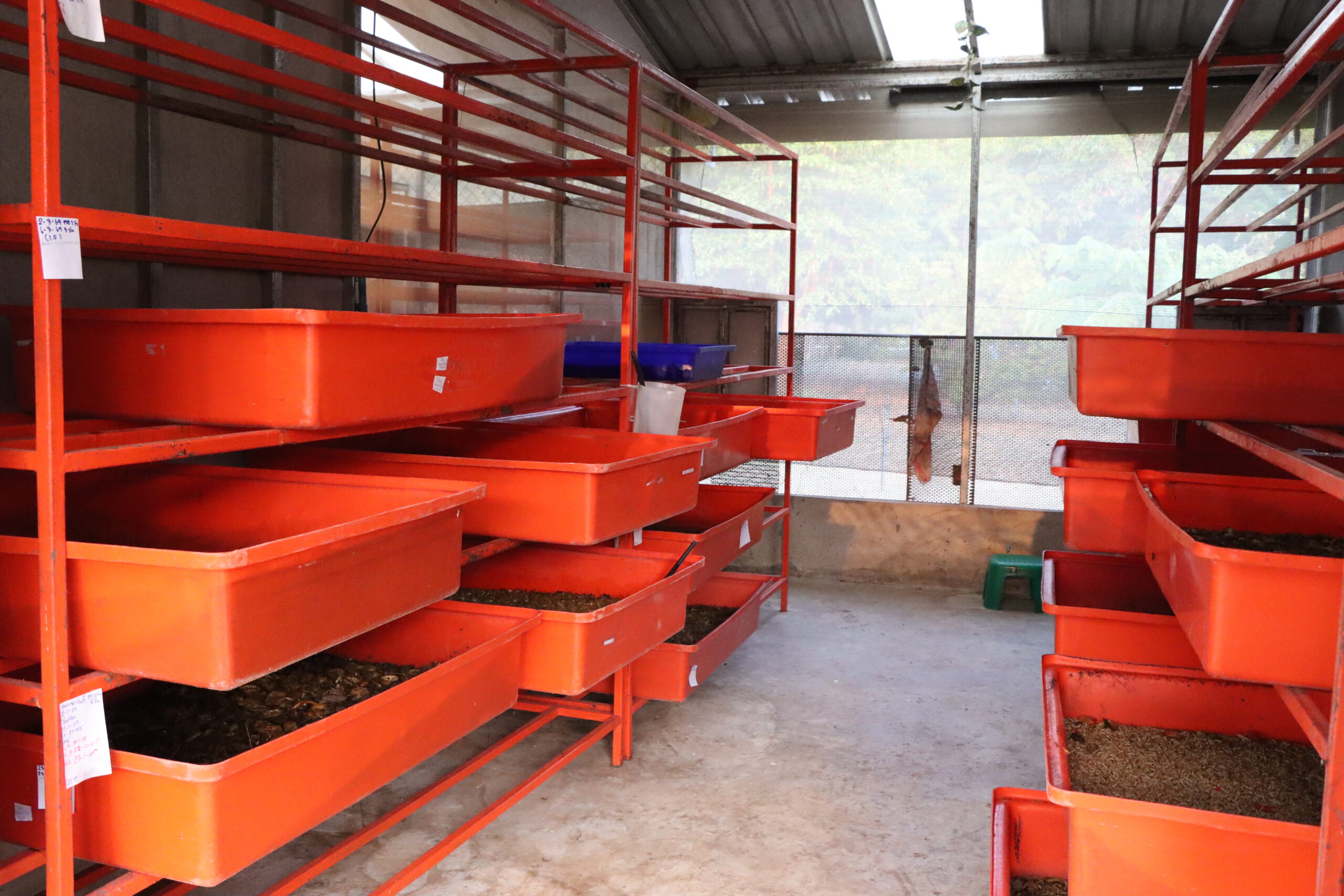
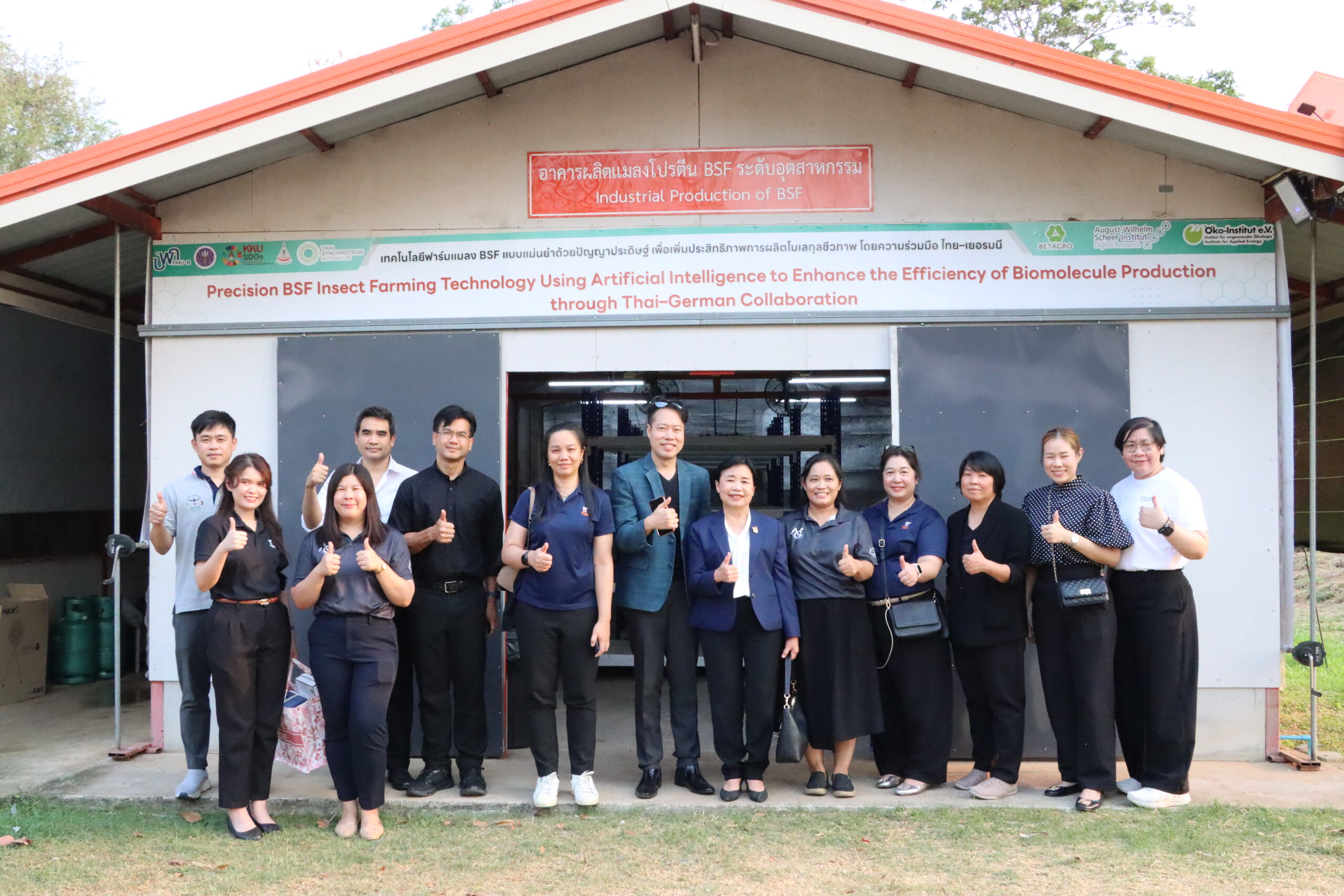
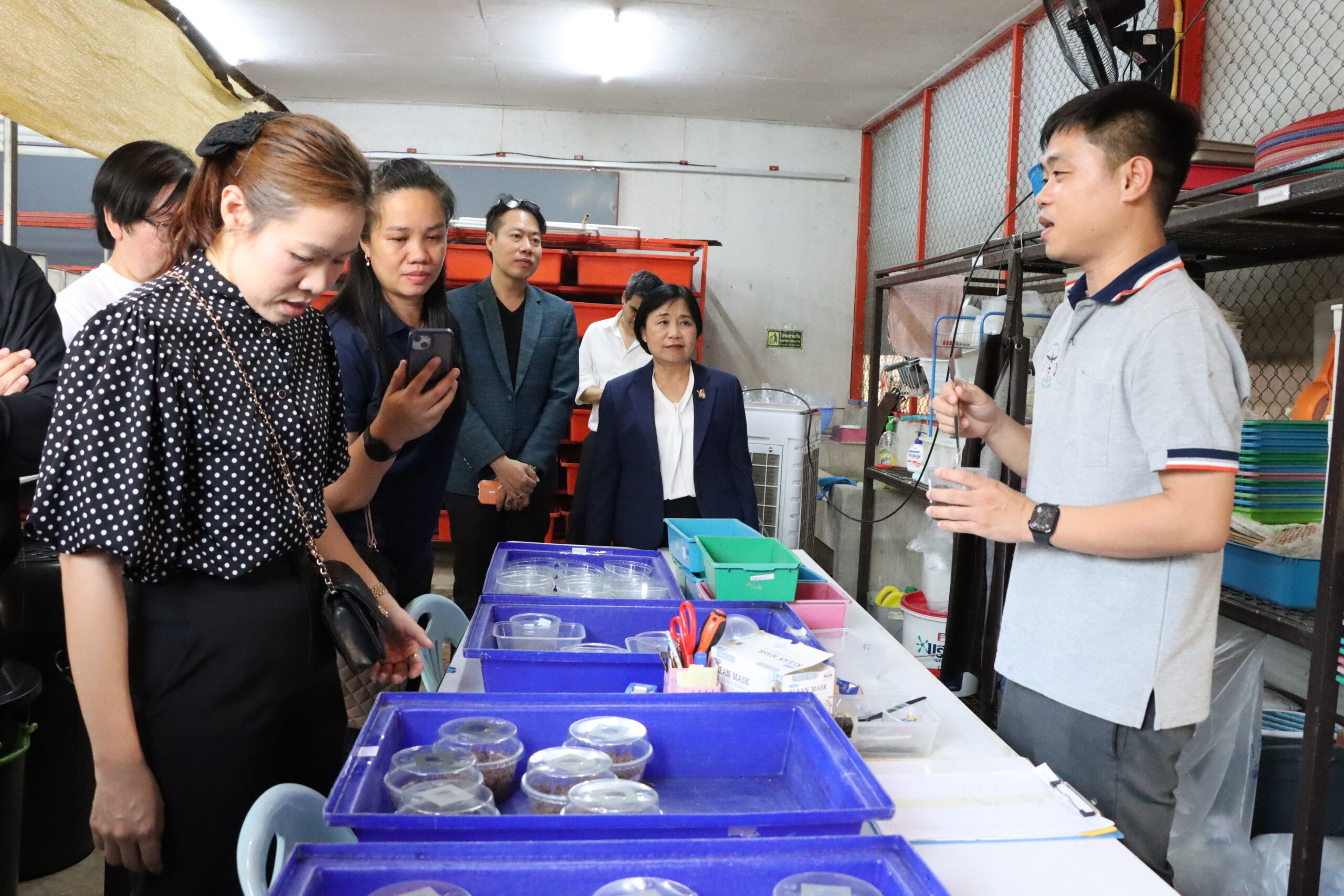
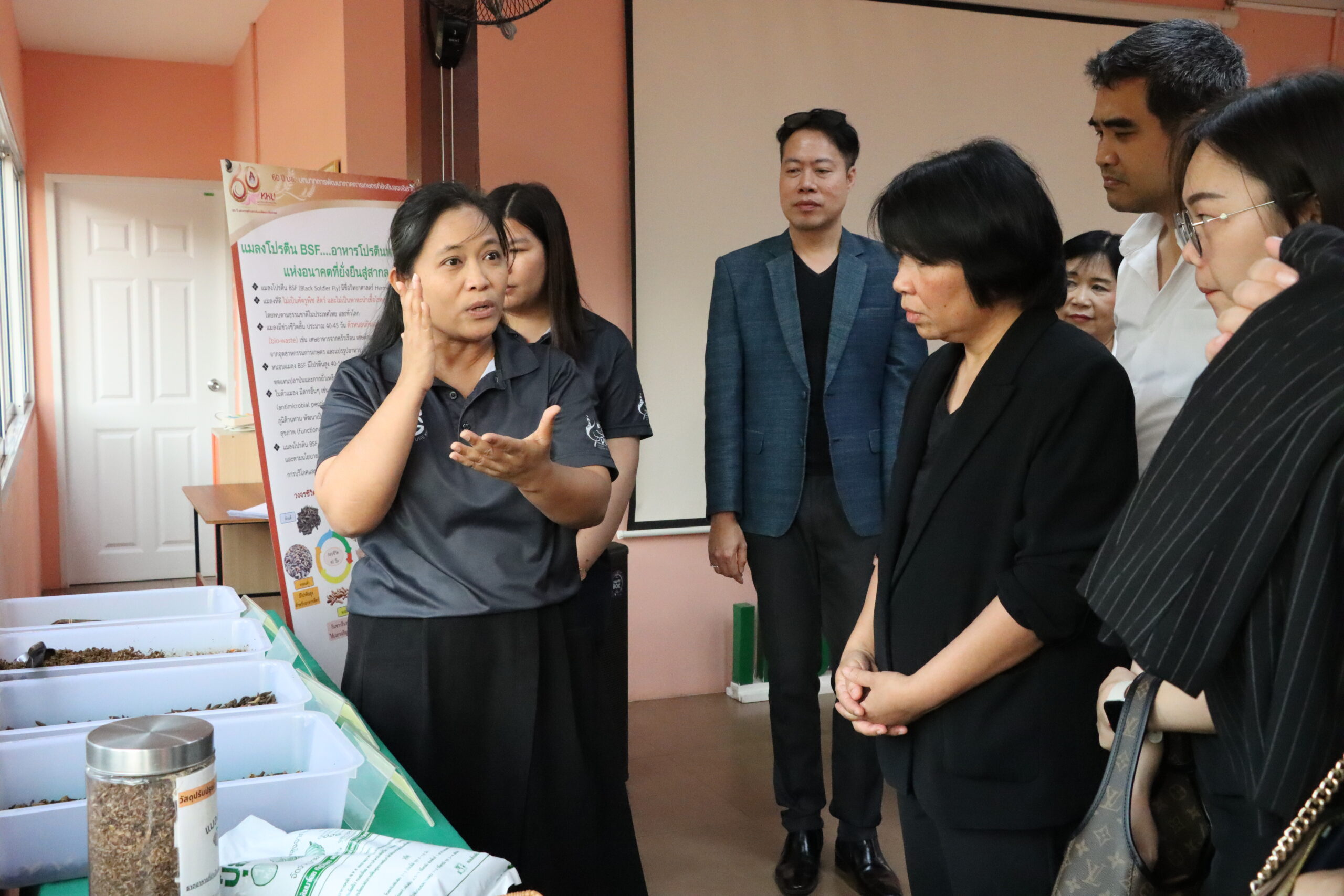
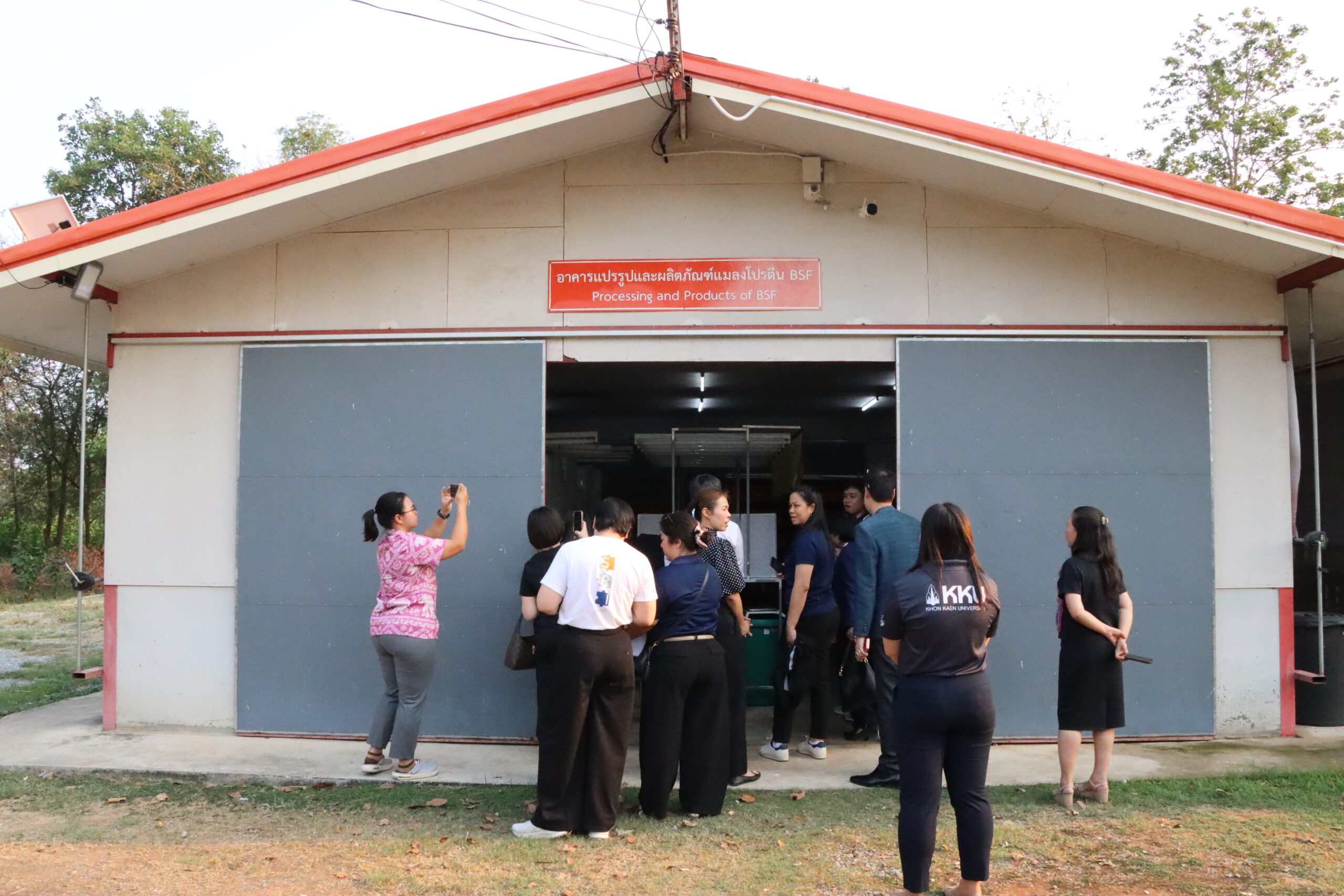
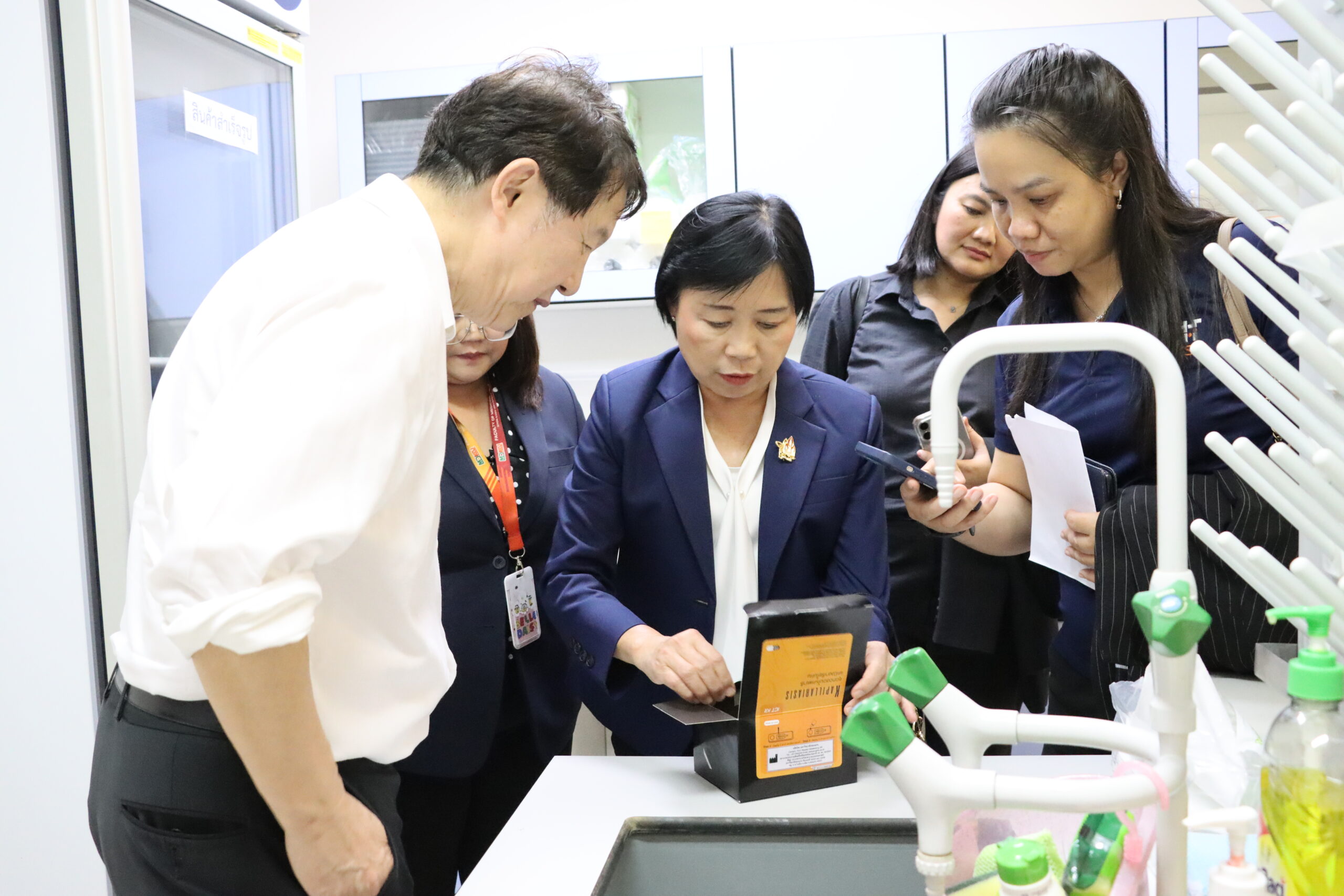
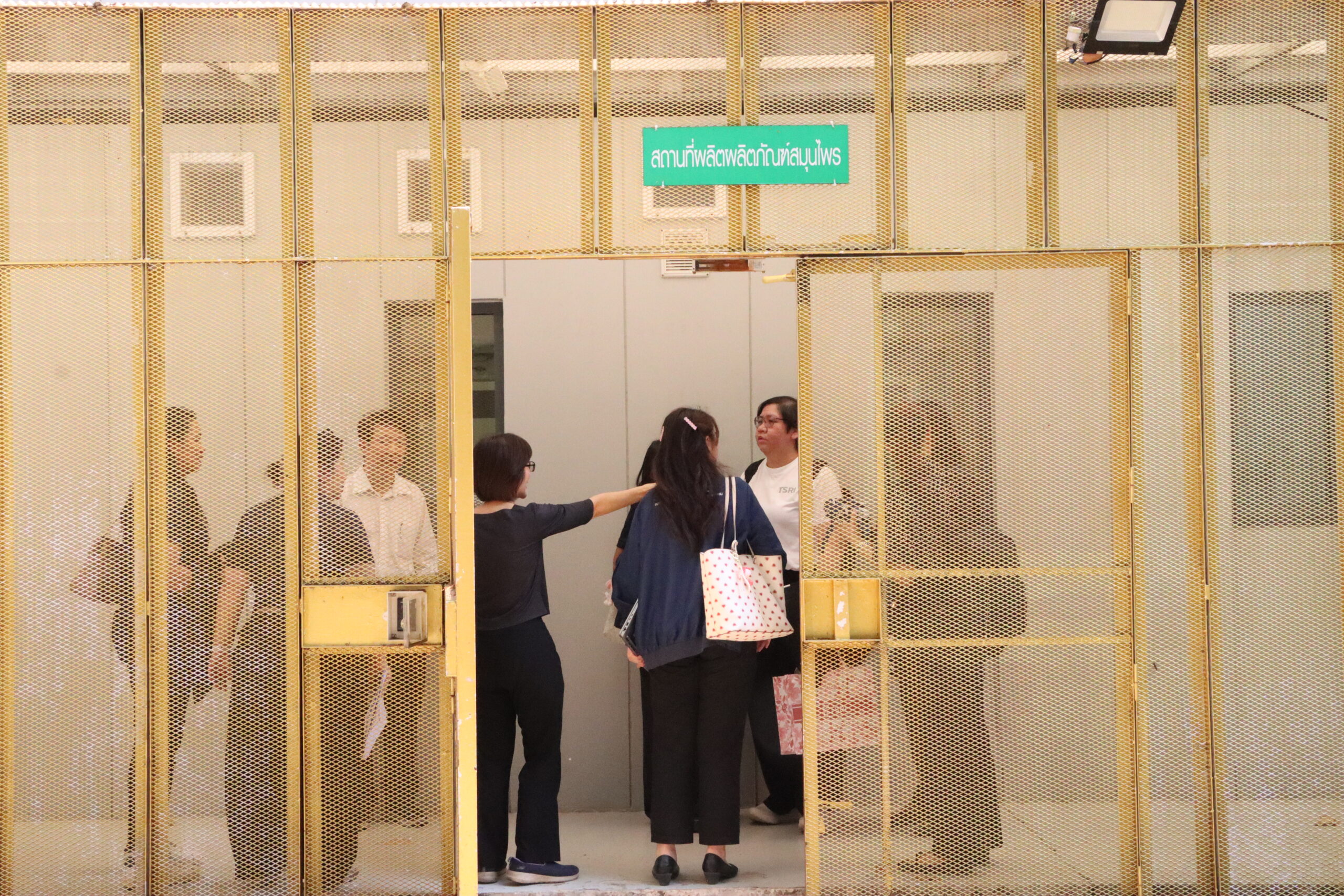
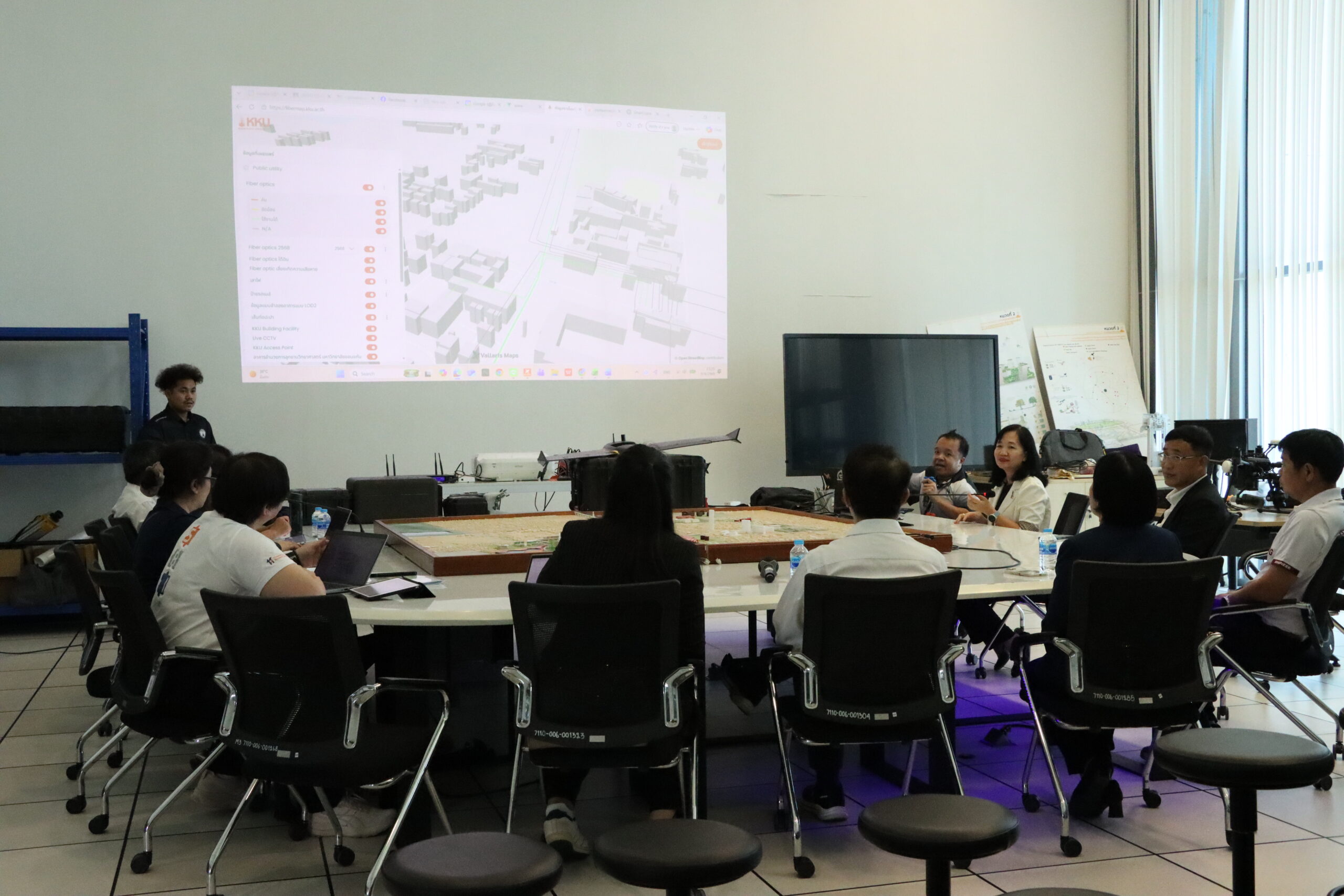
In the afternoon, the executive team visited key strategic units and infrastructure, including the Smart City Operation Centre (SCOPC), the National Phenome Centre, the Pharmaceutical Manufacturing Plant at the Faculty of Pharmaceutical Sciences, the Mekong Health Science Research Institute, and the BSF insect research and production model house.
On 10 April 2026, the delegation visited the KKU Science Park to review its operational performance. This was followed by site studies at the Battery and New Energy Factory, the Food Pilot Plant, and the Bio-Hytane Pilot Plant. The visit concluded with an observation of the strategic implementation of the “Dairy Cattle Nutrition Project” at the Khon Kaen Dairy Cooperative, demonstrating how research is effectively strengthening the local community.