
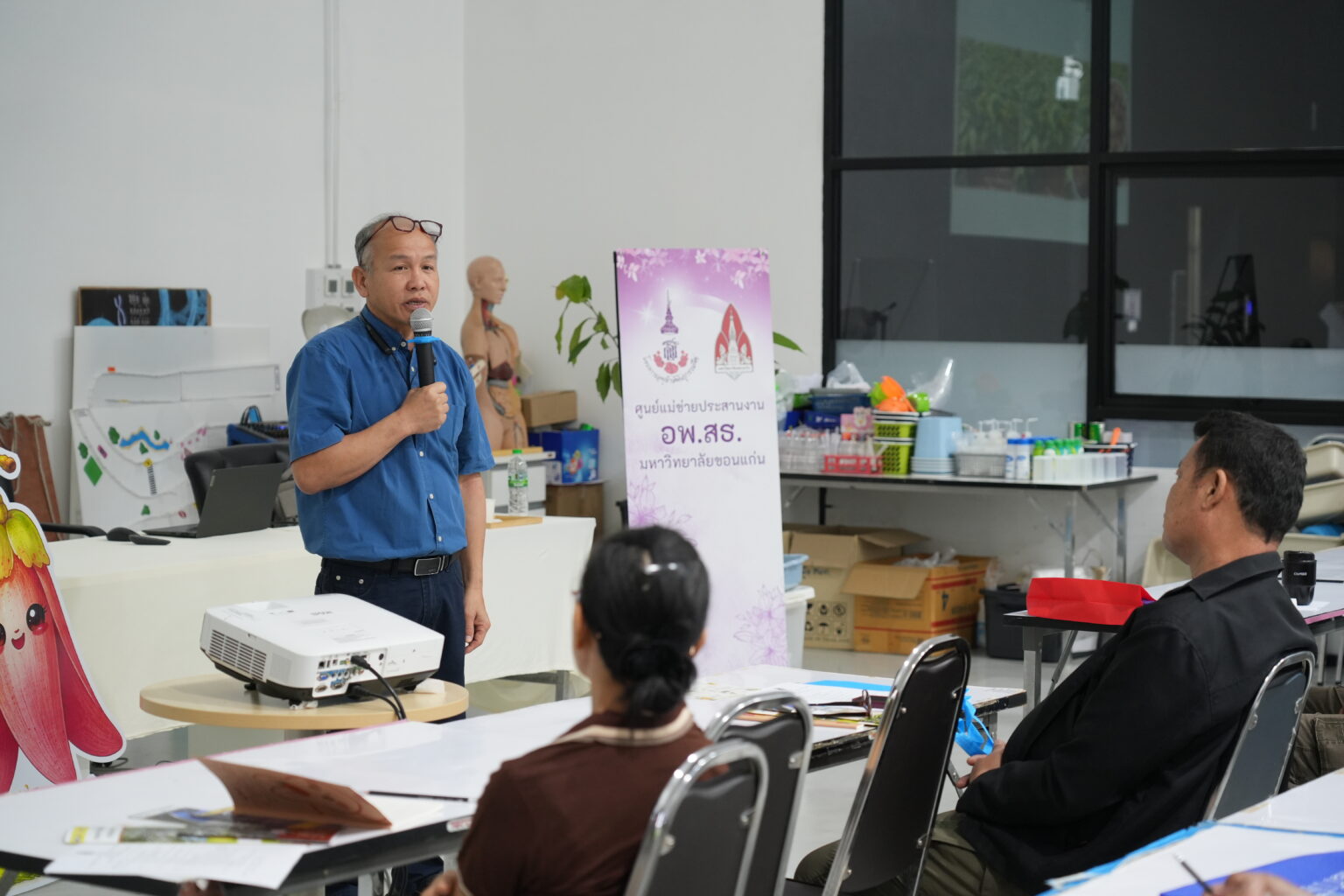
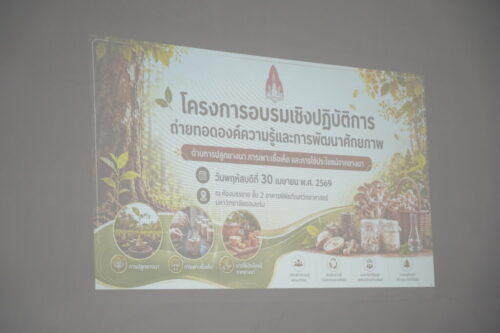
On 30 April, the university hosted a workshop titled “Knowledge Transfer and Capacity Building for Yang Na Tree Cultivation, Mushroom Inoculation, and Utilisation.” The event, organised by the university’s Royal Initiative Projects Coordination Centre, drew over 50 participants from various municipal offices, government agencies, and university departments. The goal was to empower communities with innovative ways to utilise local resources for self-reliance.
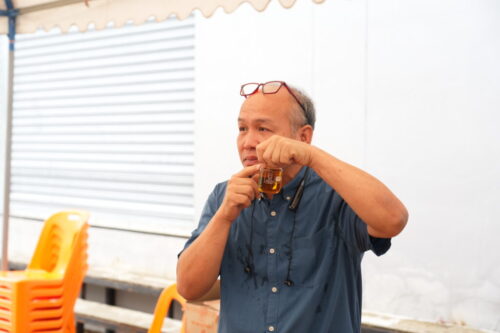
Assistant Professor Dr. Somporn Kessgaew, a researcher from the Faculty of Science’s Biochemistry department and acting deputy director of the coordination center, detailed the culmination of over 20 years of research. Inspired by the late King Bhumibol Adulyadej’s principles of pure perseverance, the project aims to establish the Yang Na tree as a comprehensive economic crop for farmers.
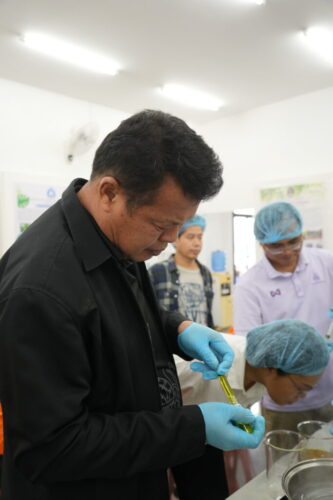
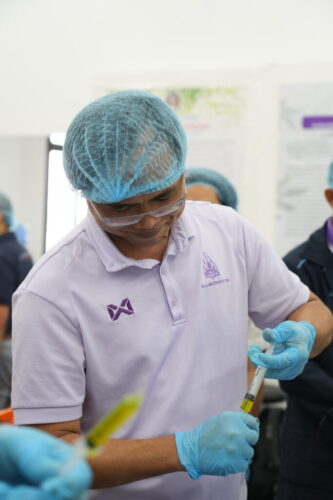
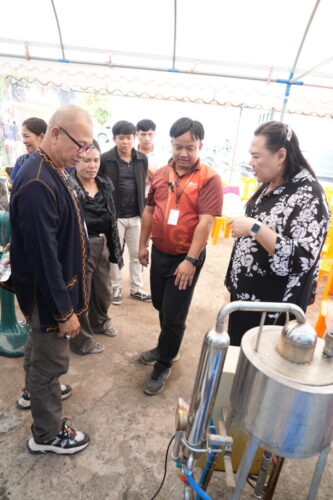
The research highlights the tree’s multifaceted potential in the energy, food, and health sectors.
In the energy sector, the research team has developed low-cost, locally maintainable distillation methods to convert Yang Na resin into diesel and petrol suitable for agricultural machinery. This innovation aims to reduce local reliance on imported fuel.
For food production, researchers have developed techniques to stimulate the growth of wild mushrooms in Yang Na groves within two to three years. This is achieved through ecological management, such as preserving topsoil with organic matter and using the antibacterial properties of dried Yang Na leaves to foster fungal growth, creating a sustainable agroforestry system.
In the health and cosmetics field, the team discovered that extracts from the tree’s leaves and bark contain a high concentration (26%) of gallic acid, a powerful antioxidant. This has led to the development of an innovative wound-healing agent for bedridden patients and diabetic ulcers, which helps wounds dry faster and reduces inflammation. The extracts are also being used to produce soaps, toothpaste, and skincare serums.
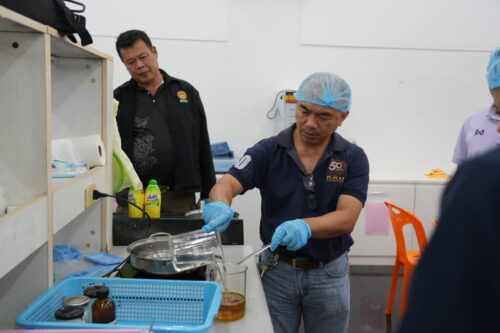
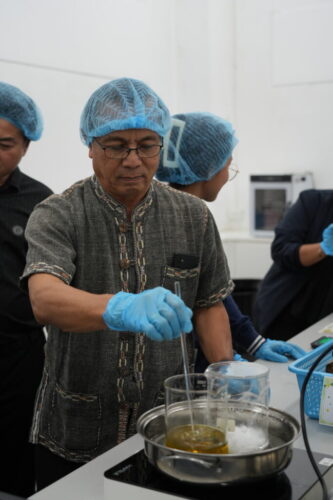
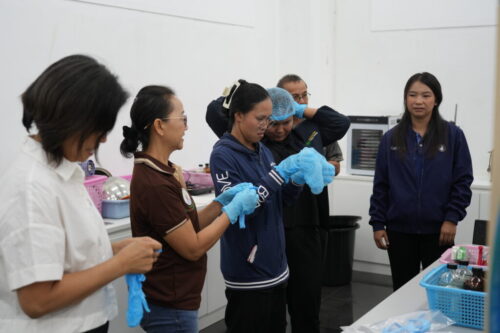
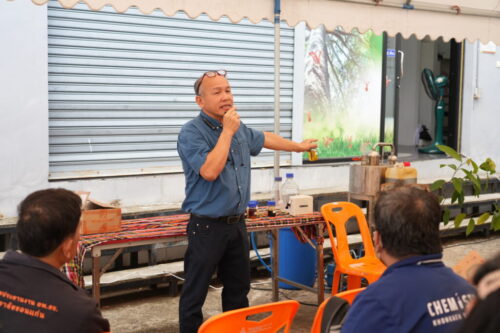
The workshop included practical sessions where attendees learned how to extract resin for fuel, inoculate Yang Na trees for mushroom cultivation, and process extracts into value-added health products. Experts from the Khon Kaen Provincial Nursery Station also provided training on seedling cultivation techniques.
The initiative underscores the university’s commitment to using scientific research and innovation to address community challenges and improve quality of life, reinforcing its role in national development. Individuals interested in the project’s innovations, including herbal products, distilled oils, or specialised bio-fertilisers, can contact the Royal Initiative Projects Coordination Centre at Khon Kaen University for more information.