The initiative aims to elevate laboratory safety protocols in alignment with the Pathogens and Animal Toxins Act.
Khon Kaen University has organised the 2026 Practical Workshop on Biosafety and Biosecurity for Biosafety Level II (BSL-II) laboratories. The initiative aims to elevate safety standards in biological research laboratories and ensure strict compliance with the statutory regulations of the Pathogens and Animal Toxins Act C.E. 2015.
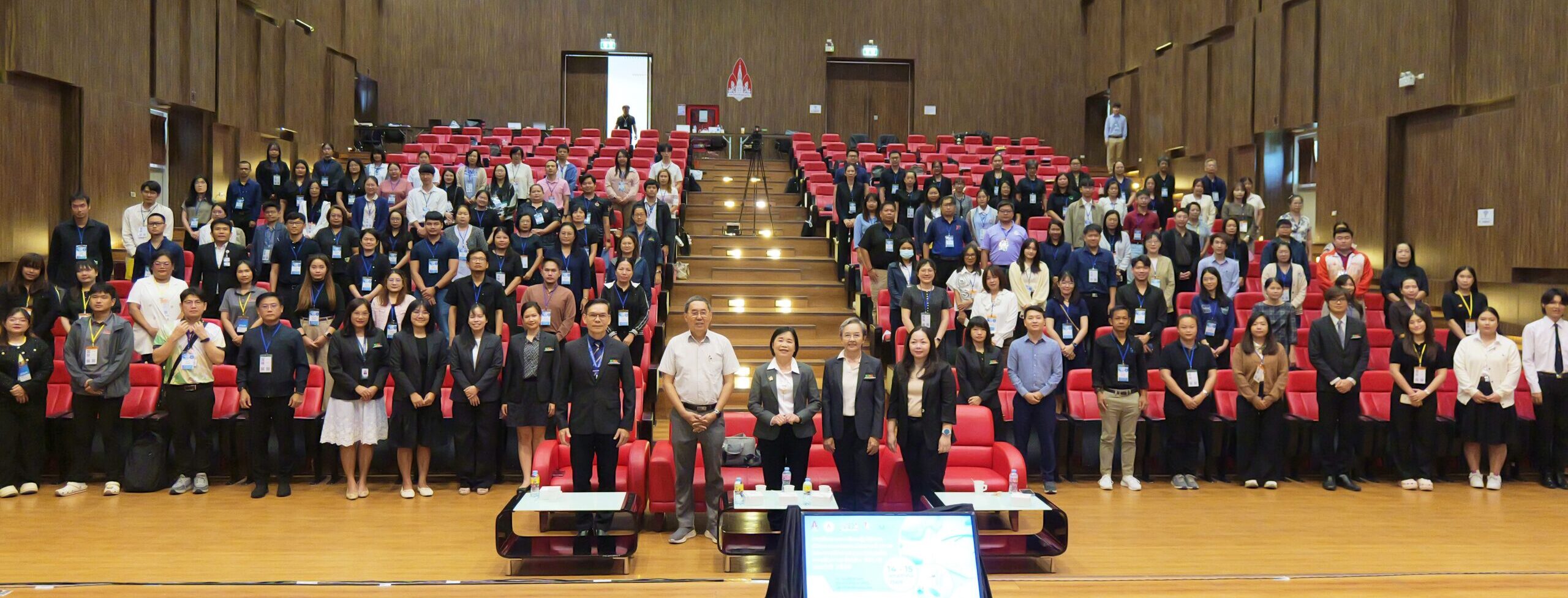
The workshop took place from Thursday 14 May to Friday 15 May 2026 at the Auditorium of the Northeastern Science Park Administration Building in Khon Kaen. The event was collaboratively organised by the Research and Innovation Division, the Office of Academic Service, the Research Instrument Center, and the Department of Microbiology under the Faculty of Medicine at Khon Kaen University. Attended by participants from various internal departments and external organisations, the programme concluded with 106 trainees successfully passing the curriculum certified by the Department of Medical Sciences, Ministry of Public Health, granting them a three-year official certificate.

Professor Pewpan Maleewong, M.D., Vice President for Research and Innovation at Khon Kaen University, presided over the opening ceremony. In her opening remarks, Professor Maleewong emphasised the critical nature of the training within the contemporary research landscape. She stated that in an era where microbiology, medical sciences, and biotechnology are advancing rapidly, biosafety and biosecurity protocols have become paramount to institutional laboratory operations.
As a leading educational and research institution, KKU operates numerous laboratories handling diverse microorganisms, including bacteria, yeast, fungi, viruses, plants, animals, toxins, biological materials, cells, and laboratory animals. The university recognized the urgent need to establish uniform safety standards for laboratory personnel. This workshop was structured to provide comprehensive knowledge on systematic biosafety and biosecurity practices. Furthermore, it prepares internal and external personnel to comply with the Pathogens and Animal Toxins Act C.E. 2015, which mandates that operators and practitioners must complete training curricula certified by the Department of Medical Sciences, Ministry of Public Health. The ultimate goal is to protect practitioners, staff, the public, and the environment from biological hazards through ten theoretical lecture topics and five practical stations.

Professor Maleewong further highlighted four mandatory statutory compliance points under the Pathogens and Animal Toxins Act C.E. 2015 that institutions must implement:
-
Institutions must establish an Institutional Biosafety Committee (IBC).
-
Facilities must fully correspond to the specific hazard groups of pathogens and animal toxins being handled.
-
Equipment and instruments must be appropriate for each specific laboratory containment level.
-
Entities involved in the import, export, sale, production, or possession of pathogens and animal toxins must ensure their operators and practitioners complete the compulsory training certified by the Ministry of Public Health.
This practical training workshop forms an integral part of Khon Kaen University’s ongoing mission to foster a culture of safety within research laboratories. By equipping researchers with standardized practices, KKU continues to elevate national operational benchmarks in microbiology, medical sciences, and biotechnology to international standards.