
The Office of Academic Service and the Faculty of Education implement an innovative art therapy curriculum to enhance the health, wellbeing, and lifelong learning of over 120 elderly participants.
On 12 June 2026, the Office of Academic Service and the Faculty of Education at Khon Kaen University (KKU) joined forces with Phra Yuen Ming Mongkhon Sub-district Municipality, Phra Yuen District, Khon Kaen Province, to launch the “Phra Yuen Ming Mongkhon Municipality Senior Citizens School Project for the 2026 Fiscal Year”. Grounded in the concept of “Active Aging”, the project welcomed over 120 local elderly citizens to the opening ceremony held at the Phra Yuen Ming Mongkhon Sub-district Municipality office.

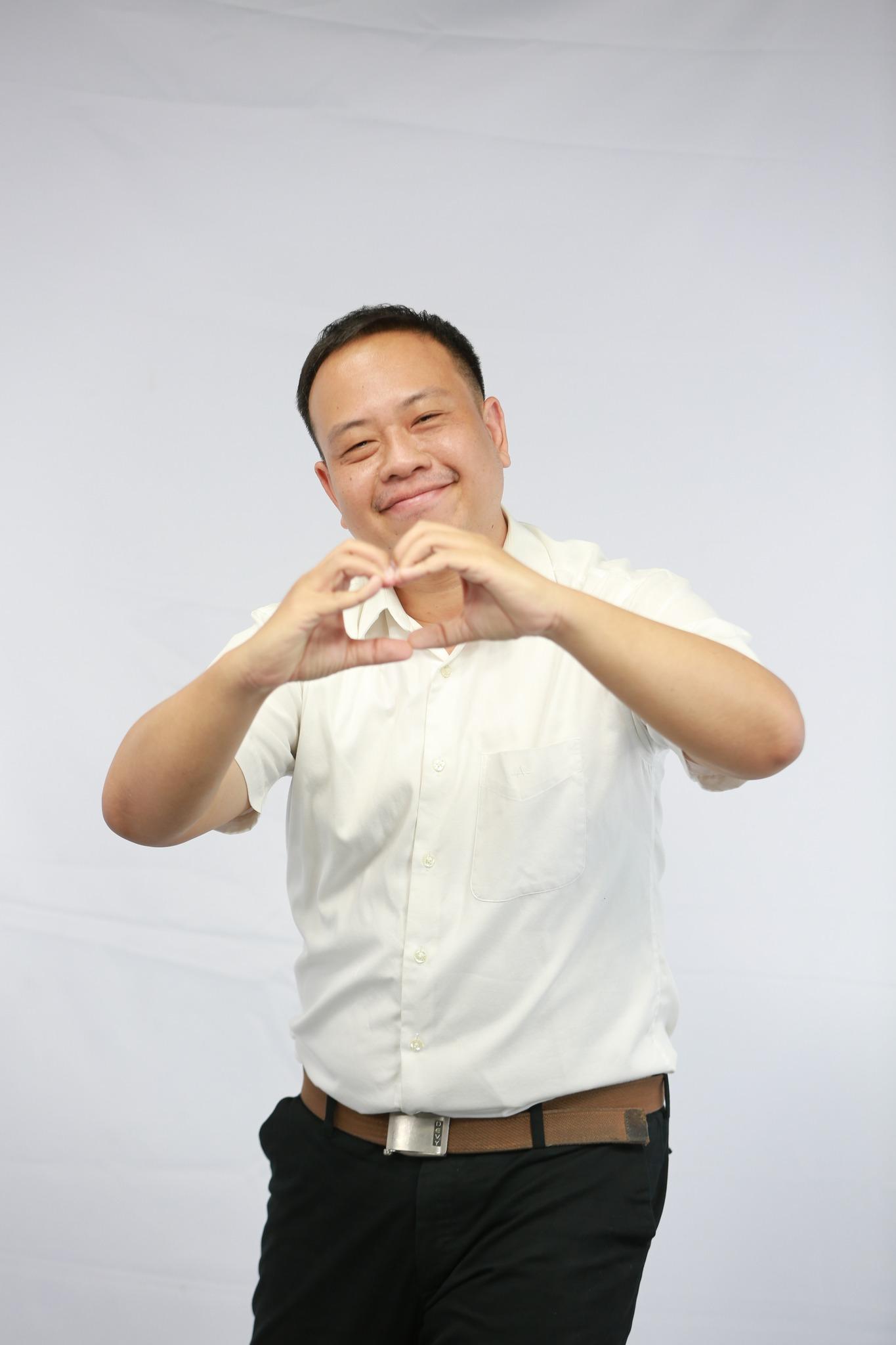
The opening ceremony was presided over by Mr Chairoj Wanphet, Mayor of Phra Yuen Ming Mongkhon Sub-district Municipality. A delegation of KKU administrators also attended to support the driving of this initiative, including Associate Professor Wayu Kanjanasorn, Ph.D., Deputy Dean for Student Affairs and Sustainable Society, and Assistant Professor Siripong Piasiri, Ph.D., Assistant Dean for Administration and Organizational Communications from the Faculty of Education. They were accompanied by Mr Prayat Suebmuangphai, Acting Director of the Administrative Division, and Mr Phrumon Thiansricharoen from the Lifelong Education Centre, Office of Academic Service.

The defining feature of this year’s project is the academic synergy between the municipality and the two KKU units to formulate an innovative curriculum specifically for the elderly. By operating under the “Active Aging” framework, the curriculum aims to comprehensively improve physical, mental, and social wellbeing while embedding sustainable lifelong learning practices into the community.
Creative Highlights: ‘Art for Longevity for Senior Citizens’
A prominent activity that garnered exceptional interest from the participants was the “Art for Longevity for Senior Citizens” course. Developed jointly by the Faculty of Education and the Office of Academic Service, the course utilises artistic creation as a primary tool to enhance the overall quality of life and health of the elderly.

The curriculum systematically merges adult education principles, art education, and art therapy. Led by Assistant Professor Piasiri, a distinguished specialist in art education, a team of 15 instructors and volunteers provided close, personalized supervision to the participants. Throughout the three-day programme, senior citizens engaged in creative activities designed to stimulate brain function, foster creativity, build self-confidence, and rehabilitate mental health, featuring:
- Drawing life journeys to reflect personal pride through colors and imagination.
- Sculpting memories into three-dimensional art to stimulate sensory perception and fine motor skills.
- Creating collaborative artworks under the theme “Our Roots, Our Dream Community” to strengthen communal bonds and cultural pride.
- Practising watercolour techniques and recording personal moments of happiness in private sketchbooks.
- Participating in an educational field trip to the art and cultural centres and key learning sites across Khon Kaen University.
Beyond Art: Cultivating Joy and Purposeful Livelihoods
Participants acquired foundational artistic skills across sketching, sculpting, and watercolour painting, which can be integrated into their daily routines to mitigate stress and alleviate loneliness. Furthermore, the setting allowed senior citizens to build new friendships, fostering a robust and sustainable “Learning Community” at the grassroots level.
This initiative not only reflects the strategic role of Khon Kaen University as an institution dedicated to “Social Devotion,” but also serves as a vital catalyst that tangibly addresses the United Nations Sustainable Development Goals (SDGs). It addresses Good Health and Well-being (SDG 3) through uplifting art innovations, promotes Quality Education (SDG 4) by ensuring equitable lifelong learning for individuals of all ages, fosters Sustainable Cities and Communities (SDG 11) by building resilient and secure local elderly societies, and embodies Partnerships for the Goals (SDG 17) through tight integration between higher education and local government organisations. Together, these entities establish a sustainable, proactive model for enhancing the quality of life for senior citizens, reinforcing that qualitative aging extends beyond mere longevity to encompass happiness, self-worth, and continuous learning within a supportive society.