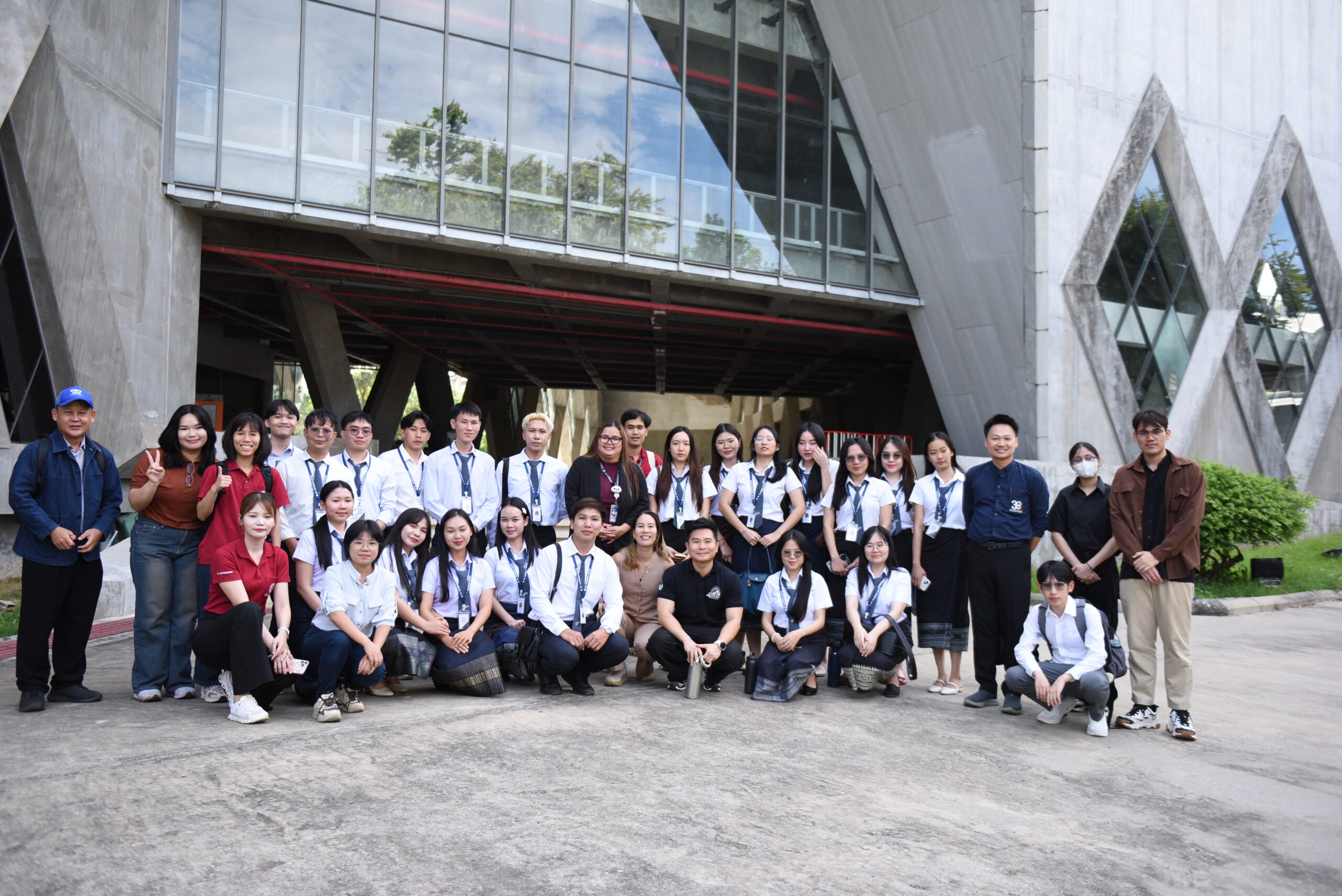


On Monday, 12 January 2026, from 09:00–12:00 hrs, the Wellness and Medical Innovation Zone Management Centre, Khon Kaen University, convened a multi-sector stakeholder meeting at the Auditorium Hall, 1st Floor, Thailand Creative & Design Centre Khon Kaen (TCDC).
The meeting, entitled “Integrated Discussion on the Physical Design, Renovation, and Infrastructure Development Plan for the Khon Kaen Medical Innovation Zone and the Kangsadan–Sam Liam Neighbourhoods and Surrounding Areas,” aimed to align spatial planning with infrastructure development and the expansion of the health and wellness economy.
The discussion was honoured by the presence of Mr. Prachuap Rakpheat, Deputy Governor of Khon Kaen Province, alongside Associate Professor Choopong Thongkamsamut, Ph.D., Vice President for Physical Ecosystem and Environment, and Mrs. Natsamol Tanakulrungsarit, Vice President for Legal and Communications, who attended to listen to the presentations. Representatives from government agencies, local communities, academic units, and private-sector partners participated actively in the exchange of ideas.


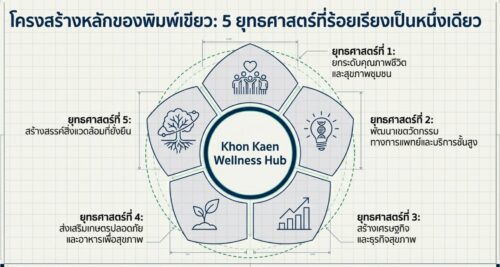
The session opened with remarks by Associate Professor Cholatip Pongskul, M.D., Assistant to the President for Strategic Plan Monitoring and Key Initiatives, who welcomed participants and presented the vision and objectives of the Khon Kaen Medical Innovation Zone. He also introduced the conceptual master plan framework, emphasising integrated spatial development aligned with the Medical Valley and Wellness Hub concepts.

Subsequently, Associate Professor Choopong Thongkamsamut, Ph.D., Vice President for Physical Ecosystem and Environment, and Associate Professor Kitapatr Thapalabutr, Ph.D., Dean of the Faculty of Architecture, presented guidelines for integrating economic development related to medicine and healthcare services. This integration covered physical dimensions, buildings, public utilities, mobility, energy, public spaces, green spaces, the environment, pollution, and the participation of all sectors within the Khon Kaen Medical Innovation Zone.
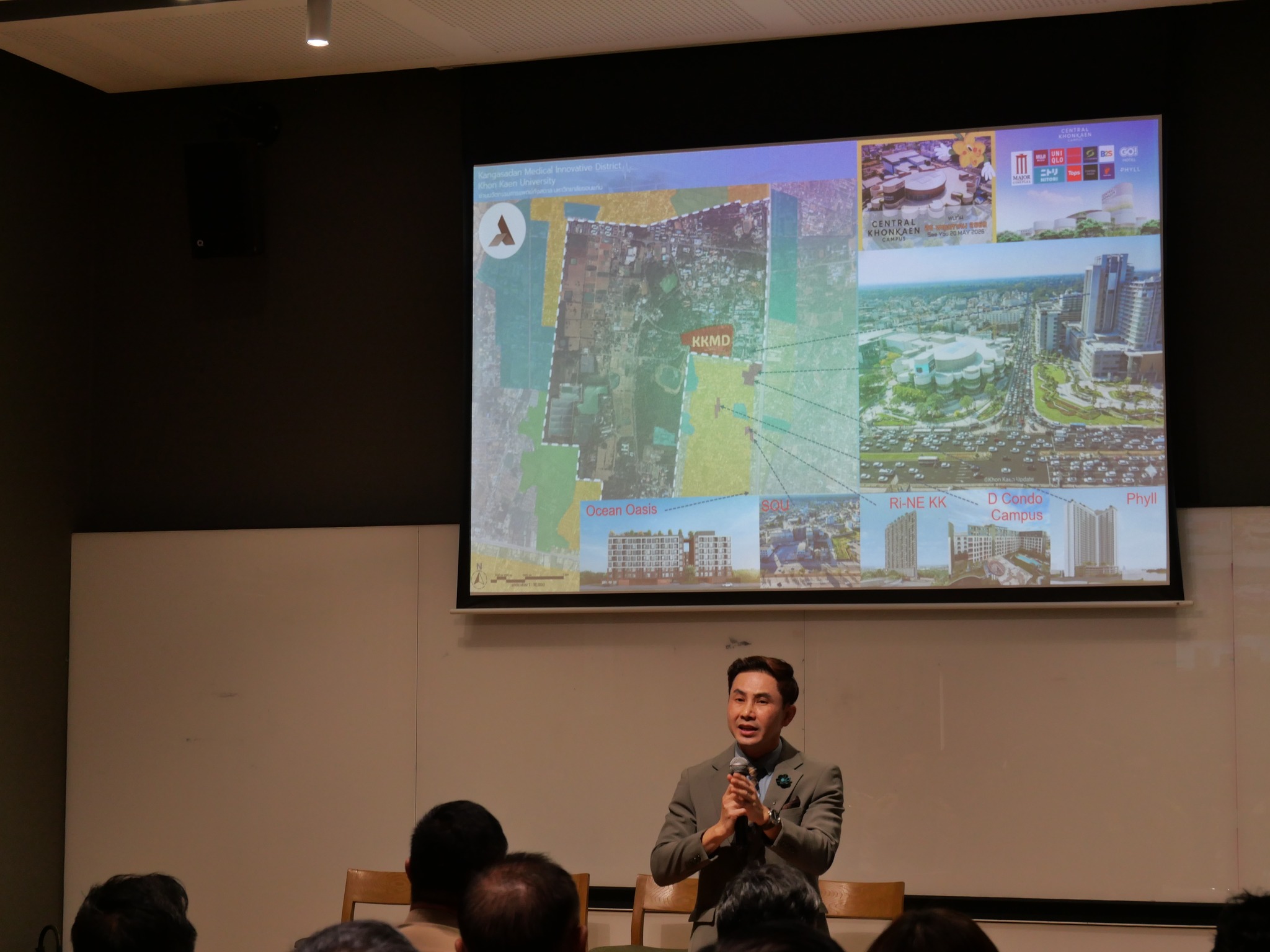
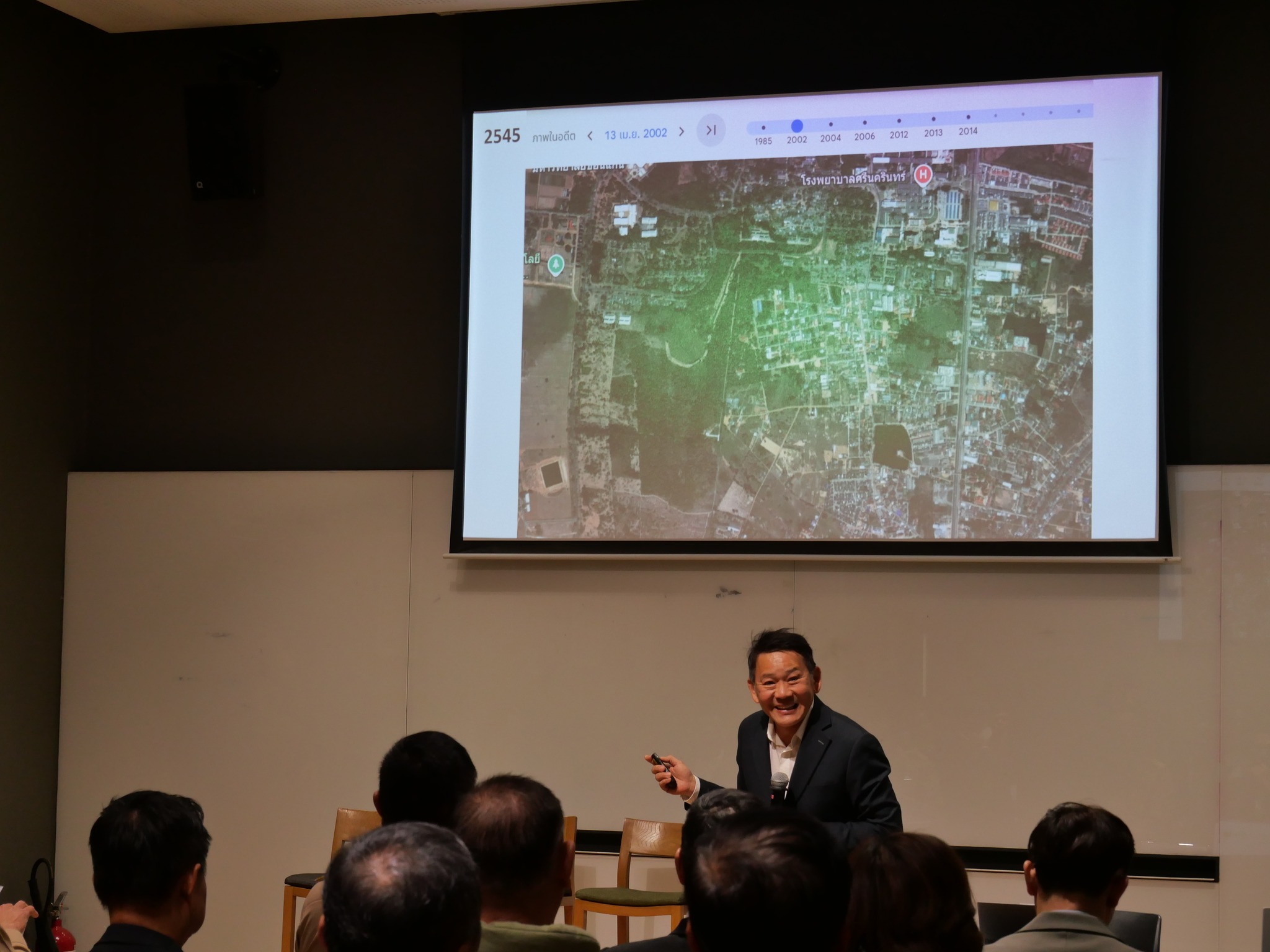
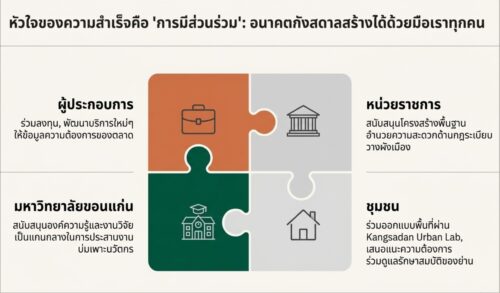
Meanwhile, Mr. Suttamon Hengrasmee, Senior Creative Industry Strategy Developer for TCDC Khon Kaen, presented a preliminary conceptual design sketch for the Kangsadan community and surrounding areas. Subsequently, Mr. Thapana Bunyapravitra, Secretary of the High-Value Innovation Zone, addressed the initial approaches for building cooperation within the Khon Kaen Medical Innovation Zone to boost the economy and related development dimensions.

Associate Professor Cholatip Pongskul revealed that this marks the fourth meeting, with previous sessions focusing on building mutual understanding regarding the ‘Medical Valley’ and ‘Wellness Hub’ concepts, along with outlining the development strategies.

“This meeting is especially crucial as it concentrates on tangible spatial planning. It is also the session where we have invited the largest number of local stakeholders, including entrepreneurs in the Kangsadan neighbourhood, government agencies, and relevant sectors, to ensure we receive comprehensive feedback,” Dr. Pongskul stated.
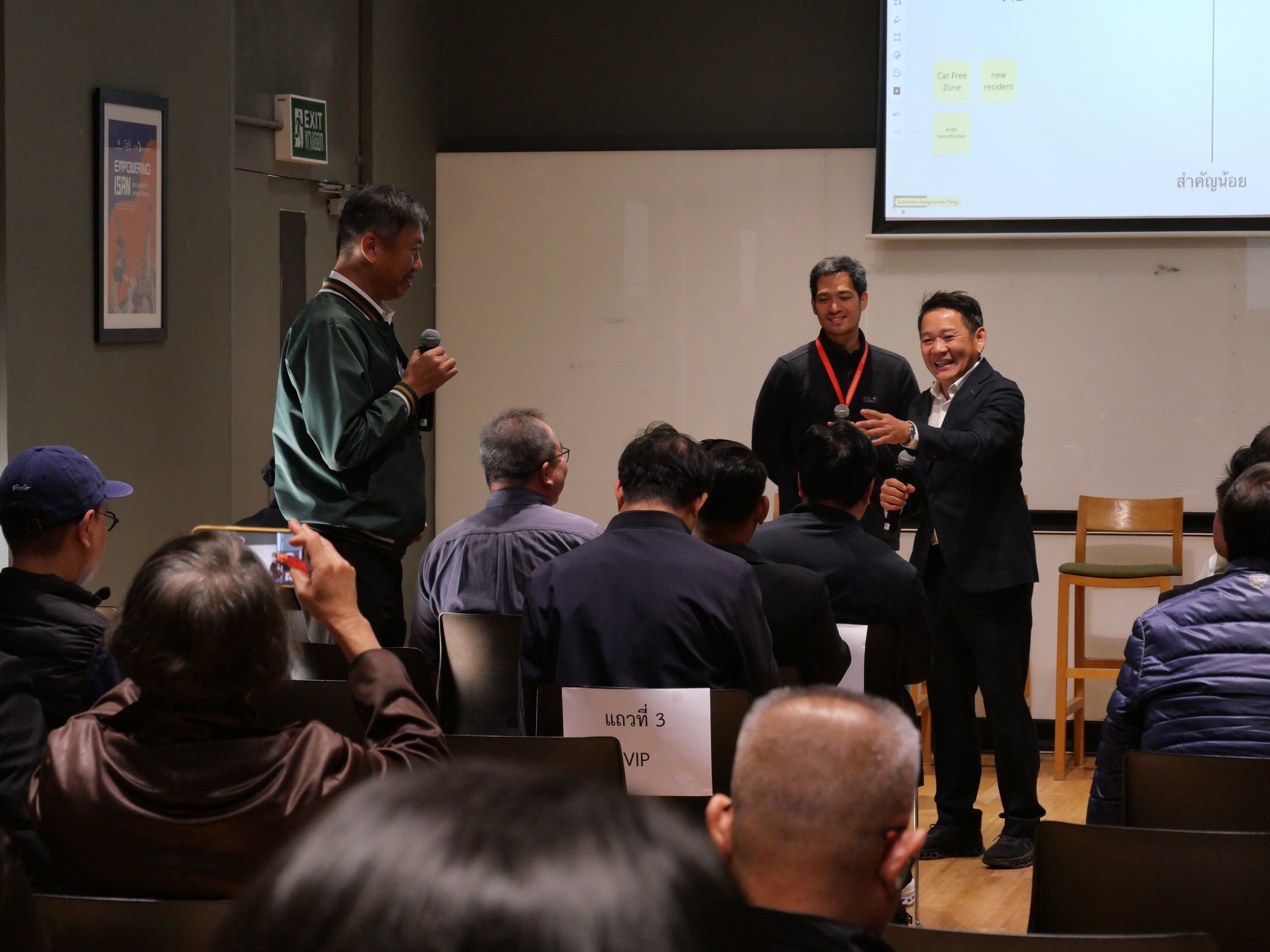
Dr. Pongskul further noted that the Kangsadan area is projected to become a high-density zone in the future, housing medical centres, commercial centres, and numerous residences. Without systematic joint planning, this growth could lead to issues and even potential crises. Therefore, the University aims to transform these risks into opportunities for development.
“We want to hear the voices of those who genuinely reside and operate businesses in the area so we can collaboratively prevent potential problems concerning traffic, environment, waste, or wastewater systems. With proper planning, this area can develop into a liveable, health-promoting neighbourhood that attracts users and generates sustainable economic growth from health services,” he emphasised.
“For this fourth meeting, we aimed to gain concrete proposals and identify clear ‘owners’ responsible for driving each key issue. We invited relevant government organisations to participate and define their responsibilities, specifically in areas such as roads and traffic, public works, and the environment.”
“Once the owners for each issue are designated, the relevant agencies will proceed with in-depth detailing, while the University will provide academic support. All the compiled information will be brought back for another discussion on 21 January, where we will examine the overall Medical Valley system. The Kangsadan neighbourhood is considered a critical component of this development,” Dr. Pongskul concluded.
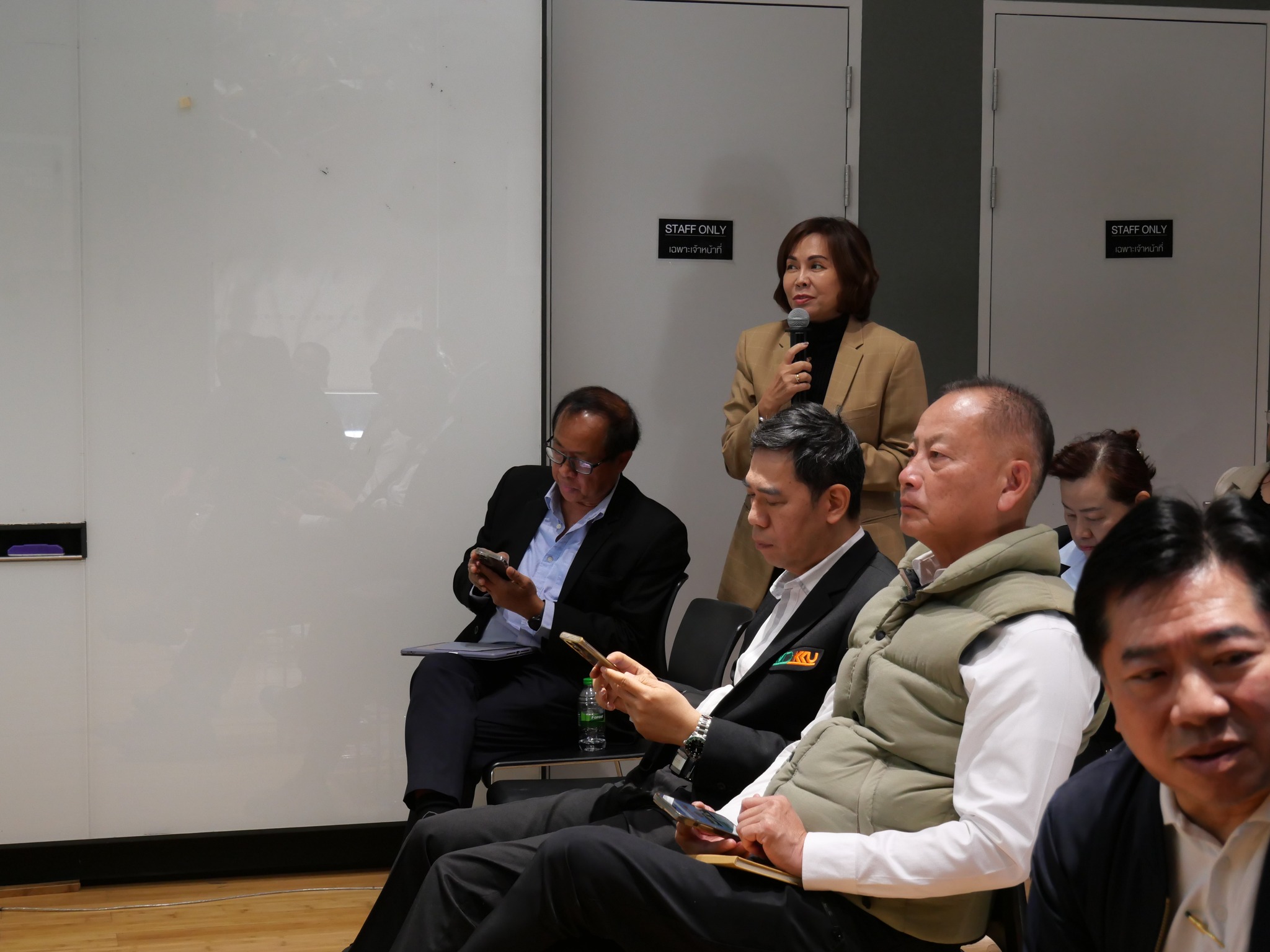
The meeting successfully integrated the conceptual framework and the spatial development plan for the Khon Kaen Medical Innovation Zone, ensuring alignment with the context of the Kangsadan–Sam Liam community and surrounding areas. This comprehensive approach covers physical aspects, infrastructure, mobility, energy, public spaces, green spaces, the environment, and multi-sector participation, systematically supporting the elevation of the medical and healthcare service economy.
This initiative marks a significant step for Khon Kaen University in driving spatial development and medical innovation, while creating balanced and sustainable value for local communities and society at large.


ข่าว: เบญจมาภรณ์ มามุข / นางสาวธันญาภรณ์ เปลี่ยนพิทักษ์ นักศึกษาฝึกปฏิบัติสหกิจศึกษา ชั้นปีที่ 4 สาขาวิชาภาษาไทย คณะมนุษยศาสตร์และสังคมศาสตร์ มหาวิทยาลัยขอนแก่น
ภาพ: นายณัฐดนัย อุปนันท์ นักศึกษาฝึกประสบการณ์สหกิจศึกษา มหาวิทยาลัยศรีปทุม วิทยาเขตขอนแก่น / นางสาวธันญาภรณ์ เปลี่ยนพิทักษ์