
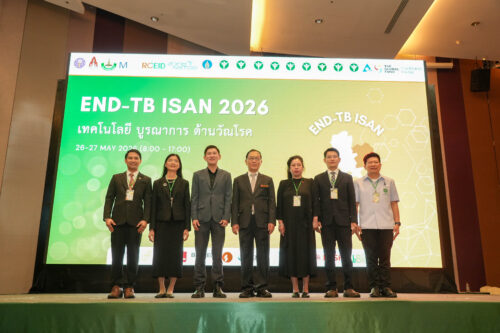
The workshop aims to enhance diagnostic capabilities for drug-resistant tuberculosis using Targeted Next Generation Sequencing and strengthen regional healthcare networks.
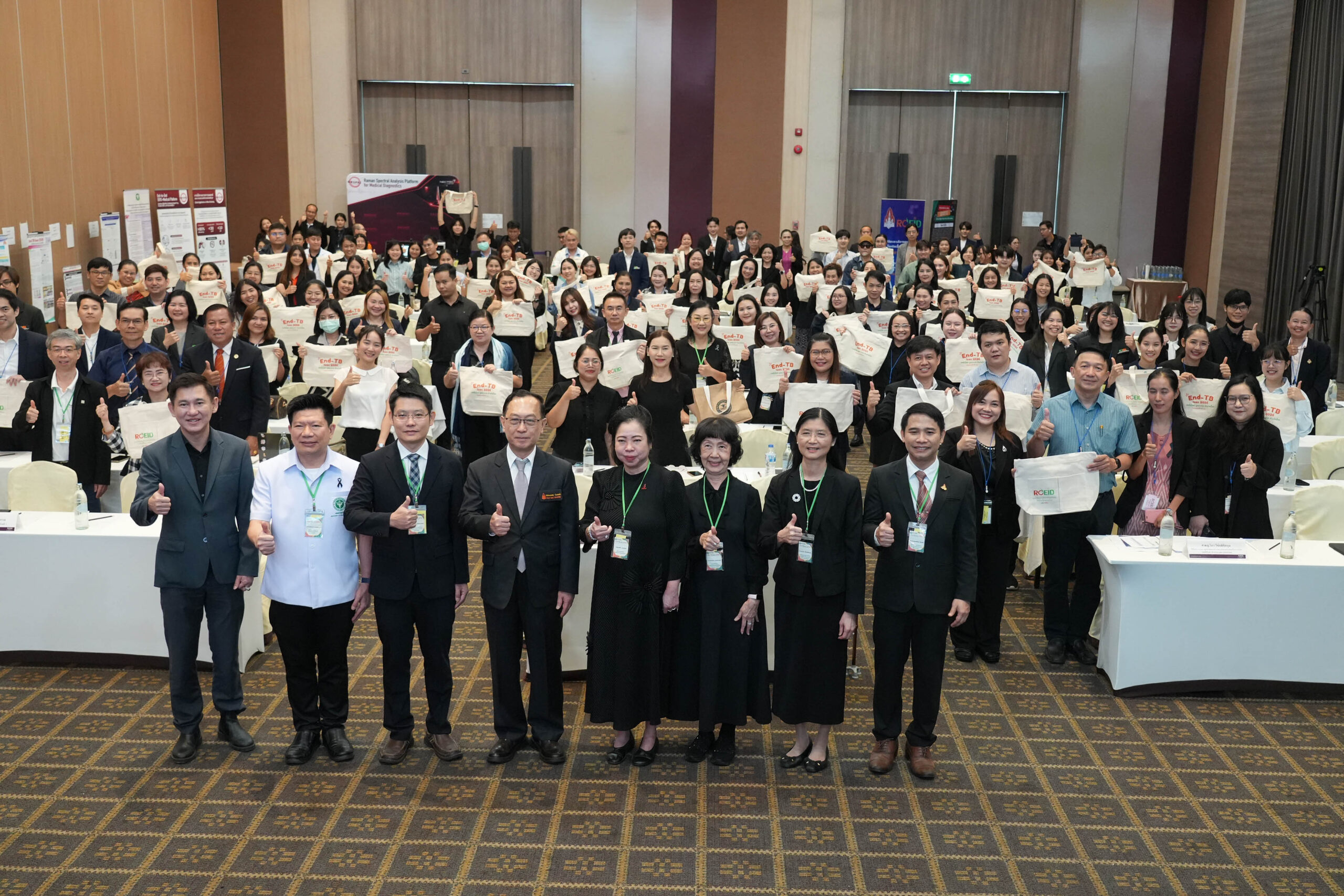
On 26 May 2026, Khon Kaen University organised the workshop titled “End-TB Isan 2026: Integrated Technology against Tuberculosis”. Associate Professor Charnchai Panthongviriyakul, M.D., President of Khon Kaen University, presided over the opening ceremony. The event brought together 185 participants, including executives and representatives from the Division of Tuberculosis under the Department of Disease Control, the Office of Disease Prevention and Control, network hospitals, and multi-sectoral alliances. Attendees represented various professions, including physicians, nurses, medical technologists, laboratory personnel, researchers, and tuberculosis frontline workers, gathering at the Avani Khon Kaen Hotel & Convention Centre.
The workshop was co-organised by the Research and Diagnostic Center for Emerging Infectious Diseases (RCEID) at Khon Kaen University and the Global Fund Project Management Office of the Department of Disease Control. The objectives were to enhance the capacity of laboratory and multidisciplinary personnel in utilising Targeted Next Generation Sequencing (TNGS) for diagnosing drug-resistant tuberculosis, as well as to strengthen collaborative networks to end tuberculosis at the regional level.

Associate Professor Charnchai Panthongviriyakul, M.D., President of Khon Kaen University, stated, “Tuberculosis has been a long-standing national health issue, affecting a vast number of people. Medical personnel are particularly at a high risk due to their close proximity during patient treatment. Tuberculosis remains close to us; once it subsides, it can re-emerge, and it has become increasingly complex due to drug resistance, which now accounts for up to 10% of cases. Today’s meeting is therefore crucial in exchanging perspectives, establishing disease prevention guidelines, and building cooperative networks. This is not solely the mission of medical staff, but requires everyone’s collaboration. I hope this meeting proceeds smoothly and achieves all its goals.”
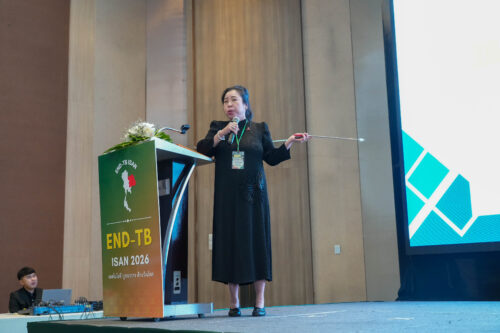
Meanwhile, Dr. Phalin Kamolwat, Senior Expert of the Department of Disease Control, remarked, “If we are serious about ending tuberculosis, we must be willing to invest seriously. The government needs to recognize the high stakes of this issue by expanding screenings to over 20 million people in high-risk groups, providing them with free access to chest X-rays and laboratory tests. This must be done as swiftly as possible, because waiting weeks for results allows the disease to spread. Furthermore, we must increase human resources and adjust compensation appropriately given the high-risk nature of tuberculosis work, while also addressing the high cost of medication and the severe side effects associated with treatment.”
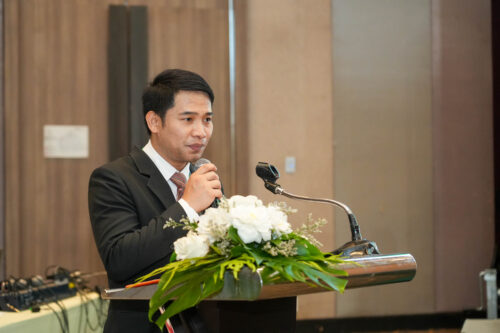
Professor Kiatichai Faksri, Ph.D., Director of the Research and Diagnostic Center for Emerging Infectious Diseases, Khon Kaen University, reported that this event received extensive cooperation from key sectors. These included the Division of Tuberculosis, the Khon Kaen Provincial Public Health Office, the Office of Disease Prevention and Control 7 Khon Kaen, regional network hospitals in the Northeast, the Faculty of Medicine Siriraj Hospital at Mahidol University, the National Electronics and Computer Technology Center (NECTEC) under the National Science and Technology Development Agency, and other relevant alliance networks.
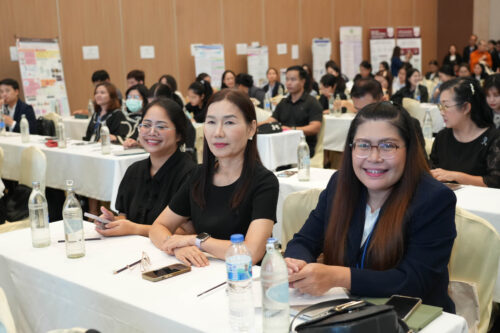
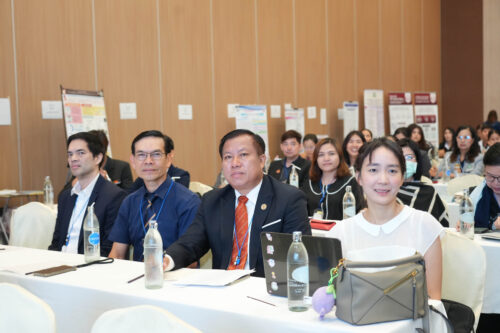
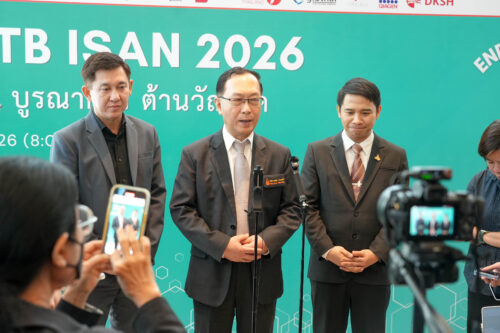
Key activities at the event featured academic lectures and policy exchanges regarding tuberculosis control, a practical workshop on Targeted Genome Sequencing technology, and demonstrations of diagnostic technologies for drug-resistant tuberculosis. Additionally, the event hosted research presentations and competitions, a “TB Hero” short video contest, and brainstorming sessions focused on advancing research development and building sustainable, long-term collaborative networks to end tuberculosis.